
Farmhouse at Tervueren — History & Facts
What secret hides in the quiet of the canvas? Within the stillness of Farmhouse at Tervueren, a world of hope and tranquility unfolds, inviting us to pause and reflect. Look to the gentle curve of the road leading towards the farmhouse, softly framed by lush greenery. The artist’s brush captures the play of light filtering through the leaves, dappling the earth with a warm, inviting glow. Notice how the muted palette of greens and browns harmonizes with the pale blue sky, creating a serene atmosphere that envelops the viewer.
The careful composition draws your eye towards the modest dwelling, a testament to simplicity and the promise of a nurturing home. In this work, contrasts abound; the vibrant life in the foreground against the stillness of the farmhouse fosters a sense of solace amidst the bustle of nature. The untouched landscape surrounding the structure suggests a refuge from the chaos of the outside world, embodying a profound sense of hope. Every stroke seems to whisper a narrative of resilience, hinting at the stories of generations woven into the fabric of this landscape. Alphonse Asselbergs painted this piece during the late 19th century, a time when the Impressionist movement was reshaping artistic expression across Europe.
As an advocate of realistic landscapes in Belgium, he captured the essence of rural life, bridging a connection between the viewer and the natural world. His dedication to portraying moments of tranquility and beauty resonates through this study, reflecting both personal and societal aspirations of his era.
More Artworks by Alphonse Asselbergs
Browse all →
The Heath
Alphonse Asselbergs
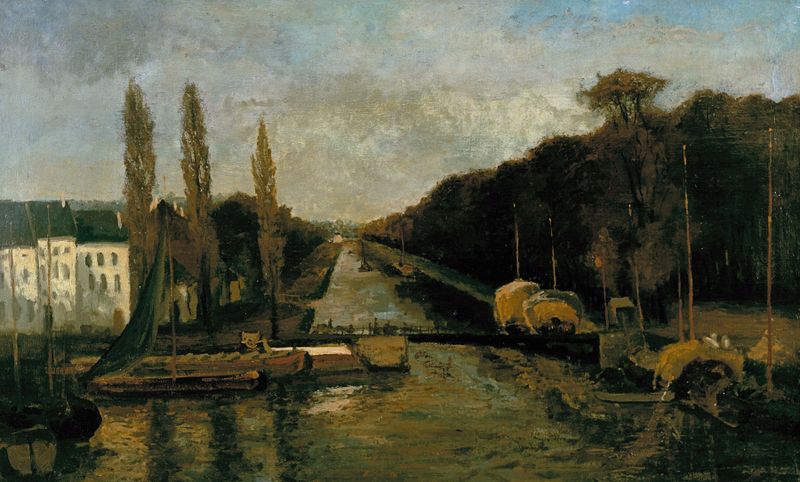
De Oeverpoort in Brussel
Alphonse Asselbergs

Village-view
Alphonse Asselbergs

The Porte du Rivage in Brussels
Alphonse Asselbergs

Fen in the Kempen
Alphonse Asselbergs
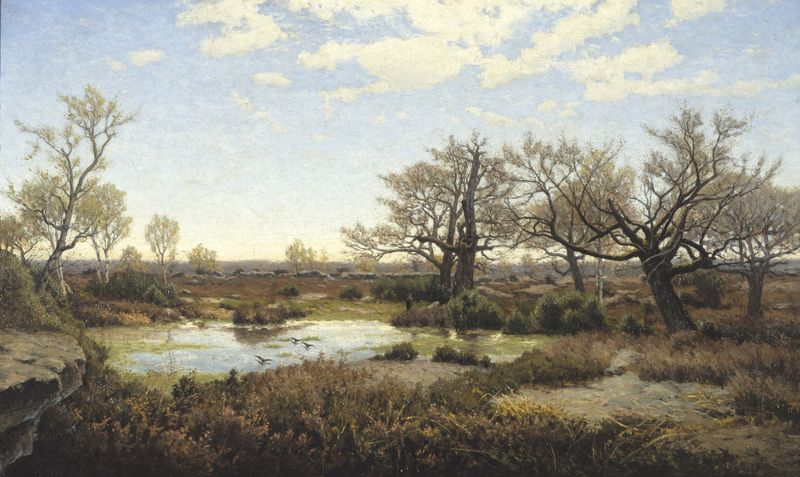
‘La Mare aux Fées’ at Fontainebleau
Alphonse Asselbergs
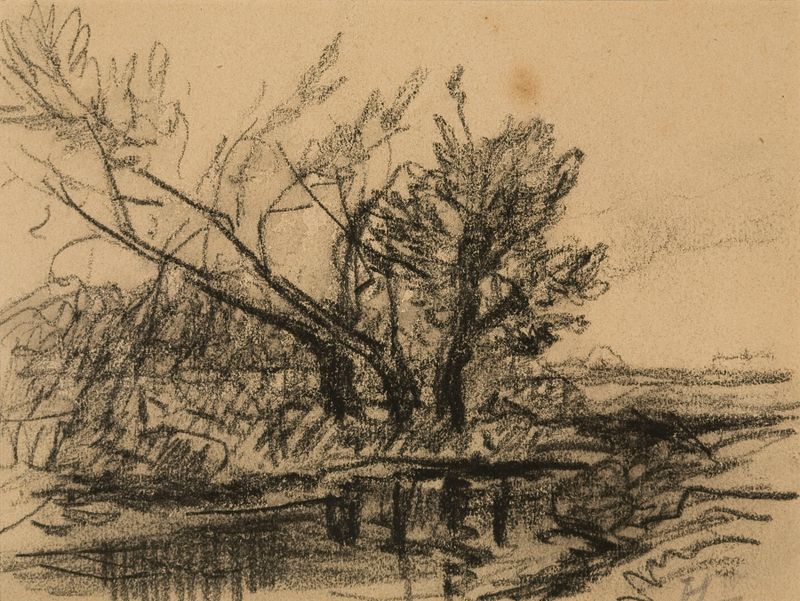
Trees near a Pond
Alphonse Asselbergs
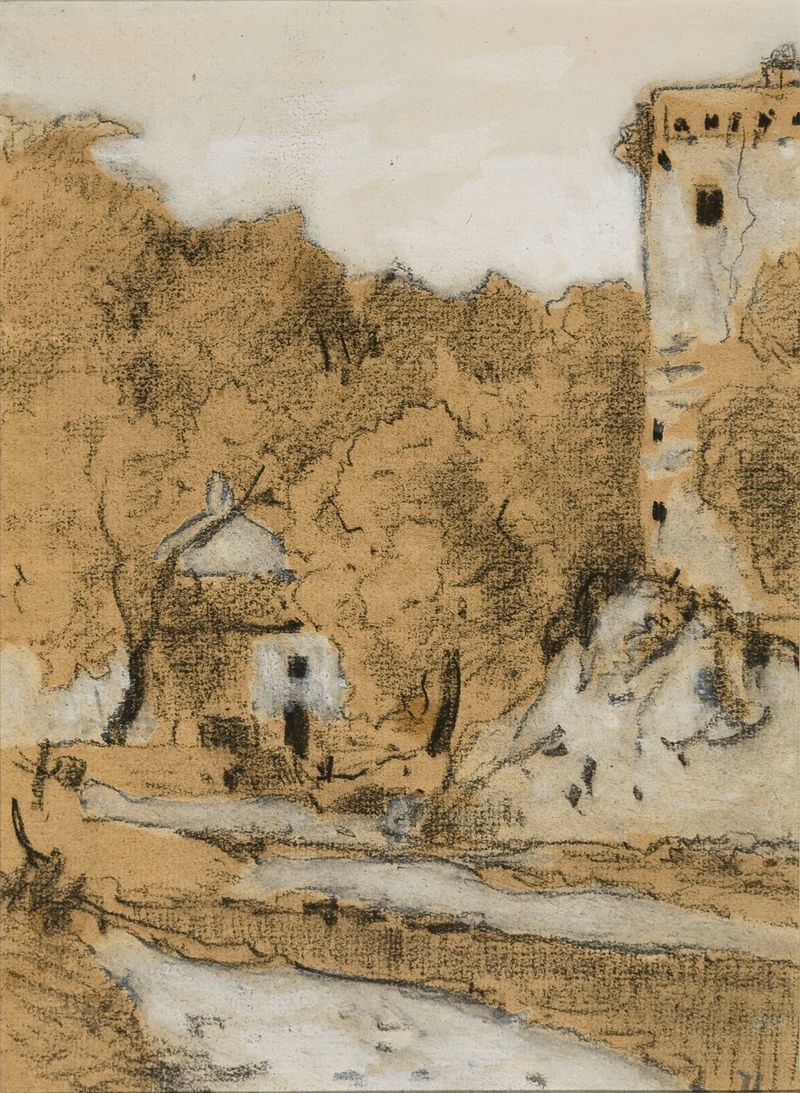
Tower and Ruins in Italy
Alphonse Asselbergs





