
De ontmoeting bij de Gouden Poort — History & Facts
Can beauty exist without sorrow? In Albrecht Dürer’s De ontmoeting bij de Gouden Poort, this question echoes through the delicate interplay of figures and symbolism, weaving a narrative that transcends time and speaks to the inevitability of mortality. Look closely at the central figures, where the soft light illuminates their expressions in stark contrast to the shadows lurking in the background. Observe the exquisite detail of their garments, rich in color and texture, which illustrates both status and fragility. The golden gate, towering behind them, acts as a visual metaphor for transition, beckoning the viewer to consider what lies beyond—a world where beauty meets its inevitable end. The emotional tension in this work is palpable; the juxtaposition of the hopeful encounter against the looming gate reflects the complexities of human existence.
The figures' outstretched hands suggest connection, yet their expressions hint at an underlying melancholy, revealing the delicate balance between joy and sorrow. The meticulously crafted background adds depth, suggesting a world filled with both promise and the shadow of mortality, inviting contemplation on the transient nature of life and beauty. Created in 1511 during a period of profound artistic innovation in Northern Europe, this piece encapsulates Dürer’s exploration of humanism and the Renaissance. At this time in his life, he was deeply engaged in integrating classical ideals with the spiritual themes of his own culture.
The painting stands as a testament to his mastery of detail and emotion, situating him among the forefront of artists who sought to bridge the mortal and the divine.
More Artworks by Albrecht Dürer
Browse all →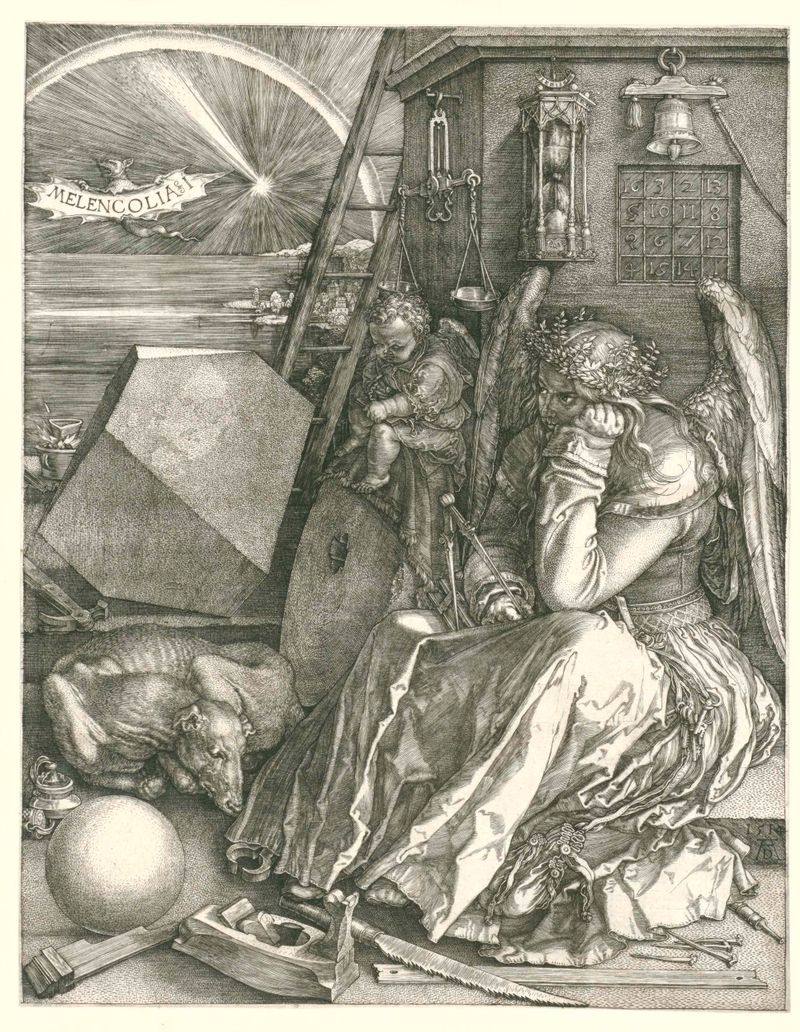
Melancholia
Albrecht Dürer
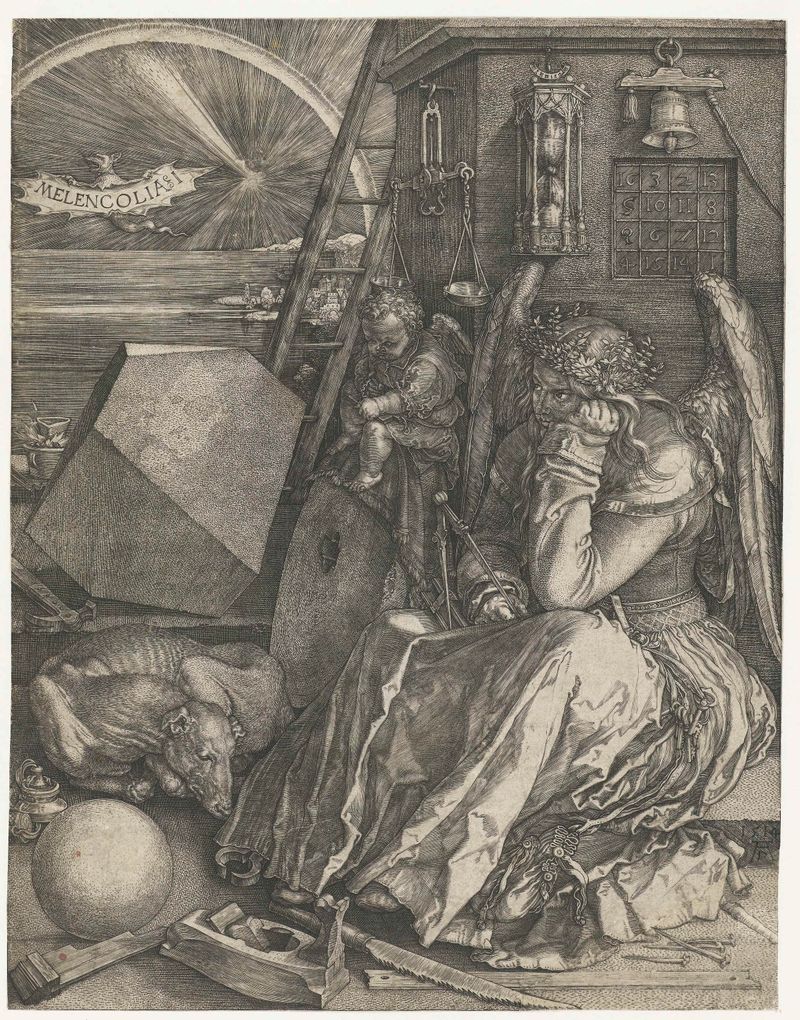
Melancholie
Albrecht Dürer

Neushoorn
Albrecht Dürer
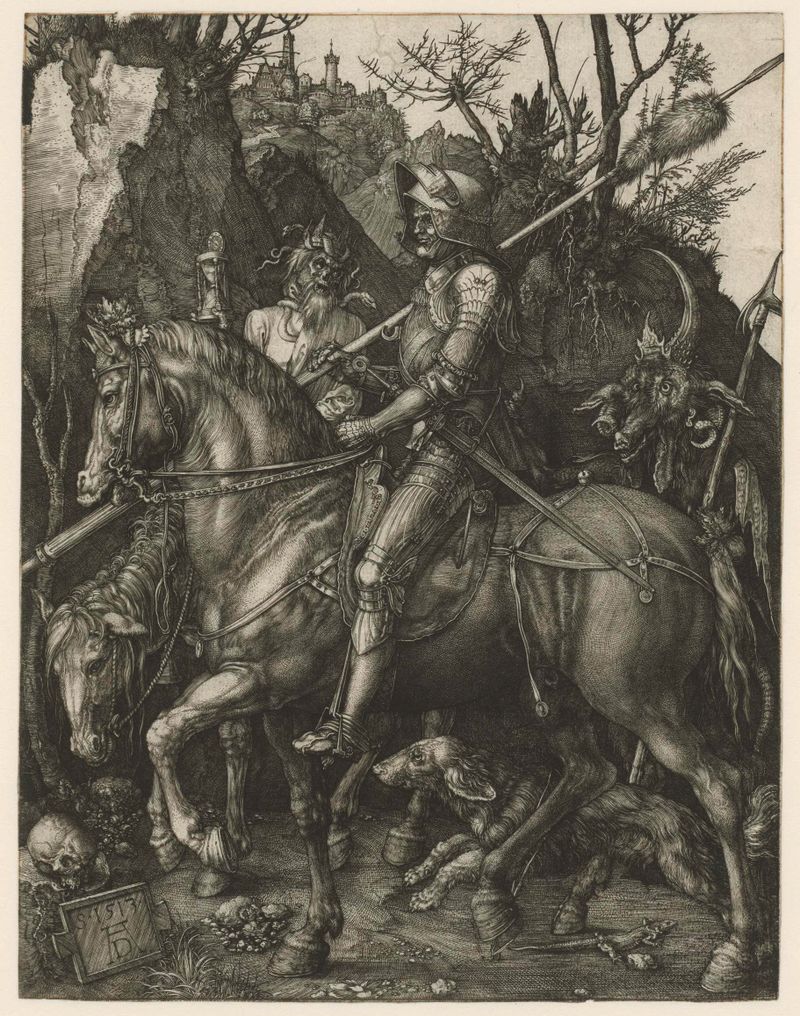
Knight, Death, and the Devil
Albrecht Dürer

De vier ruiters van de apocalyps
Albrecht Dürer

De vier ruiters van de apocalyps
Albrecht Dürer
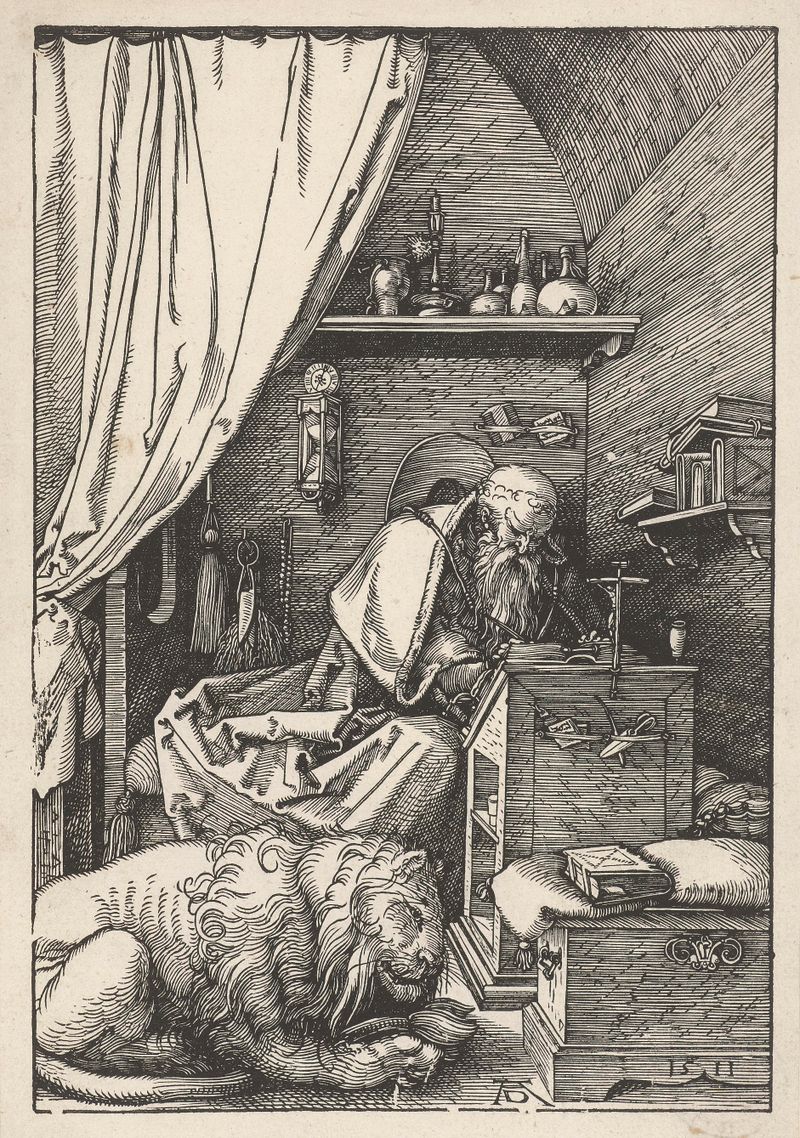
De Heilige Hiëronymus in zijn studeervertrek
Albrecht Dürer
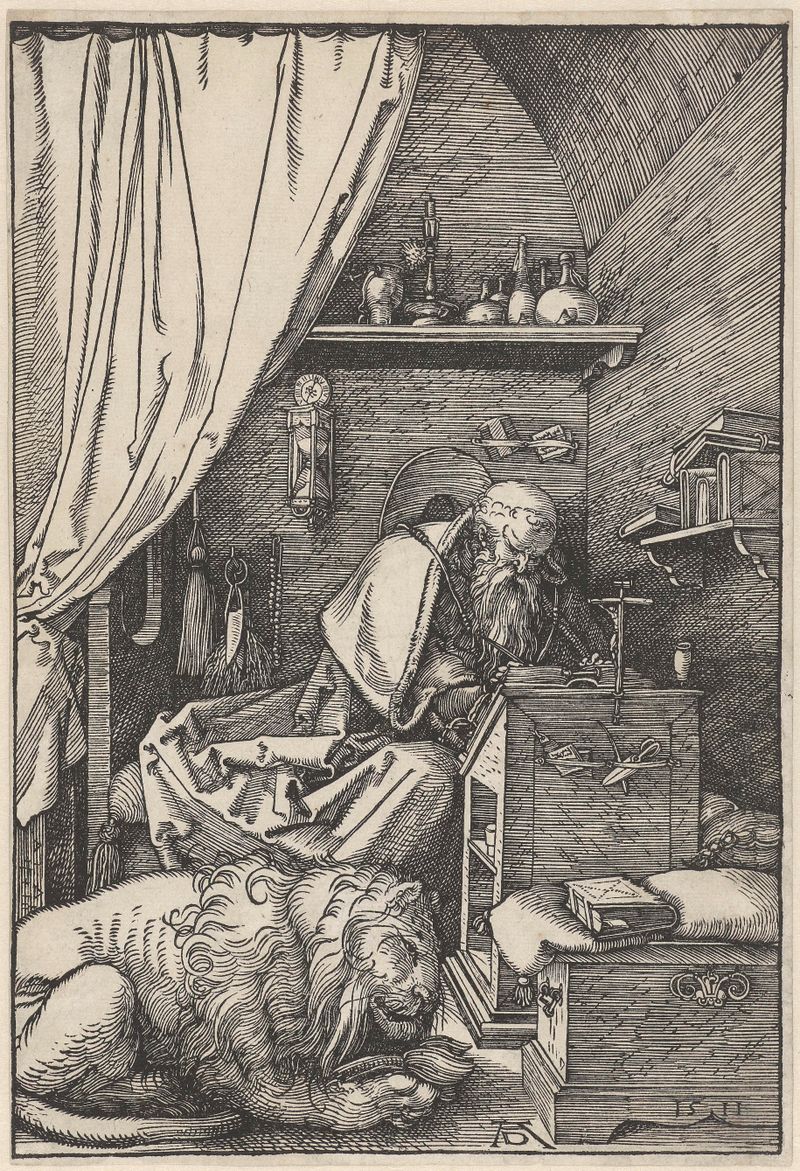
De Heilige Hiëronymus in zijn studeervertrek
Albrecht Dürer
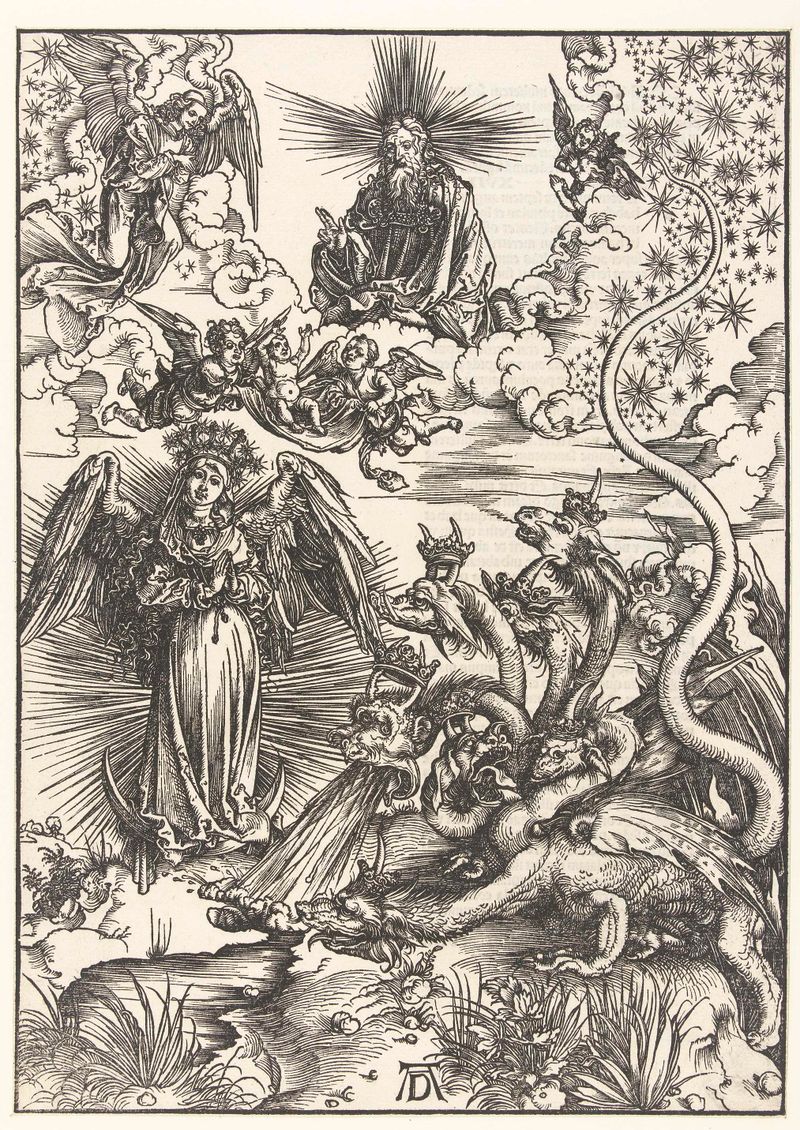
De apocalyptische vrouw en de zevenkoppige draak
Albrecht Dürer
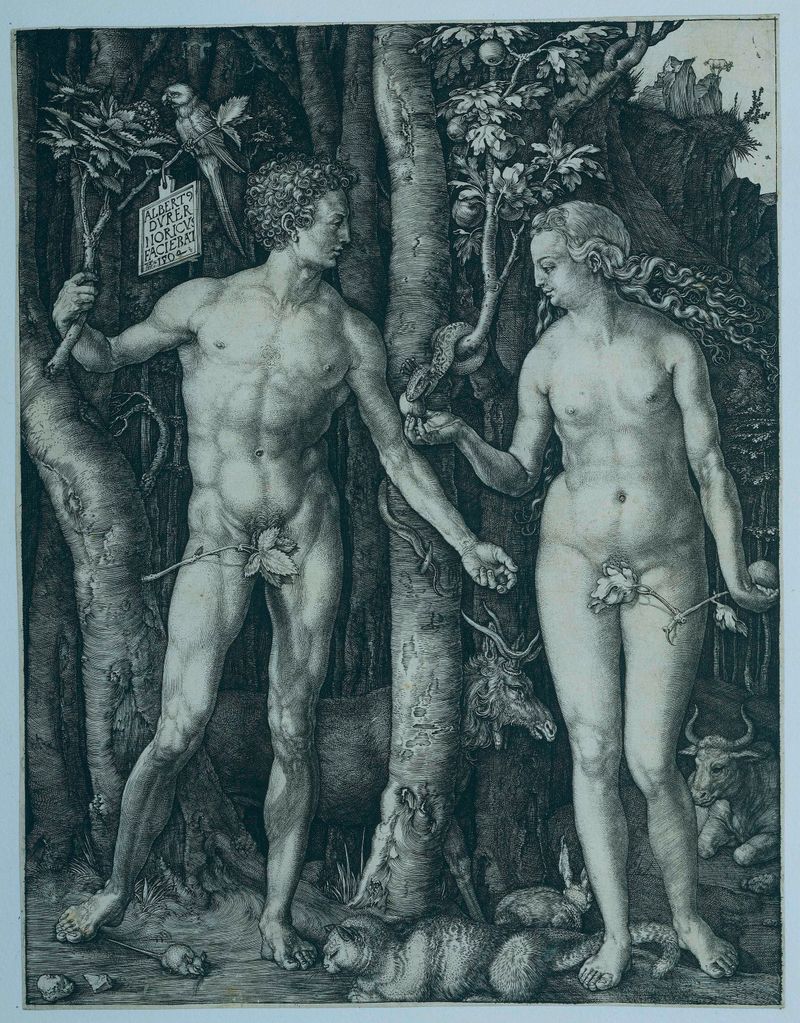
Adam en Eva
Albrecht Dürer
More Religious Art
Browse all →
The Return of the Prodigal Son
Rembrandt van Rijn

The Garden of Earthly Delights
El Bosco

Count Orgaz’ funeral
El Greco

The Hundred Guilder Print: the central piece with Christ preaching, the plate arched
Rembrandt van Rijn

The Descent from the Cross
Rogier van der Weyden

The return of the prodigal son
Rembrandt van Rijn