
De opstanding — History & Facts
In De opstanding, the interplay of light and shadow evokes the very essence of resurrection, capturing the moment where hope emerges from despair. To fully appreciate the work, focus on the figures at the center, rising from their graves, enveloped in a soft, ethereal glow contrasted by the darkened background. Notice how Dürer meticulously renders the details of their expressions—serenity and awe blend together, reflecting the shock of rebirth. The delicate gradation of light shining upon their skin underscores their otherworldly state, compelling the viewer to traverse the thin line between the earthly and the divine. Within the composition, the tension between shadow and light forms the crux of the narrative.
The stark contrasts symbolize the battle between life and death, while the gentle curves of the figures suggest a tender, maternal embrace of newfound existence. Each detail—be it the textures of the draped garments or the subtle expressions on their faces—whispers of a deeper understanding of mortality, and invites contemplation of what lies beyond. Dürer created De opstanding in 1512, during a pivotal period in the Northern Renaissance characterized by a reinvigoration of humanist thought and exploration of emotional depth in art. At this time, he was in Nuremberg, deeply engaged with printing techniques and exploring biblical themes, reflecting the spiritual climate of a Europe transitioning towards Reformation ideals.
This artwork serves as a testament to his mastery in marrying technical skill with profound philosophical inquiry.
More Artworks by Albrecht Dürer
Browse all →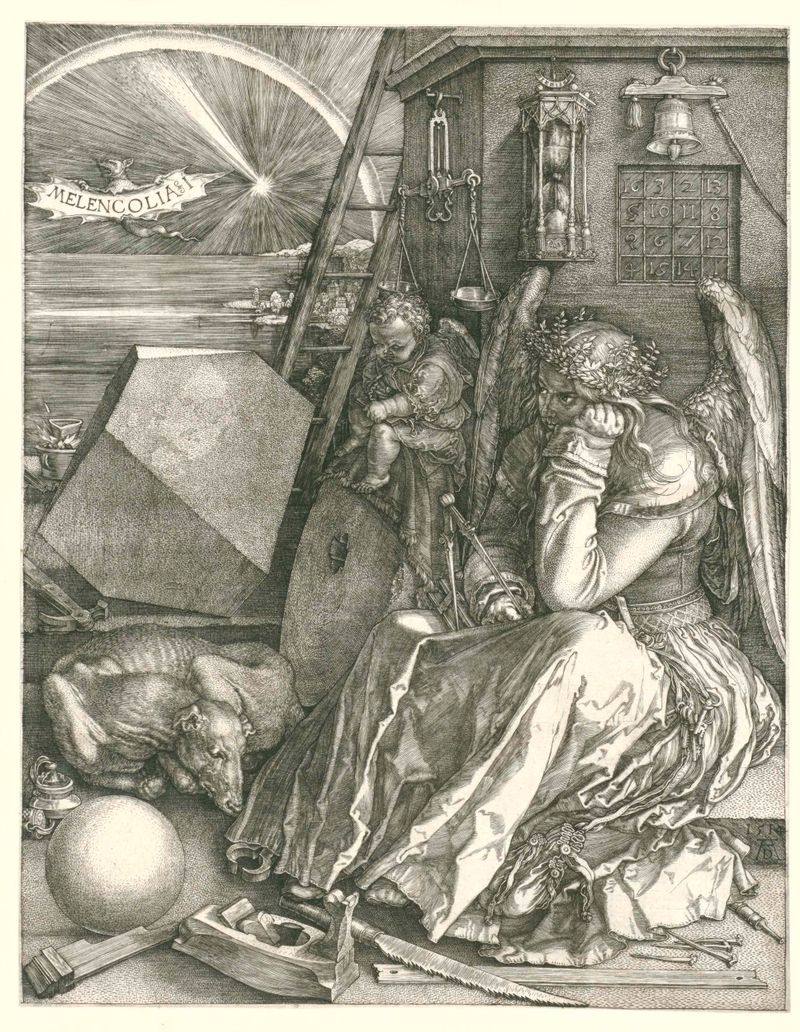
Melancholia
Albrecht Dürer
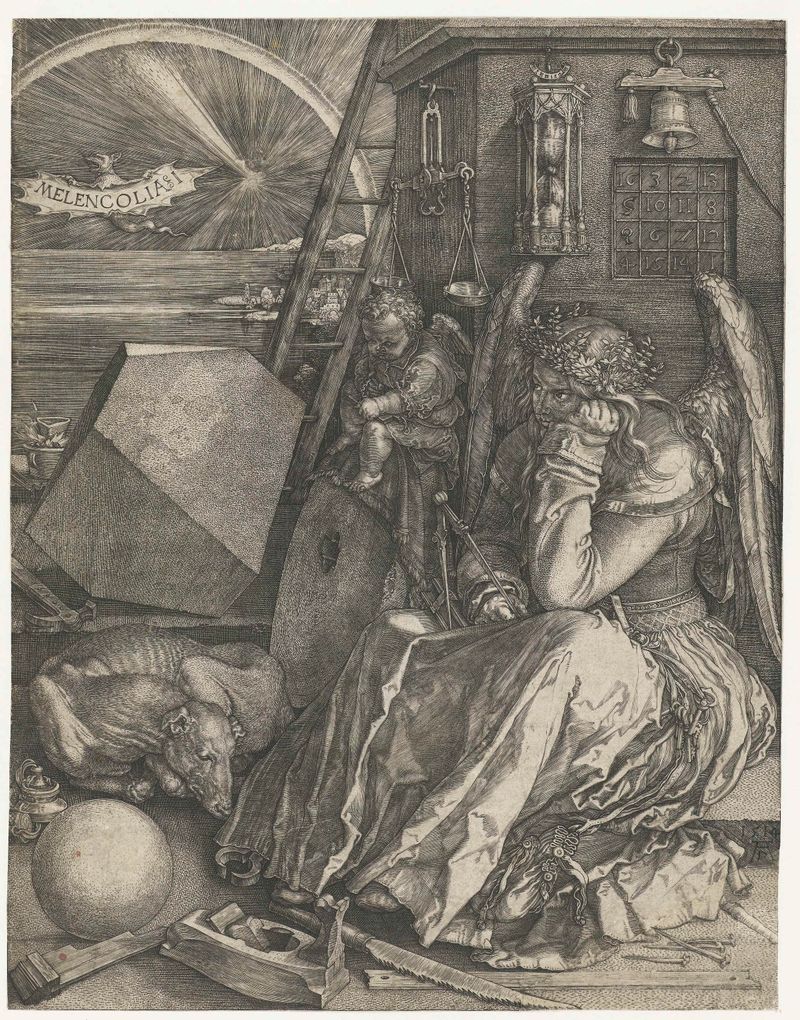
Melancholie
Albrecht Dürer

Neushoorn
Albrecht Dürer
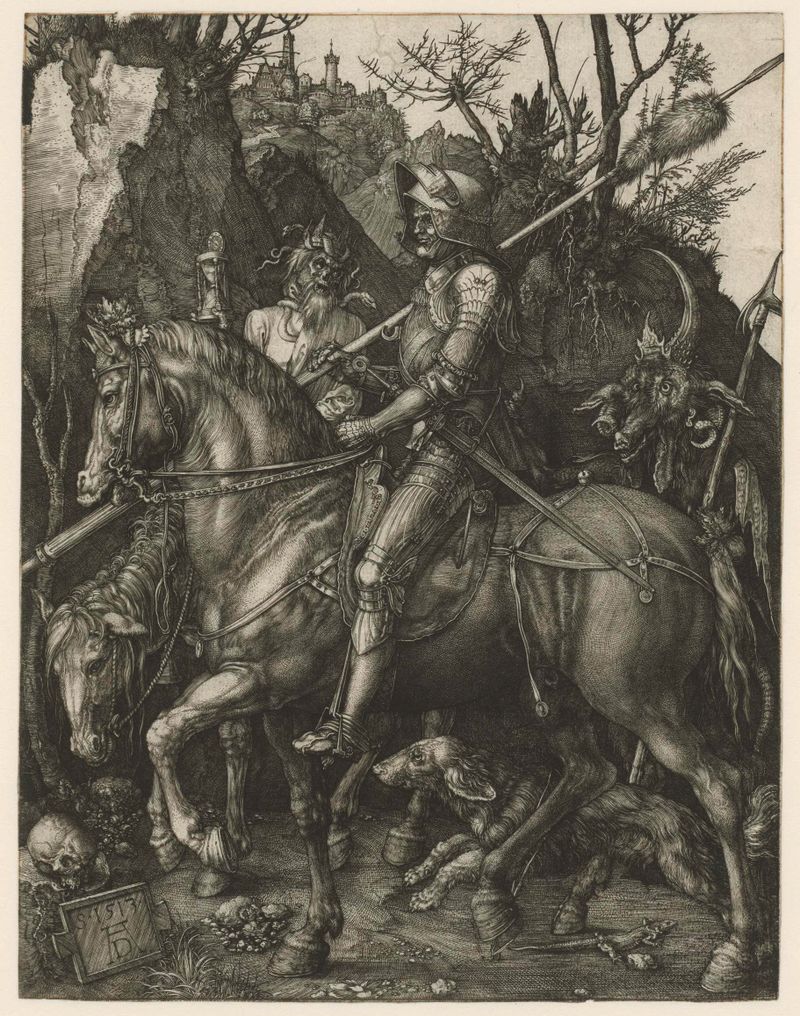
Knight, Death, and the Devil
Albrecht Dürer

De vier ruiters van de apocalyps
Albrecht Dürer

De vier ruiters van de apocalyps
Albrecht Dürer
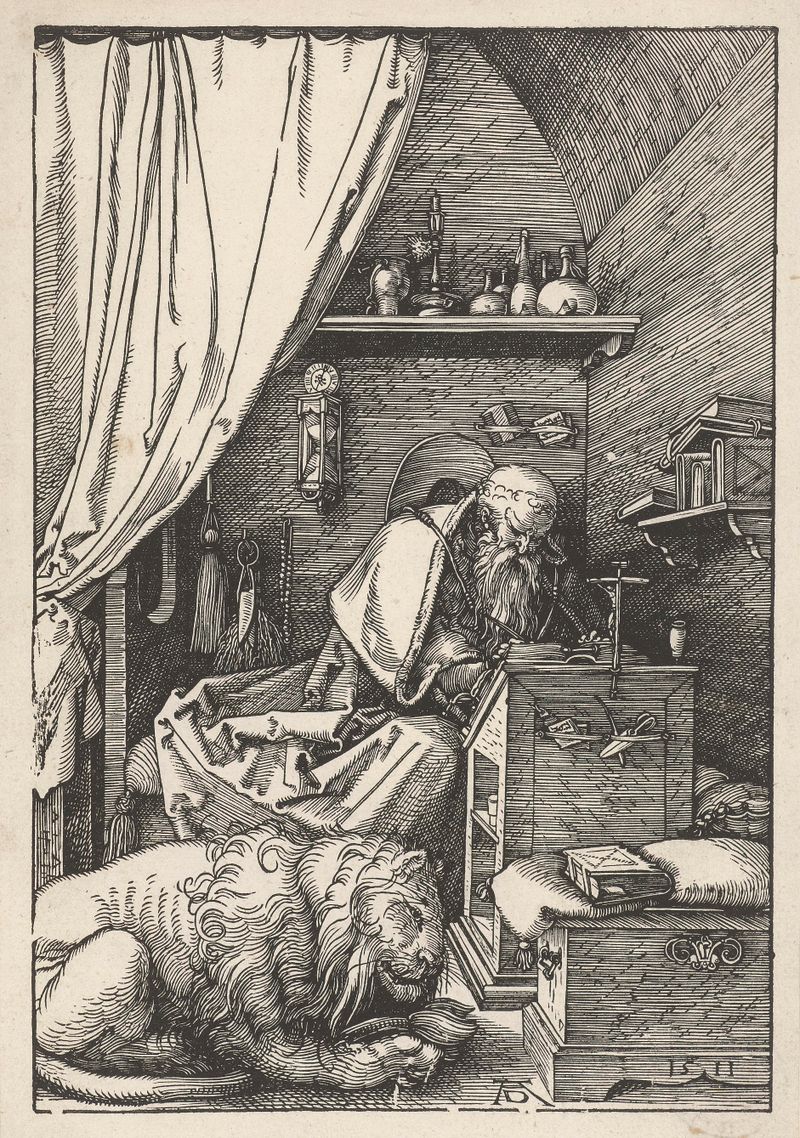
De Heilige Hiëronymus in zijn studeervertrek
Albrecht Dürer
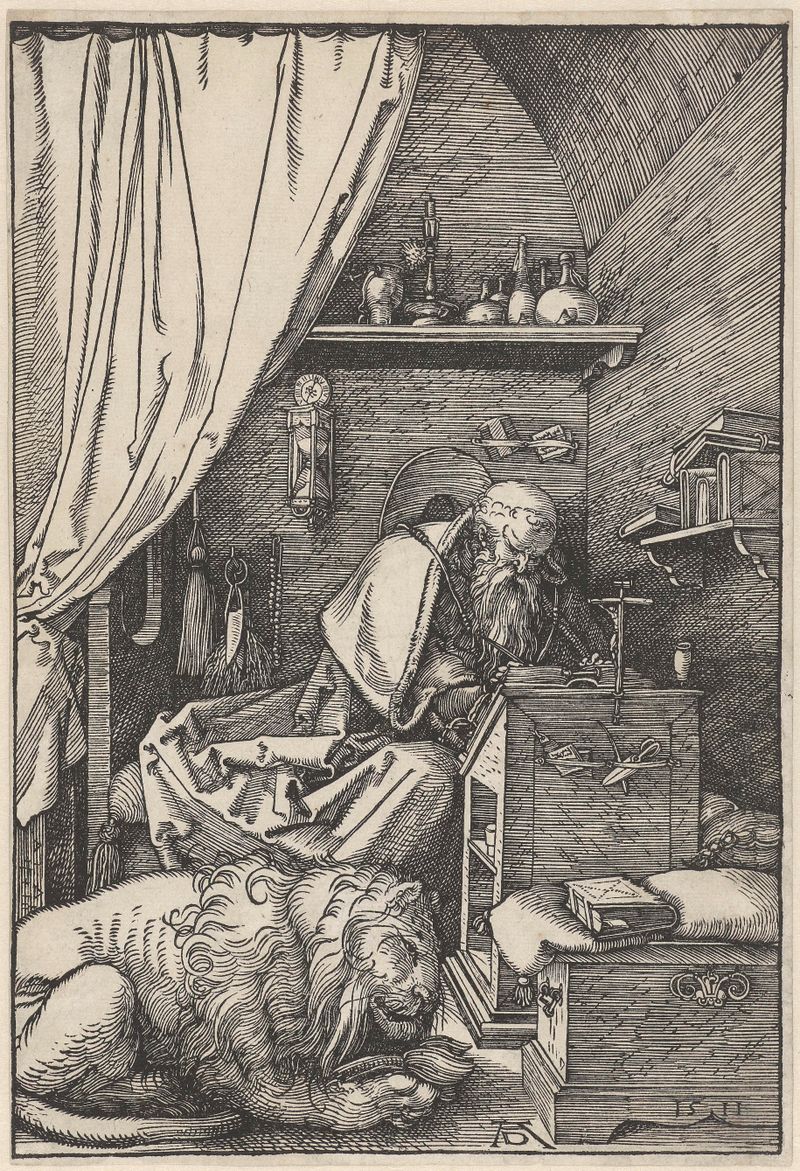
De Heilige Hiëronymus in zijn studeervertrek
Albrecht Dürer
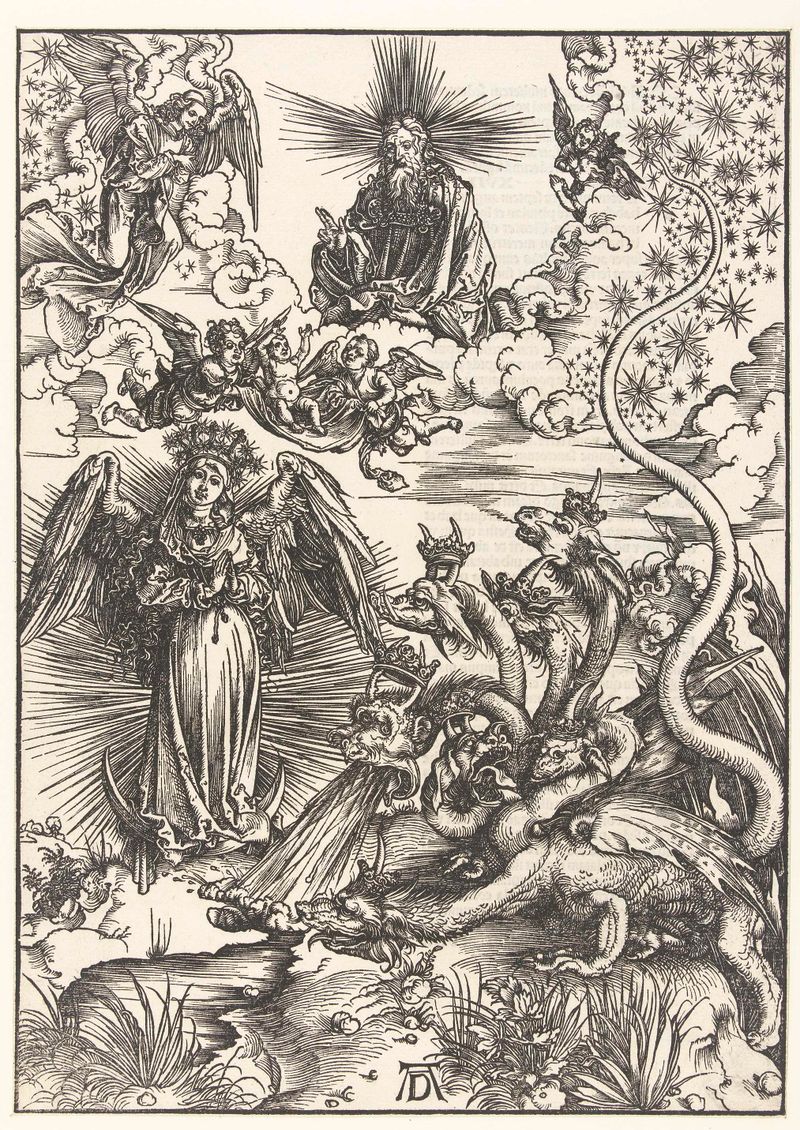
De apocalyptische vrouw en de zevenkoppige draak
Albrecht Dürer
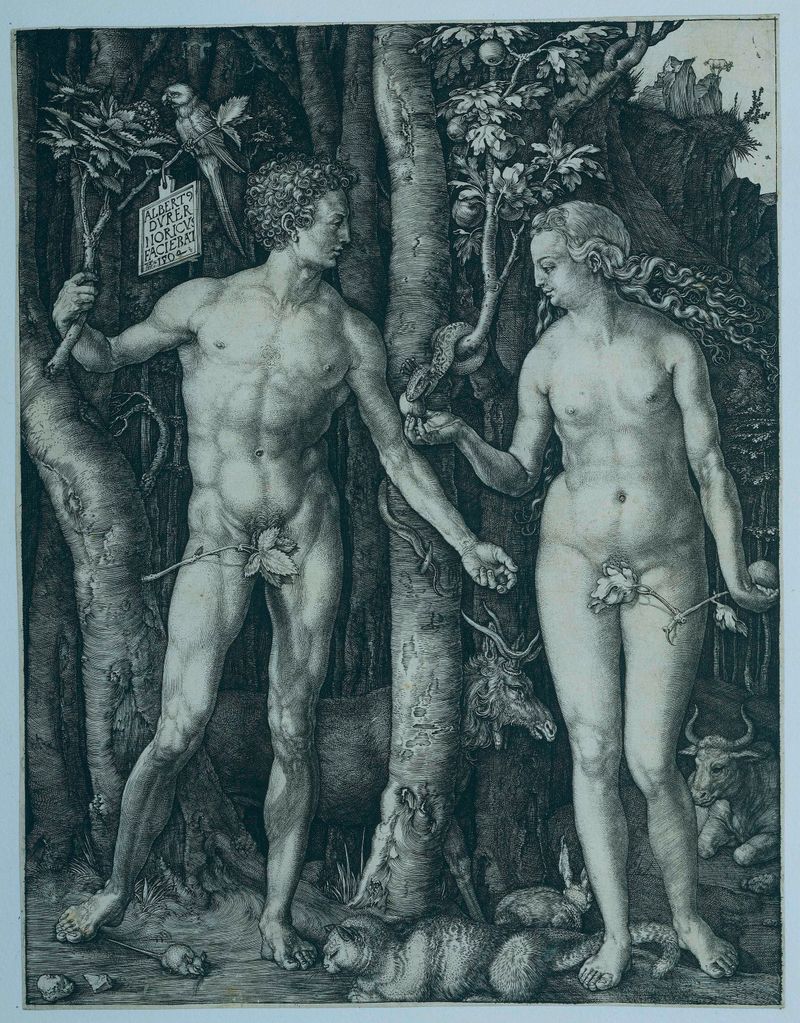
Adam en Eva
Albrecht Dürer
More Religious Art
Browse all →
The Return of the Prodigal Son
Rembrandt van Rijn

The Garden of Earthly Delights
El Bosco

Count Orgaz’ funeral
El Greco

The Hundred Guilder Print: the central piece with Christ preaching, the plate arched
Rembrandt van Rijn

The Descent from the Cross
Rogier van der Weyden

The return of the prodigal son
Rembrandt van Rijn