
De opwekking van de zoon van de weduwe te Naïn — History & Facts
Can paint confess what words never could? In De opwekking van de zoon van de weduwe te Naïn, the profound moment of transcendence is captured, revealing the silent dialogue between life and death. Look to the center of the canvas where the figure of the widow is kneeling, her posture a poignant blend of despair and hope. The artist uses rich, earthy tones that imbue the scene with a somber weight, while the gentle play of light illuminates the young man, suggesting a divine presence. Notice how the background recedes into shadow, drawing the eye towards the central figures, creating an intense focus that heightens the emotional stakes of the moment. Delve deeper, and you'll find layers of meaning embedded in the gestures and expressions.
The widow's anguished face juxtaposes against the serene countenance of the resurrected son, creating a visual tension that speaks of grief and the promise of renewal. The surrounding figures observe in hushed reverence, their stillness amplifying the intimacy of the miracle at hand, transforming a narrative of loss into one of profound spiritual awakening. The artist, active in early 16th-century Delft, painted this work in a period marked by religious reform and a growing fascination with human emotion. During 1503, the art world was shifting towards themes that celebrated the human experience, making this painting not merely a visual account of a biblical event but a testament to the complexities of faith and the depth of sorrow transformed into joy.
More Artworks by Master of Delft
Browse all →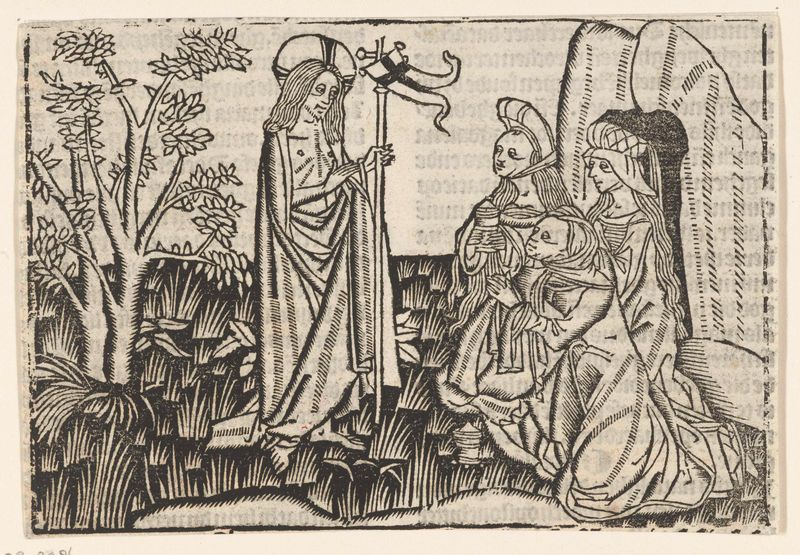
Christus verschijnt aan de drie Maria's
Master of Delft
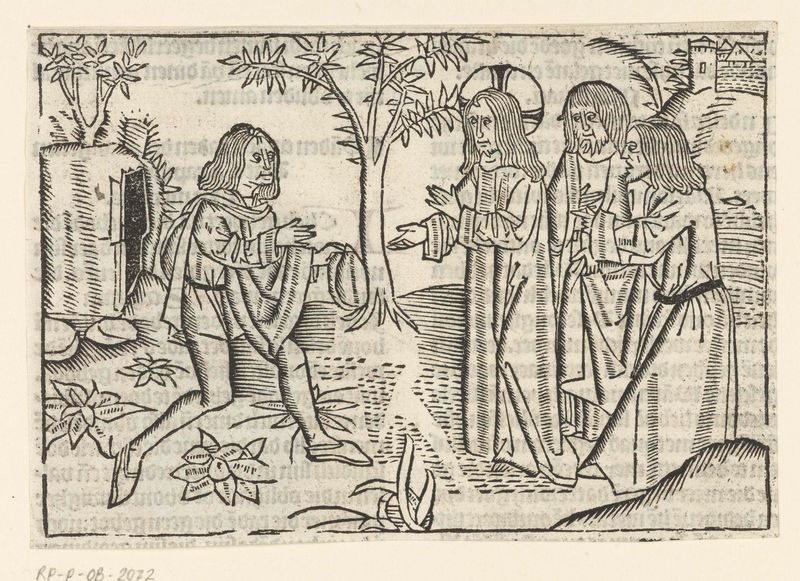
Christus en de rijke jongeling
Master of Delft
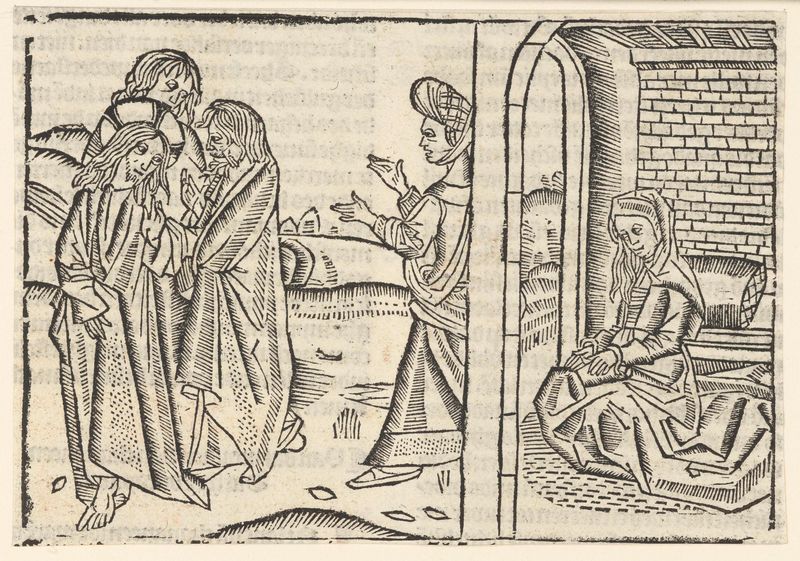
Christus en de Kanaänitische vrouw
Master of Delft
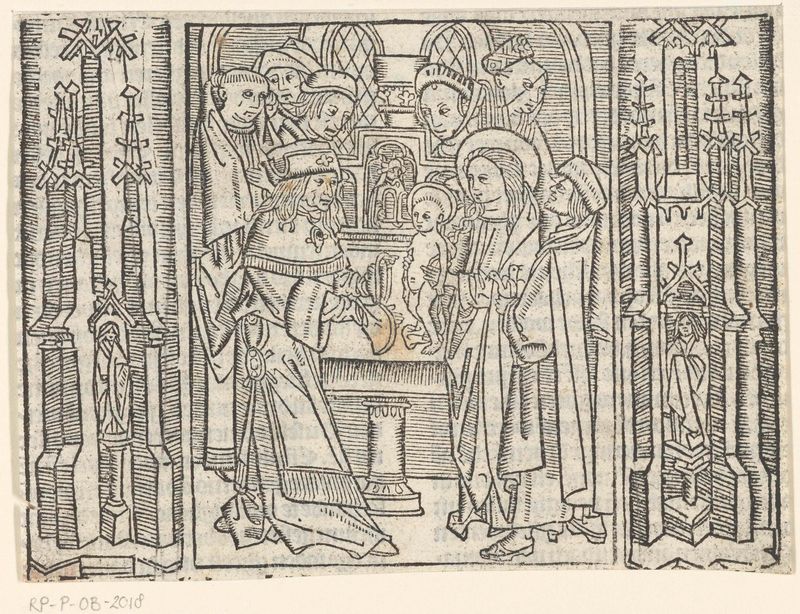
Presentatie van Christus in de tempel
Master of Delft
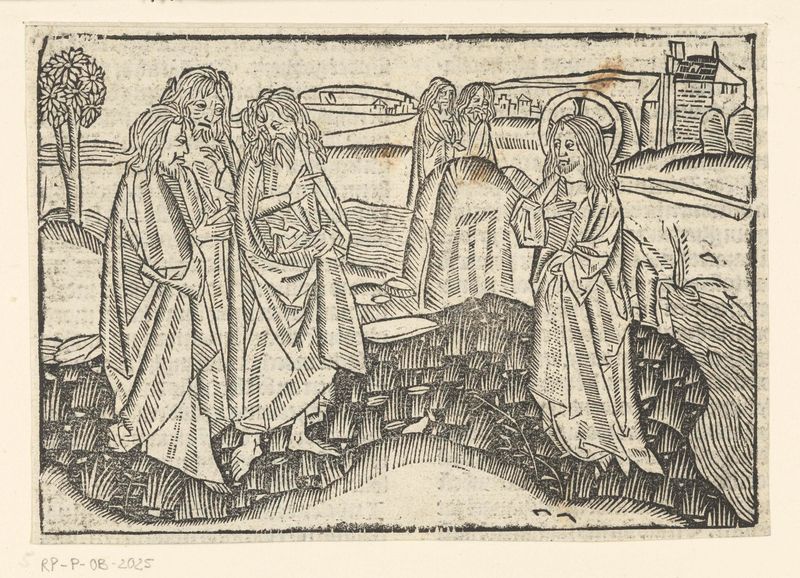
Christus kiest zijn eerste discipelen
Master of Delft
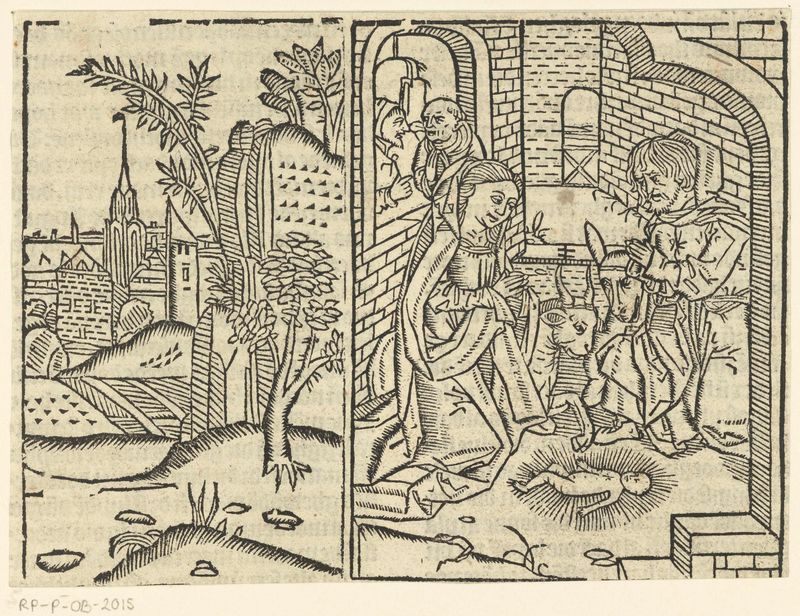
Geboorte van Christus
Master of Delft
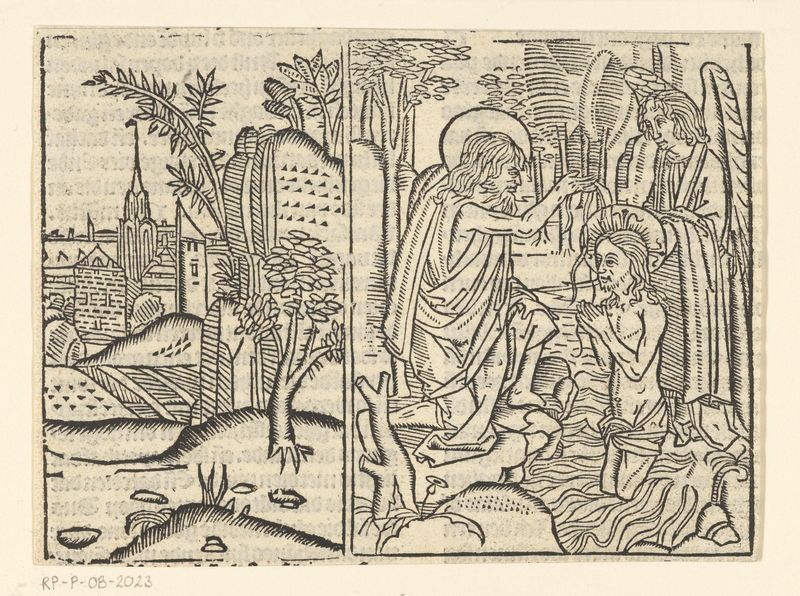
De doop van Christus in de Jordaan
Master of Delft
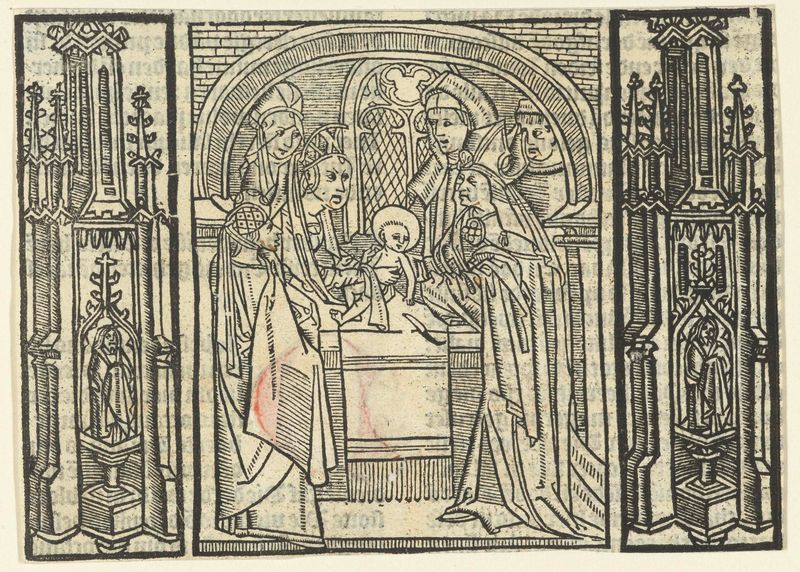
Besnijdenis van Christus
Master of Delft
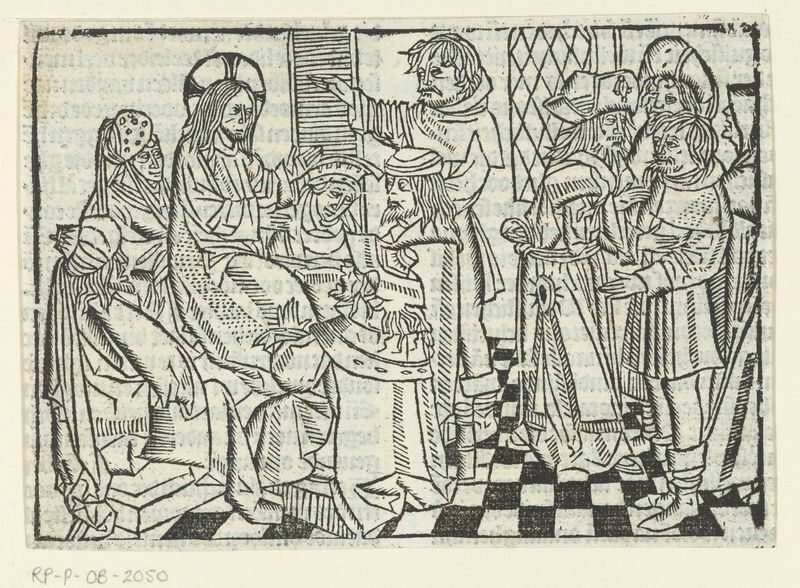
Christus geneest de man met een verdorde hand
Master of Delft
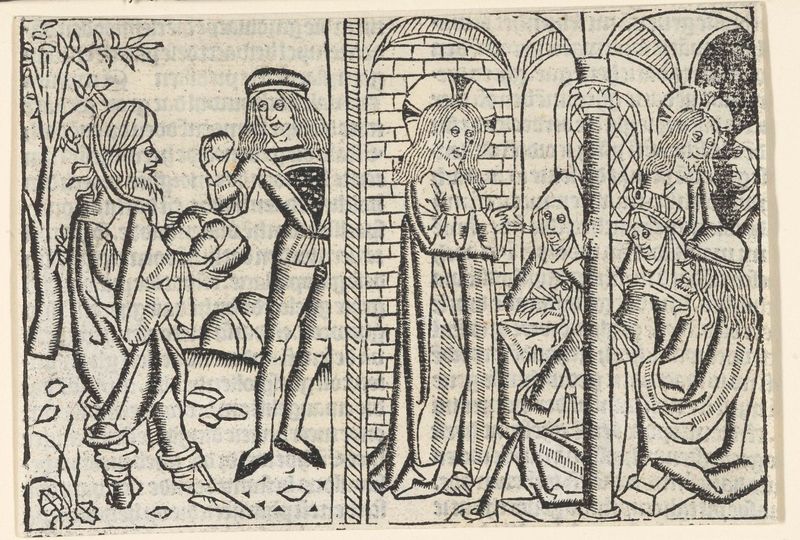
De Farizeeërs willen Christus stenigen
Master of Delft
More Religious Art
Browse all →
The Return of the Prodigal Son
Rembrandt van Rijn

The Garden of Earthly Delights
El Bosco

Count Orgaz’ funeral
El Greco

The Hundred Guilder Print: the central piece with Christ preaching, the plate arched
Rembrandt van Rijn

The Descent from the Cross
Rogier van der Weyden

The return of the prodigal son
Rembrandt van Rijn