
De opwekking van Lazarus — History & Facts
Movement resonates with life and death in De opwekking van Lazarus, inviting us to reflect on the transient nature of existence. Look to the center of the canvas where the moment of resurrection unfolds, capturing both despair and hope. The figure of Lazarus emerges, draped in a loose shroud, as hands reach out in both surprise and reverence. The artist’s use of chiaroscuro creates a dynamic interplay of light and shadow, illuminating faces marked by astonishment and fear, while deepening the surrounding darkness.
Color choices—rich earth tones contrasted with luminous whites—heighten the drama, as if the very essence of life is being awakened from slumber. Details offer profound layers of meaning; the contrasting emotions on the faces reflect humanity's struggle with mortality and the desire for salvation. Observe the gesture of the onlookers, a mix of disbelief and wonder, revealing a community caught between faith and skepticism. The subtle positioning of figures around Lazarus creates a circular movement, guiding the viewer’s eye and symbolizing the interconnectedness of life’s experiences—loss, resurrection, and the hope that follows. Created in 1503, this piece emerged during a period of rich innovation in Northern Renaissance art.
The artist, known as the Master of Delft, navigated a world shifting towards humanism, where the exploration of individual emotion became paramount. This work reflects not just a biblical moment but an era of transformation in art, seeking to capture the essence of human experience with unprecedented depth and sensitivity.
More Artworks by Master of Delft
Browse all →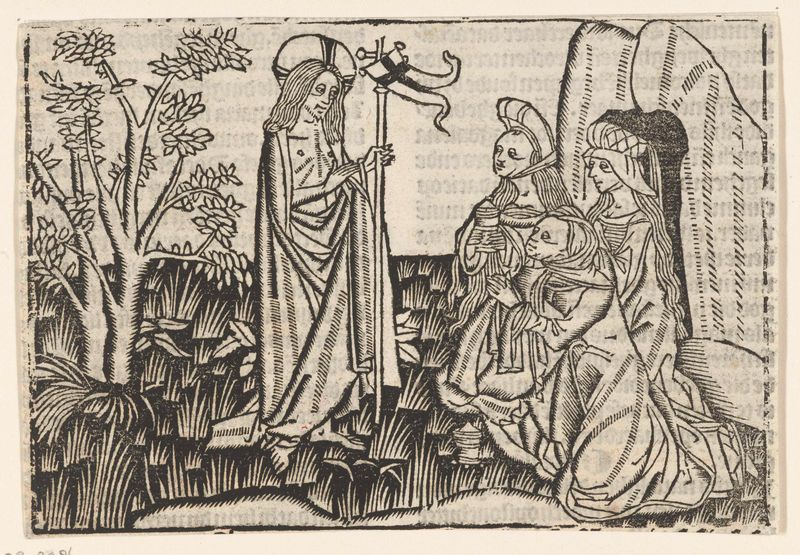
Christus verschijnt aan de drie Maria's
Master of Delft
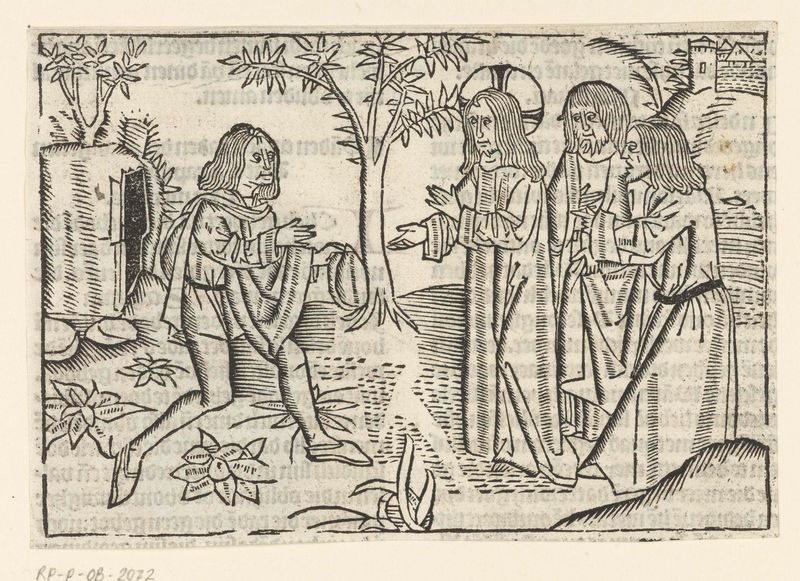
Christus en de rijke jongeling
Master of Delft
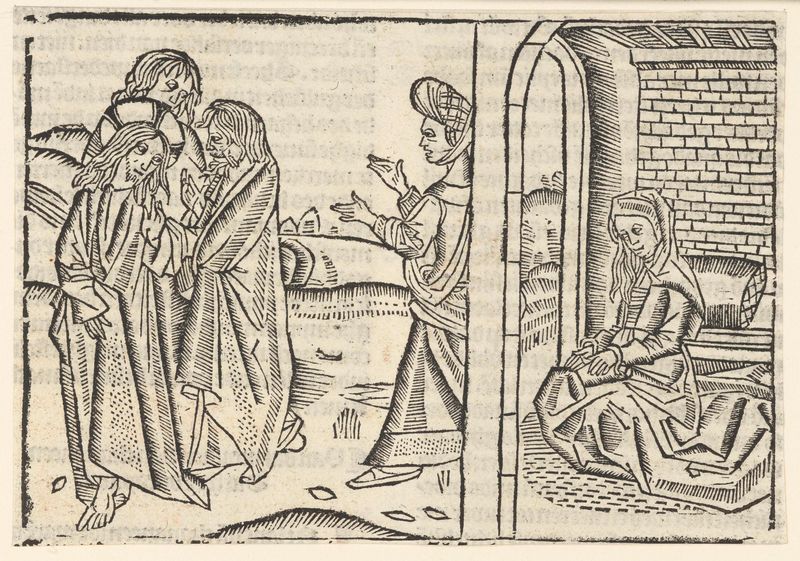
Christus en de Kanaänitische vrouw
Master of Delft
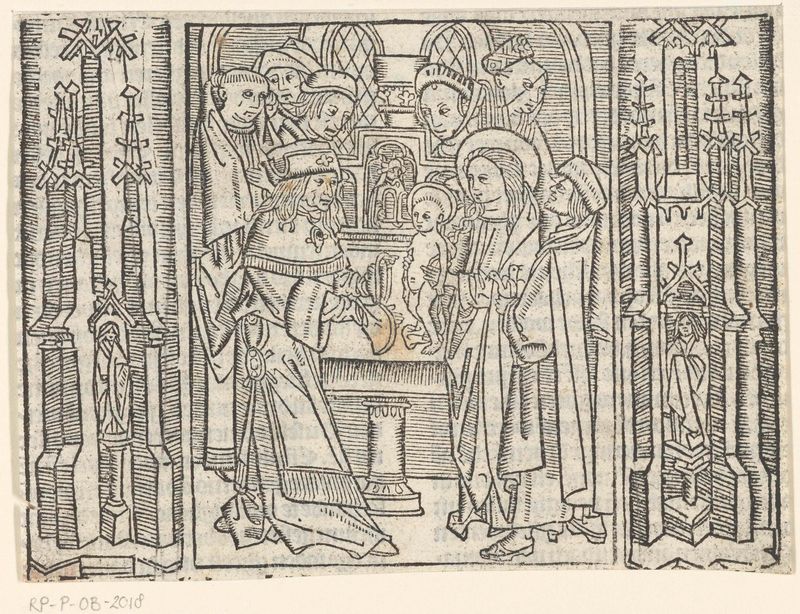
Presentatie van Christus in de tempel
Master of Delft
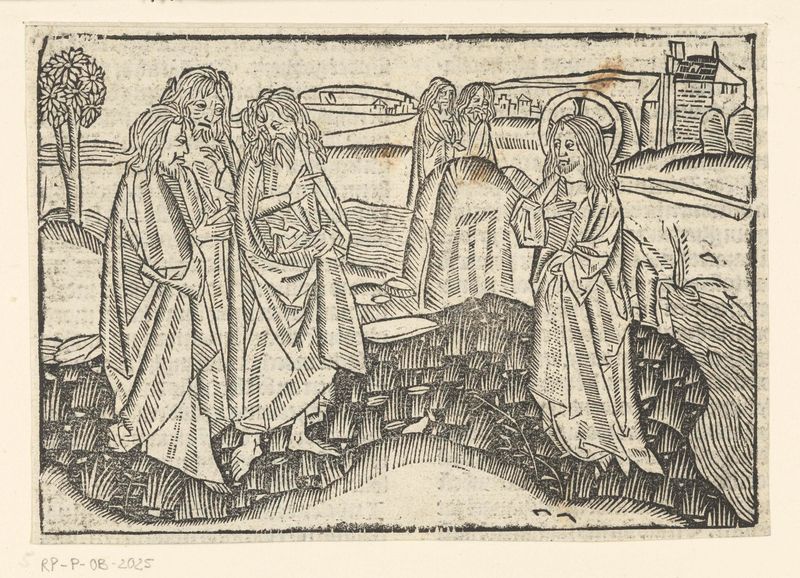
Christus kiest zijn eerste discipelen
Master of Delft
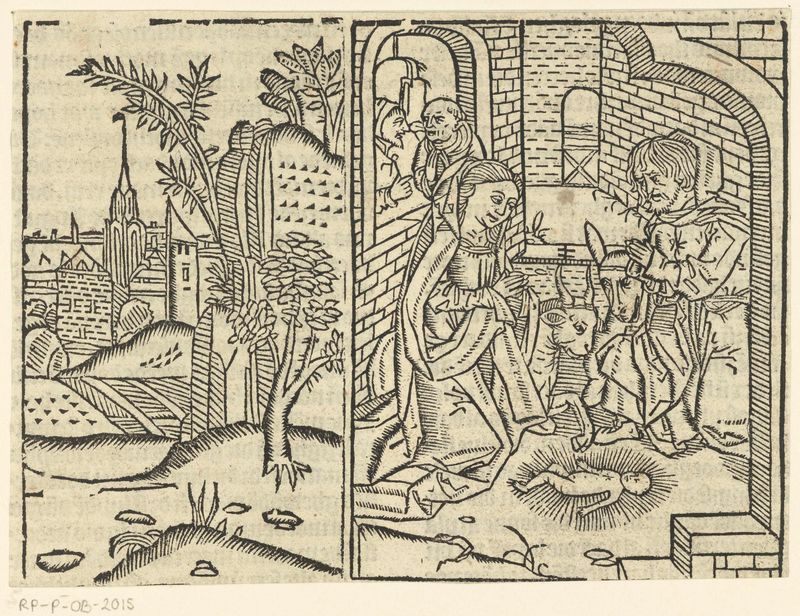
Geboorte van Christus
Master of Delft
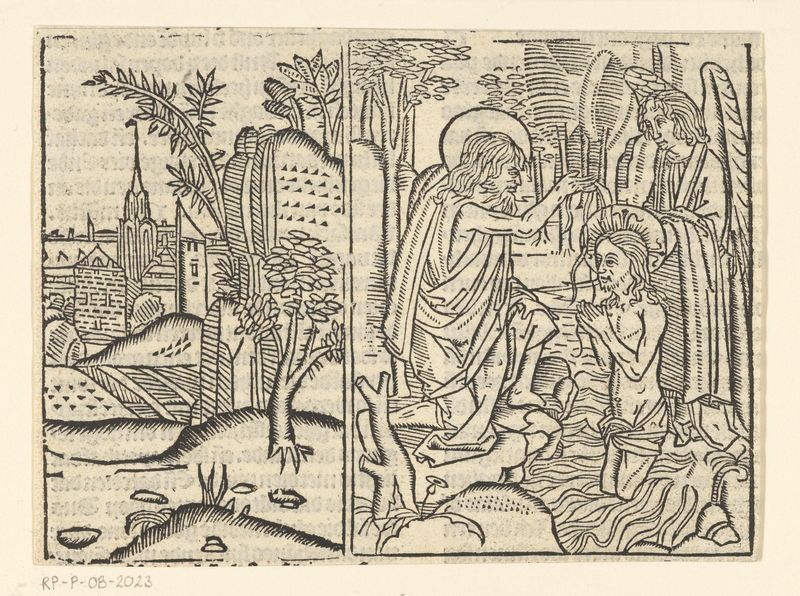
De doop van Christus in de Jordaan
Master of Delft
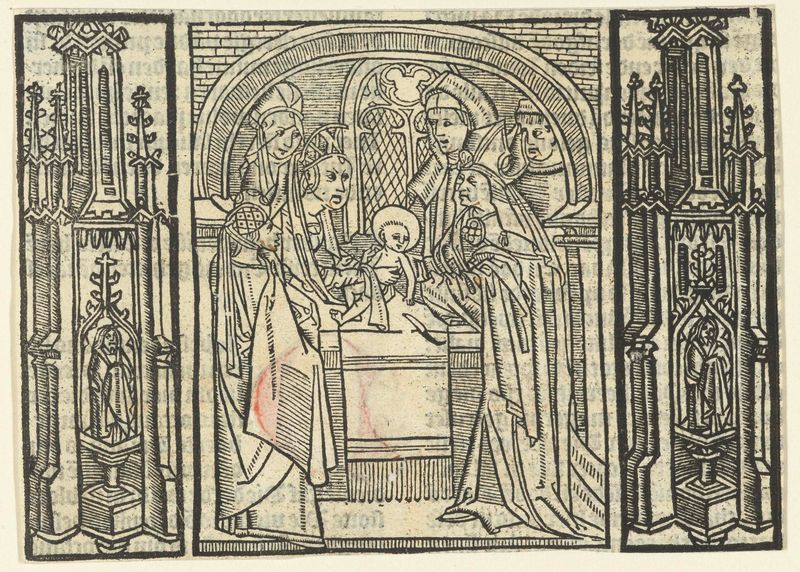
Besnijdenis van Christus
Master of Delft
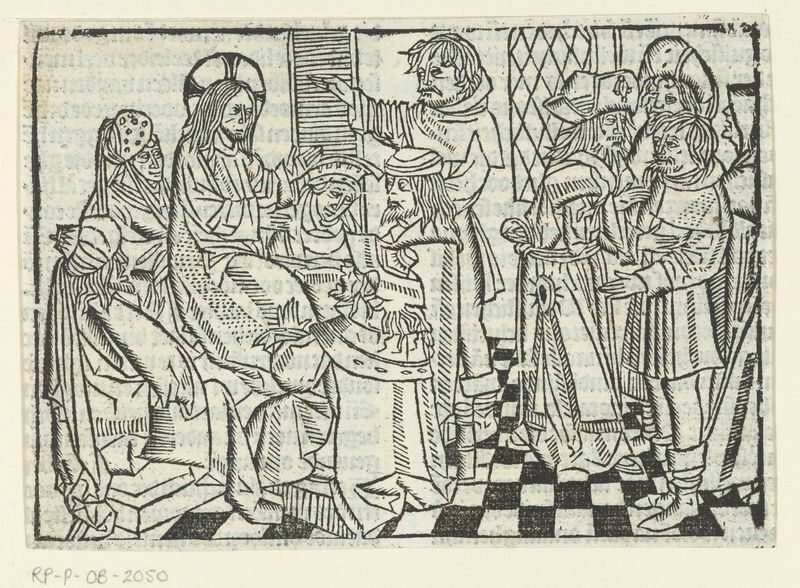
Christus geneest de man met een verdorde hand
Master of Delft
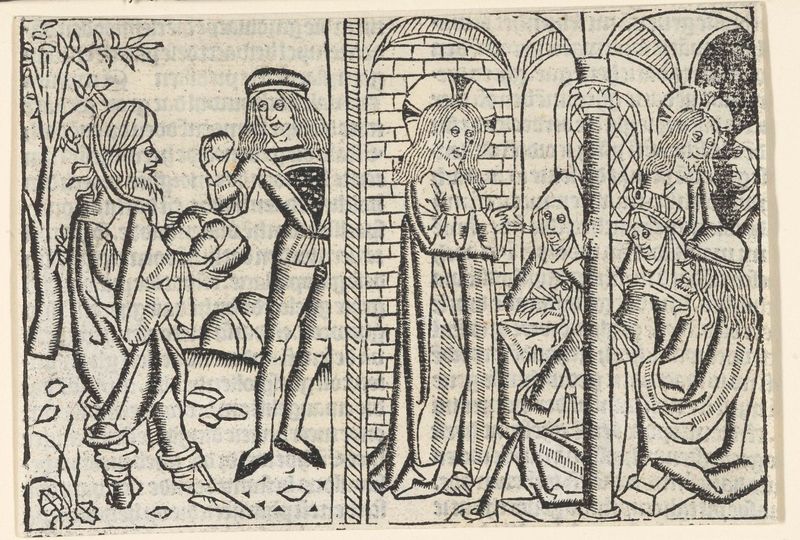
De Farizeeërs willen Christus stenigen
Master of Delft
More Religious Art
Browse all →
The Return of the Prodigal Son
Rembrandt van Rijn

The Garden of Earthly Delights
El Bosco

Count Orgaz’ funeral
El Greco

The Hundred Guilder Print: the central piece with Christ preaching, the plate arched
Rembrandt van Rijn

The Descent from the Cross
Rogier van der Weyden

The return of the prodigal son
Rembrandt van Rijn