
De poel met populieren — History & Facts
In the stillness of a moment, silence wraps around the viewer like a soft shroud, inviting contemplation. One can’t help but wonder: what secrets does this tranquil pool conceal beneath its surface? Look to the foreground, where the water mirrors a cluster of towering poplar trees. Their slender forms stretch elegantly against the canvas, their reflections quivering slightly on the water’s glassy skin.
Notice how Ensor employs rich, muted greens and browns, capturing the essence of nature's serenity while hinting at deeper undertones of melancholy. The composition is masterfully balanced, guiding the eye through the peaceful interplay of natural elements. Within this serene landscape lies a profound contrast: the stillness of the scene juxtaposes the tumultuous emotions that often accompany solitude. The poplars, standing alert yet isolated, evoke a sense of longing that resonates with the viewer.
Delve into the details—the subtle ripples in the water whisper of movement and life beneath the surface, while the muted palette suggests a world caught between beauty and desolation. In 1889, James Ensor painted this piece during a time of personal introspection and artistic exploration in Ostend, Belgium. The late 19th century saw him delving into themes of identity and existence, often grappling with the dichotomy of joy and sorrow in his works. De poel met populieren emerges from this rich context, encapsulating the artist's evolving style and the silent struggles of life surrounding him.
More Artworks by James Ensor
Browse all →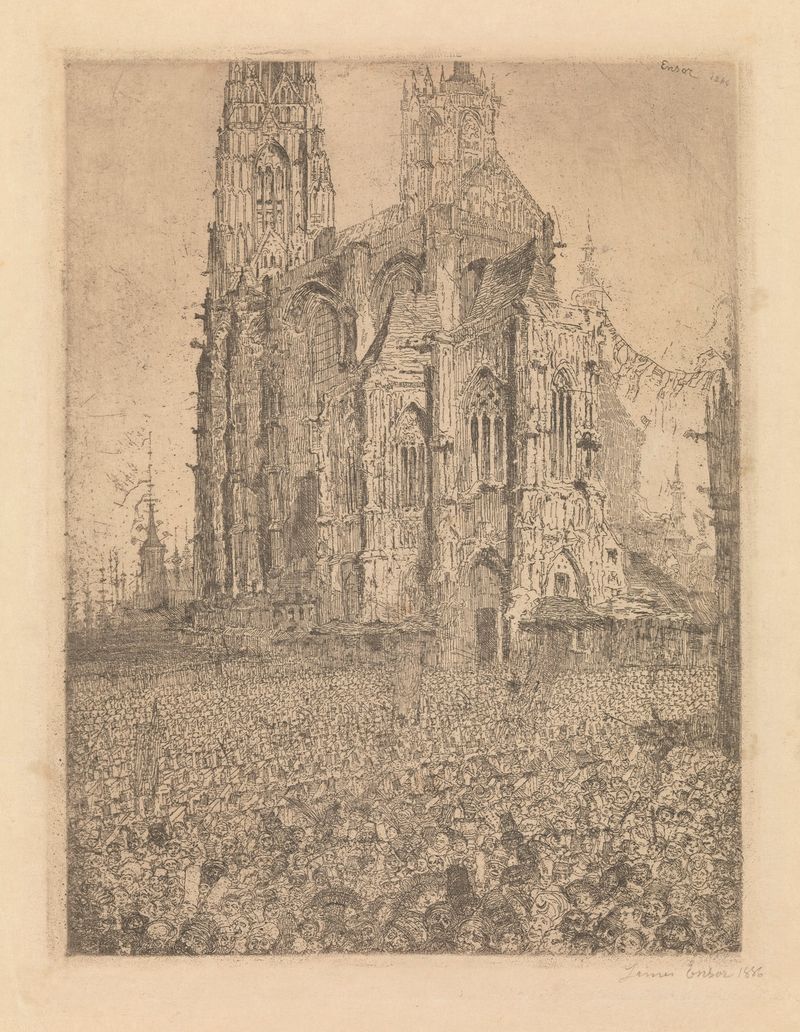
The Cathedral
James Ensor
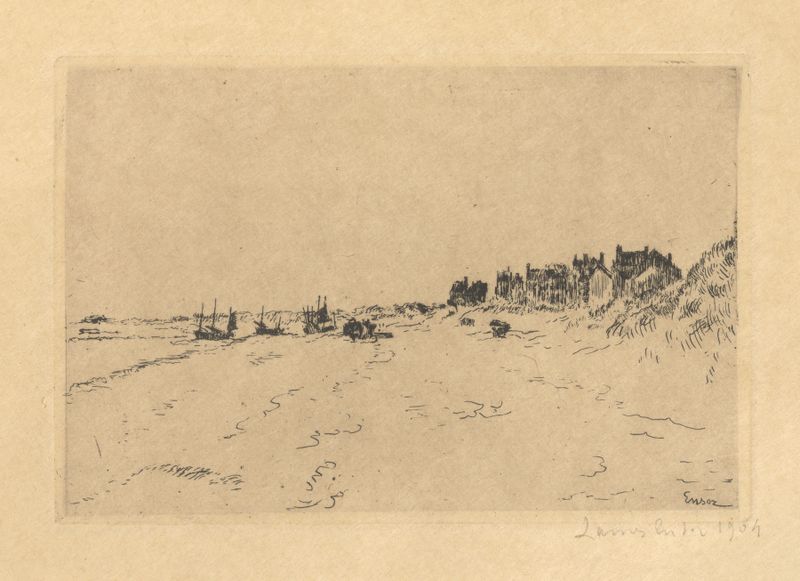
Het strand van De Panne
James Ensor
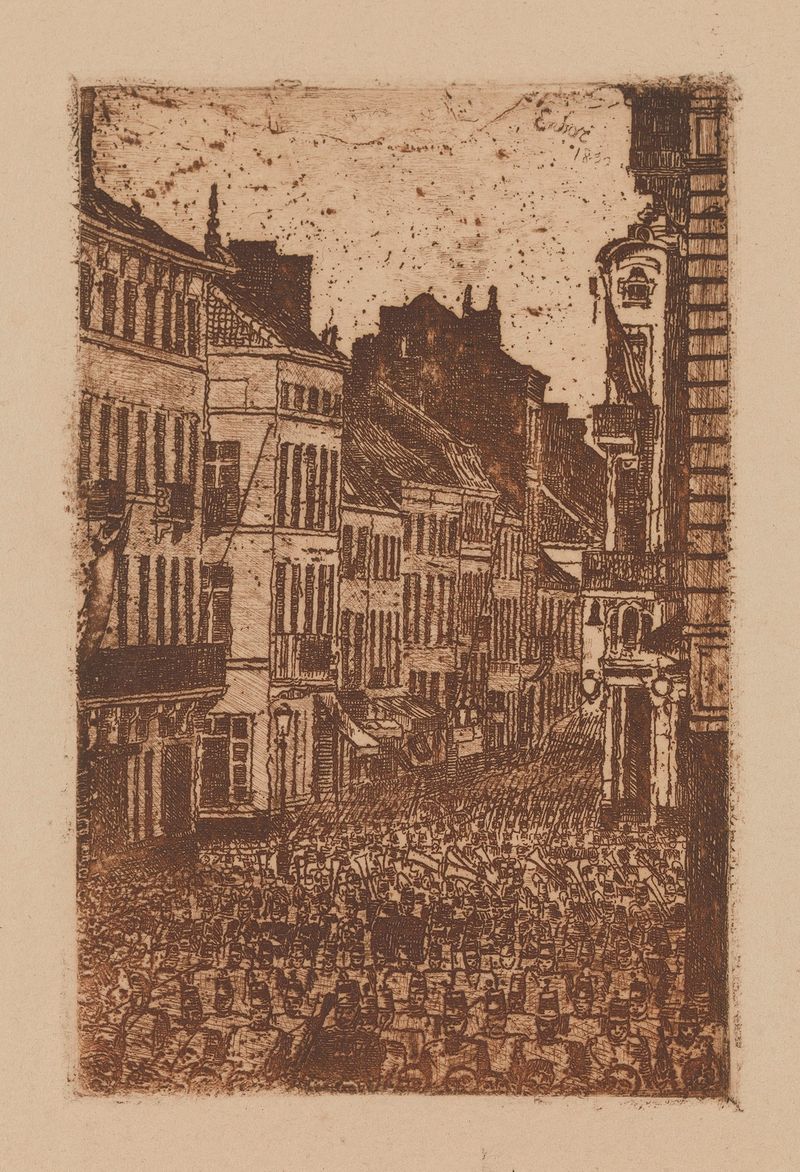
The Music in the rue de Flandre, Ostend
James Ensor
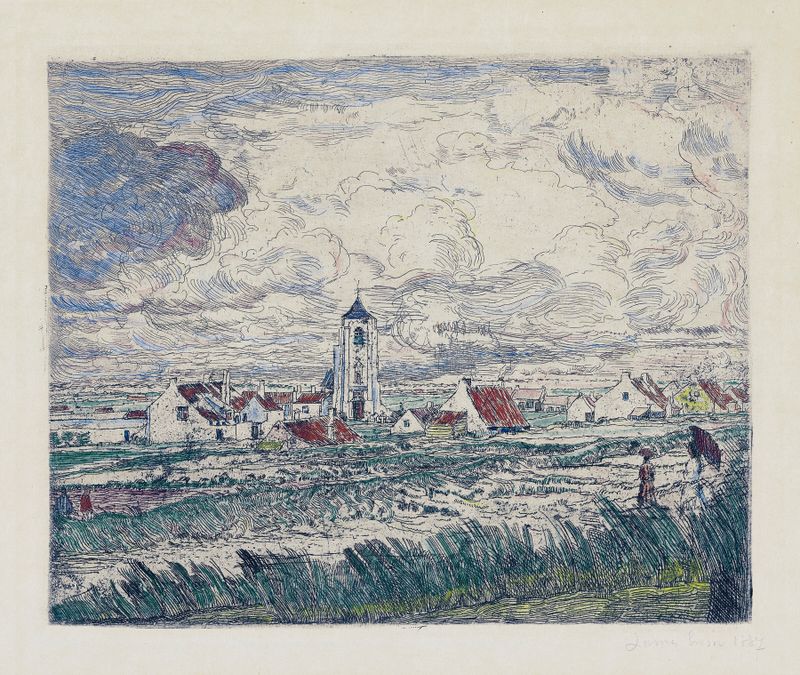
Grande vue de Mariakerke
James Ensor
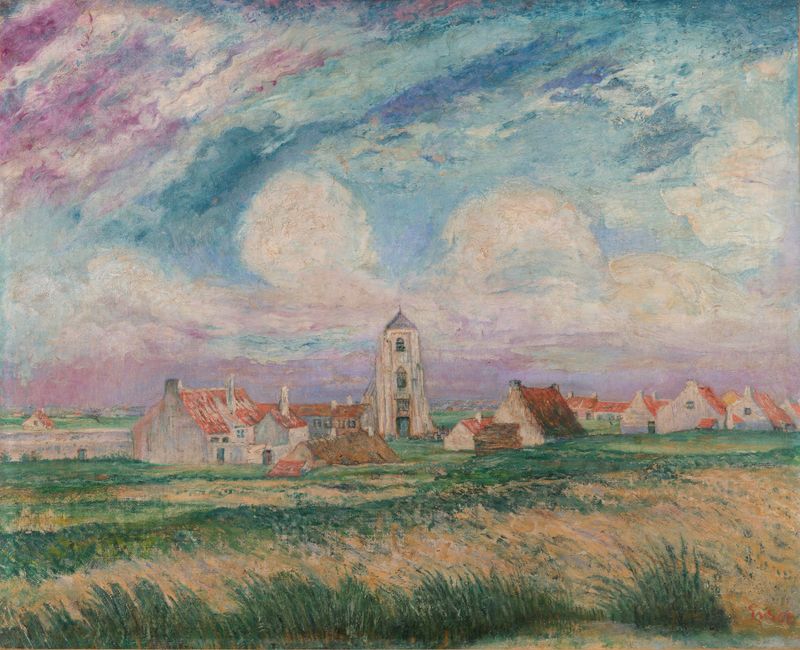
View of Mariakerke
James Ensor
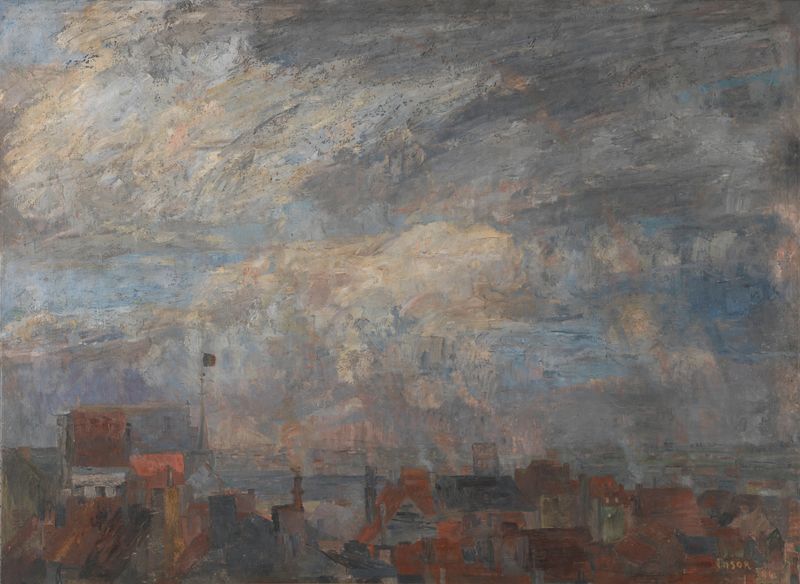
The Rooftops of Ostend
James Ensor
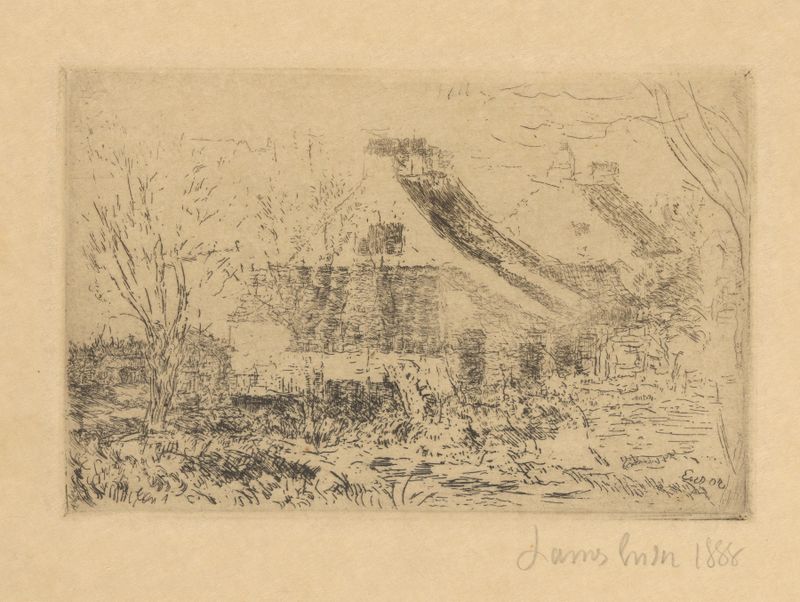
Huisjes in Mariakerke
James Ensor
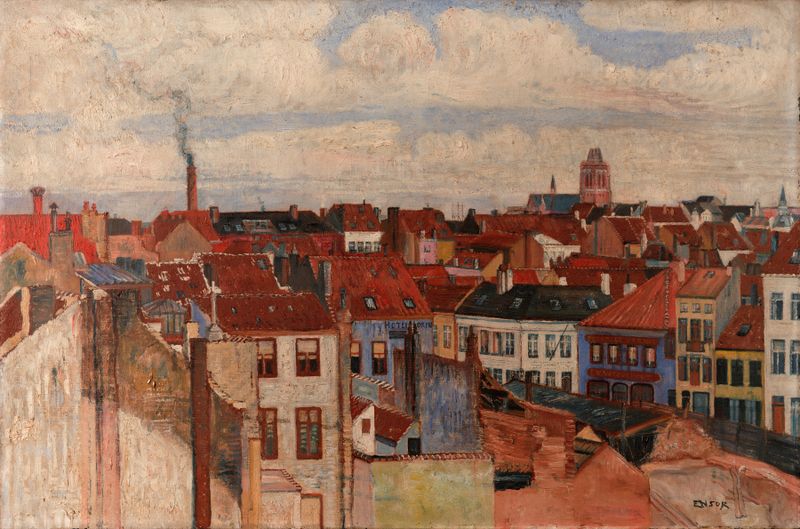
The rooftops of Ostend
James Ensor
The Music in the rue de Flandre, Ostend
James Ensor
Verovering van een vreemde stad
James Ensor





