
De rijke man en Lazarus — History & Facts
In the realm of shadows, the truth often lingers, concealed within the depths of absence and neglect. The interplay of light and dark in this piece serves as a haunting reminder of the human condition, where wealth and poverty coexist yet remain worlds apart. Look to the left at the opulent figure, draped in luxurious fabrics. His rich attire stands in stark contrast to the emaciated form of Lazarus, positioned at the foot of his gate.
The masterful use of chiaroscuro highlights the textures of both their worlds — the sumptuousness of the rich man’s garments against the roughness of Lazarus’s skin. Notice how the muted earth tones envelop Lazarus, suggesting the weight of suffering, while the rich man is bathed in vibrant hues that evoke a false sense of security. Beneath the surface, the painting reveals the emotional rift between the two figures. The rich man’s gaze, fixed ahead, speaks of indifference, while Lazarus’s forlorn expression conveys a desperate yearning for human connection.
The dogs, licking Lazarus’s wounds, symbolize the cruelties of fate and serve as a reminder that sometimes the most vulnerable have companions that are more faithful than men. This visceral contrast stirs a reflection on societal apathy and the often unacknowledged pain of those in need. Jan Swart van Groningen created De rijke man en Lazarus during a period that saw the rise of humanism and a growing interest in moralistic themes within art. Painted in the early 16th century, while living in the Netherlands, he was part of a movement that sought to depict biblical narratives with profound social implications.
The cultural landscape of the time, marked by religious reformation and economic change, influenced his exploration of wealth, poverty, and the moral obligations humans have toward one another.
More Artworks by Jan Swart van Groningen
Browse all →
Titelblad Nieuwe Testament
Jan Swart van Groningen

Aanbidding der drie koningen
Jan Swart van Groningen
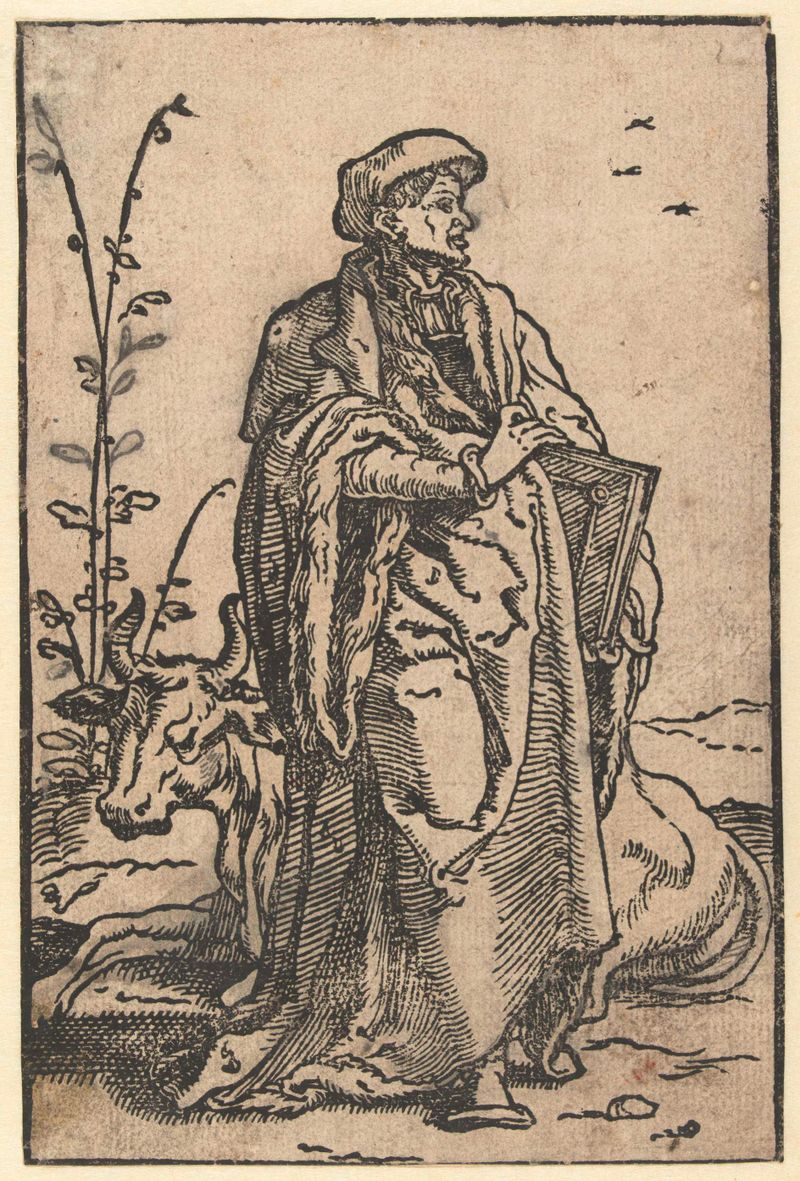
Evangelist Lucas
Jan Swart van Groningen
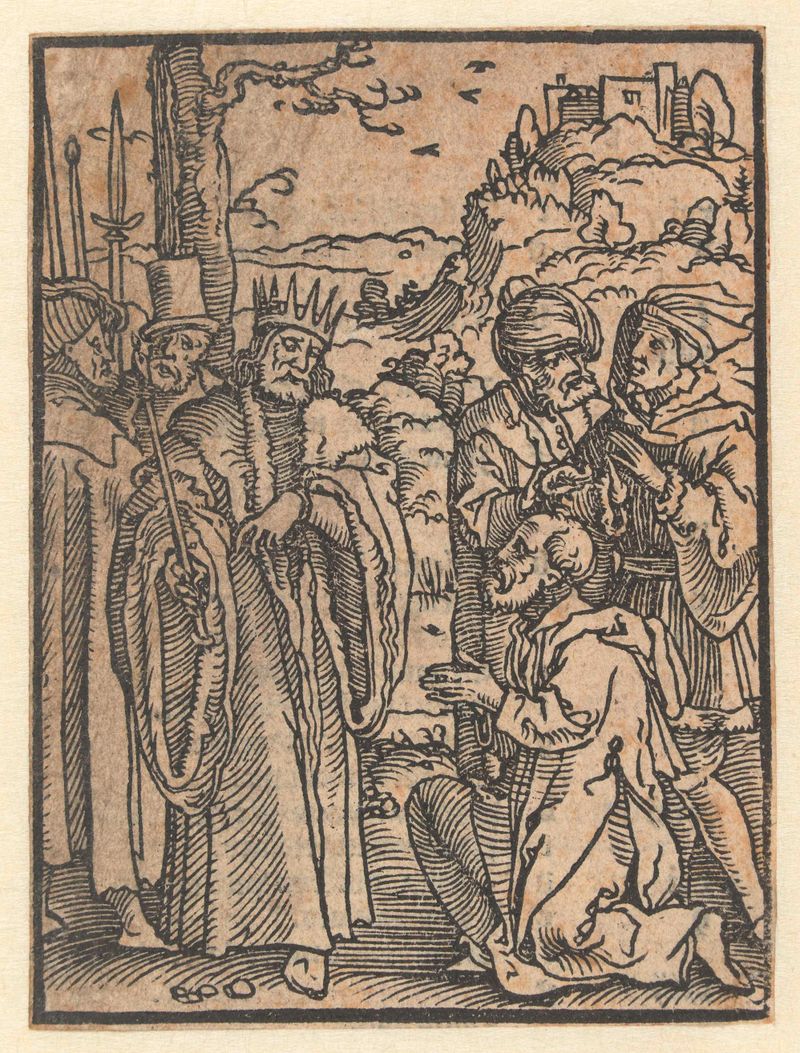
Cyrus laat de Israëlieten terugkeren naar Jerusalem
Jan Swart van Groningen

Soleiman de Grote
Jan Swart van Groningen
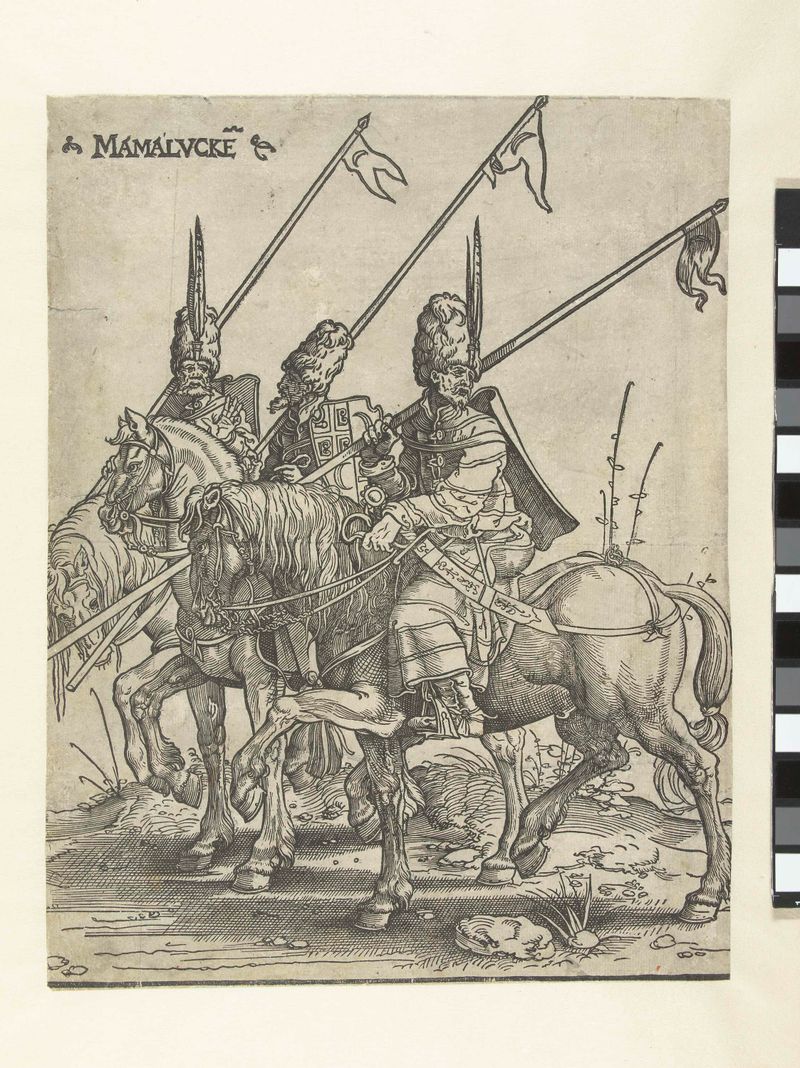
Drie Mamelukken te paard
Jan Swart van Groningen
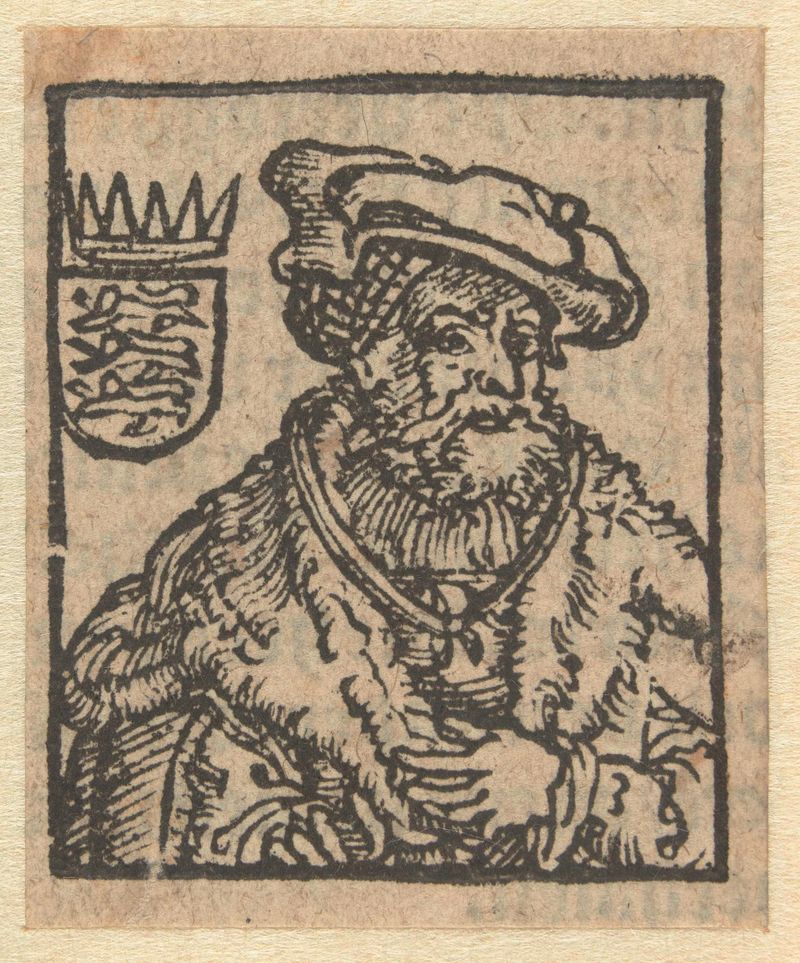
Portret van Christiaan II van Denemarken
Jan Swart van Groningen
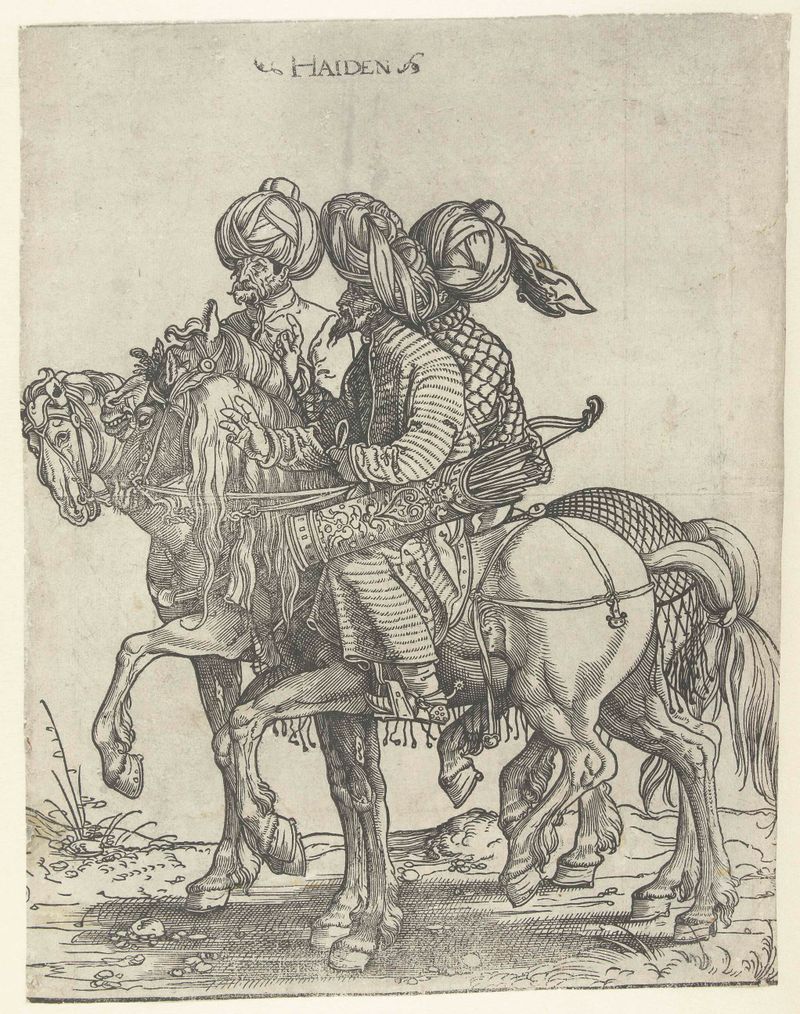
Drie boogschutters te paard
Jan Swart van Groningen

Portret van Karel V
Jan Swart van Groningen

Drie trompetters te paard
Jan Swart van Groningen
More Religious Art
Browse all →
The Return of the Prodigal Son
Rembrandt van Rijn

The Garden of Earthly Delights
El Bosco

Count Orgaz’ funeral
El Greco

The Hundred Guilder Print: the central piece with Christ preaching, the plate arched
Rembrandt van Rijn

The Descent from the Cross
Rogier van der Weyden

The return of the prodigal son
Rembrandt van Rijn