
Drie boogschutters te paard — History & Facts
Did the painter know this moment would outlive them? A stillness hangs in the air, capturing not just a scene, but a fragment of time where silence speaks volumes. Look to the left at the trio of horsemen, poised elegantly in their ornate attire, arrows nocked and ready. The meticulous detailing of their garments, adorned with intricate patterns, invites the viewer to explore the craftsmanship and artistry of the period. Notice how the light delicately caresses the horses' coats, highlighting their muscular forms and the tension in their stance, as if they are about to spring into action.
The background is a soft blur, allowing the figures to command attention, underscoring their significance in this fleeting moment. Delve deeper into the composition, where unity and anticipation intertwine. The horsemen, despite being separate entities, form a cohesive unit, embodying camaraderie and purpose. The silent dialogue among them hints at an unspoken understanding, revealing the essence of teamwork in the face of uncertainty.
Their expressions, though stoic, raise questions about the stakes of their endeavor—do they prepare for a hunt or for battle? The ambiguity enhances the emotional depth, transforming the scene into a meditation on duty and valor. In 1526, during the height of the Northern Renaissance, Jan Swart van Groningen was creating this work amid a flourishing artistic landscape. Operating largely in the Northern Netherlands, he was influenced by the burgeoning interest in realism and individualism, yet this piece also reflects the traditions of medieval chivalry. The artist’s exploration of human emotion and interaction, set against a backdrop of societal change, resonates with the evolving perceptions of heroism in his time.
More Artworks by Jan Swart van Groningen
Browse all →
Titelblad Nieuwe Testament
Jan Swart van Groningen

Aanbidding der drie koningen
Jan Swart van Groningen
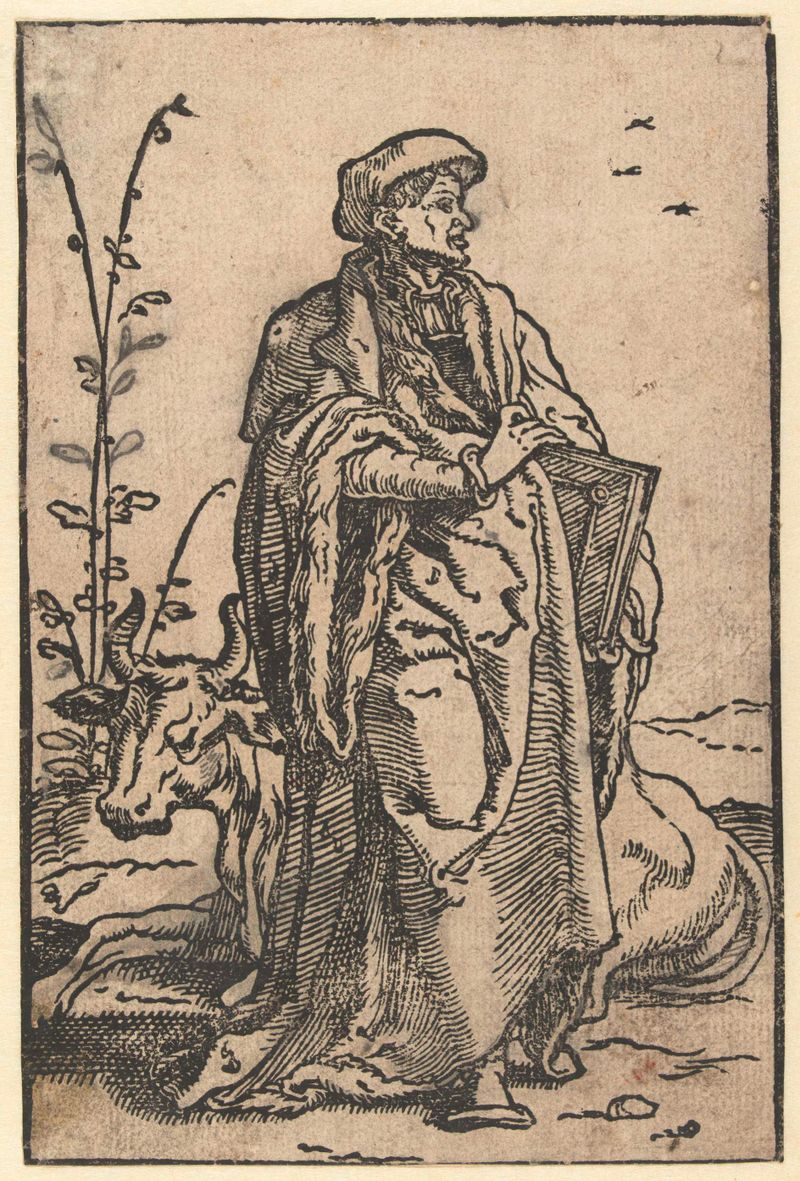
Evangelist Lucas
Jan Swart van Groningen
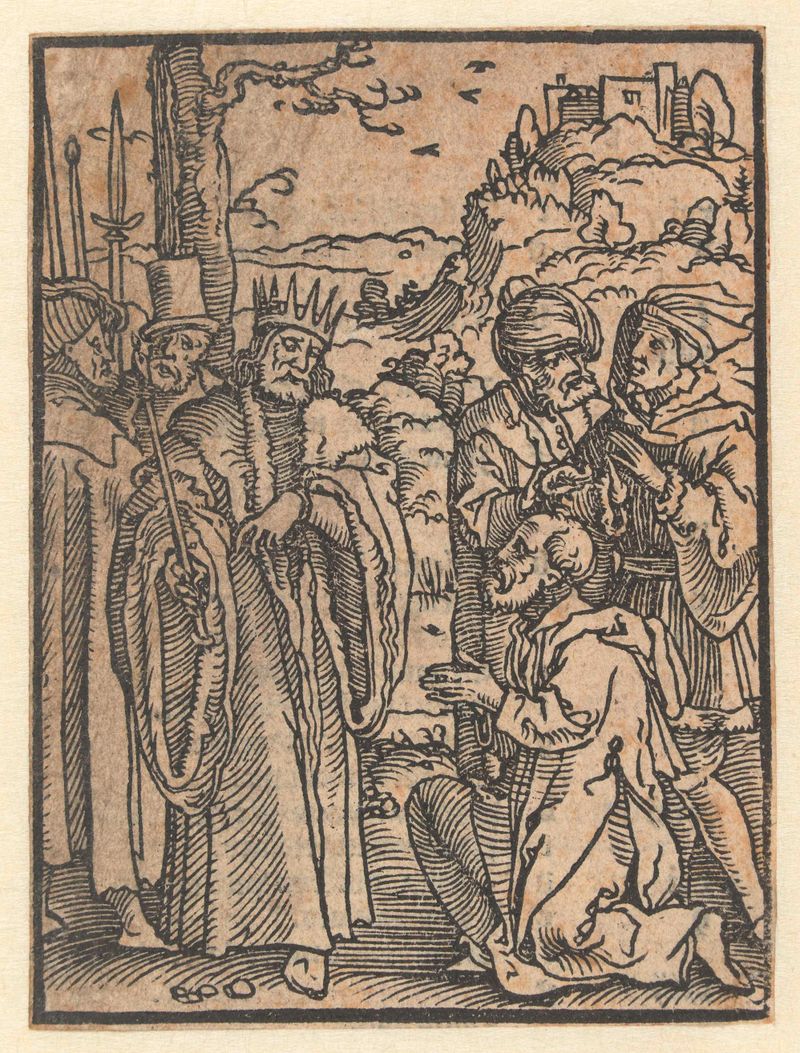
Cyrus laat de Israëlieten terugkeren naar Jerusalem
Jan Swart van Groningen

Soleiman de Grote
Jan Swart van Groningen
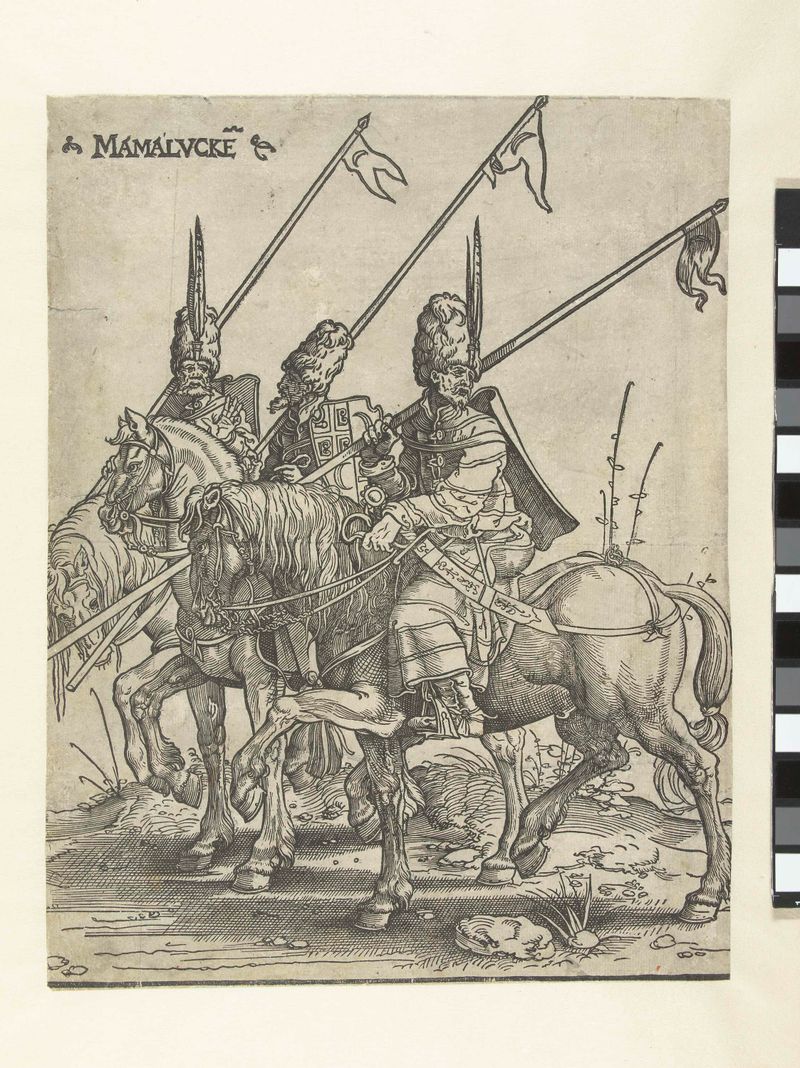
Drie Mamelukken te paard
Jan Swart van Groningen
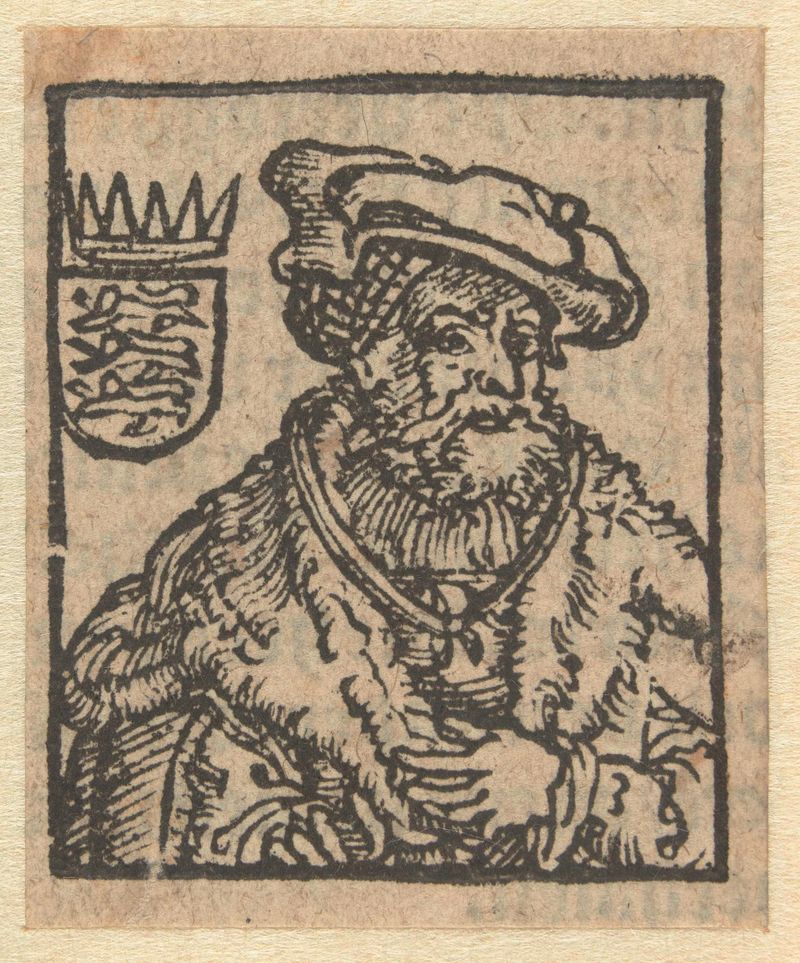
Portret van Christiaan II van Denemarken
Jan Swart van Groningen

Portret van Karel V
Jan Swart van Groningen

Drie trompetters te paard
Jan Swart van Groningen

De rijke man en Lazarus
Jan Swart van Groningen
More Historical Art
Browse all →
The Night Watch Militia Company of District II under the Command of Captain Frans Banninck Cocq
Rembrandt van Rijn

Lincoln Memorial
Henry Bacon

The Third of May 1808
Francisco de Goya

Isaac and Rebecca, Known as ‘The Jewish Bride’
Rembrandt van Rijn

The Charge of the Mamelukes (1814)
Francisco de Goya

De vier ruiters van de apocalyps
Albrecht Dürer