
Cyrus laat de Israëlieten terugkeren naar Jerusalem — History & Facts
In the vast emptiness of displacement, the echoes of lost hope resonate deeply, urging the viewer to confront the weight of absence. Focus on the central figure of Cyrus, cloaked in regal splendor, commanding the scene with a blend of authority and compassion. Notice how the muted palette of ochres and deep blues envelops the background, fostering a poignant atmosphere of longing. The rays of light filtering through the figures highlight the delicate expressions on the faces of the returning Israelites, capturing their complex emotions—joy intertwined with sorrow.
Each gesture, each glance, tells a story of resilience reborn amidst desolation. The composition reveals a rich tapestry of contrasts: the power of a king juxtaposed with the fragility of his subjects. Observe how the rigid posture of Cyrus commands the frame while the weary bodies of the Israelites invoke vulnerability and hope. The tension between the promise of return and the ghost of what was lost invites contemplation on migration and redemption, emphasizing the emotional weight of the moment. In 1528, Jan Swart van Groningen painted this work during a period where Northern Europe was undergoing significant religious and political upheaval.
Living in the wake of the Reformation, he engaged with themes of identity and belonging, reflecting the struggles and aspirations of a society in flux. This piece encapsulates a moment of profound transition, both for its historical context and the universal experience of yearning for home.
More Artworks by Jan Swart van Groningen
Browse all →
Titelblad Nieuwe Testament
Jan Swart van Groningen

Aanbidding der drie koningen
Jan Swart van Groningen
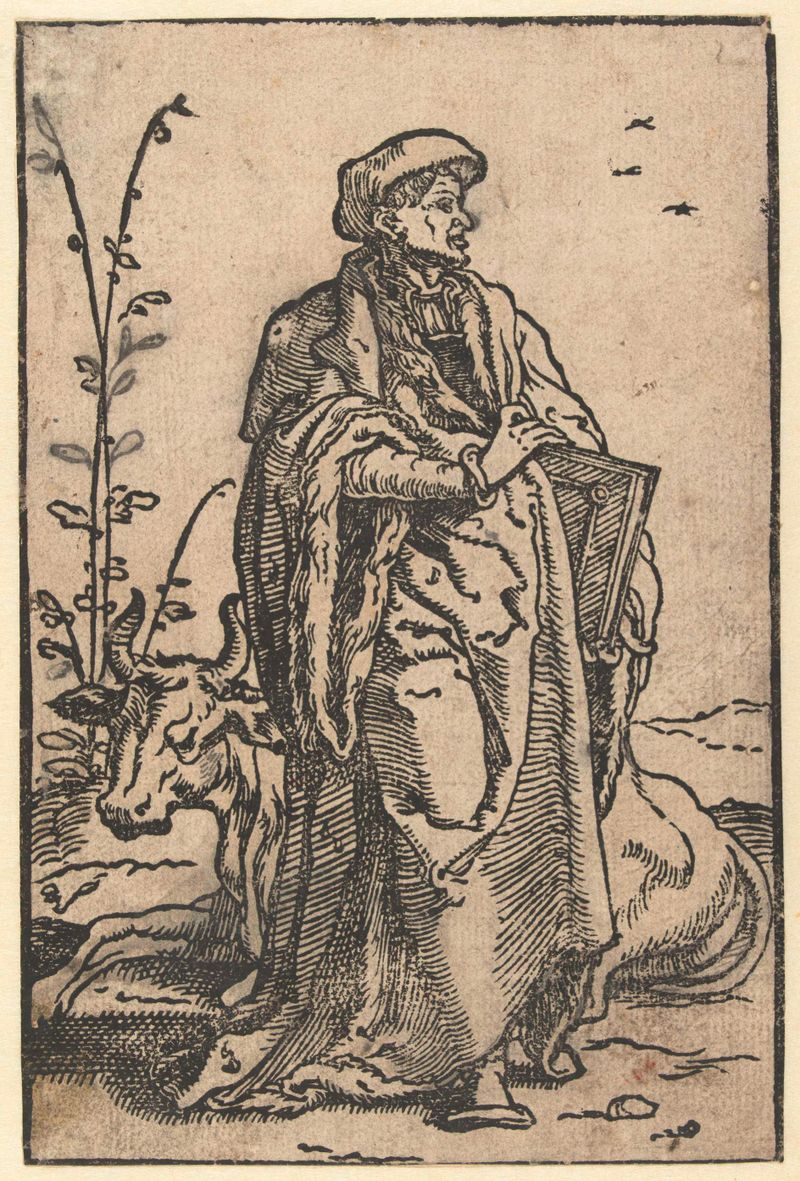
Evangelist Lucas
Jan Swart van Groningen

Soleiman de Grote
Jan Swart van Groningen
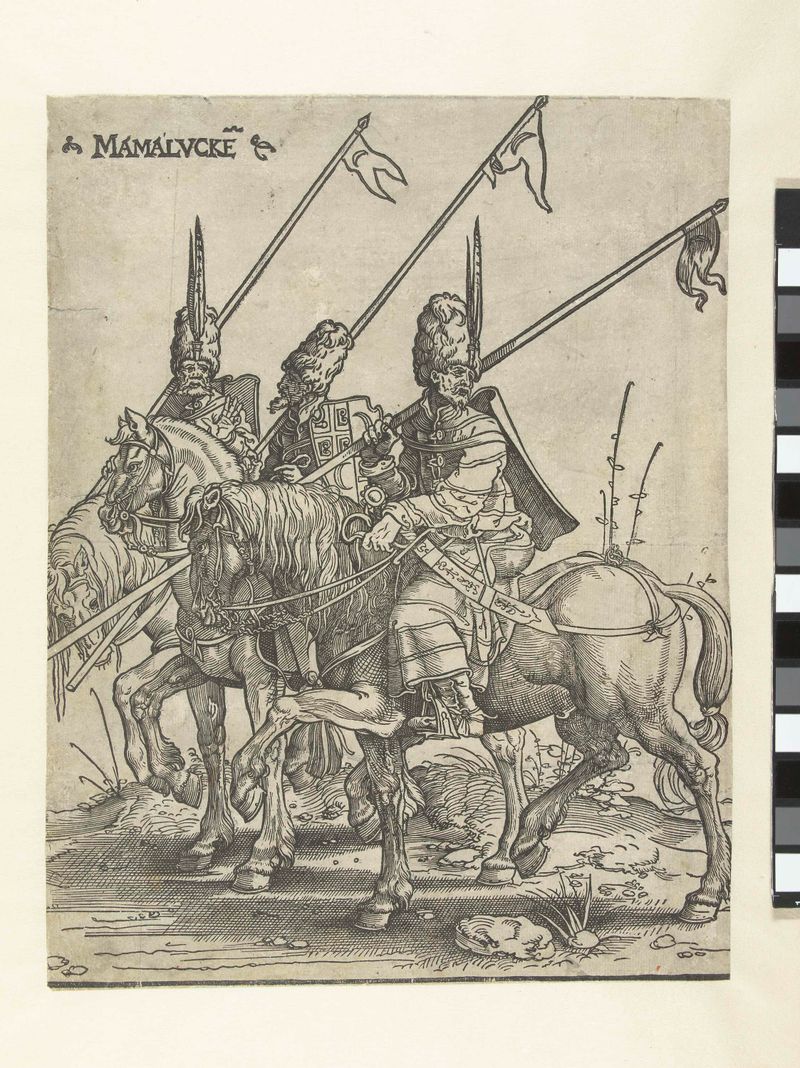
Drie Mamelukken te paard
Jan Swart van Groningen
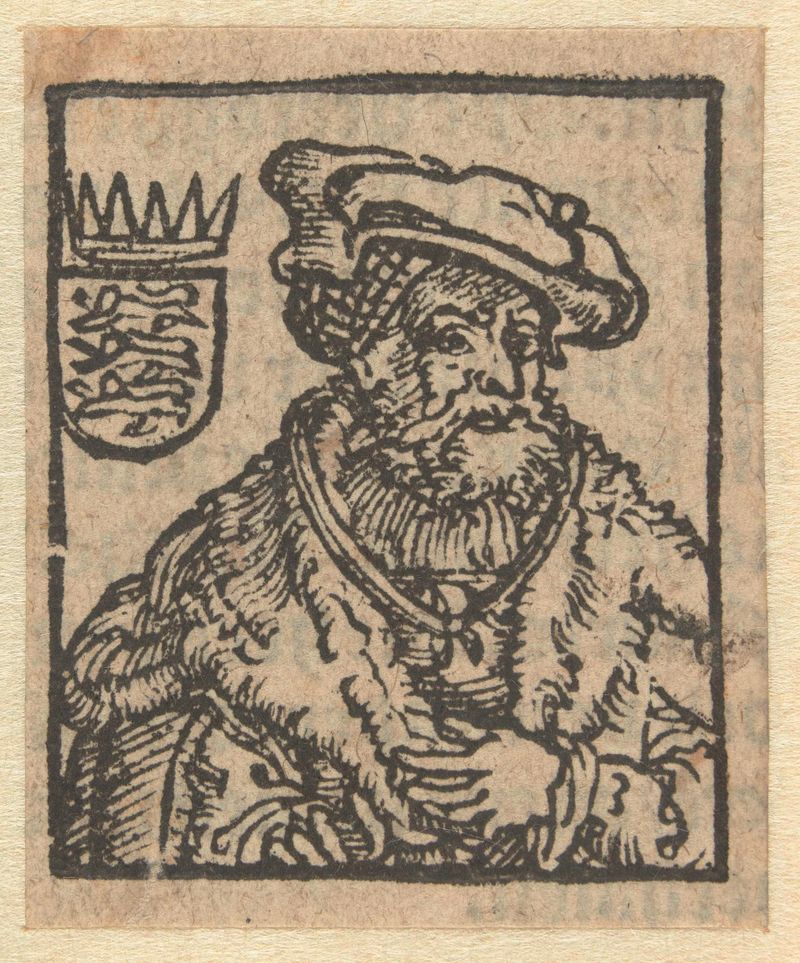
Portret van Christiaan II van Denemarken
Jan Swart van Groningen
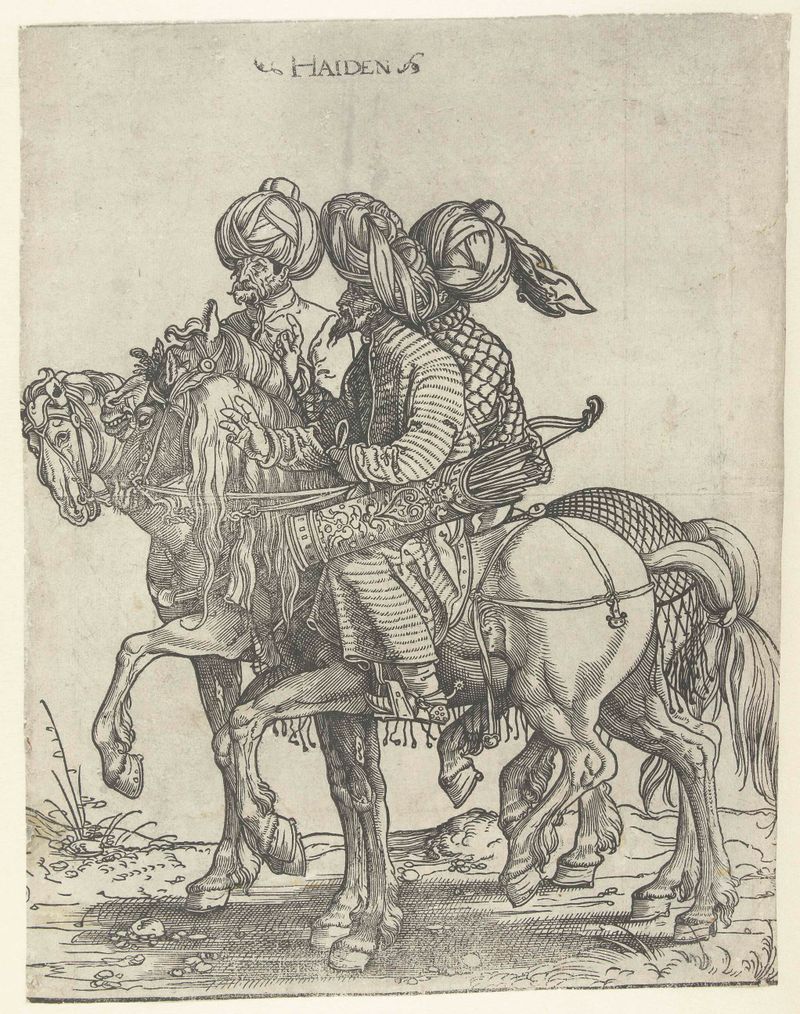
Drie boogschutters te paard
Jan Swart van Groningen

Portret van Karel V
Jan Swart van Groningen

Drie trompetters te paard
Jan Swart van Groningen

De rijke man en Lazarus
Jan Swart van Groningen
More Historical Art
Browse all →
The Night Watch Militia Company of District II under the Command of Captain Frans Banninck Cocq
Rembrandt van Rijn

Lincoln Memorial
Henry Bacon

The Third of May 1808
Francisco de Goya

Isaac and Rebecca, Known as ‘The Jewish Bride’
Rembrandt van Rijn

The Charge of the Mamelukes (1814)
Francisco de Goya

De vier ruiters van de apocalyps
Albrecht Dürer