
Drie trompetters te paard — History & Facts
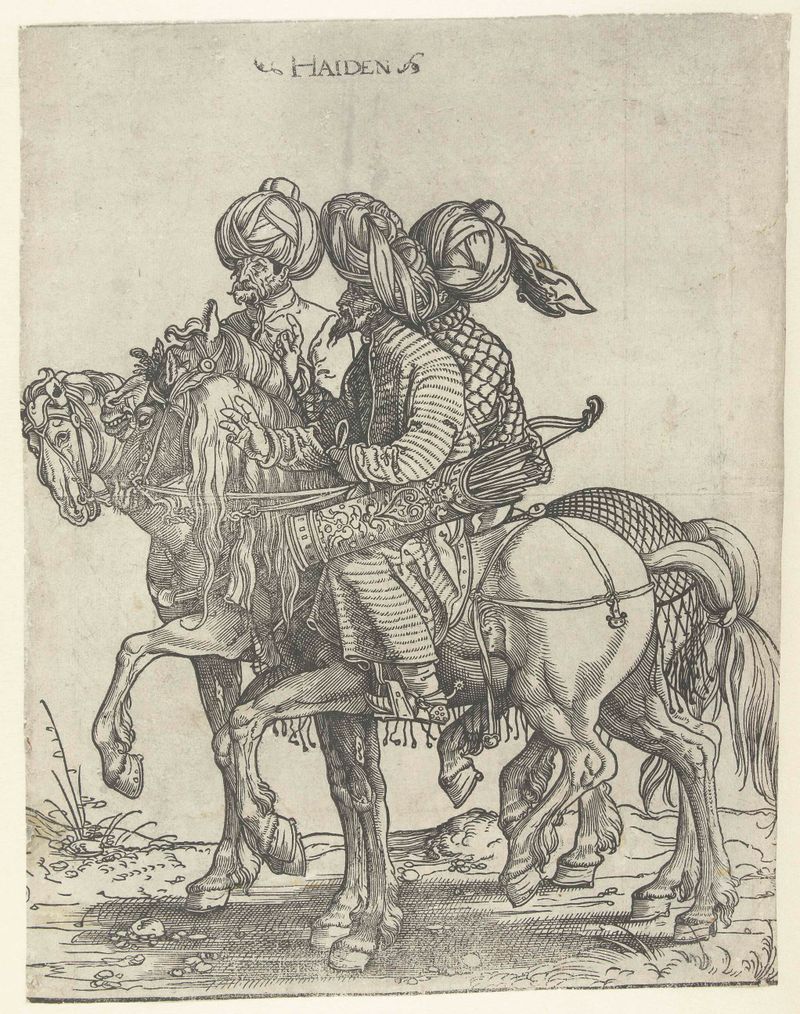
In a world overflowing with noise and chaos, innocence often stands as a beacon in the darkness, quietly yearning for recognition. Look to the left at the vibrant hues of the riders’ clothing, each garment representing not just individuality but also the values of a time long past. The three horsemen, poised with their instruments, command attention amidst a backdrop of lush greenery, their figures framed with a delicate interplay of light and shadow. Notice how the artist skillfully captures the textures of their attire, the glint of metal on the trumpets, and the spirited energy of the horses, all rendered with meticulous detail that breathes life into the scene. Yet, beneath the surface celebration lies a complex web of meaning.
The juxtaposition of the musicians' joyful expressions against the muted tones of their surroundings hints at a deeper narrative — the fleeting nature of happiness and the weight of expectation. Each trumpet, raised in unison, symbolizes an exuberant burst of sound that echoes the innocence of youth, while the careful arrangement of the figures suggests a tension between individual expression and communal harmony. Jan Swart van Groningen painted this piece in 1526, a period marked by the rise of Northern Renaissance art. Living in the Netherlands, he was influenced by both the flourishing local culture and the shifts in societal norms.
This work embodies the interplay of tradition and innovation, reflecting the artist's pursuit to capture the essence of a moment that straddles the line between celebration and melancholy.
More Artworks by Jan Swart van Groningen
Browse all →
Titelblad Nieuwe Testament
Jan Swart van Groningen

Aanbidding der drie koningen
Jan Swart van Groningen
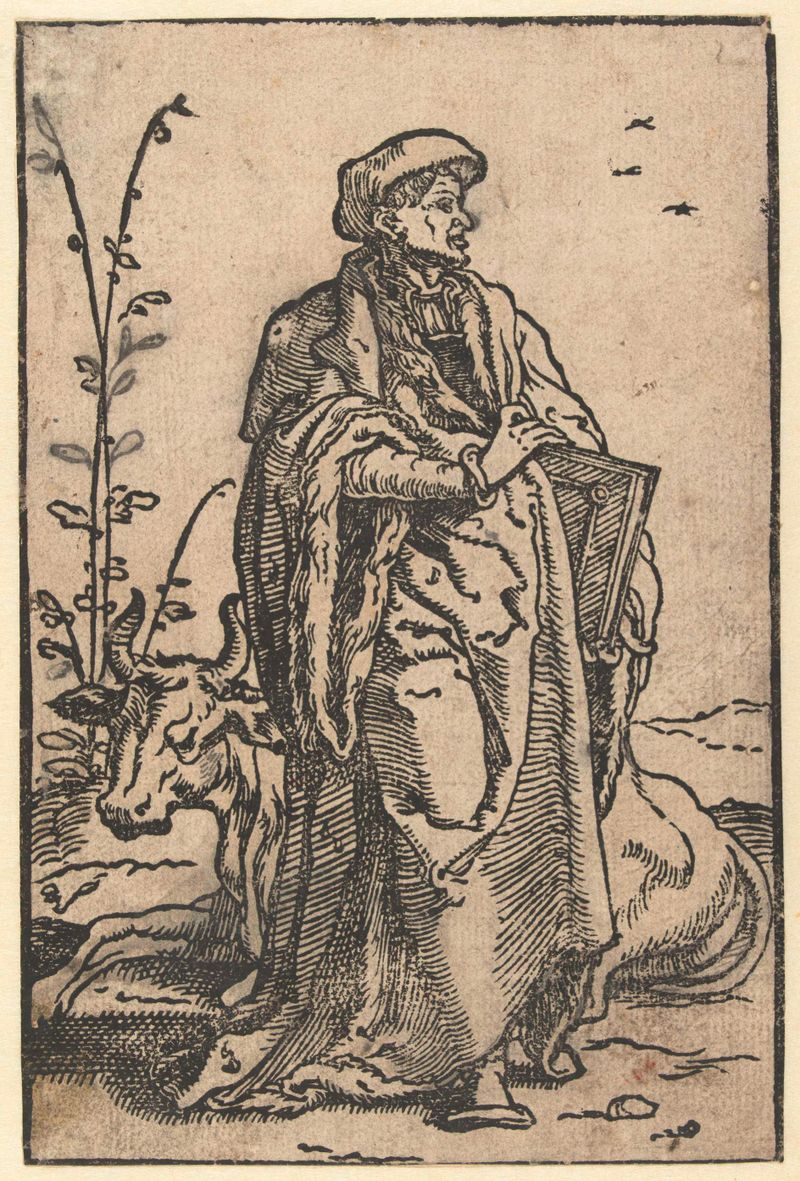
Evangelist Lucas
Jan Swart van Groningen
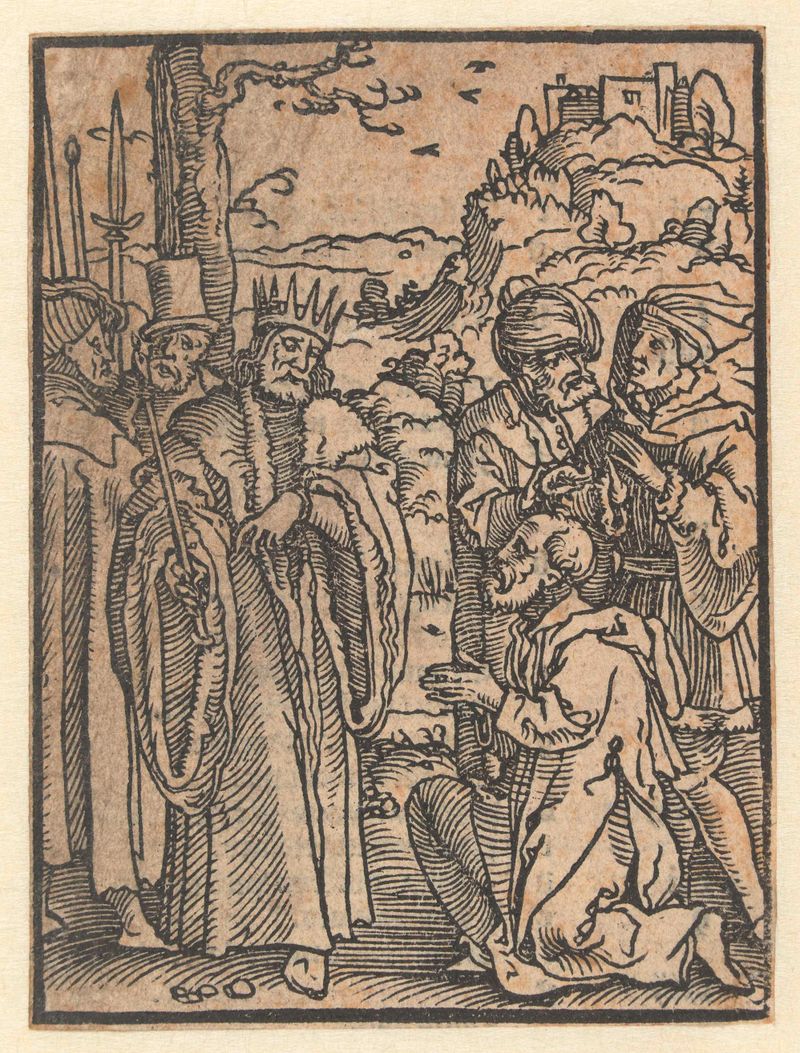
Cyrus laat de Israëlieten terugkeren naar Jerusalem
Jan Swart van Groningen

Soleiman de Grote
Jan Swart van Groningen
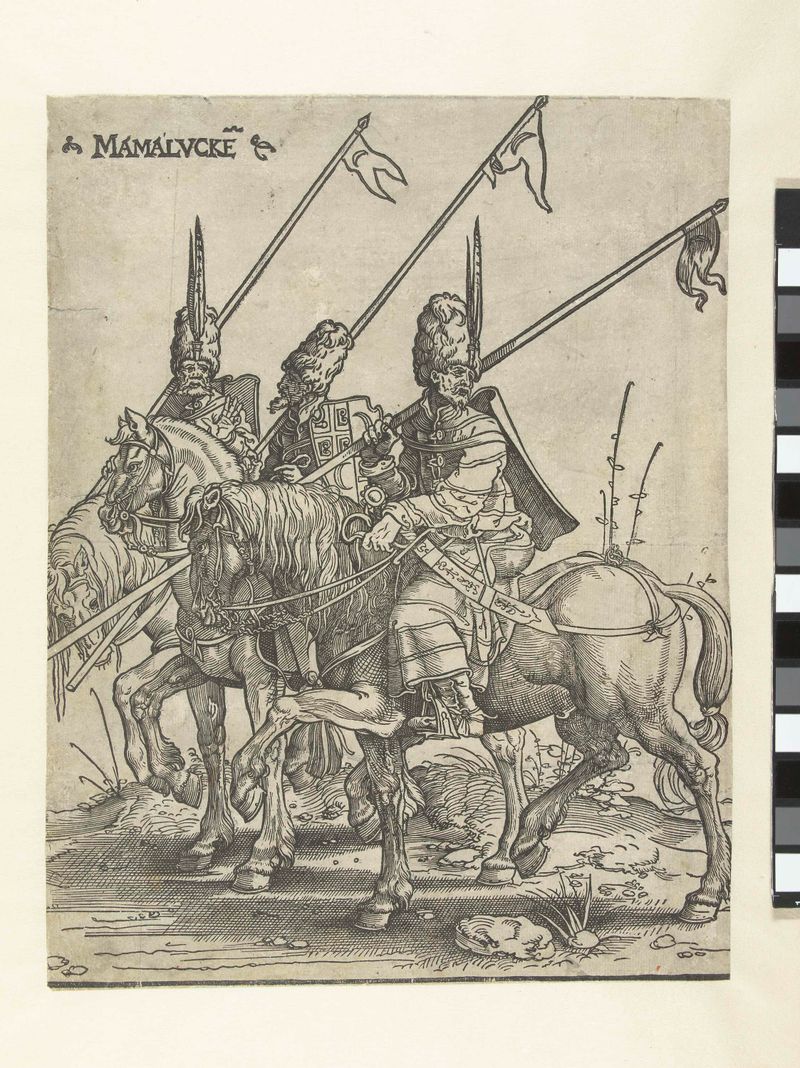
Drie Mamelukken te paard
Jan Swart van Groningen
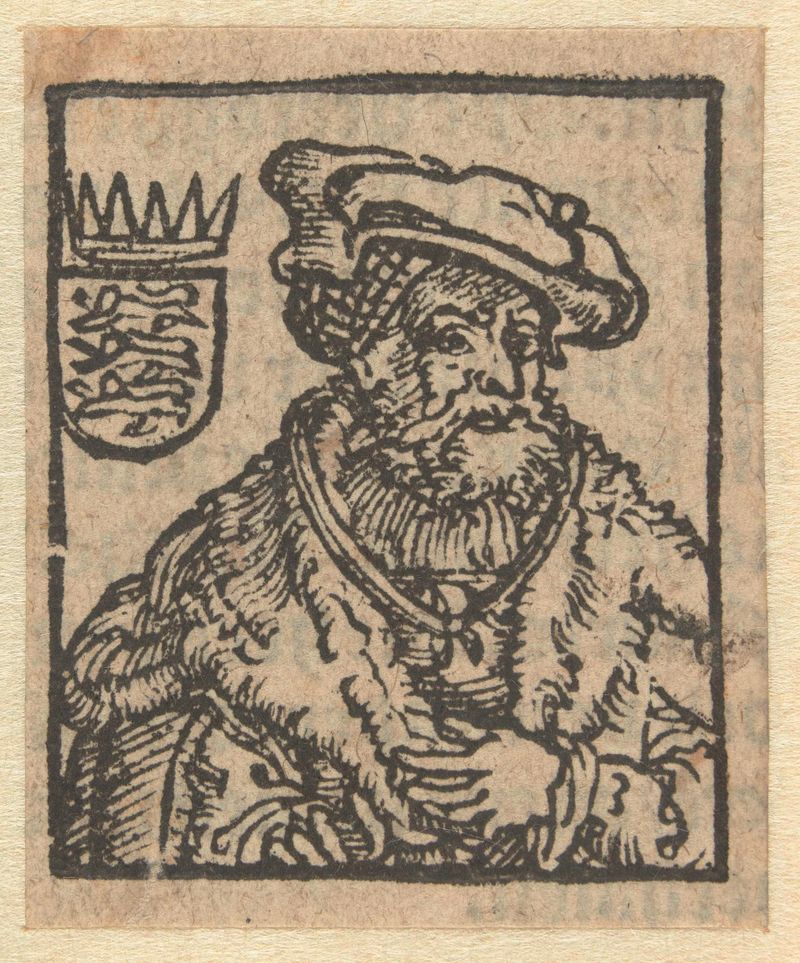
Portret van Christiaan II van Denemarken
Jan Swart van Groningen
Drie boogschutters te paard
Jan Swart van Groningen

Portret van Karel V
Jan Swart van Groningen

De rijke man en Lazarus
Jan Swart van Groningen
More Historical Art
Browse all →
The Night Watch Militia Company of District II under the Command of Captain Frans Banninck Cocq
Rembrandt van Rijn

Lincoln Memorial
Henry Bacon

The Third of May 1808
Francisco de Goya

Isaac and Rebecca, Known as ‘The Jewish Bride’
Rembrandt van Rijn

The Charge of the Mamelukes (1814)
Francisco de Goya

De vier ruiters van de apocalyps
Albrecht Dürer