
Titelblad Nieuwe Testament — History & Facts
In a world where vibrancy often fades, the rich hues of a carefully constructed composition can evoke the essence of both memory and history. Look closely at the intricate details of Titelblad Nieuwe Testament. Start with the bold reds and golds that dominate the central figures, drawing your gaze immediately toward their regal attire. Notice how the delicate interplay of light and shadow highlights their expressions, conveying a sense of divine gravitas.
Each stroke of the brush adds layers to the meticulously crafted patterns surrounding them, suggesting a world steeped in reverence and significance—a vivid backdrop that elevates the entire scene. Amidst the opulence, the juxtaposition of the somber faces against the brilliant colors invites a deeper reflection on faith and human emotion. The slight tilt of the head, the clasped hands of the figures, and the ornate borders whisper tales of devotion and struggle, bridging earthly experiences with heavenly aspirations. Here, the artist masterfully intertwines the physical and spiritual, leaving viewers to ponder the transient nature of life and the lasting power of belief. In 1530, during a period of religious upheaval and artistic innovation, the artist painted this piece in Groningen, a city at the crossroads of tradition and reform.
As the Renaissance blossomed, this work exemplified a merging of humanistic themes and religious fervor, reflecting the artist's engagement with the transformative currents of his time and the evolving landscape of art and faith.
More Artworks by Jan Swart van Groningen
Browse all →
Aanbidding der drie koningen
Jan Swart van Groningen
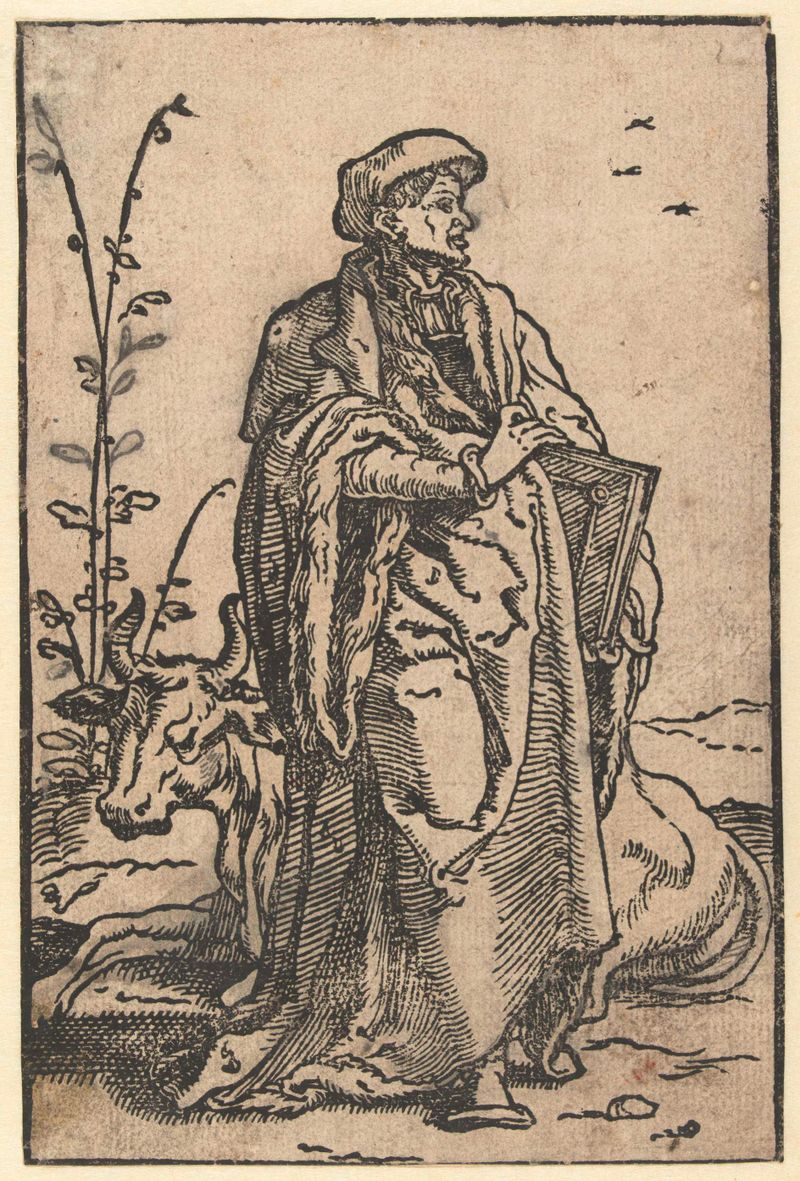
Evangelist Lucas
Jan Swart van Groningen
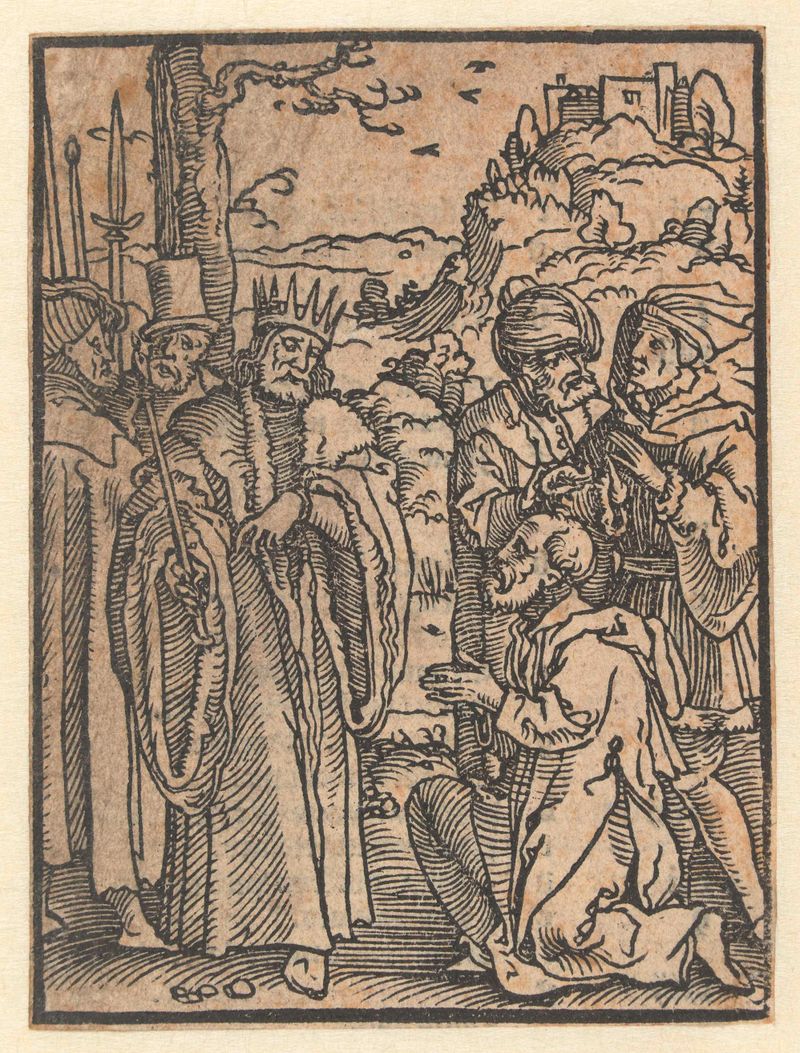
Cyrus laat de Israëlieten terugkeren naar Jerusalem
Jan Swart van Groningen

Soleiman de Grote
Jan Swart van Groningen
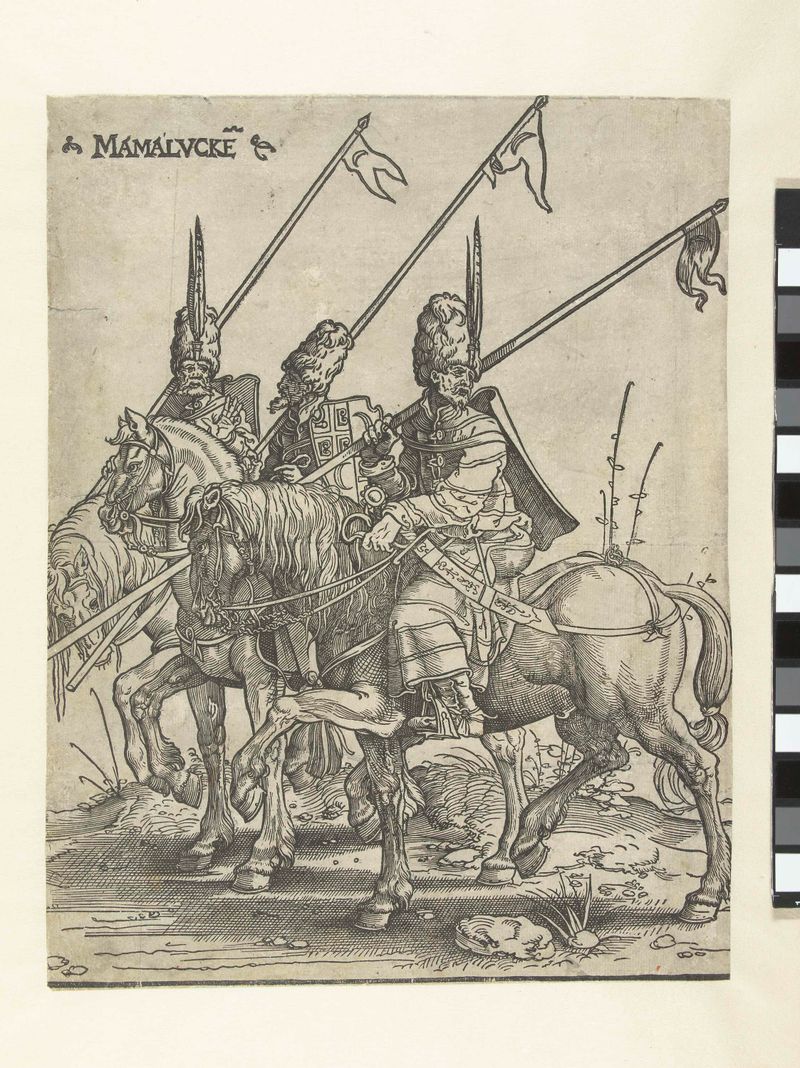
Drie Mamelukken te paard
Jan Swart van Groningen
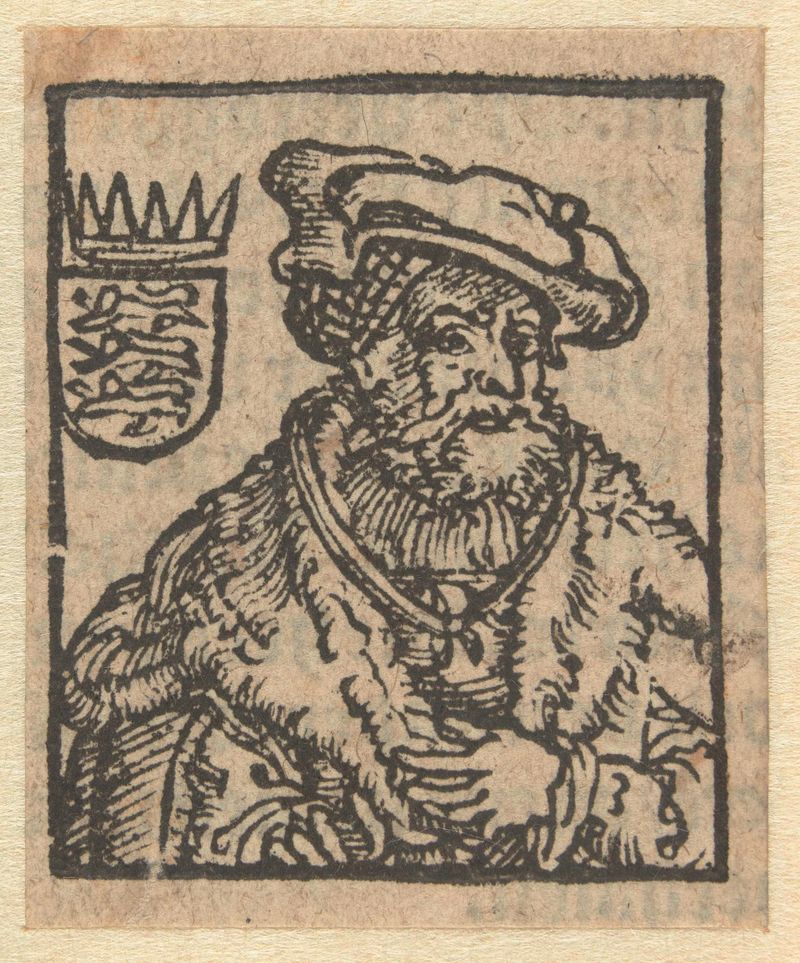
Portret van Christiaan II van Denemarken
Jan Swart van Groningen
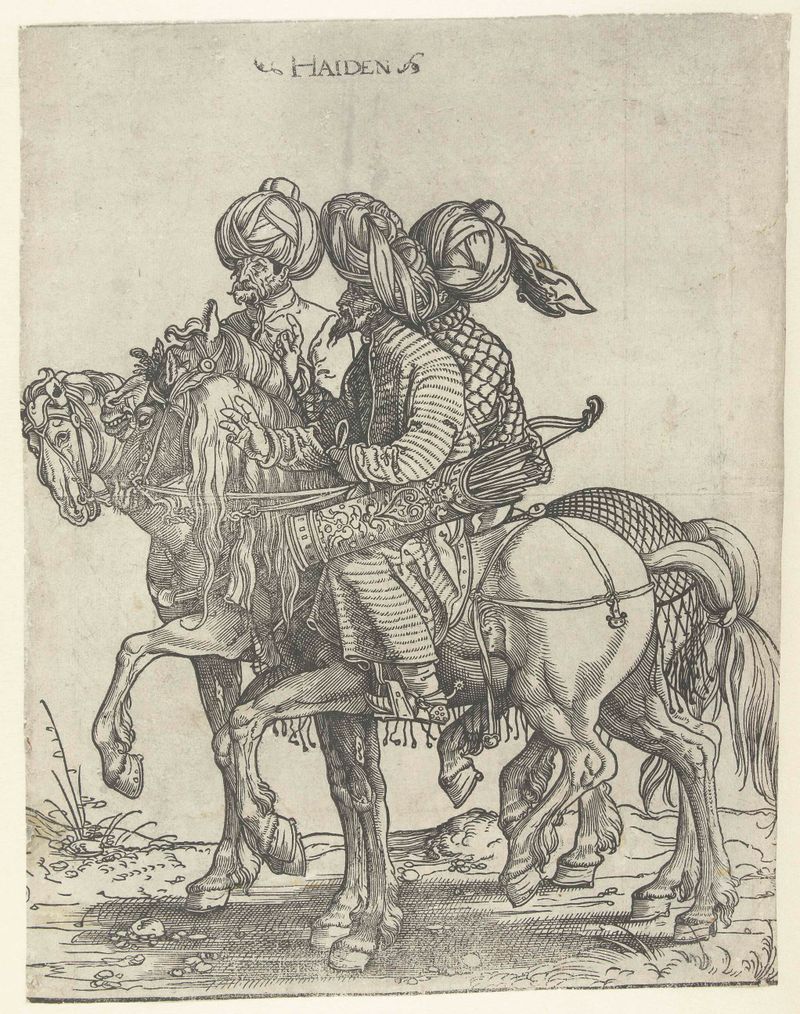
Drie boogschutters te paard
Jan Swart van Groningen

Portret van Karel V
Jan Swart van Groningen

Drie trompetters te paard
Jan Swart van Groningen

De rijke man en Lazarus
Jan Swart van Groningen
More Religious Art
Browse all →
The Return of the Prodigal Son
Rembrandt van Rijn

The Garden of Earthly Delights
El Bosco

Count Orgaz’ funeral
El Greco

The Hundred Guilder Print: the central piece with Christ preaching, the plate arched
Rembrandt van Rijn

The Descent from the Cross
Rogier van der Weyden

The return of the prodigal son
Rembrandt van Rijn