De ronde heuvel — History & Facts
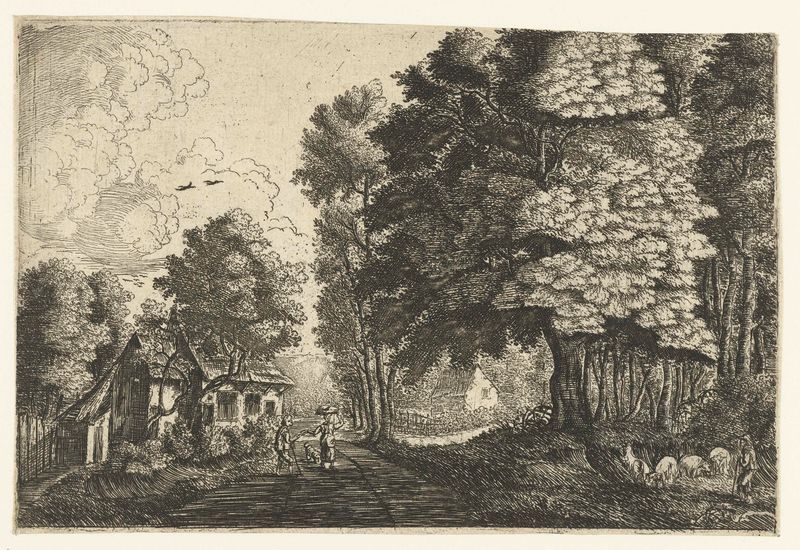
In the quietude of artistry, creation breathes the essence of potential, evoking boundless possibilities that linger in the air. Begin your exploration by looking to the center, where a gentle hill undulates beneath a sky painted with soft blues and wispy whites. Notice how the artist's brush strokes gracefully blend the colors, creating a serene atmosphere that invites contemplation. The meticulous detailing of the foreground, with its lush greenery, contrasts beautifully against the tranquility of the horizon, drawing your gaze into the idyllic landscape. As you delve deeper, observe the interplay of light and shadow, which breathes life and dimension into the scene.
The careful layering of pigments demonstrates a profound understanding of nature, encapsulating both the calmness and vibrancy of the moment. The harmonious composition evokes a sense of balance, hinting at the duality of creation — a world both fragile and resilient, alive with the whispers of existence. In the mid-17th century, during a period of artistic exploration and innovation in France, Bonnecroy was active in the burgeoning realm of landscape painting. Working in a time when artists strived to capture the essence of nature and its sublime beauty, he created De ronde heuvel amidst a flourishing appreciation for the natural world.
This painting reflects not just his personal vision but also the artistic currents of his time, where landscapes began to be celebrated as subjects worthy of admiration and contemplation.