
De stigmatisatie van de Heilige Franciscus — History & Facts
In De stigmatisatie van de Heilige Franciscus, we witness the intertwining of suffering and sanctity, a profound reflection on grief manifested through art. Look to the center where St. Francis stands, his figure draped in a simple robe that flows softly against a backdrop of ethereal light. Notice how the chiaroscuro technique accentuates the contours of his face, embodying a serenity that contrasts with the emotional weight of his stigmatisation.
The golden halo envelops him, yet it doesn't entirely conceal the torment etched on his features. Each brushstroke seems deliberate, inviting contemplation on the duality of divine beauty and the human condition. The emotional tension within the piece lies in the juxtaposition of light and shadow. The delicate flowers at his feet symbolize both earthly beauty and transient life, a poignant reminder of mortality.
The subtle play of light highlights his outstretched hands, bearing the wounds of Christ, inviting viewers to reflect on the nature of sacrifice and devotion. Dürer captures the moment not just as an event, but as an intimate expression of Francis’s internal struggle, revealing layers of grief that resonate deeply with the human experience. Albrecht Dürer created this work between 1503 and 1504 in Nuremberg, a city thriving at the intersection of Renaissance innovation and Northern European tradition. At this time, Dürer was exploring new techniques and themes that blended humanist ideas with spiritual narratives.
The art world was evolving, and Dürer’s focus on the emotional dimensions of religious subjects positioned him as a pivotal figure in this transition, emphasizing the complexities of faith and the human soul.
More Artworks by Albrecht Dürer
Browse all →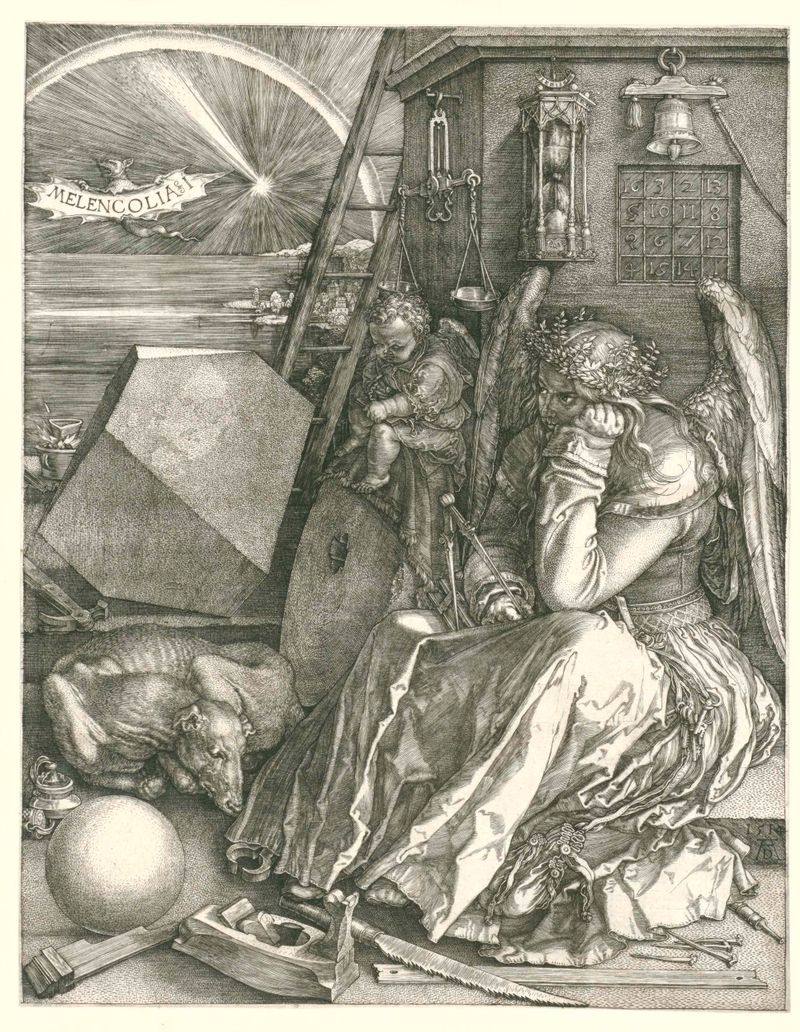
Melancholia
Albrecht Dürer
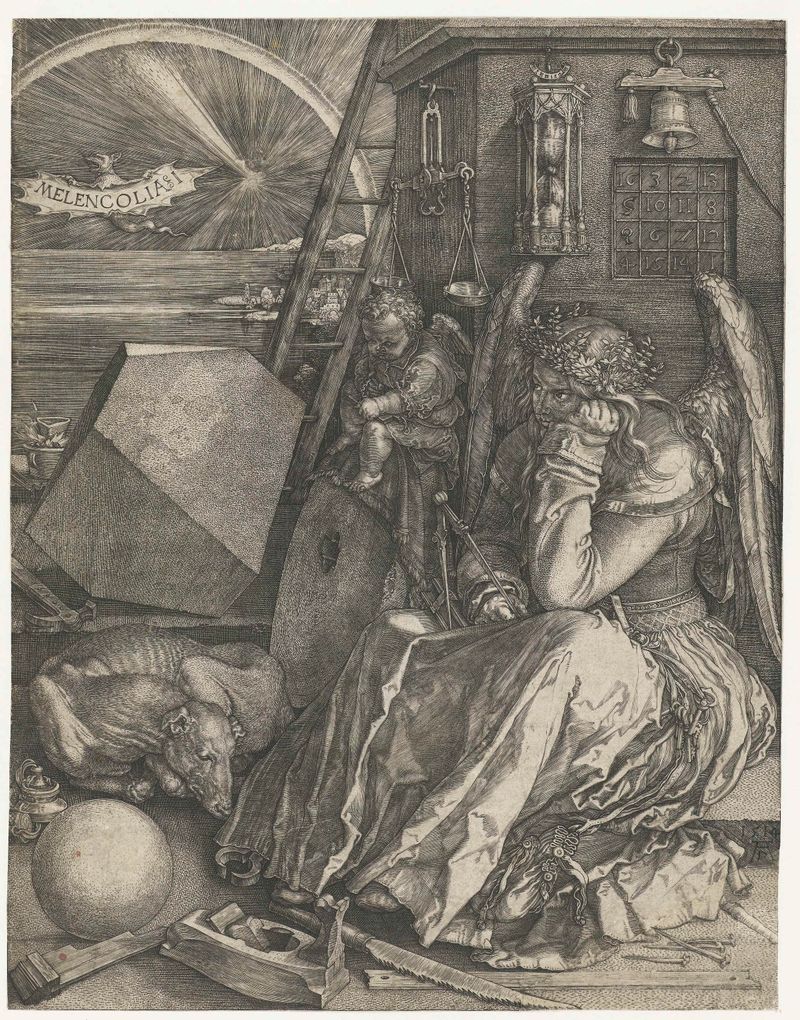
Melancholie
Albrecht Dürer

Neushoorn
Albrecht Dürer
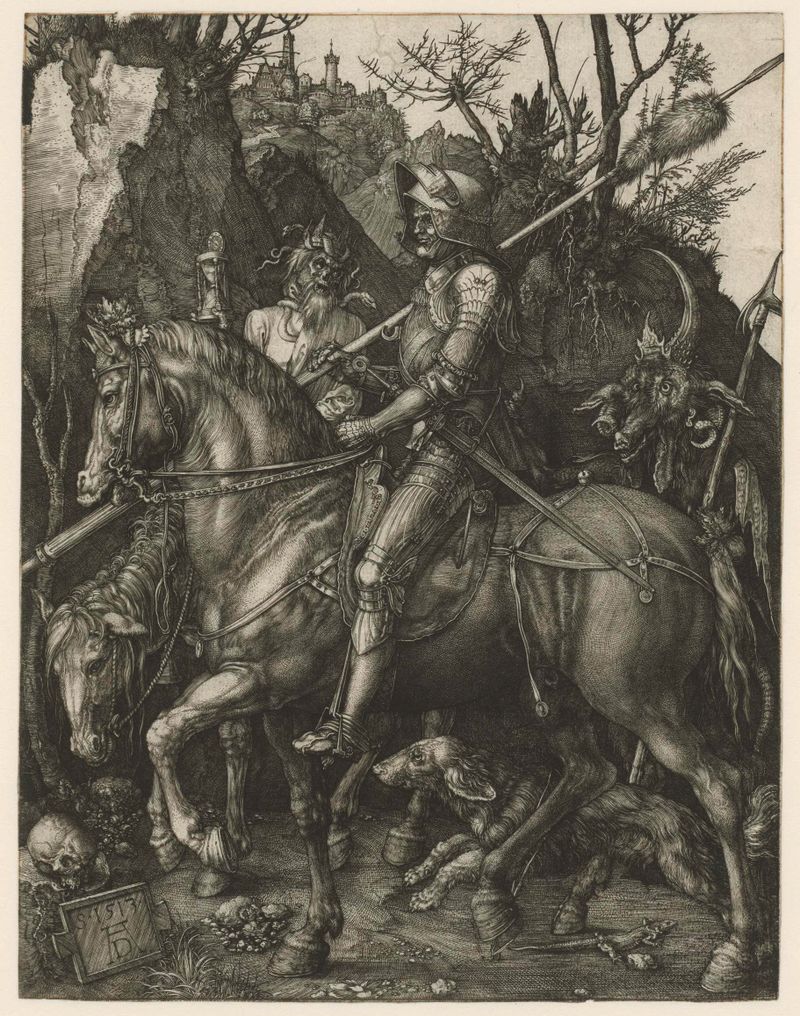
Knight, Death, and the Devil
Albrecht Dürer

De vier ruiters van de apocalyps
Albrecht Dürer

De vier ruiters van de apocalyps
Albrecht Dürer
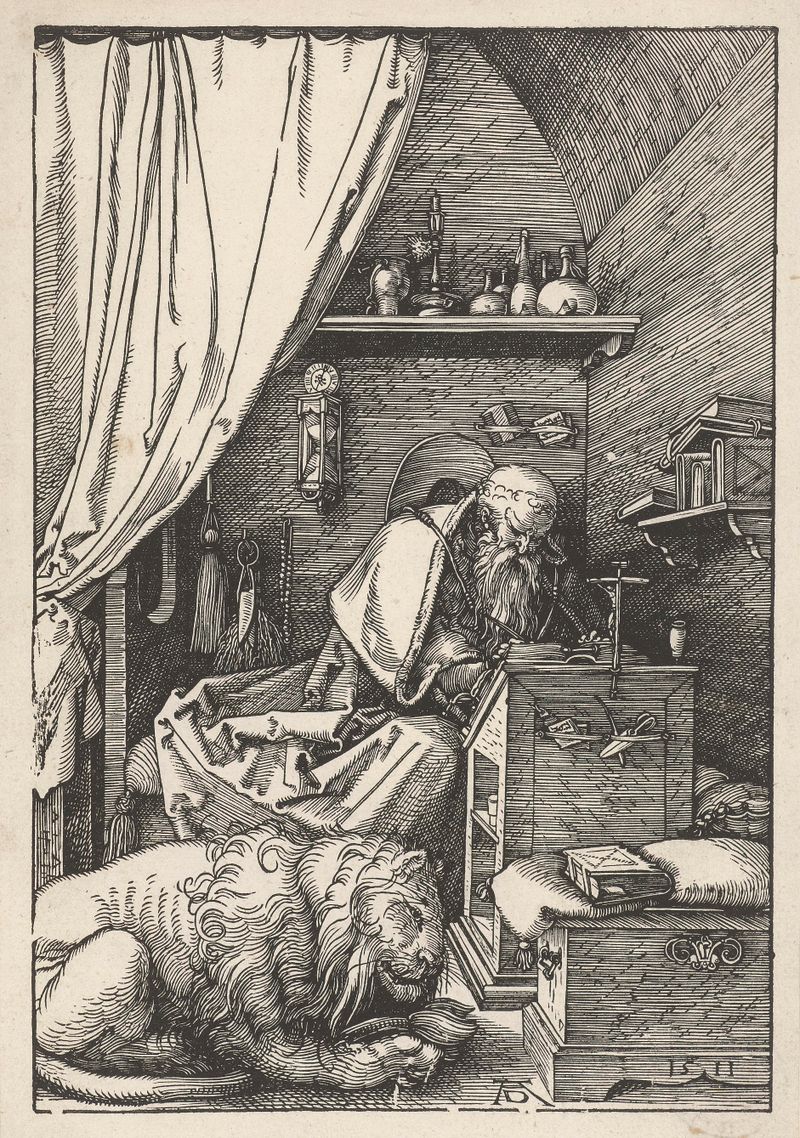
De Heilige Hiëronymus in zijn studeervertrek
Albrecht Dürer
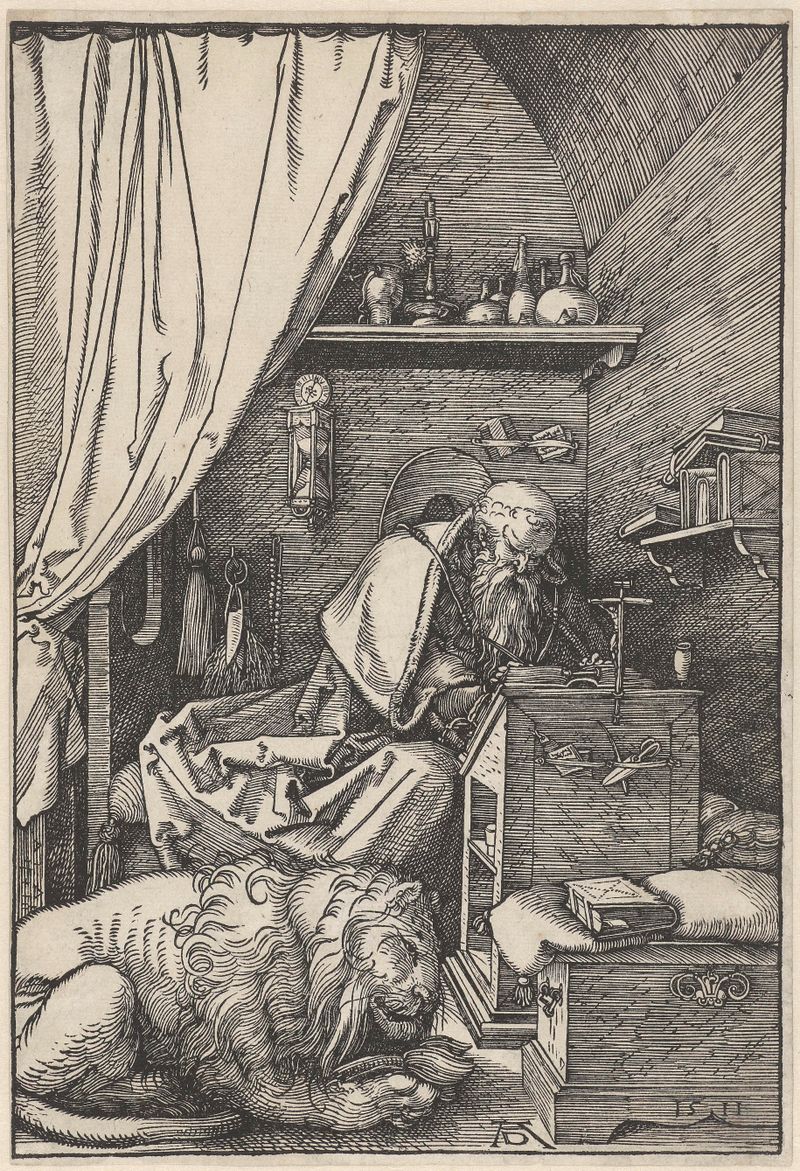
De Heilige Hiëronymus in zijn studeervertrek
Albrecht Dürer
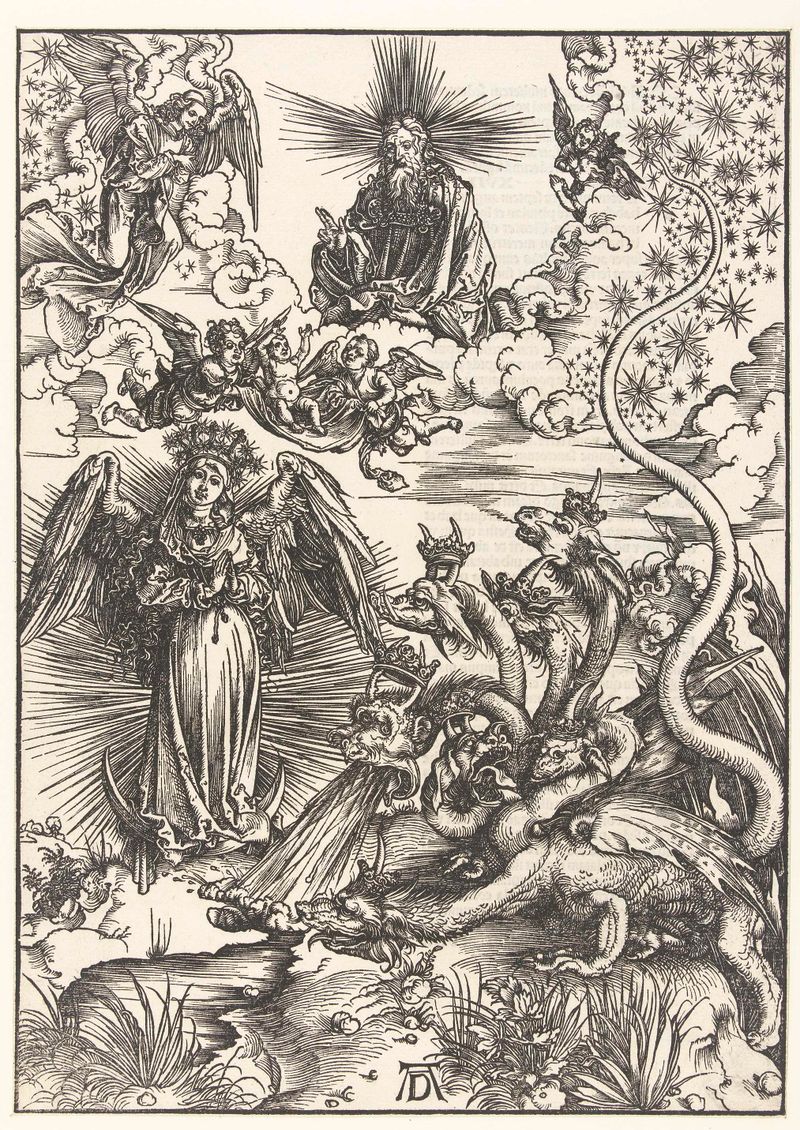
De apocalyptische vrouw en de zevenkoppige draak
Albrecht Dürer
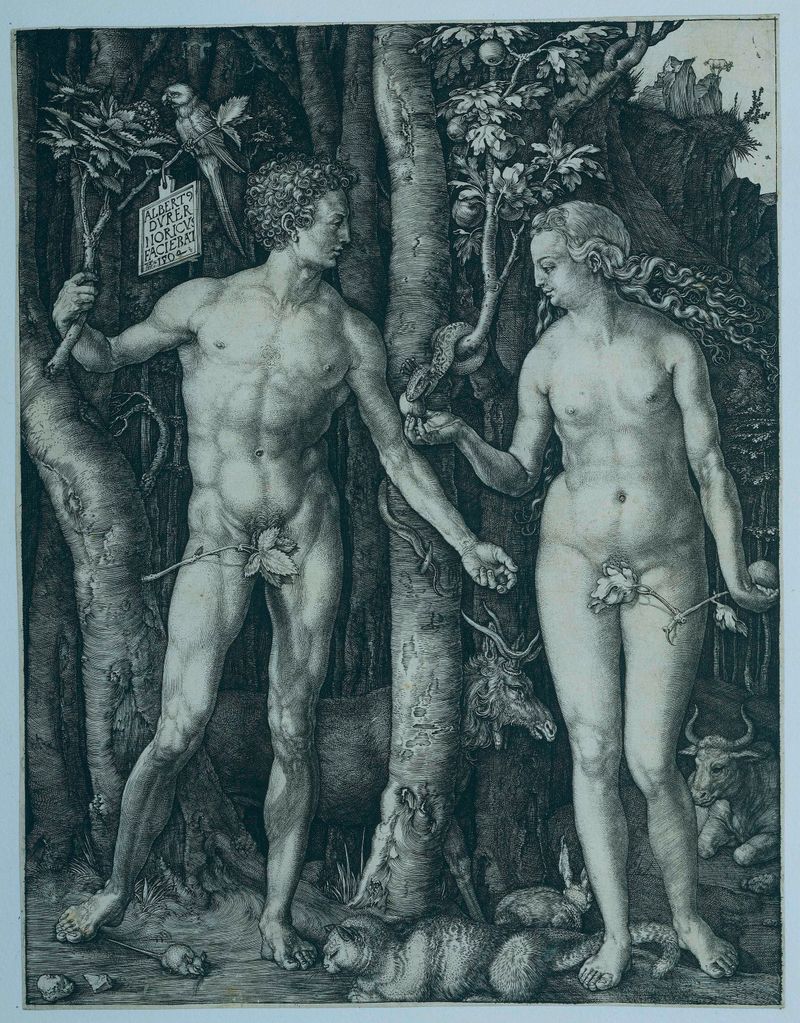
Adam en Eva
Albrecht Dürer
More Religious Art
Browse all →
The Return of the Prodigal Son
Rembrandt van Rijn

The Garden of Earthly Delights
El Bosco

Count Orgaz’ funeral
El Greco

The Hundred Guilder Print: the central piece with Christ preaching, the plate arched
Rembrandt van Rijn

The Descent from the Cross
Rogier van der Weyden

The return of the prodigal son
Rembrandt van Rijn