
De transfiguratie van Christus — History & Facts
Who listens when art speaks of silence? In the quiet spaces between color and form, nostalgia whispers truths we often overlook. Focus on the central figure of Christ, illuminated by a divine light that breaks through the surrounding darkness. Notice how the artist has rendered the ethereal glow, creating a stark contrast with the muted palette of the disciples in the background. Their expressions of awe and reverence draw the eye, and the delicate brushwork highlights their intricate robes, laden with symbolic meaning.
The composition invites your gaze to traverse this sacred moment, where the earthly meets the celestial. Delve deeper into the work’s emotional layers; the tension between the divine and the mundane is palpable. The disciples, caught between disbelief and faith, reflect the viewer’s journey through doubt. Each figure is steeped in their own emotional narrative, embodying the struggle to comprehend the miraculous.
The tranquil serenity of Christ’s pose juxtaposes sharply with the chaotic, animated gestures of those who witness the transfiguration, creating a poignant dialogue about belief, revelation, and the yearning for understanding. Created in 1503, this artwork emerged from the hand of a master who was part of the Northern Renaissance, a time when artists were exploring themes of spirituality through increasingly complex narratives. Working in Delft, the artist was influenced by the burgeoning interest in humanism and the spiritual quest inherent in the art of the period. The painting reflects not only the technical skill of its creator but also a moment in history when faith and inquiry intersected, capturing the essence of a transformative epoch.
More Artworks by Master of Delft
Browse all →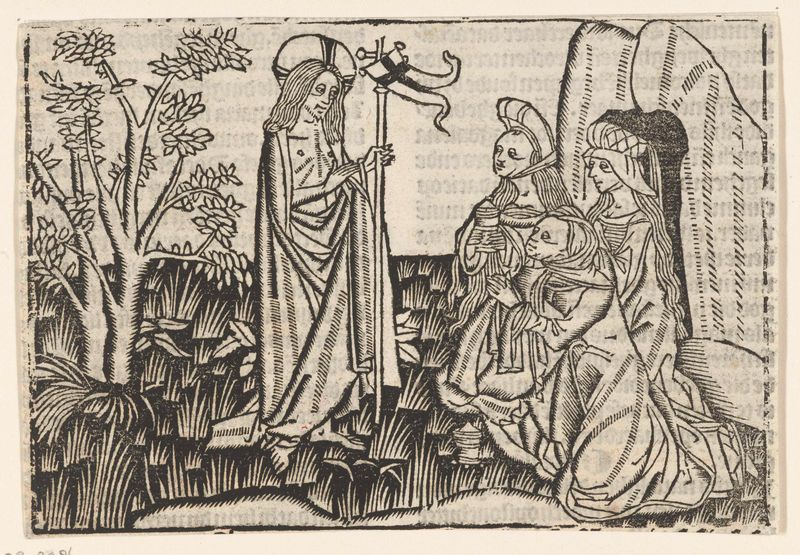
Christus verschijnt aan de drie Maria's
Master of Delft
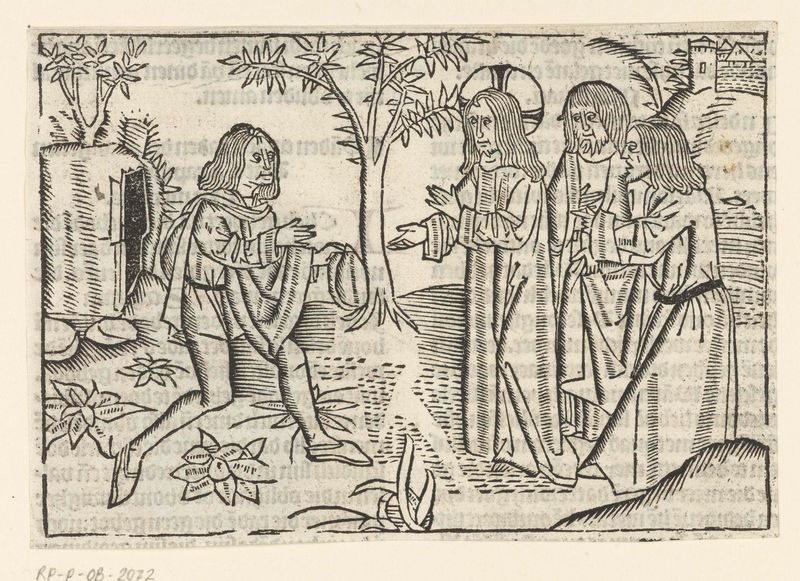
Christus en de rijke jongeling
Master of Delft
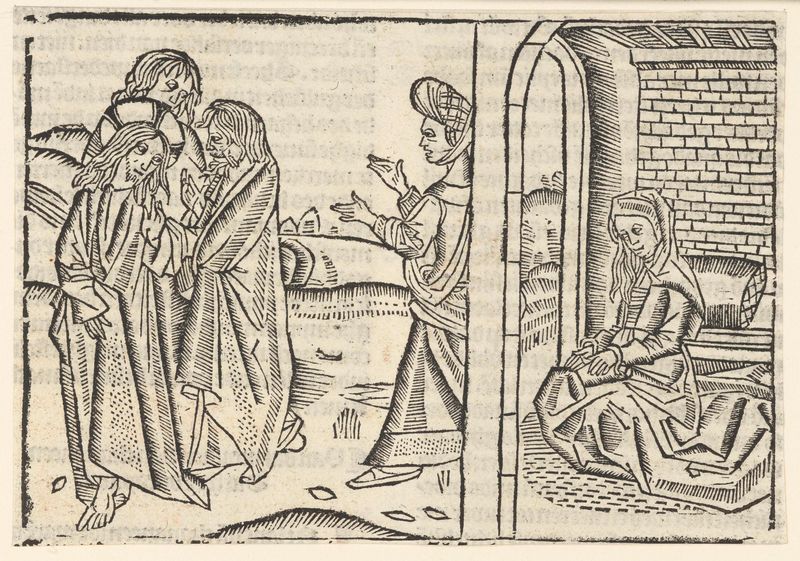
Christus en de Kanaänitische vrouw
Master of Delft
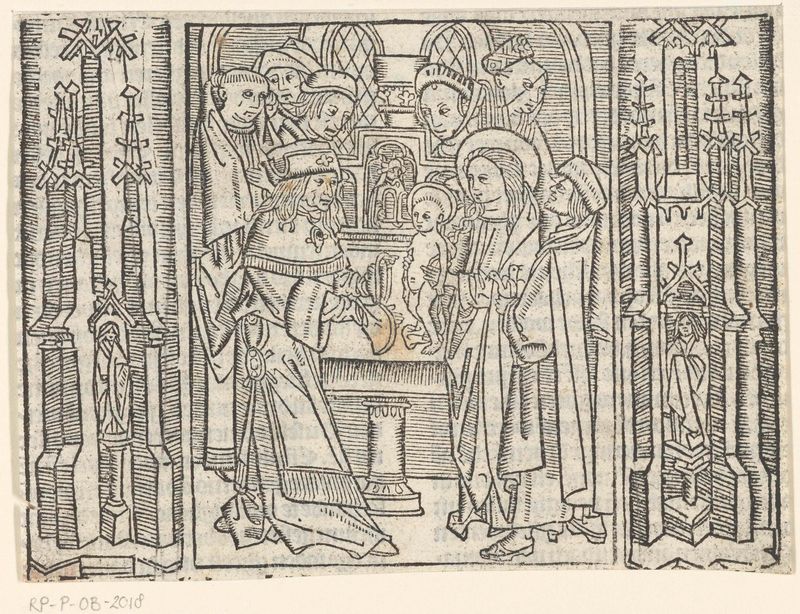
Presentatie van Christus in de tempel
Master of Delft
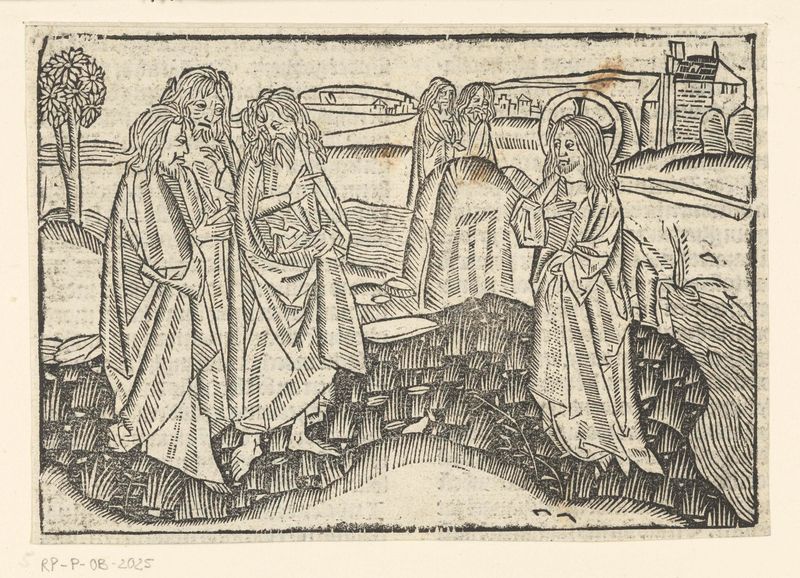
Christus kiest zijn eerste discipelen
Master of Delft
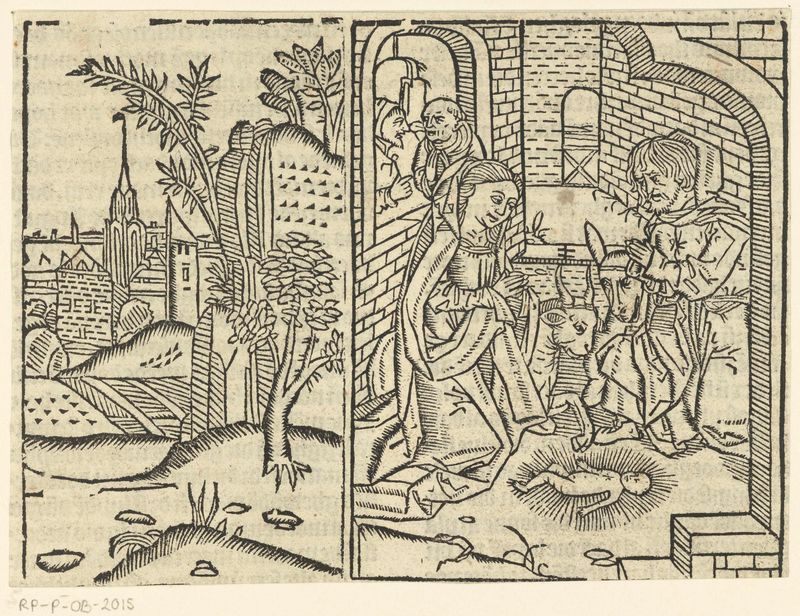
Geboorte van Christus
Master of Delft
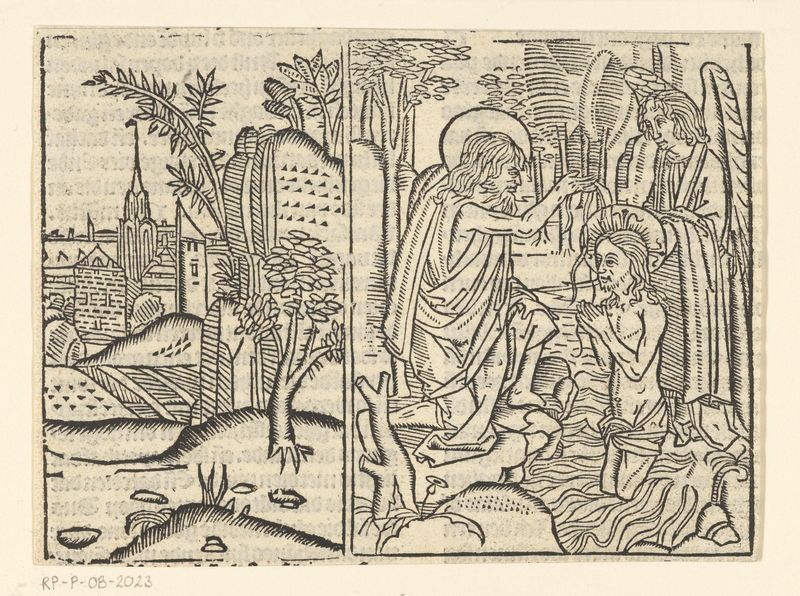
De doop van Christus in de Jordaan
Master of Delft
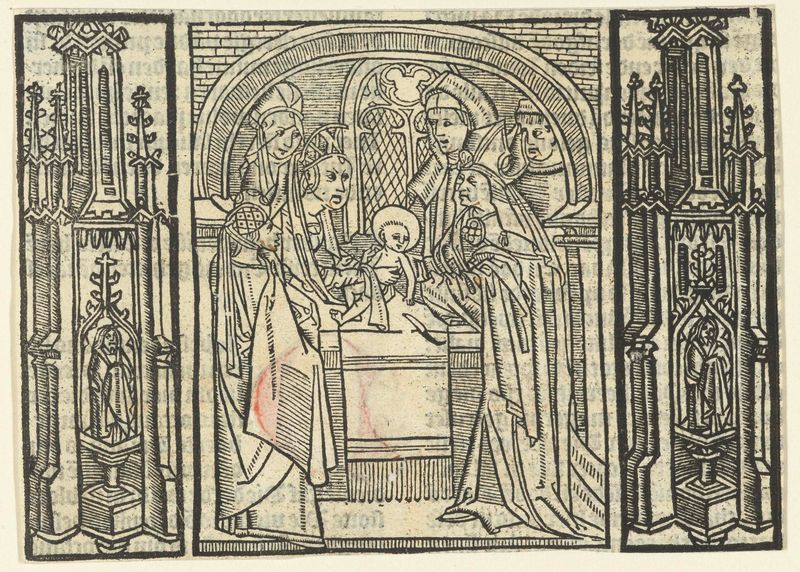
Besnijdenis van Christus
Master of Delft
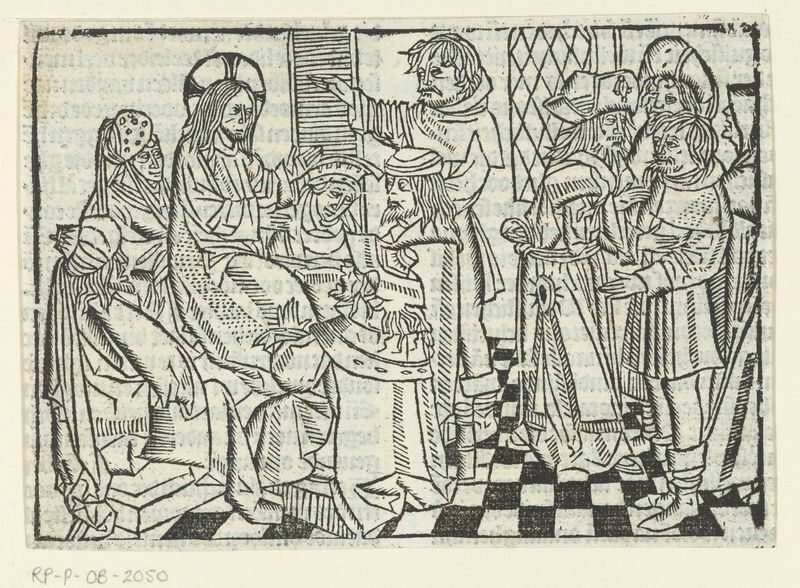
Christus geneest de man met een verdorde hand
Master of Delft
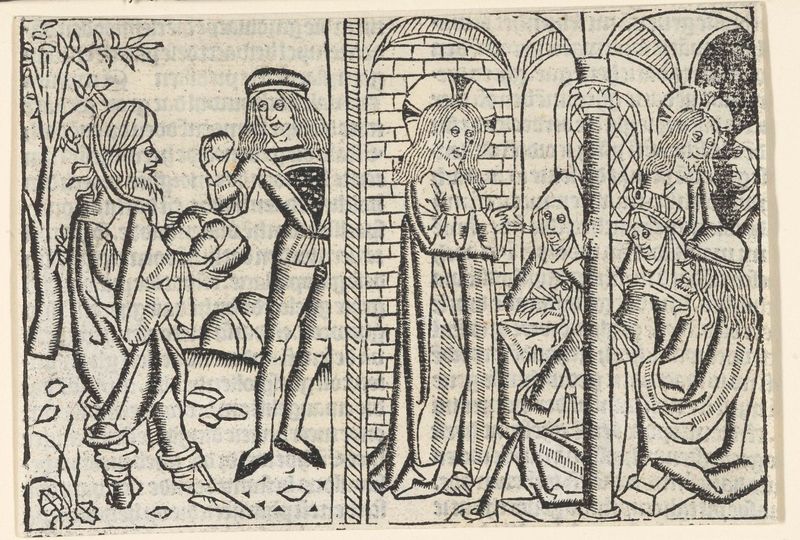
De Farizeeërs willen Christus stenigen
Master of Delft
More Religious Art
Browse all →
The Return of the Prodigal Son
Rembrandt van Rijn

The Garden of Earthly Delights
El Bosco

Count Orgaz’ funeral
El Greco

The Hundred Guilder Print: the central piece with Christ preaching, the plate arched
Rembrandt van Rijn

The Descent from the Cross
Rogier van der Weyden

The return of the prodigal son
Rembrandt van Rijn