
De vier wrekende engelen — History & Facts
What if beauty was never meant to be finished? In the intricate lines of this engraving, we find the echoes of transcendence, a whisper inviting us to ponder the fragility of perfection. Focus on the four angels who dominate the composition, their poised figures radiating an ethereal quality. The delicate interplay of light and shadow accentuates their wings, which seem to flutter with a life of their own. Notice how the sharp contrasts of black and white amplify the sense of movement, while the meticulous detail in their faces captures a simultaneous serenity and intensity.
This deliberate technique engages the viewer, pulling you into an experience that feels both intimate and monumental. Beneath the surface, the tension between divine beauty and human frailty emerges. The angels, though majestic, appear to carry the weight of their mission, hinting at a deeper struggle inherent in their celestial duties. Each expression tells a story of sacrifice, and the viewer is left to grapple with the paradox of their existence: beings of light trapped in the shadows of the mortal realm.
The intricacies of Dürer's work prompt questions about our own aspirations for transcendence, and whether the pursuit of beauty may ultimately be a double-edged sword. In 1511, Albrecht Dürer was at the height of his artistic career in Nuremberg. Engraving had become one of his prime mediums, allowing him to explore themes of spirituality and humanity with unprecedented precision. The world was on the brink of the Reformation, and Dürer was deeply engaged with the philosophical debates of his time, reflecting a society yearning for clarity and transcendence amidst chaos.
More Artworks by Albrecht Dürer
Browse all →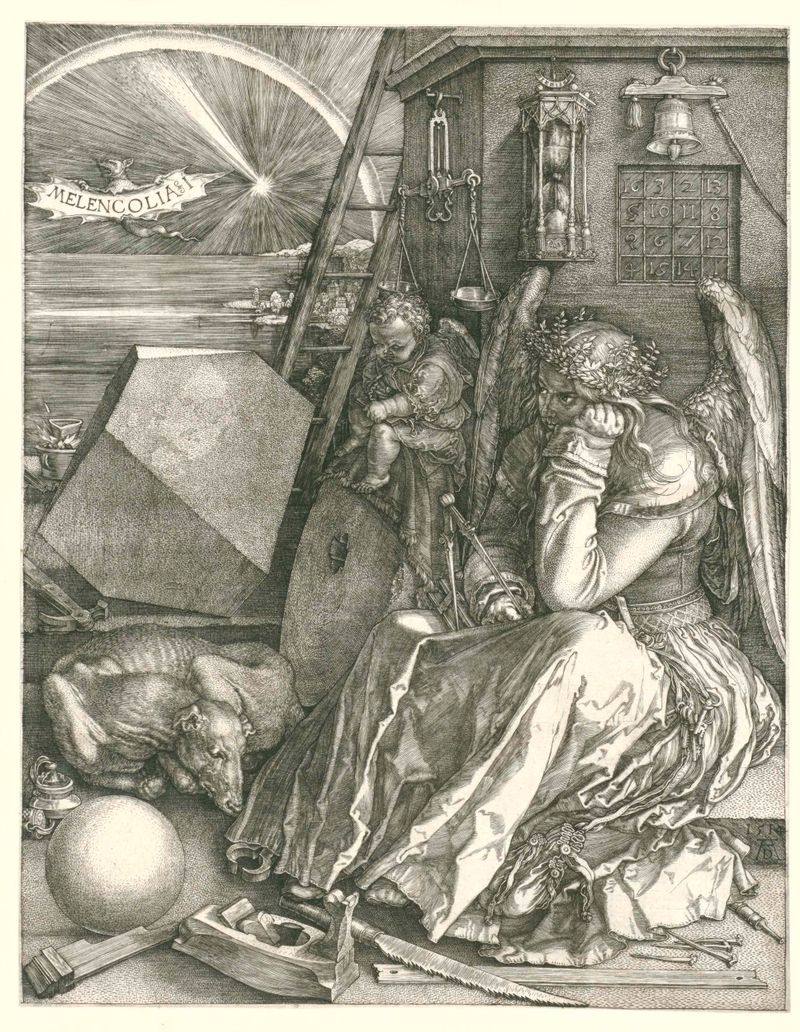
Melancholia
Albrecht Dürer
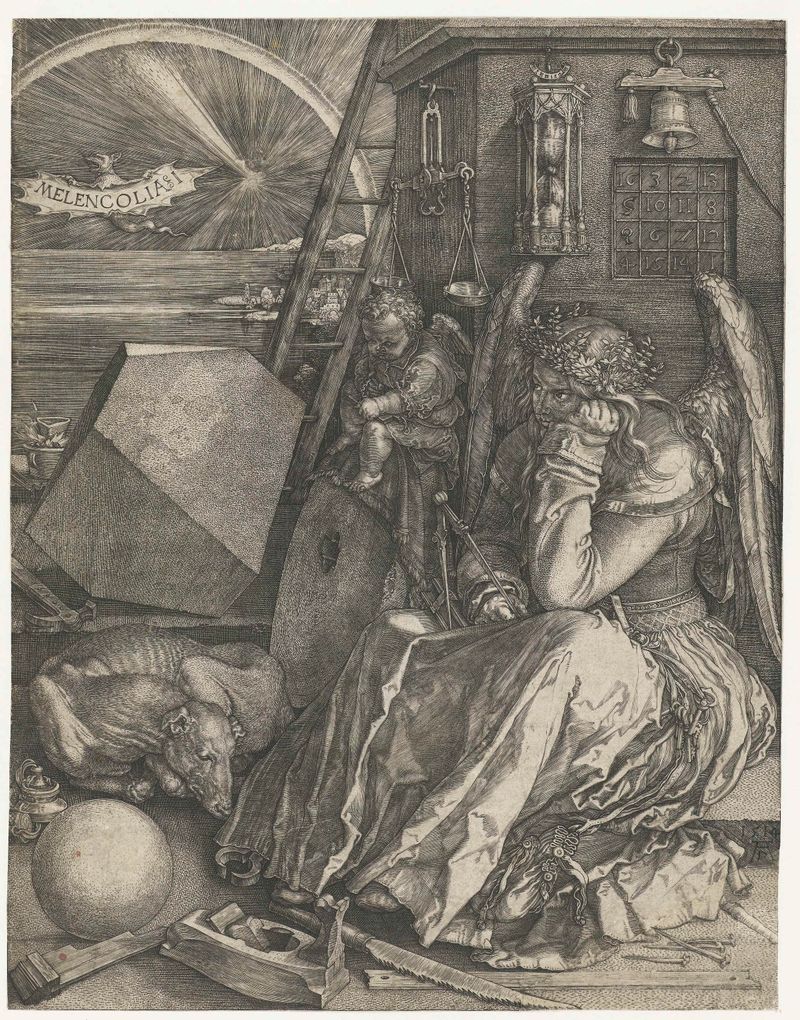
Melancholie
Albrecht Dürer

Neushoorn
Albrecht Dürer
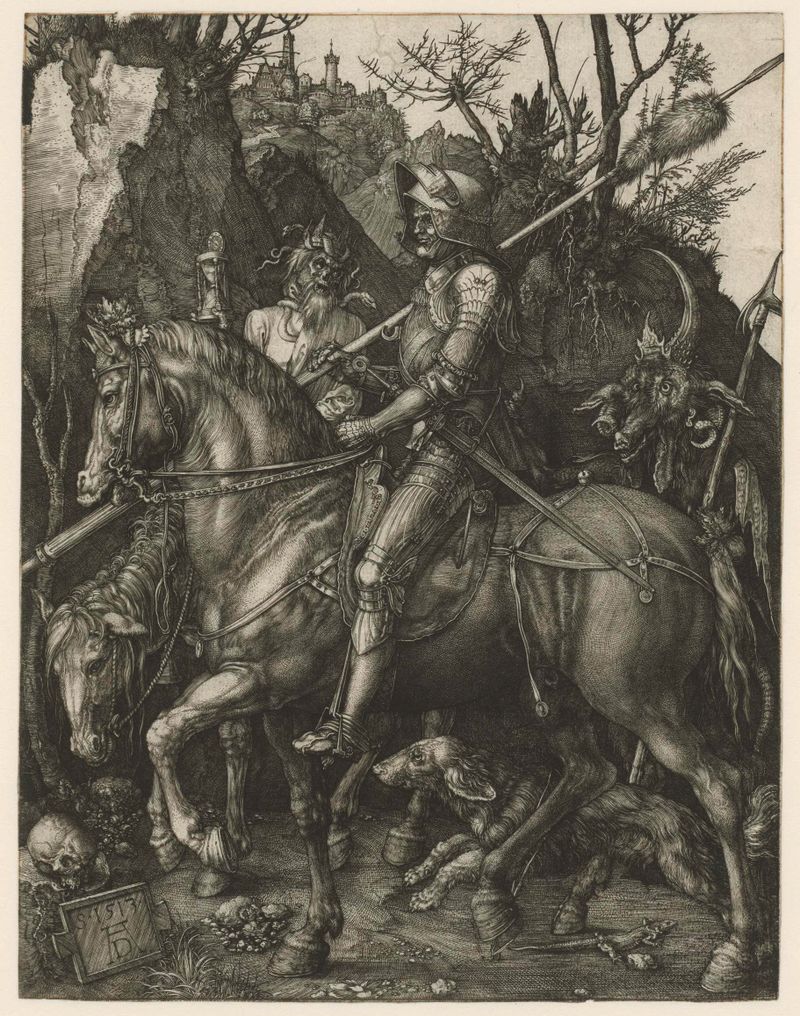
Knight, Death, and the Devil
Albrecht Dürer

De vier ruiters van de apocalyps
Albrecht Dürer

De vier ruiters van de apocalyps
Albrecht Dürer
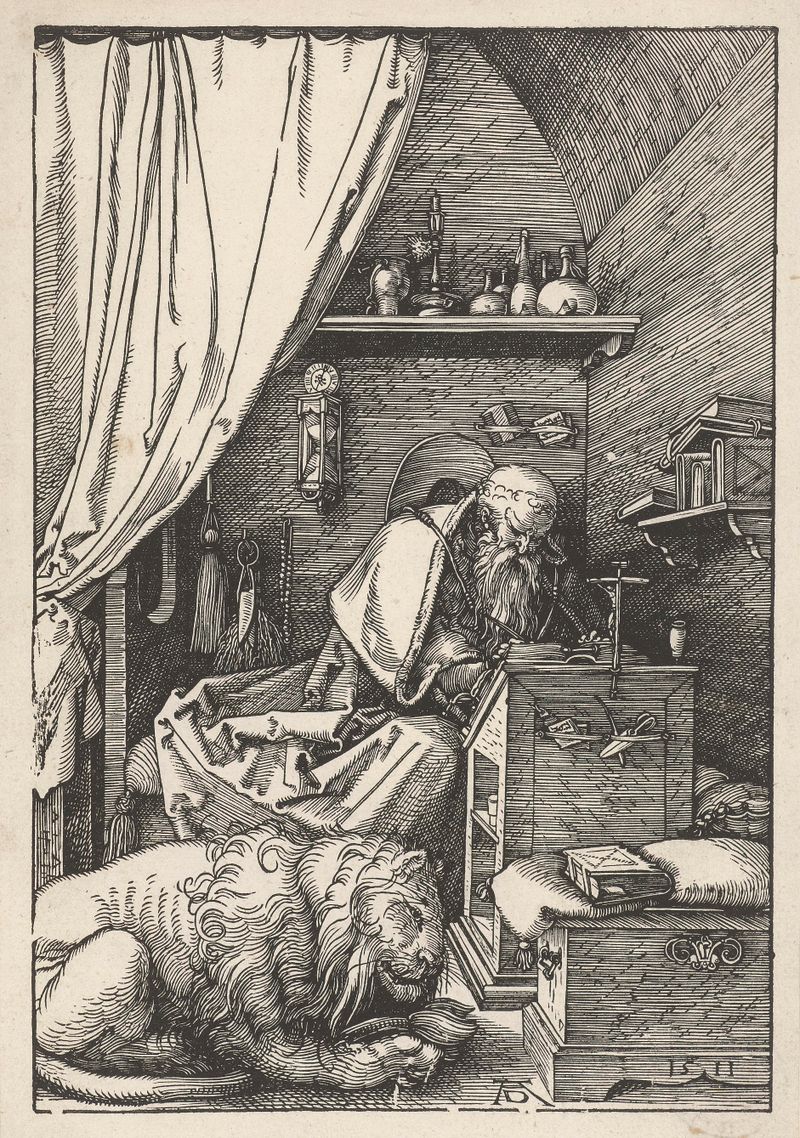
De Heilige Hiëronymus in zijn studeervertrek
Albrecht Dürer
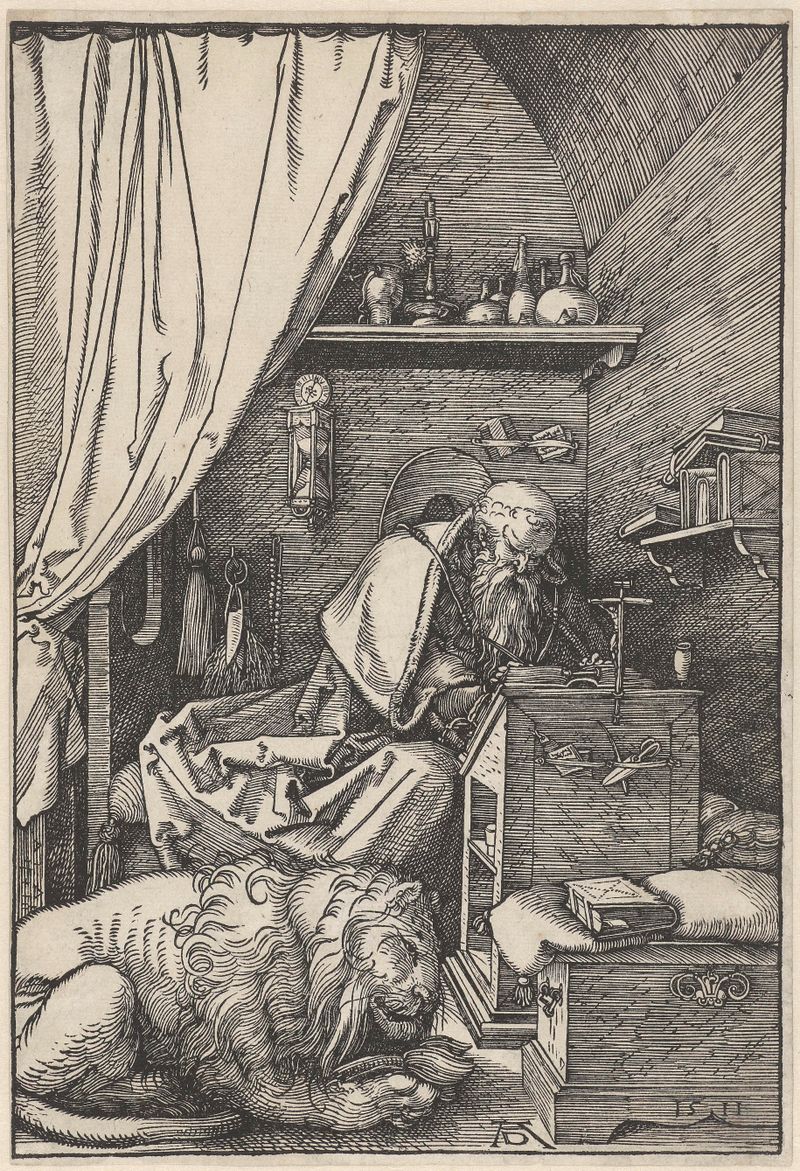
De Heilige Hiëronymus in zijn studeervertrek
Albrecht Dürer
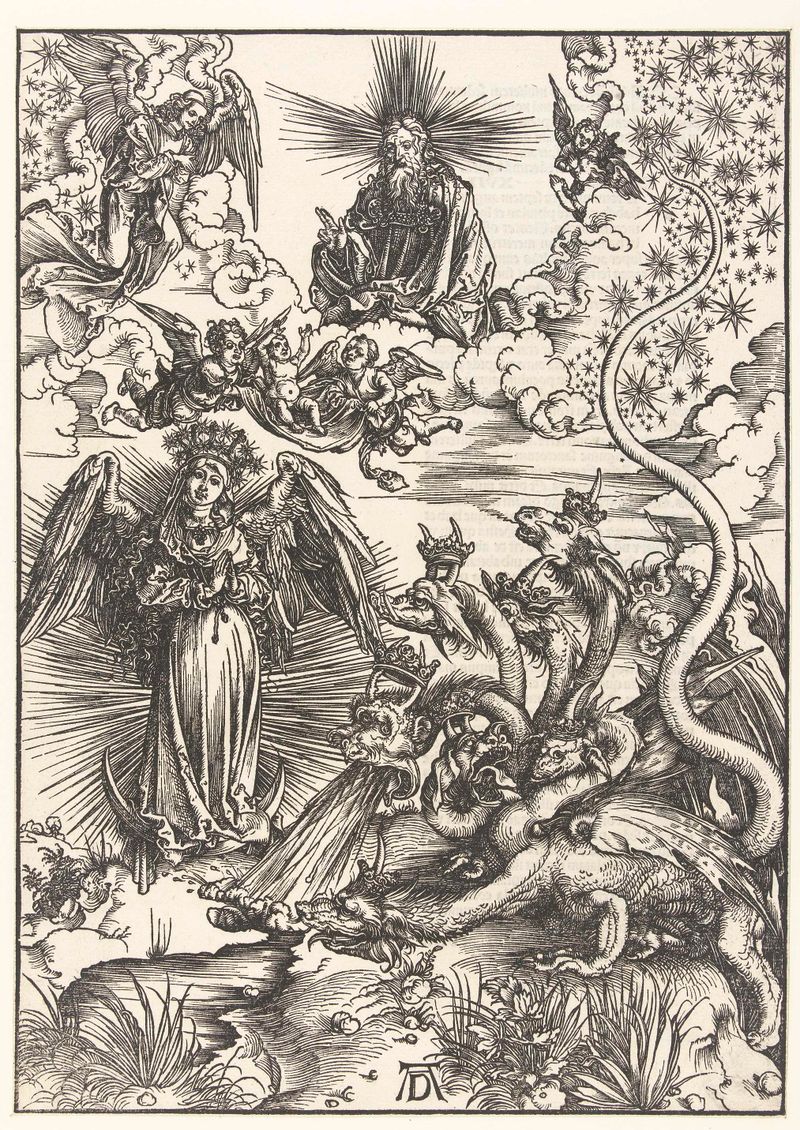
De apocalyptische vrouw en de zevenkoppige draak
Albrecht Dürer
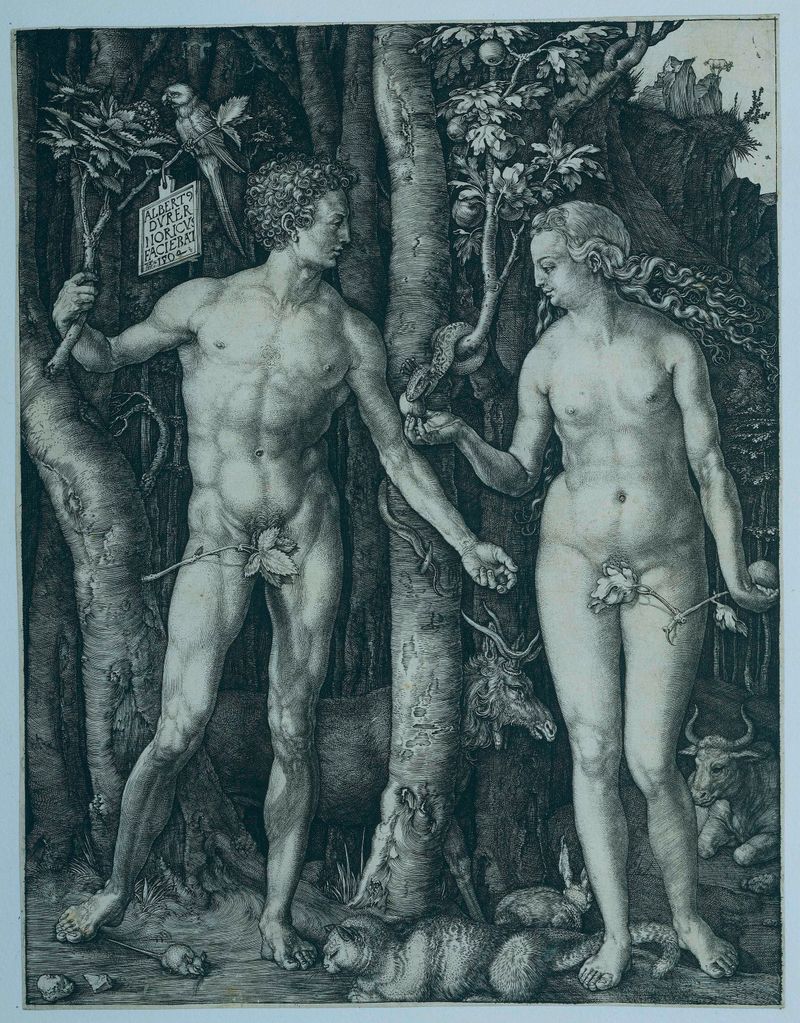
Adam en Eva
Albrecht Dürer
More Religious Art
Browse all →
The Return of the Prodigal Son
Rembrandt van Rijn

The Garden of Earthly Delights
El Bosco

Count Orgaz’ funeral
El Greco

The Hundred Guilder Print: the central piece with Christ preaching, the plate arched
Rembrandt van Rijn

The Descent from the Cross
Rogier van der Weyden

The return of the prodigal son
Rembrandt van Rijn