
De visitatie — History & Facts
In the soft glow of early morning light, two women stand poised in an intimate embrace, joy radiating between them. Their hands reach out, bridged by shared ecstasy, as if the air around them hums with the sacred news they exchange. The moment is alive, a brief yet eternal connection frozen in time, with the delicate play of shadows adding depth to their expressions. Look to the left at the figures of Mary and Elizabeth, their faces illuminated by an ethereal light that emphasizes their serene joy.
Notice how the rich fabrics of their garments contrast with the soft, muted background, drawing your gaze to their vibrant presence. The intricate details of their attire showcase the Master of Delft's meticulous technique, while the gentle folding of the drapery enhances the emotional weight of their encounter. In this moment of visitation, the artist captures not just a meeting, but a profound spiritual connection. The contrasting expressions of delight and awe highlight the complexity of motherhood and faith, suggesting a deeper narrative of divine purpose.
The serene background emphasizes the isolation of this intimate moment amidst a world that may not share in their joy, inviting viewers to ponder the sanctity of such occurrences. The Master of Delft painted De visitatie in 1503, a period marked by the flourishing of early Northern Renaissance art. At this time, he was in Delft, navigating the shifting dynamics of artistic expression while embracing emerging humanist themes. His work reflects the nuanced interplay of faith and emotion, resonating with the spiritual zeitgeist of the era and capturing the wonder of divine encounters.
More Artworks by Master of Delft
Browse all →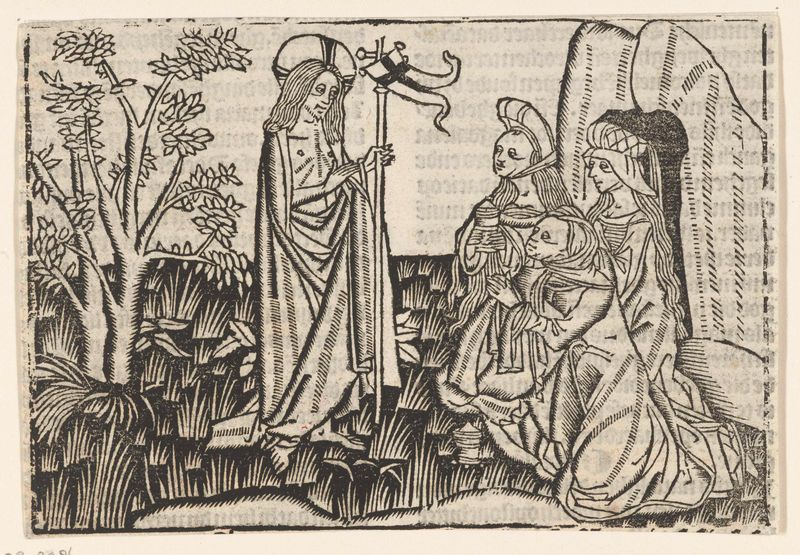
Christus verschijnt aan de drie Maria's
Master of Delft
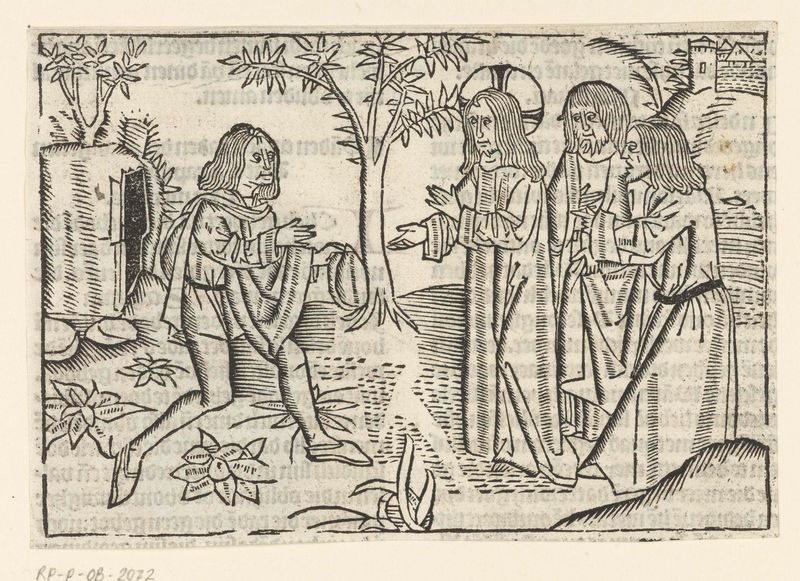
Christus en de rijke jongeling
Master of Delft
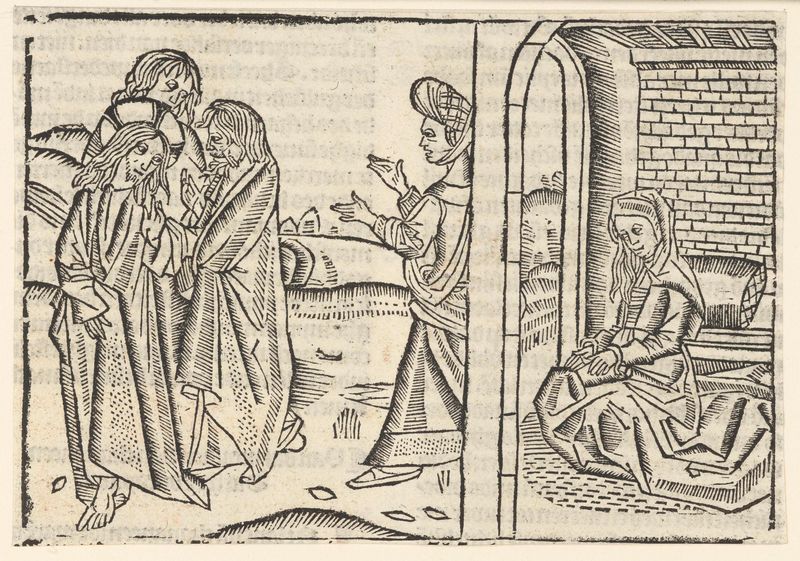
Christus en de Kanaänitische vrouw
Master of Delft
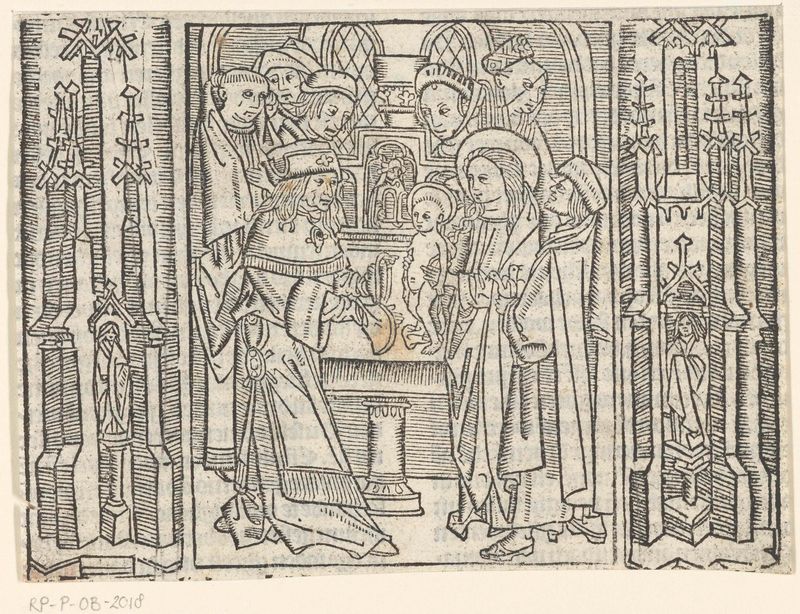
Presentatie van Christus in de tempel
Master of Delft
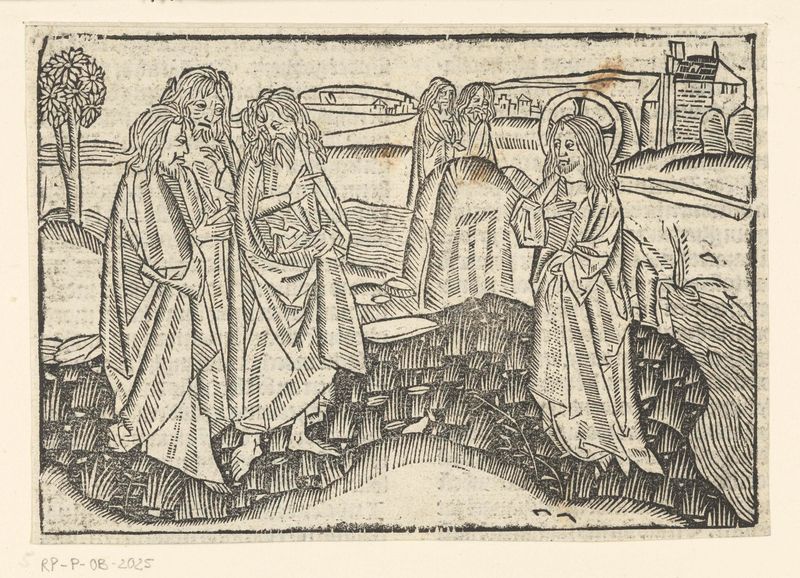
Christus kiest zijn eerste discipelen
Master of Delft
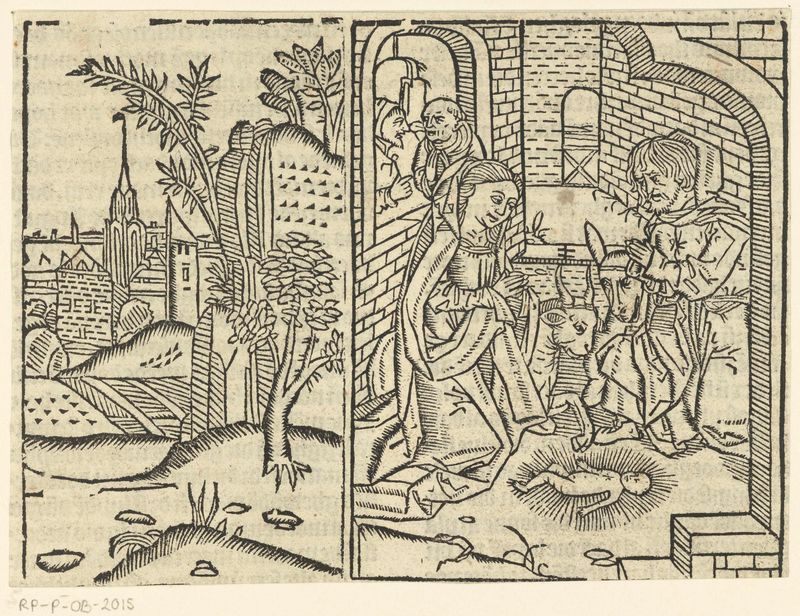
Geboorte van Christus
Master of Delft
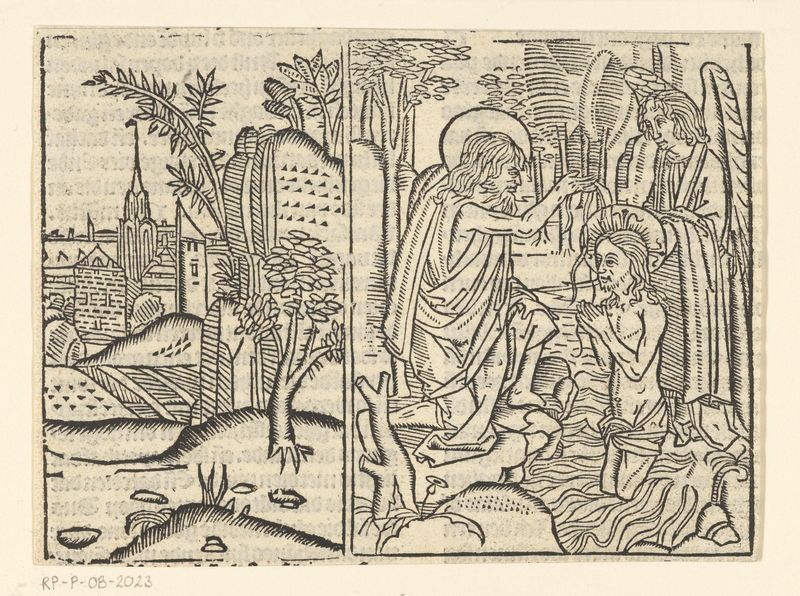
De doop van Christus in de Jordaan
Master of Delft
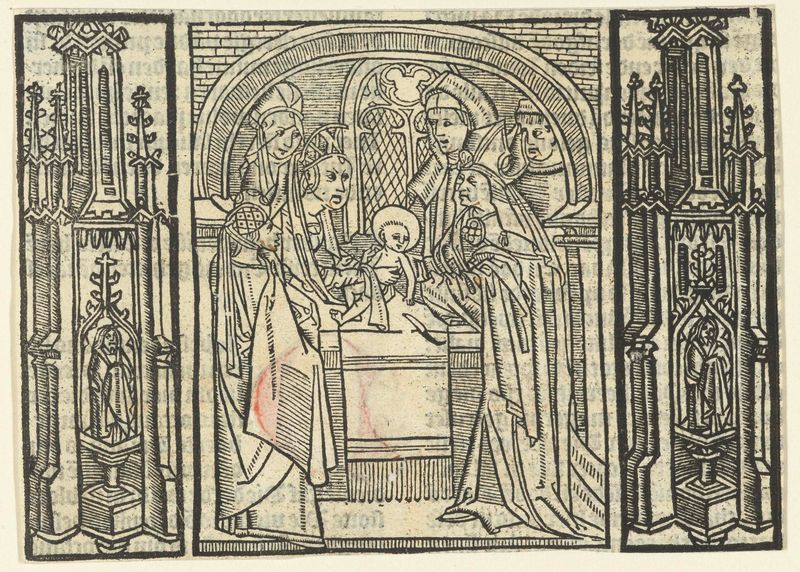
Besnijdenis van Christus
Master of Delft
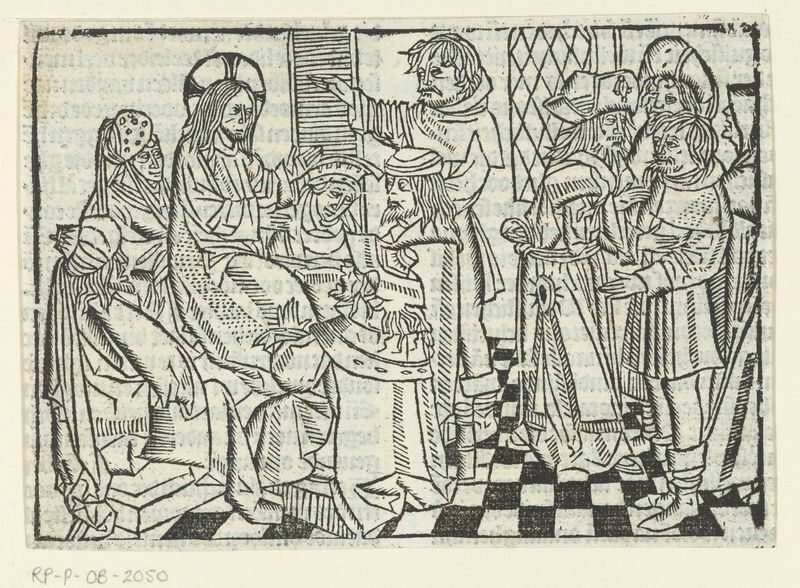
Christus geneest de man met een verdorde hand
Master of Delft
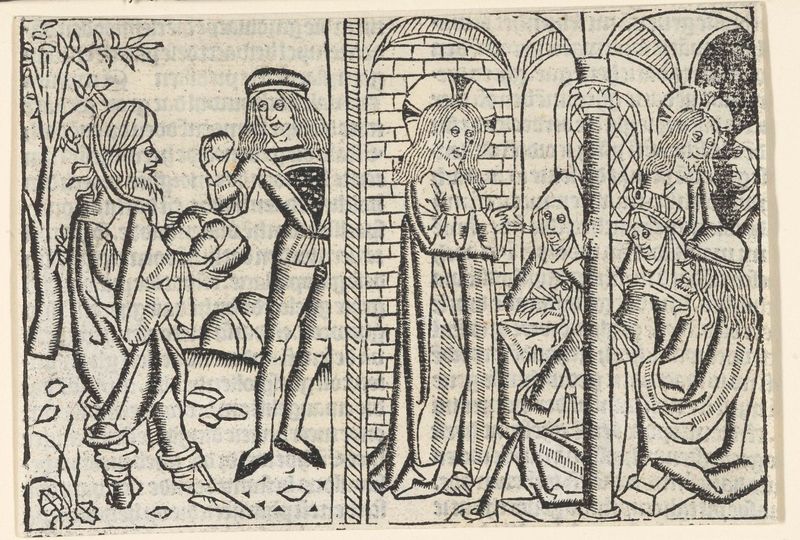
De Farizeeërs willen Christus stenigen
Master of Delft
More Religious Art
Browse all →
The Return of the Prodigal Son
Rembrandt van Rijn

The Garden of Earthly Delights
El Bosco

Count Orgaz’ funeral
El Greco

The Hundred Guilder Print: the central piece with Christ preaching, the plate arched
Rembrandt van Rijn

The Descent from the Cross
Rogier van der Weyden

The return of the prodigal son
Rembrandt van Rijn