
Dead Mother — History & Facts
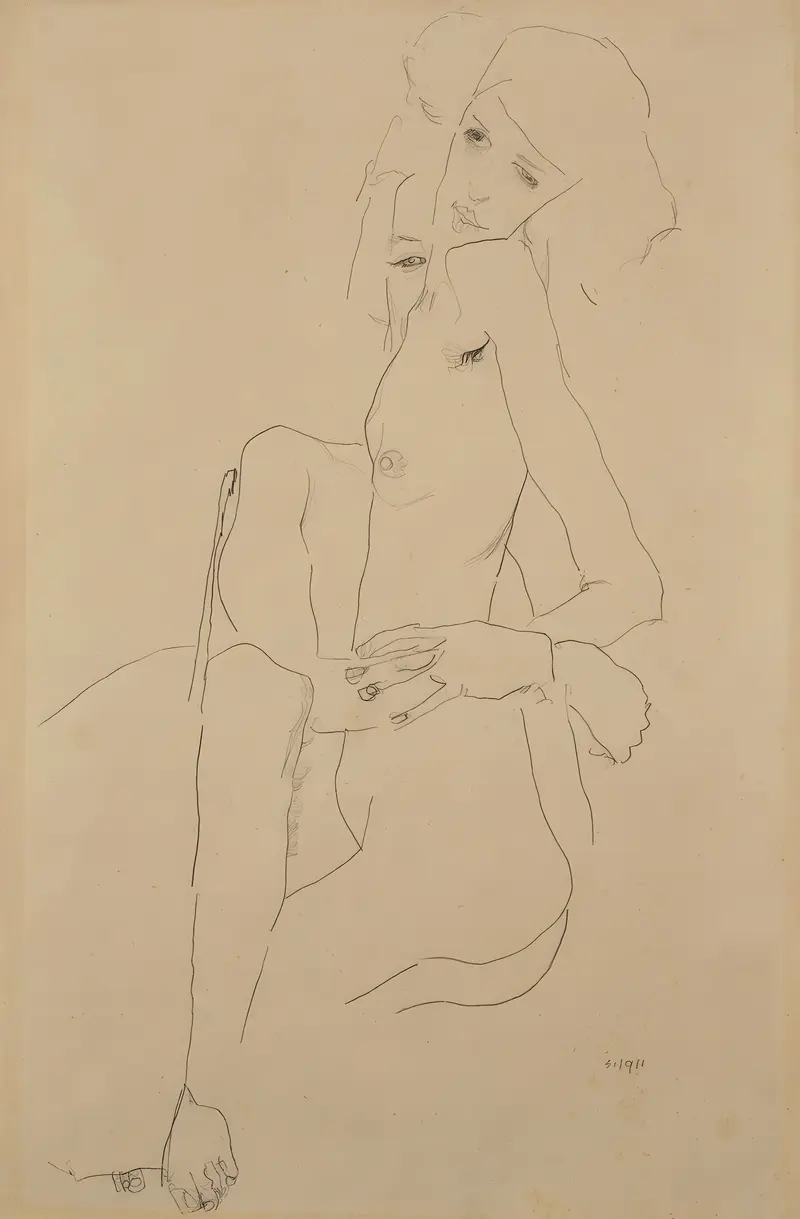
In Dead Mother, Egon Schiele presents a stark and haunting image. The painting features a lifeless figure, draped in muted colors that evoke a sense of sorrow. The background is minimal, focusing the viewer's attention on the figure's expression and posture.
The use of dark tones and sharp lines adds to the overall feeling of grief and loss. The painting is characterized by Schiele's distinctive style, marked by exaggerated forms and emotional intensity. The figure's features are distorted, reflecting the inner turmoil of loss. The brushwork is expressive, with visible strokes that enhance the emotional weight of the scene.
This work exemplifies Schiele's exploration of human vulnerability and the complexities of relationships. Egon Schiele created Dead Mother during a period of personal turmoil, reflecting his own experiences with loss. This painting is part of a series where he addressed themes of mortality and grief, often drawing from his own life. Schiele's work is known for its raw emotionality, and this piece is no exception.
It serves as a powerful reminder of the fragility of life and the deep connections we hold with our loved ones.
More Artworks by Egon Schiele

Lovers
Egon Schiele
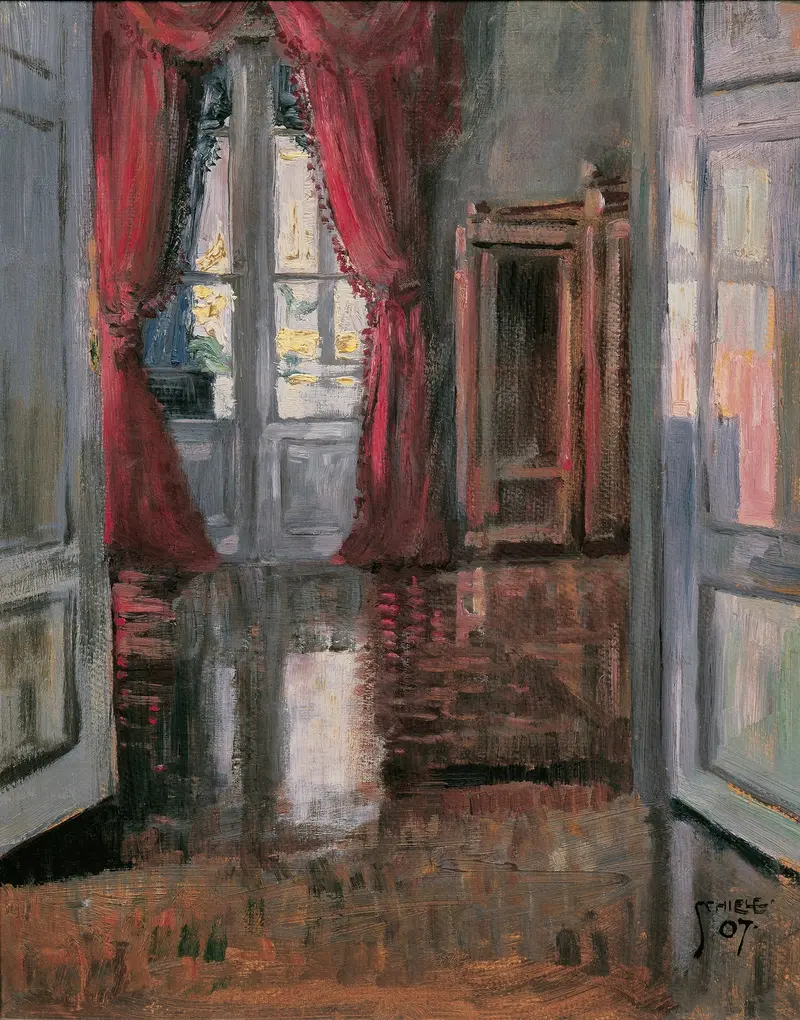
Blick in die Wohnung von Leopold und Marie Czihaczek
Egon Schiele
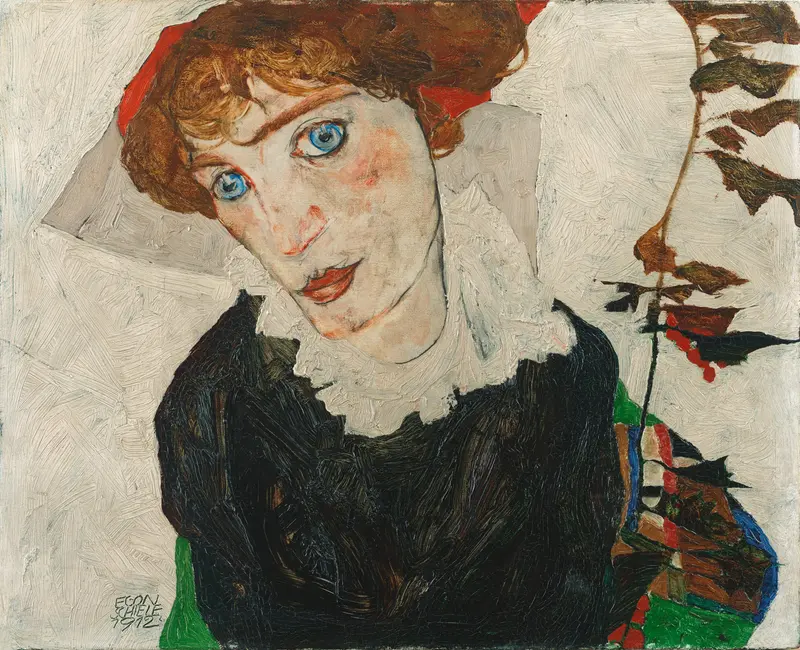
Portrait Of Wally Neuzil
Egon Schiele
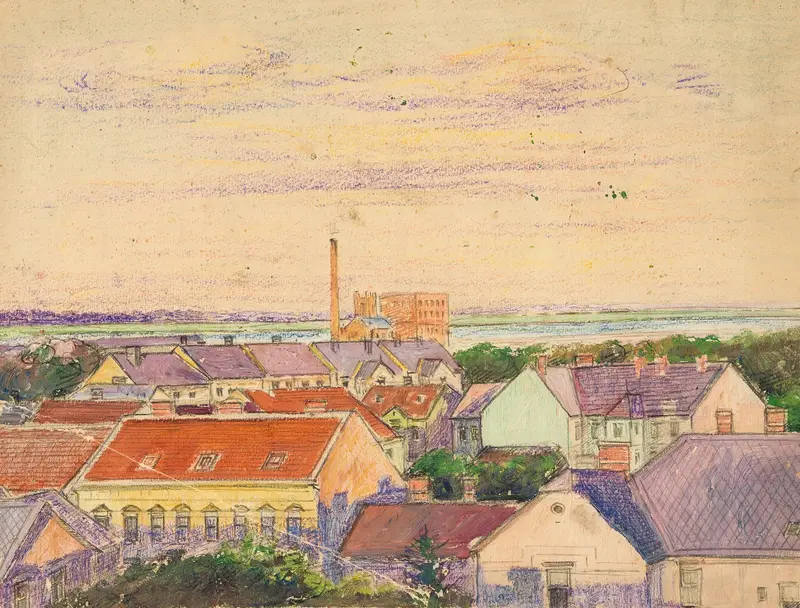
Stadtansicht
Egon Schiele
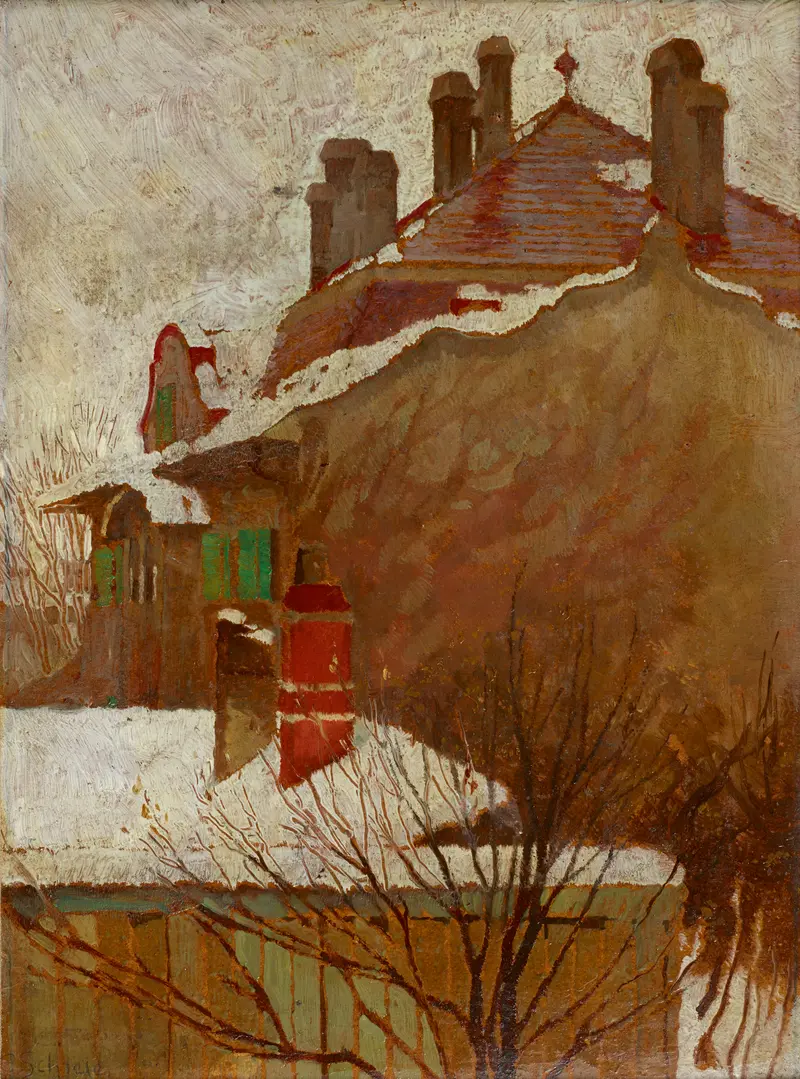
Häuser im Winter (Blick aus dem Atelier)
Egon Schiele
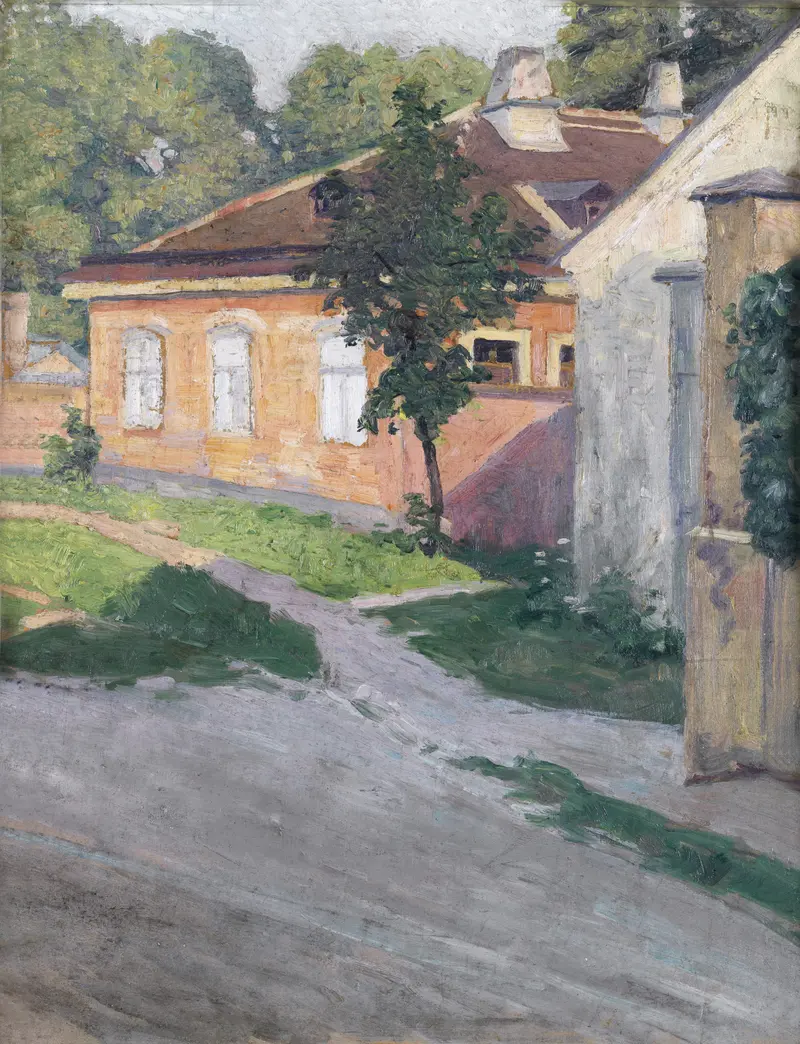
Haus In Hütteldorf (House In Hütteldorf)
Egon Schiele
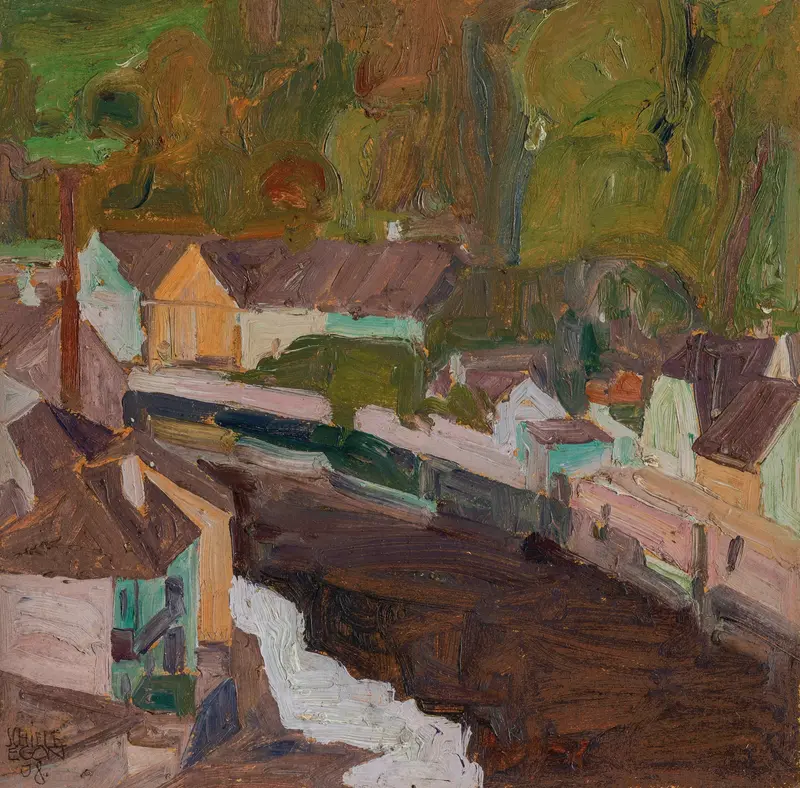
Dorf am Fluss II
Egon Schiele
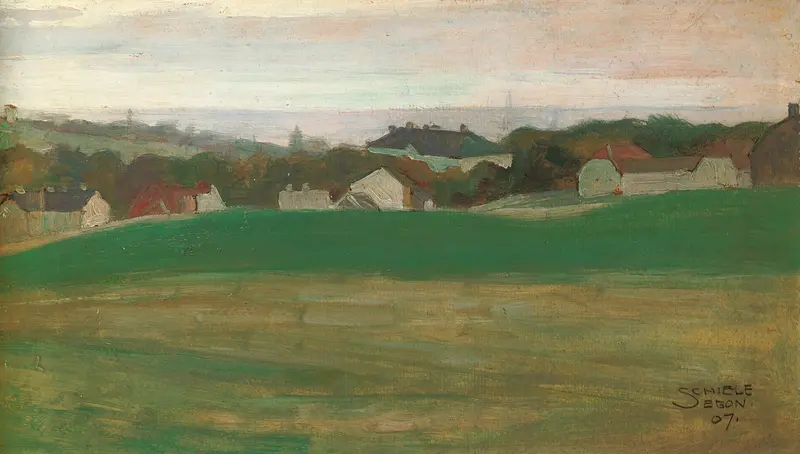
Wiese mit Dorf im Hintergrund II
Egon Schiele
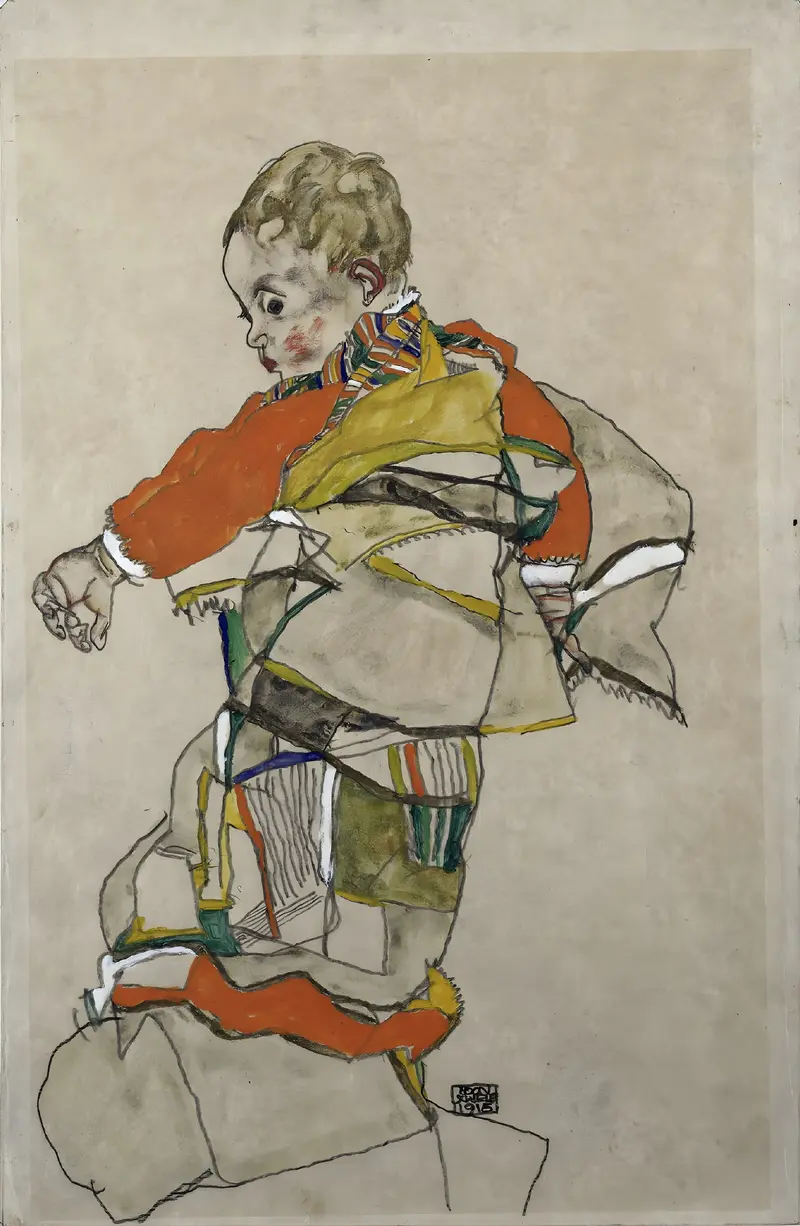
Portrait of a Child (Anton Peschka, Jr.)
Egon Schiele
The Embrace
Egon Schiele



