
Discover insights about this artwork
Death of Dido — History & Facts
Death of Dido shows a dramatic scene of Dido, the Queen of Carthage, lying on a bed surrounded by her loyal attendants. Her face expresses despair and sorrow as she prepares for her tragic end. Rich reds and deep blues dominate the painting, creating a sense of urgency and emotion.
The figures around her are painted with great detail, capturing their grief and concern for their queen. Notice how Dido's body is positioned elegantly, yet her expression reveals her inner turmoil. The flowing drapery of her garments adds to the dramatic effect, as it seems to flow with her emotions. Rubens skillfully uses light and shadow to highlight Dido's face, drawing your attention to her sorrowful expression.
The background is less detailed, allowing the viewer to focus on the intense emotions of the central figures. Peter Paul Rubens was a leading artist of the Baroque period, known for his energetic compositions and vibrant colors. He painted Death of Dido during the early 1600s, when he was inspired by classical themes and stories. This painting reflects his ability to convey deep emotion through dynamic poses and rich color palettes.
An interesting fact is that Rubens created numerous versions of this theme, showcasing his fascination with the tragic tale of Dido and Aeneas.
More Artworks by Peter Paul Rubens
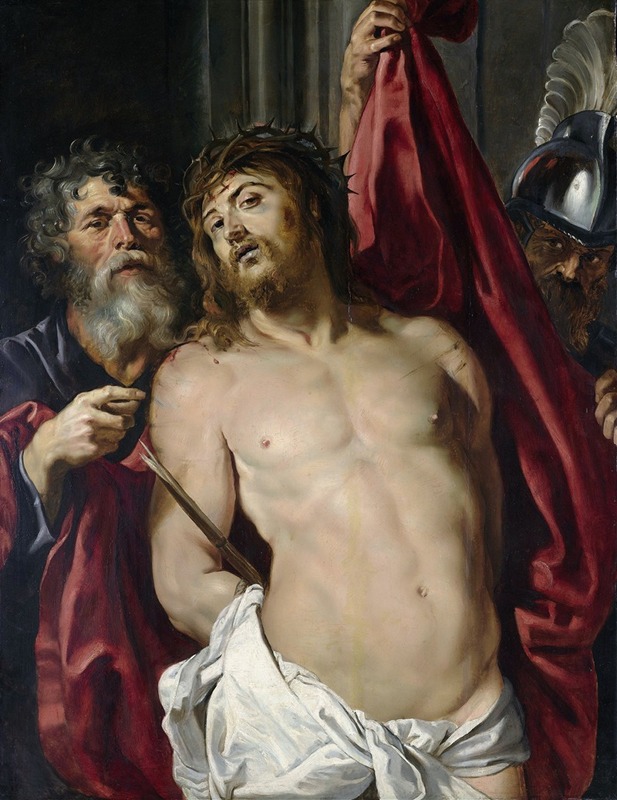
Ecce homo
Peter Paul Rubens
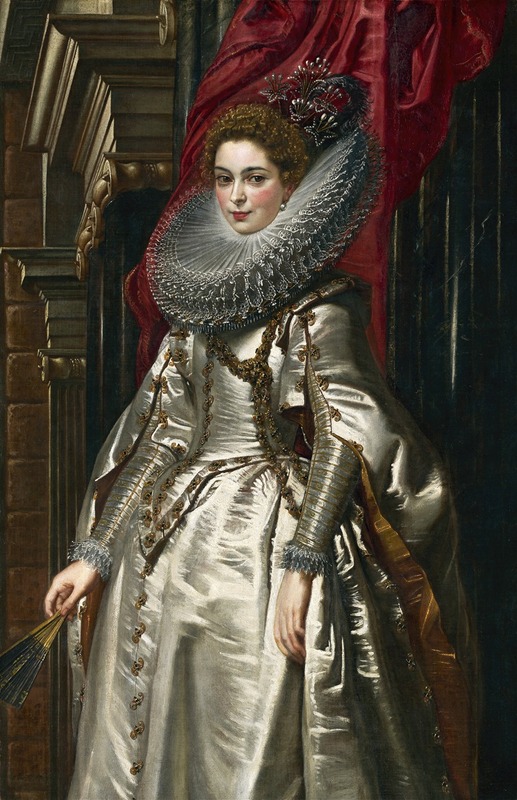
Marchesa Brigida Spinola Doria
Peter Paul Rubens
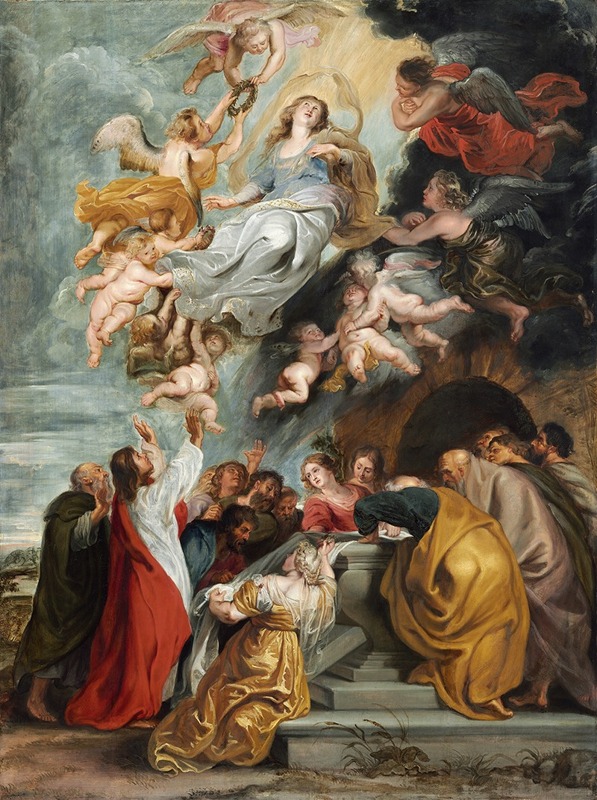
The Assumption of the Virgin
Peter Paul Rubens

Saint Teresa of Ávila Interceding for Souls in Purgatory
Peter Paul Rubens
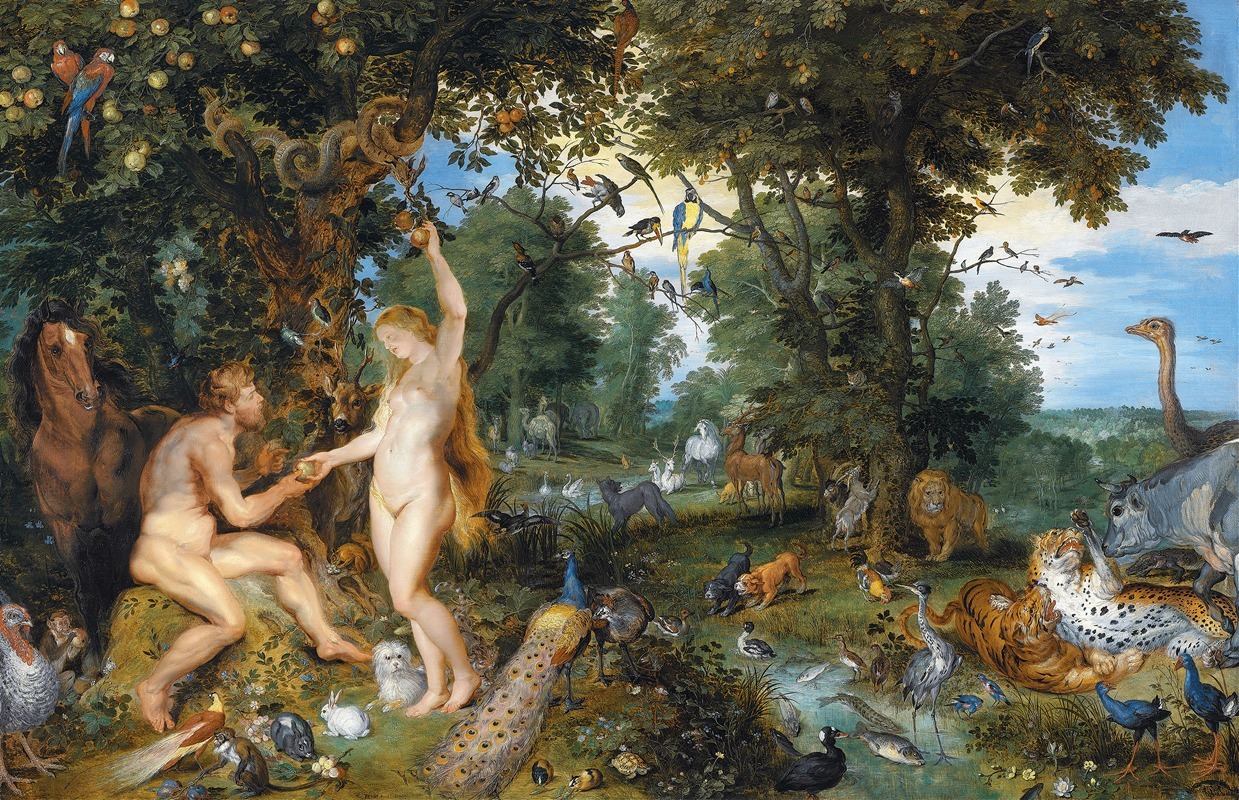
The Garden of Eden with the Fall of Man
Peter Paul Rubens
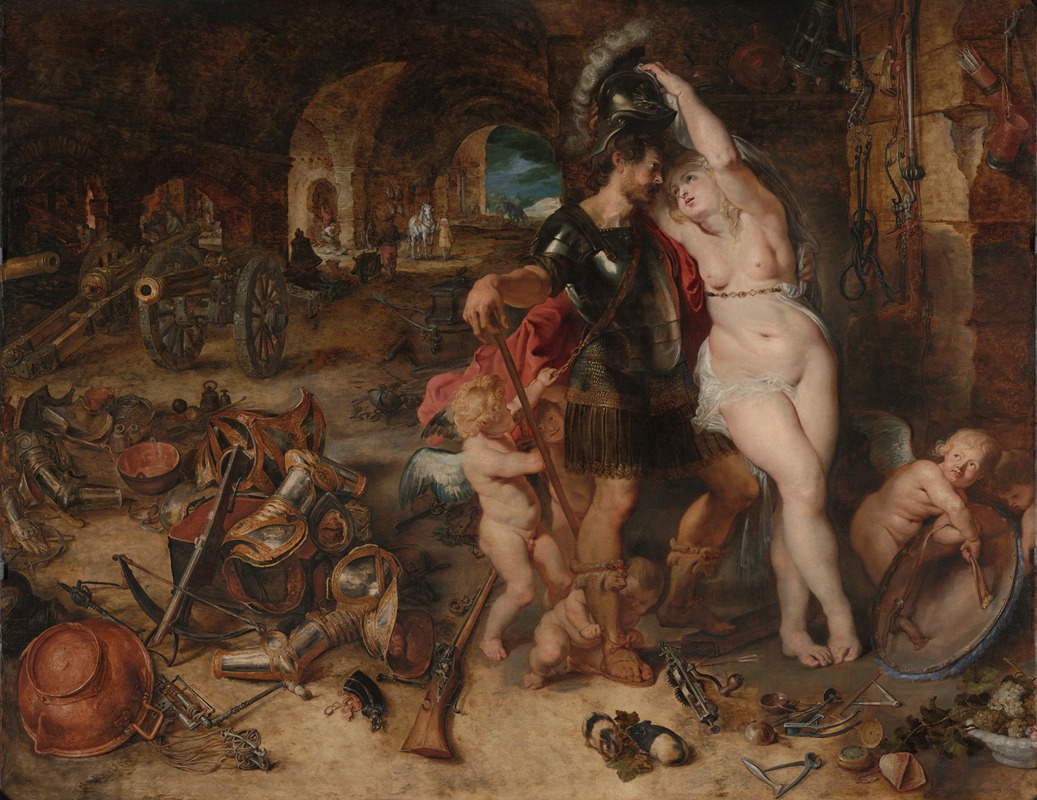
The Return From War,Mars Disarmed By Venus
Peter Paul Rubens
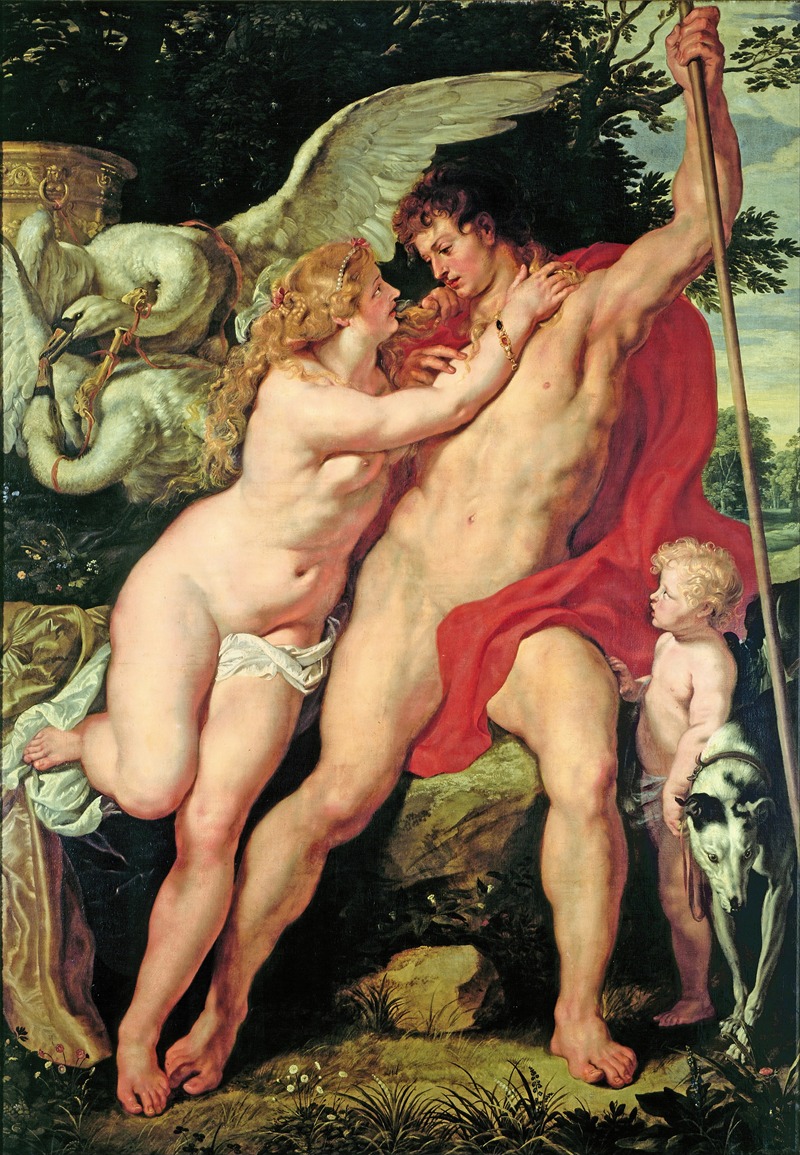
Venus and Adonis
Peter Paul Rubens
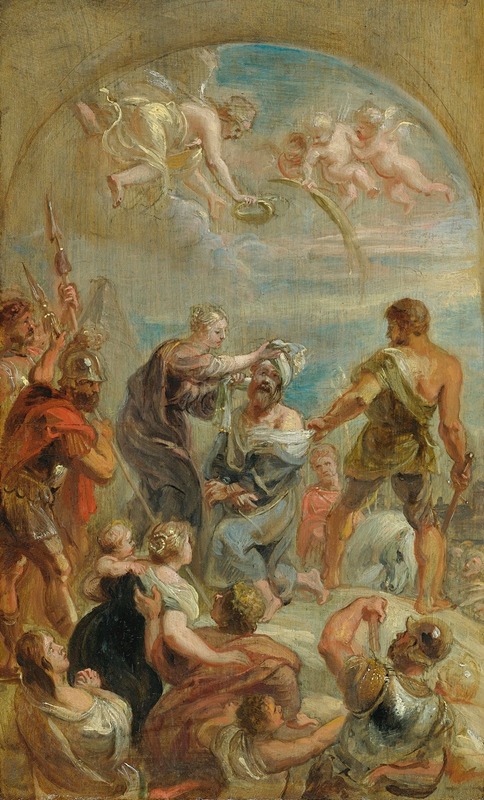
The Martyrdom Of Saint Paul
Peter Paul Rubens
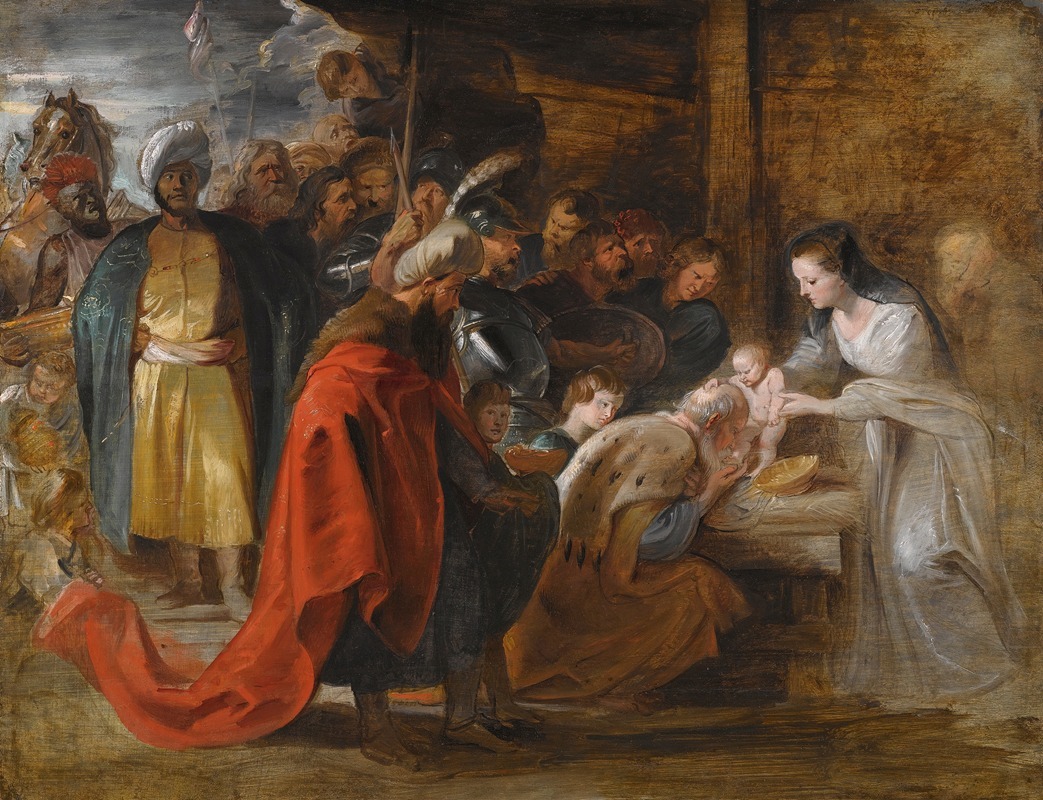
The Adoration Of The Magi
Peter Paul Rubens
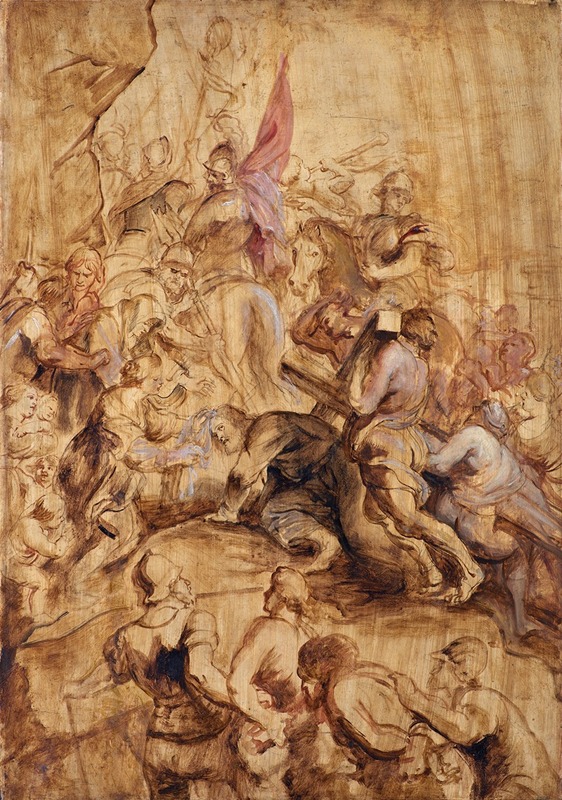
The Ascent to Calvary. The Bearing of the Cross
Peter Paul Rubens
More Historical Art
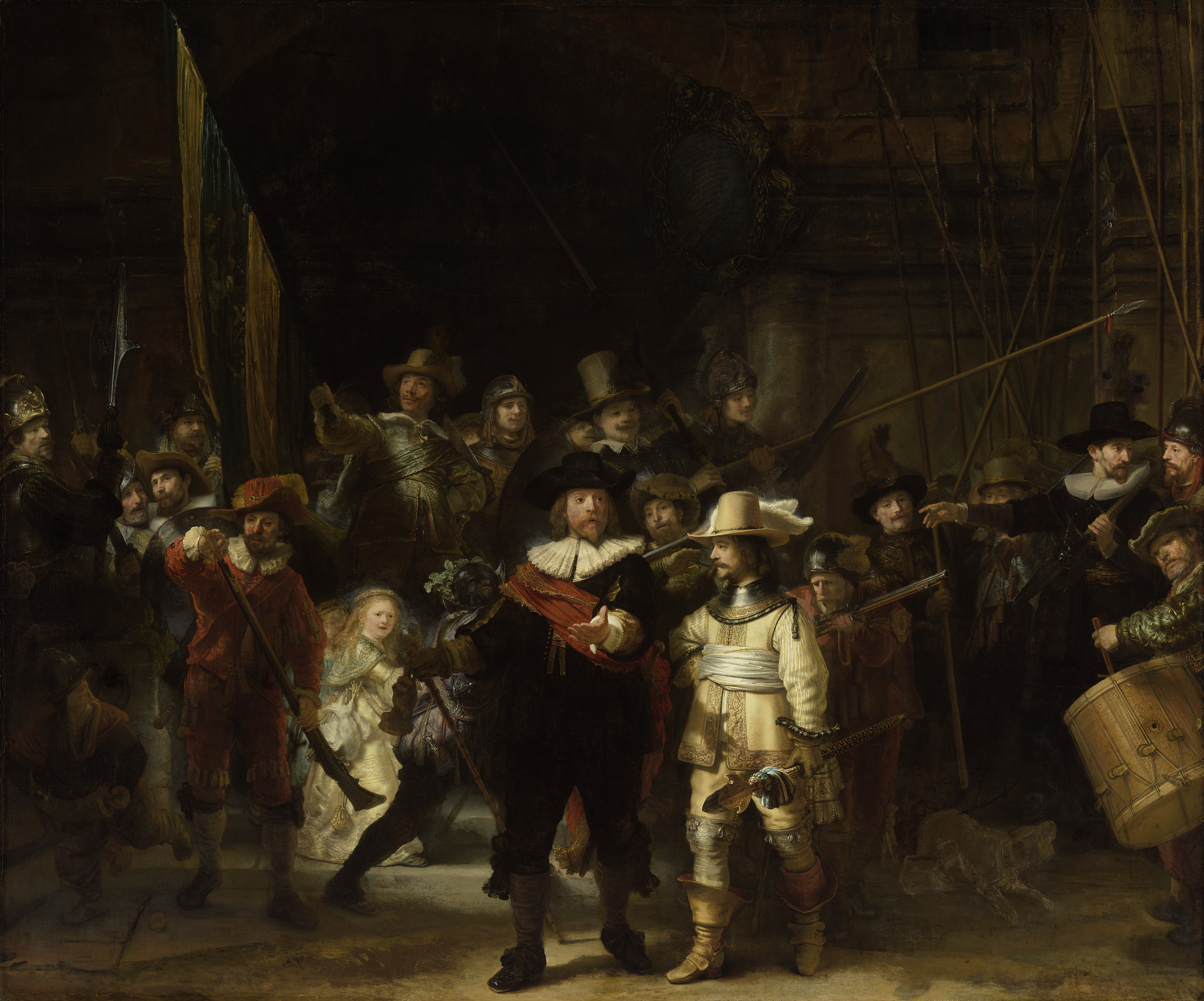
The Night Watch Militia Company of District II under the Command of Captain Frans Banninck Cocq
Rembrandt van Rijn
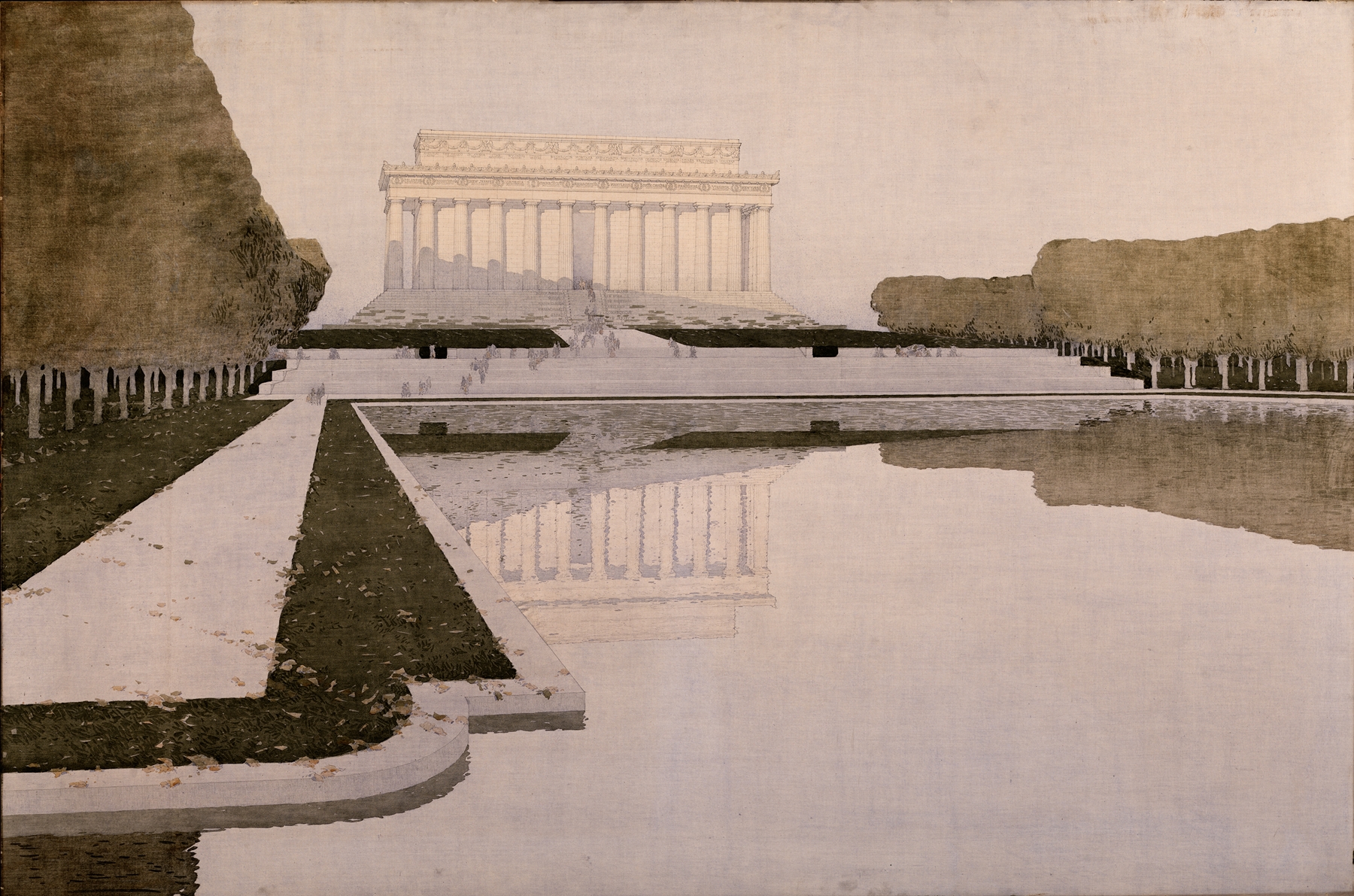
Lincoln Memorial
Henry Bacon
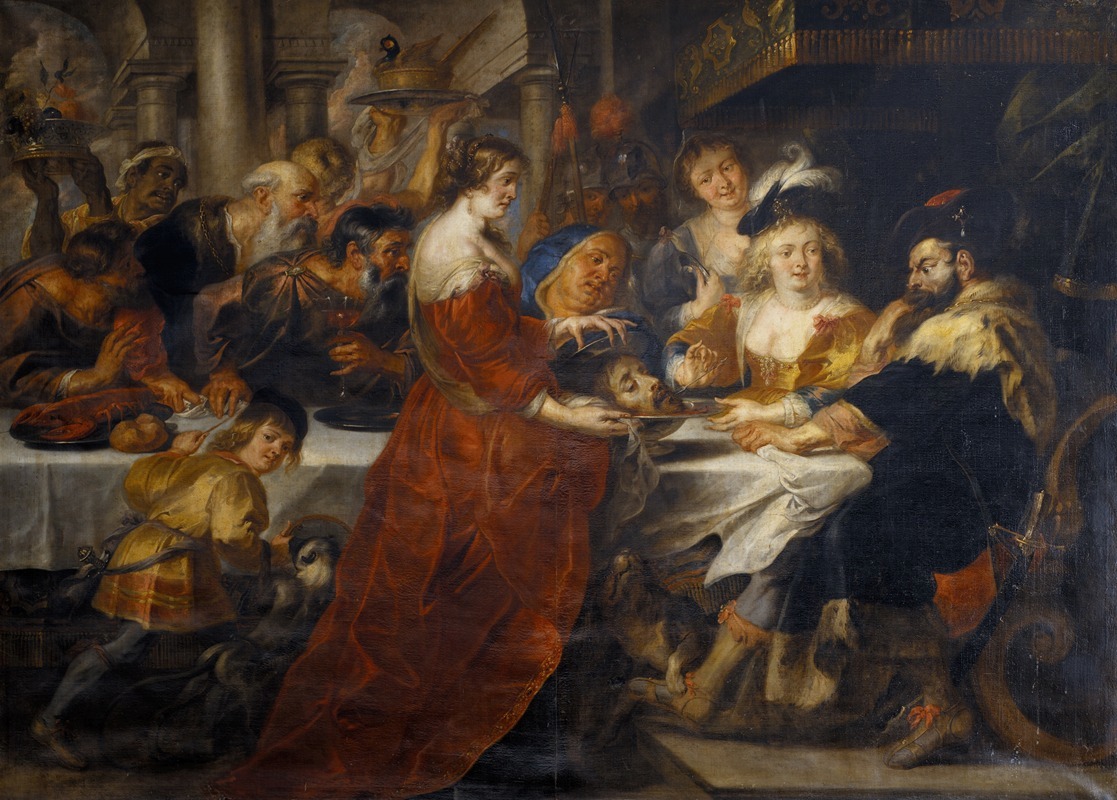
The Feast of Herod. Salome Bringing the Head of St John the Baptist on a Charger
Peter Paul Rubens
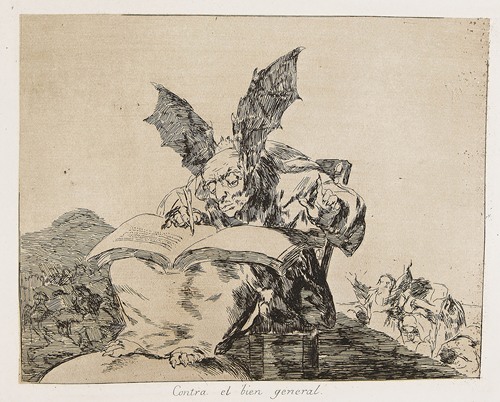
Los desastres de la guerra
Francisco de Goya
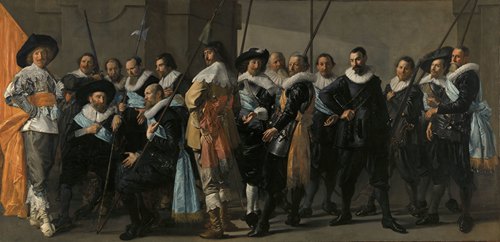
Militia Company of District XI under the Command of Captain Reynier Reael, Known as ‘The Meagre Company’
Frans Hals
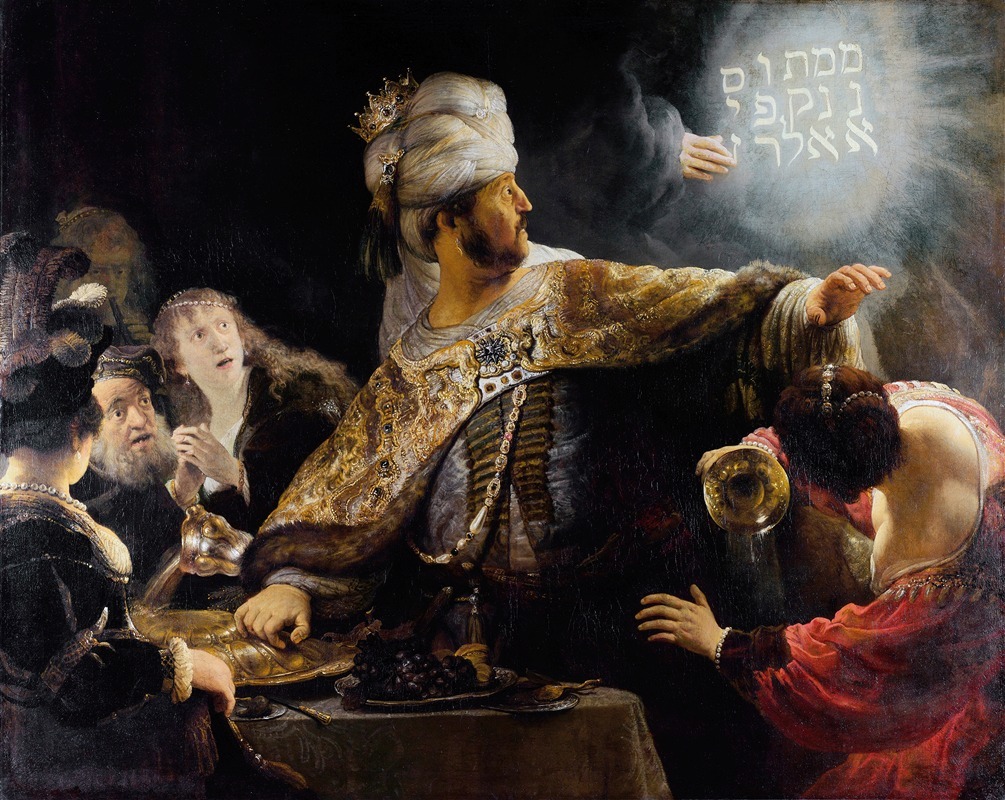
Belshazzar’s feast
Rembrandt van Rijn