
Dedham Vale — History & Facts
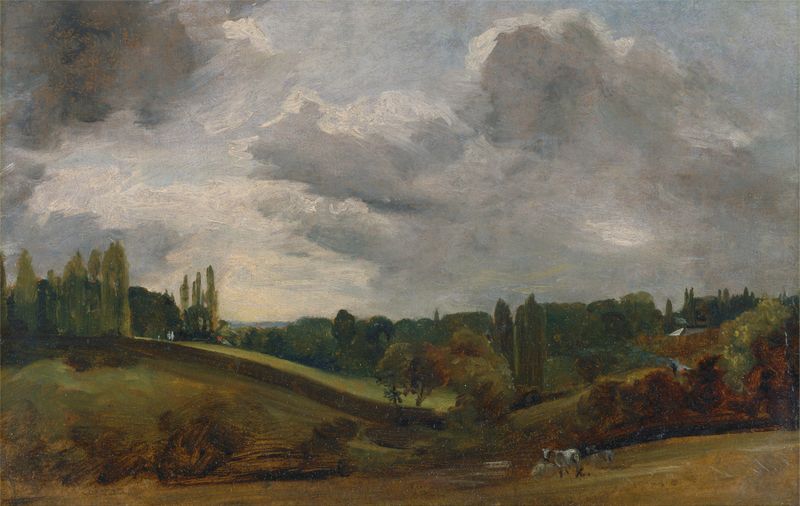
What if silence could speak through light? In the tranquil embrace of Dedham Vale, the landscape breathes a quiet narrative, inviting us to listen to the whispers of nature. Look to the left at the gentle curve of the river, its surface shimmering like glass under the soft caress of a muted sun. Notice how the vivid greens and warm browns contrast with the delicate blues of the sky, creating a vivid tapestry that pulls the eye toward the horizon. Each brushstroke reveals a sense of calm yet hints at an underlying restlessness — the way the clouds seem to linger, pregnant with anticipation, while the trees stand resolutely, grounded yet yearning for a breeze. Deeper still, the composition speaks to a tension between emptiness and fullness.
The open expanse of sky contrasts sharply with the dense foliage and the winding river, offering a meditative space that evokes both solitude and connection. This interplay mirrors the artist’s emotional landscape; it’s a reflection on the beauty found in the stillness of nature, even amidst the chaos of life. The absence of figures in this serene setting amplifies the feeling of emptiness, inviting contemplation on what is left unsaid in the silence. In 1802, as John Constable painted Dedham Vale, he was deeply immersed in the pastoral beauty of his homeland, inspired by the English countryside.
This period marked the rise of Romanticism, a movement that emphasized emotion and nature, and Constable's work began to captivate audiences with its innovative use of light and atmosphere. His desire to capture the essence of rural life would come to define his legacy, positioning him as a pivotal figure in the evolution of landscape painting.
More Artworks by John Constable
Browse all →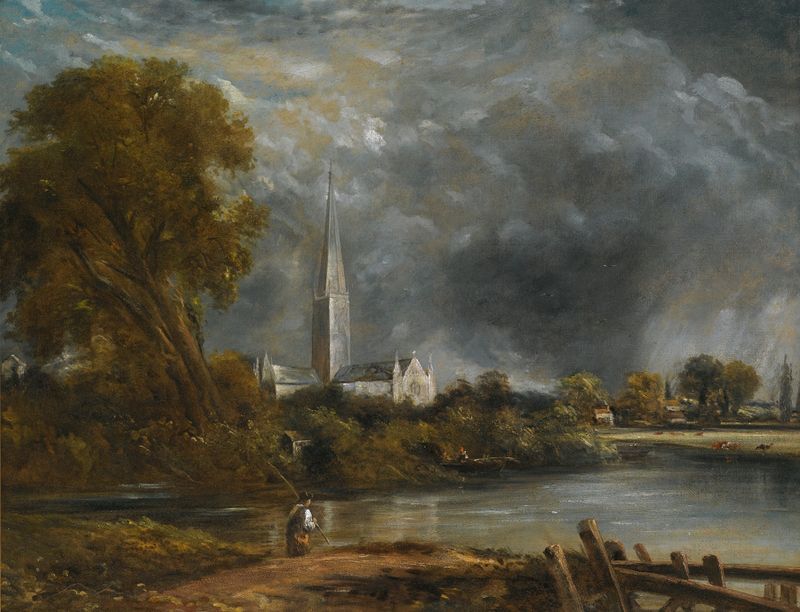
Salisbury Cathedral From The Meadows
John Constable
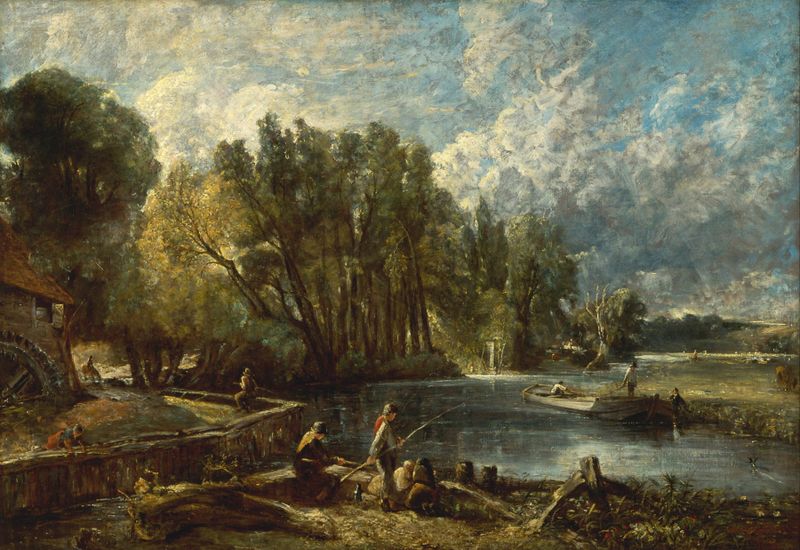
Stratford Mill
John Constable
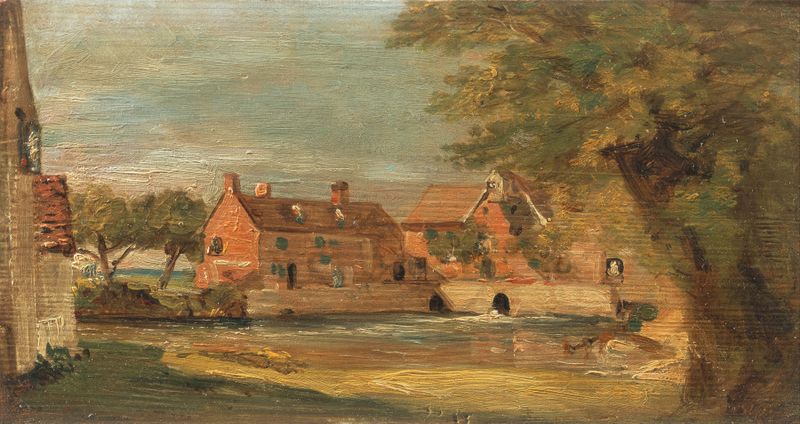
Flatford Mill
John Constable
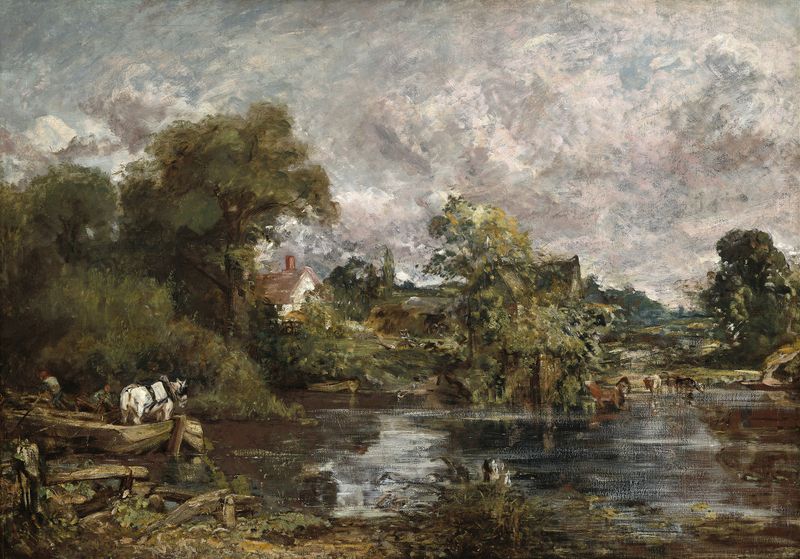
The White Horse
John Constable
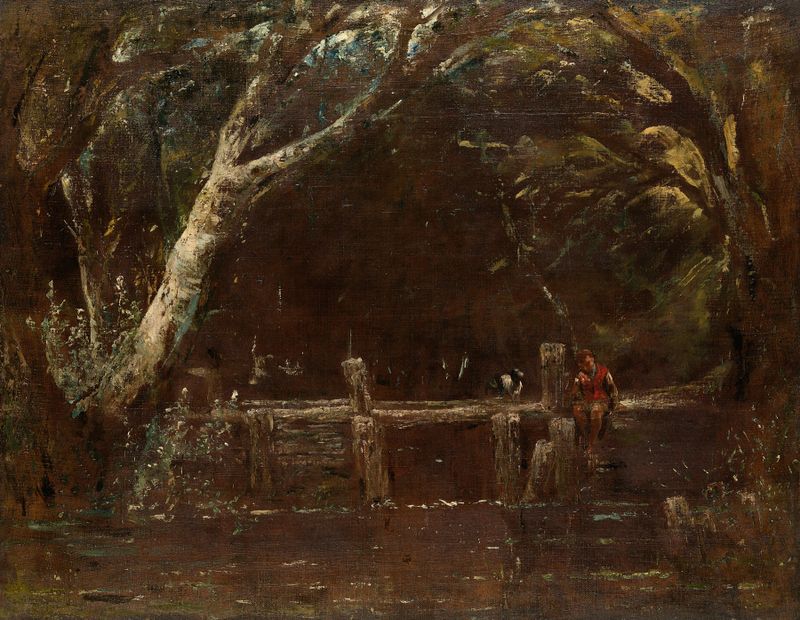
Landscape (The Lock)
John Constable
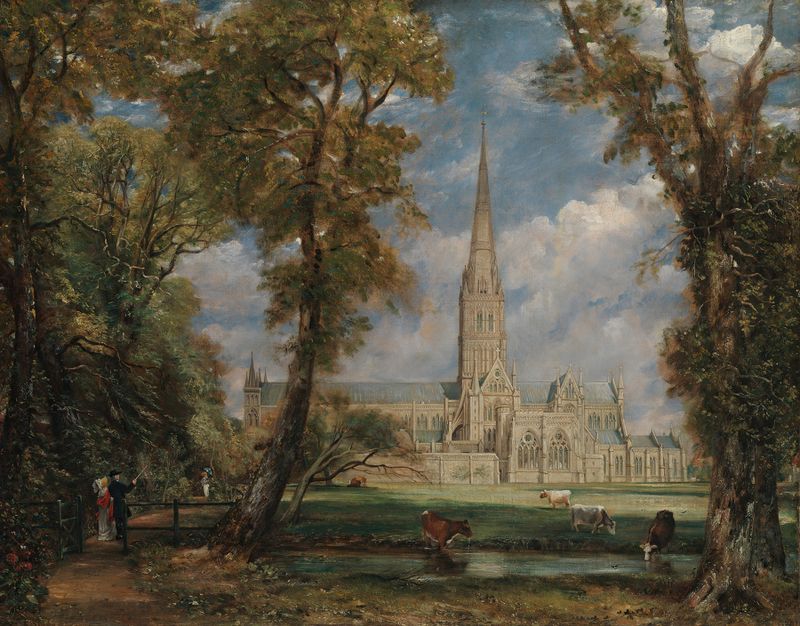
Salisbury Cathedral from the Bishop’s Grounds
John Constable
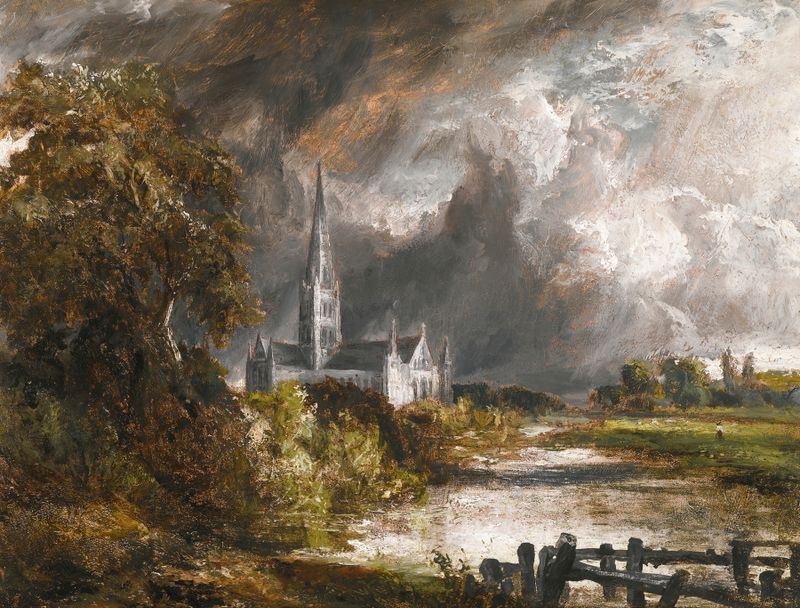
Salisbury Cathedral From The Meadows
John Constable
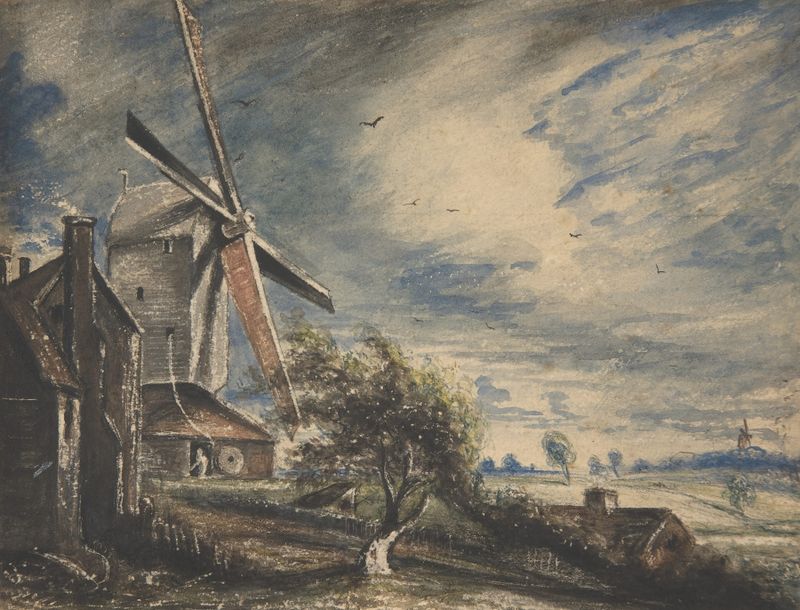
A Mill Near Colchester
John Constable
East Bergholt
John Constable

Flatford Mill
John Constable





