
Dedinský motív — History & Facts
In a world filled with noise, there exists an extraordinary power in stillness. It beckons us to contemplate the spaces between words, urging a transcendence beyond the mundane. Look closely at the center of Dedinský motív, where a solitary figure stands against a backdrop of muted earth tones. The figure's posture—slightly hunched yet resolute—draws our gaze, inviting us to explore the interplay of shadow and light enveloping them.
The gentle brushstrokes create a texture that mimics the rugged landscape, while soft, luminous hues infuse a sense of serenity, suggesting both isolation and inner strength. Within the composition, contrasts emerge that evoke deeper emotions. The background hints at the harshness of rural life, yet the figure embodies an unyielding spirit, a striking juxtaposition that speaks to resilience. The simplicity of the scene belies its complexity; the silence of the moment resonates with the weight of history, each detail whispering stories of generations past while holding the promise of future transcendence. Zolo Palugyay painted this work in 1930, during a time when he was deeply influenced by the regionalist movement in Hungary.
The period was marked by a search for cultural identity amidst the political upheaval of post-World War I Europe. Immersed in the rural landscapes of his homeland, Palugyay sought to capture the essence of everyday life, reflecting the profound connection between people and their environment.
More Artworks by Zolo Palugyay
Browse all →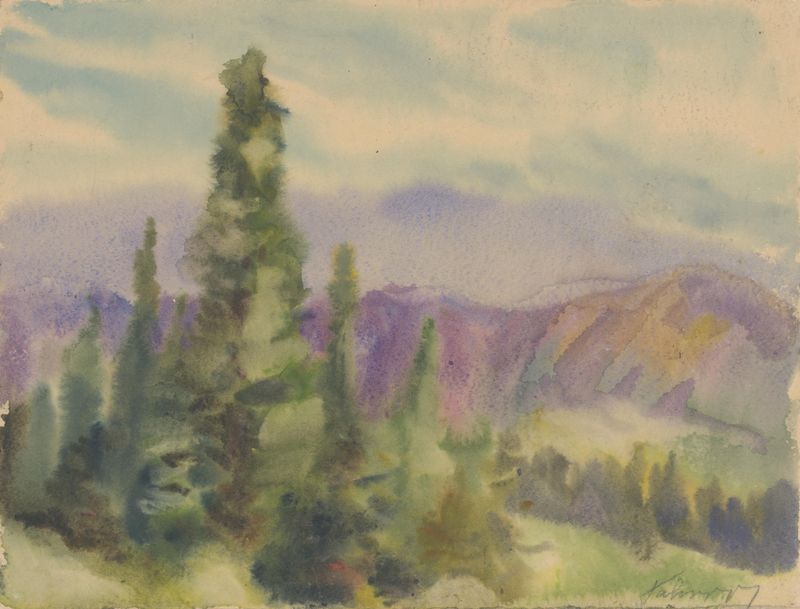
Motif from Liptov Mountains
Zolo Palugyay
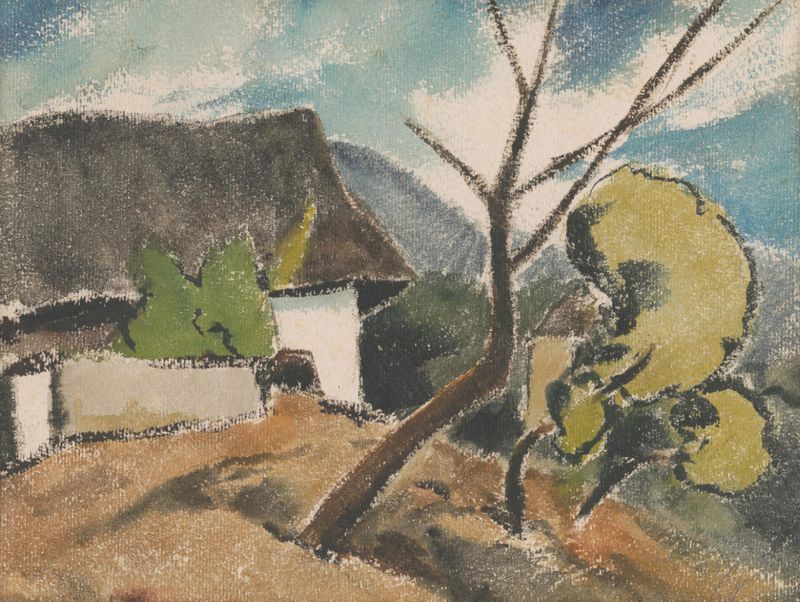
Oravská chalupa
Zolo Palugyay
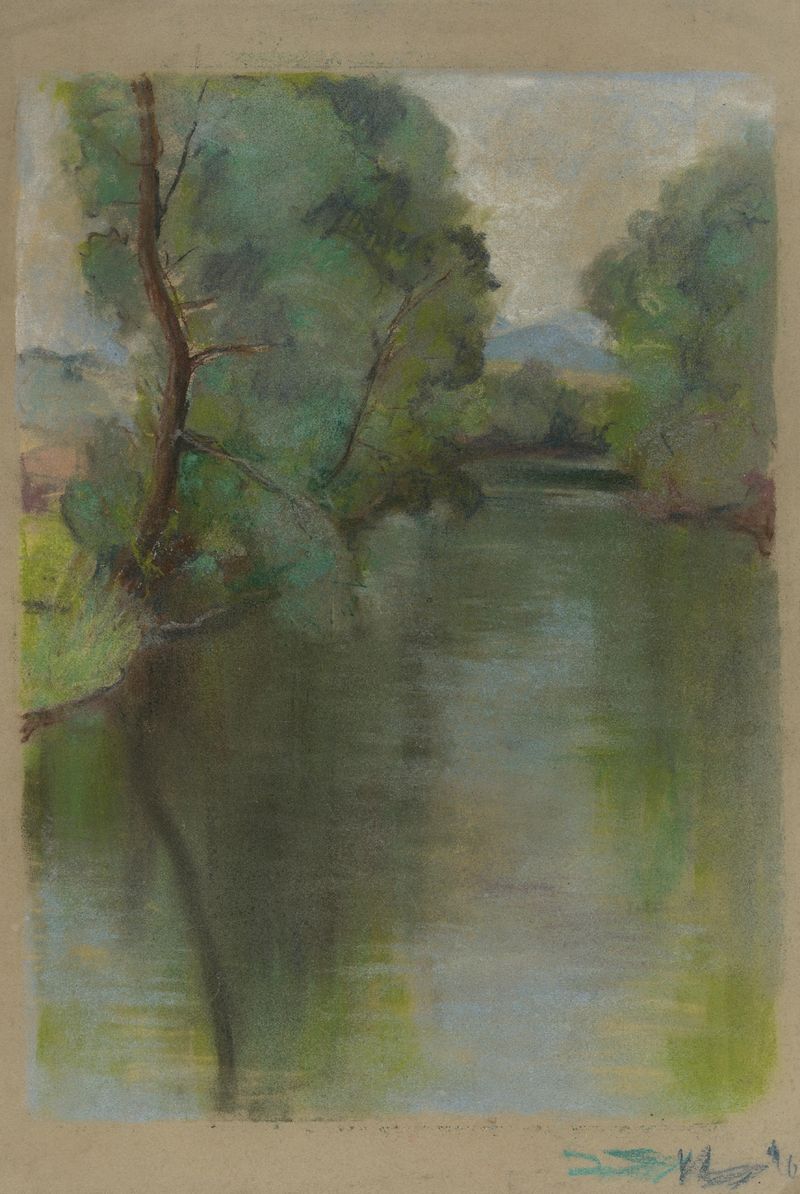
Silent River
Zolo Palugyay
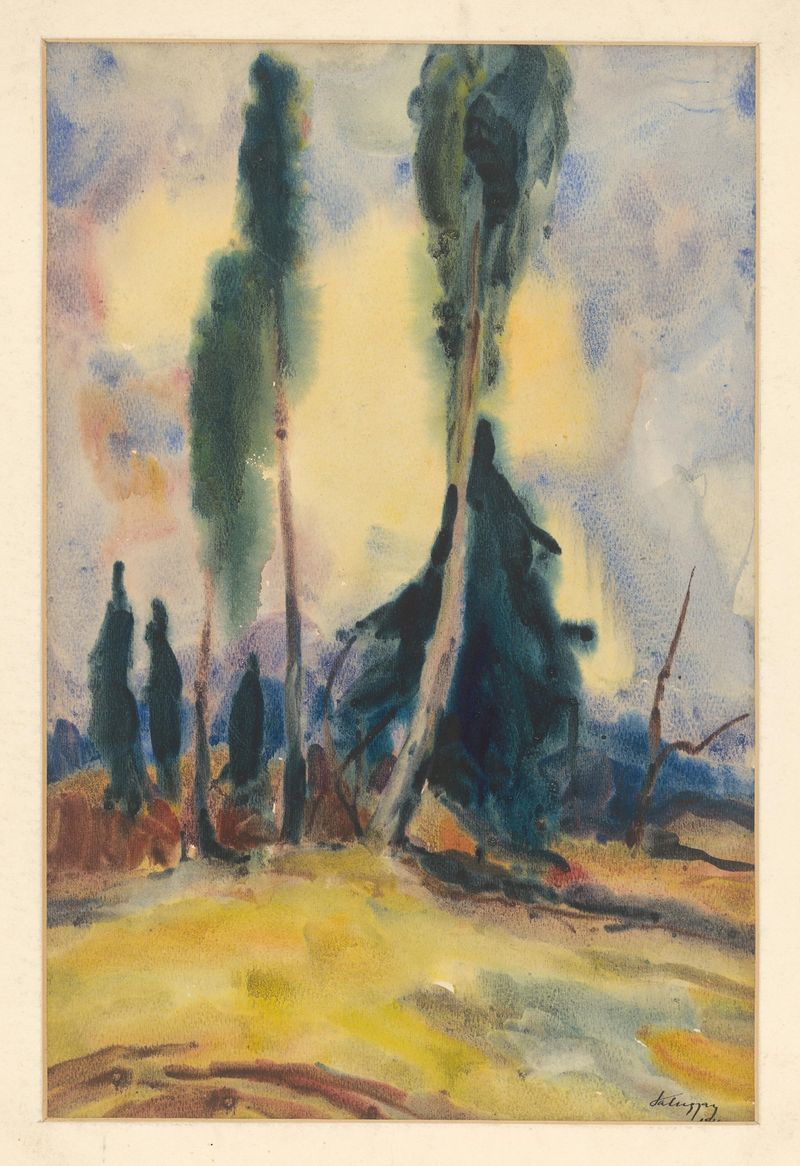
Three Trees on a Plain
Zolo Palugyay
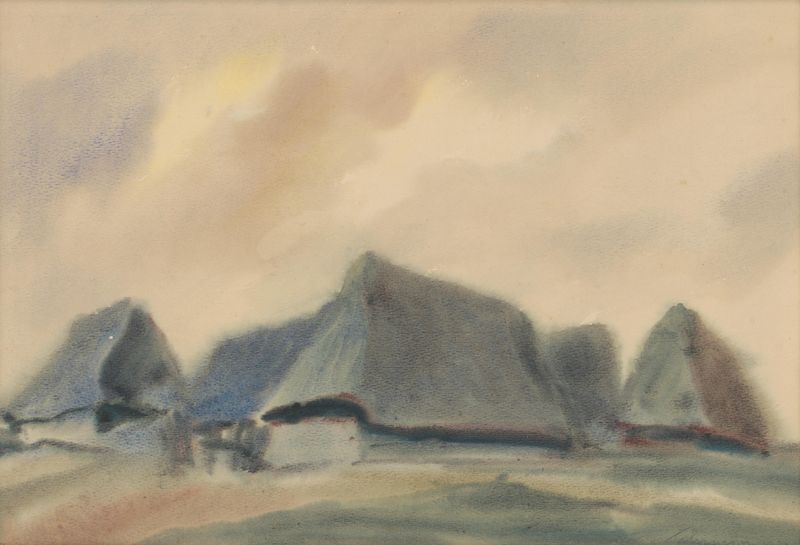
Modré chalupy
Zolo Palugyay
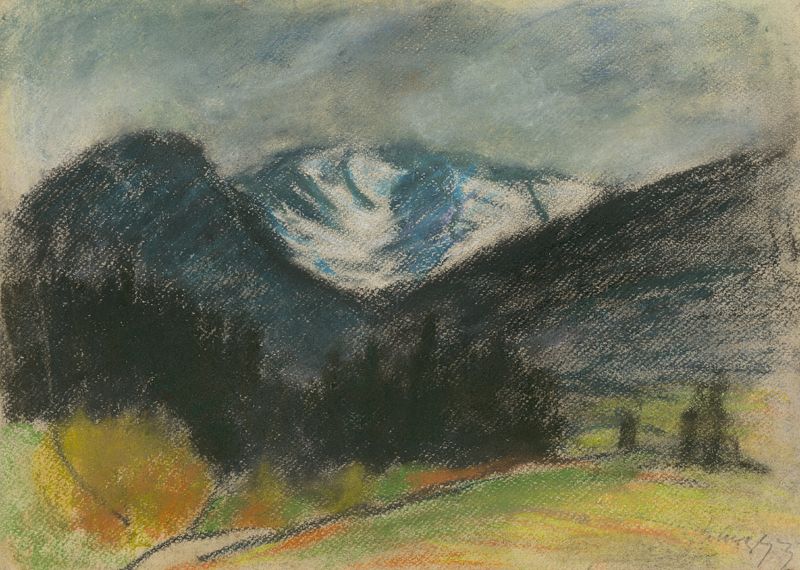
Mountain Landscape with Snowy Peaks
Zolo Palugyay
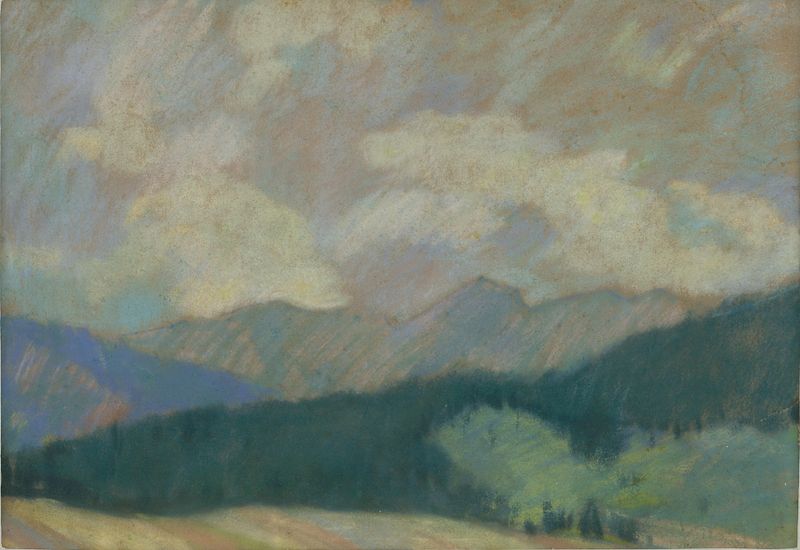
Horská krajina
Zolo Palugyay
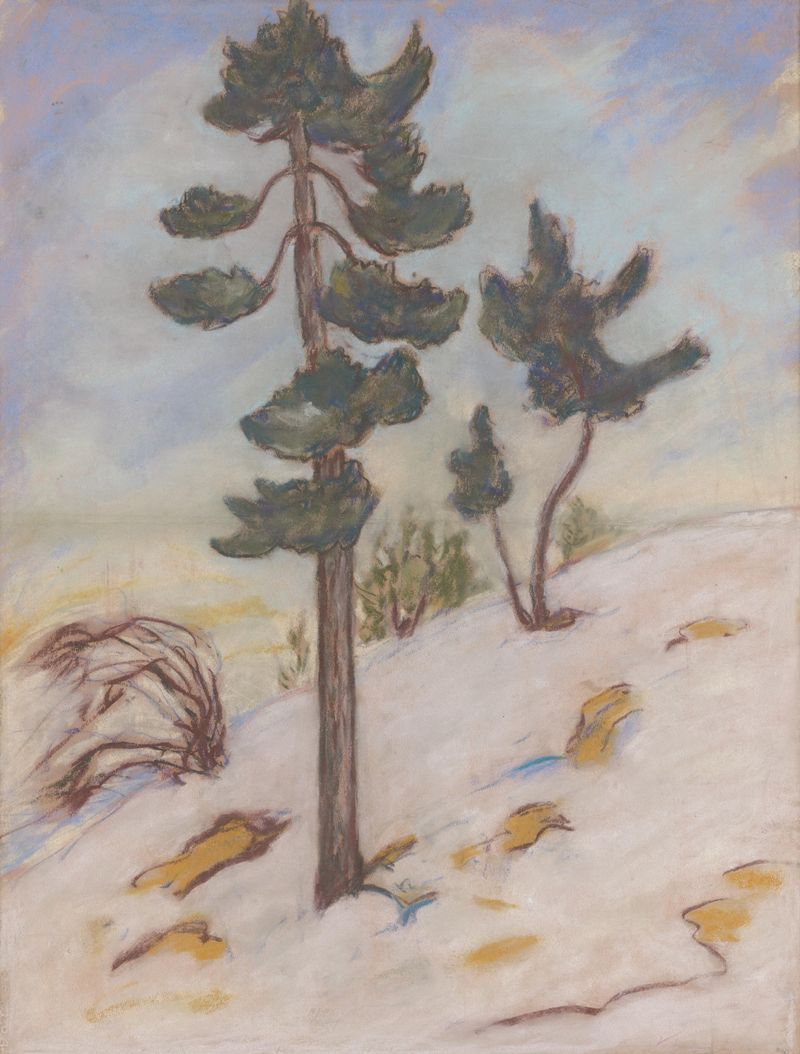
Late Autumn in the High Tatras
Zolo Palugyay
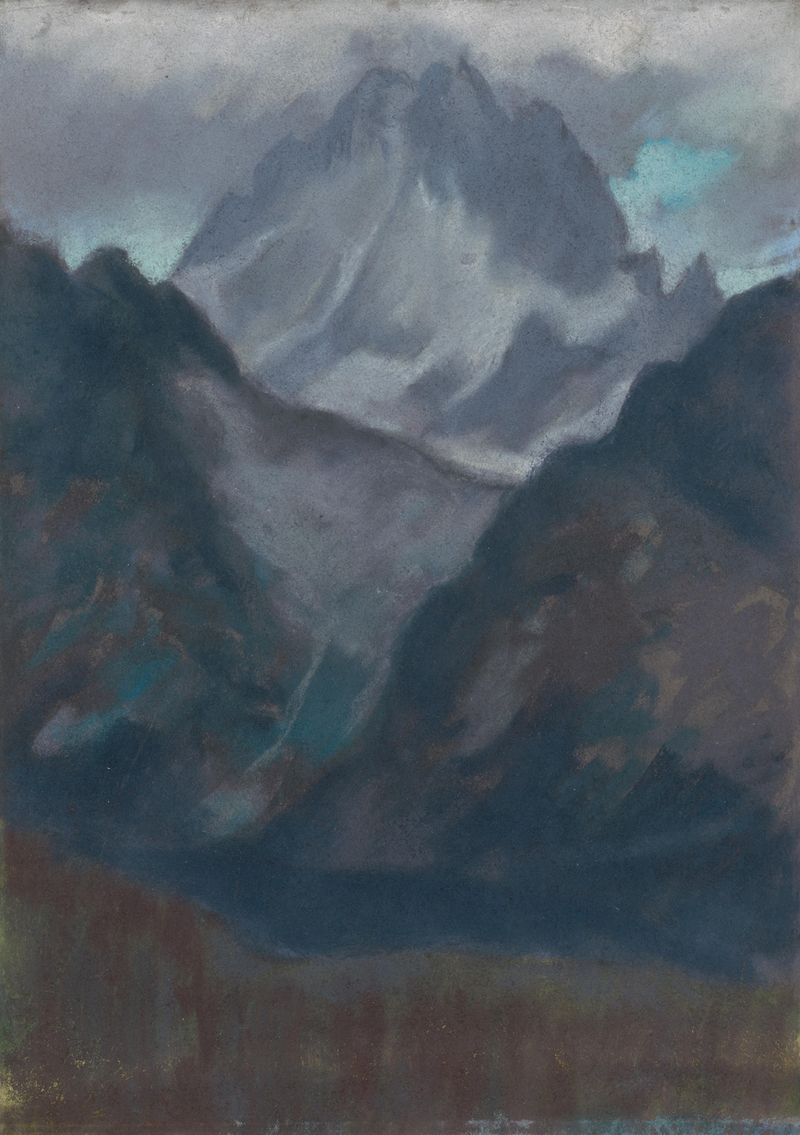
Veľká Vysoká
Zolo Palugyay
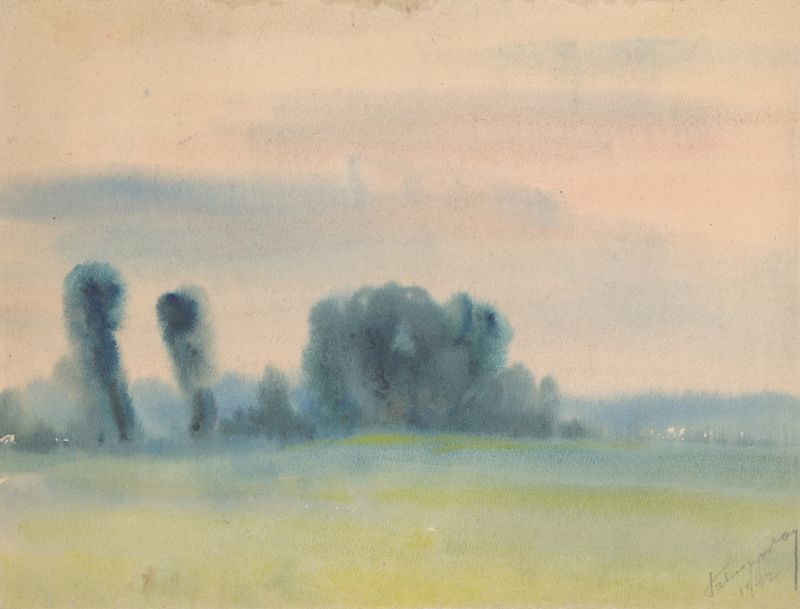
Trees in the Meadow
Zolo Palugyay





