
Silent River — History & Facts
Could beauty survive in a century of chaos? Silent River invites us to ponder this question as it captures a tranquil moment set against a backdrop of turbulence. The painting embodies a profound sense of betrayal, suggesting that peace can often mask deeper conflicts lurking just beneath the surface. Look to the left where a serene river winds through a dense forest, the water glistening like liquid glass under a soft, diffused light. The artist's deft brushwork creates a sense of calmness, while the rich greens and blues contrast sharply with the warmer, chaotic colors that hint at the impending storm.
Notice how the light dances on the river's surface, guiding the eye through the composition, inviting reflection and contemplation. Yet, beneath this idyllic scene lies a tension that speaks to the heart of human experience. The stillness of the river suggests a deceptive tranquility, while the darkened skies looming above hint at betrayal and the fragility of peace. The juxtaposition of the serene landscape and the ominous atmosphere creates an emotional dichotomy, urging viewers to acknowledge the beauty that exists even in the shadow of chaos. In 1934, Zolo Palugyay painted Silent River amidst a world grappling with the aftermath of economic turmoil and rising global tensions.
Living in Europe, Palugyay was influenced by the unrest surrounding him, which permeated the art world as movements grappled with the shifts between realism and abstraction. This painting reflects a moment of introspection amidst upheaval, capturing a fleeting beauty that resonates with our present predicament.
More Artworks by Zolo Palugyay
Browse all →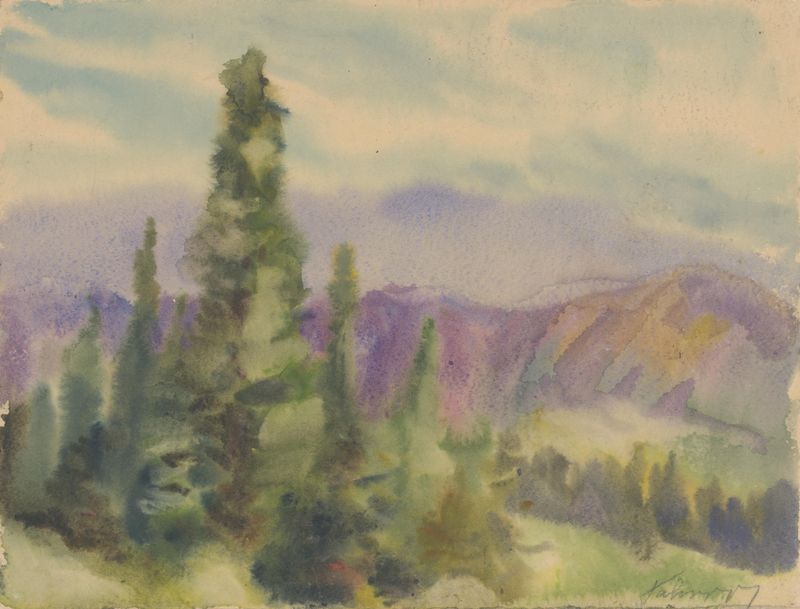
Motif from Liptov Mountains
Zolo Palugyay
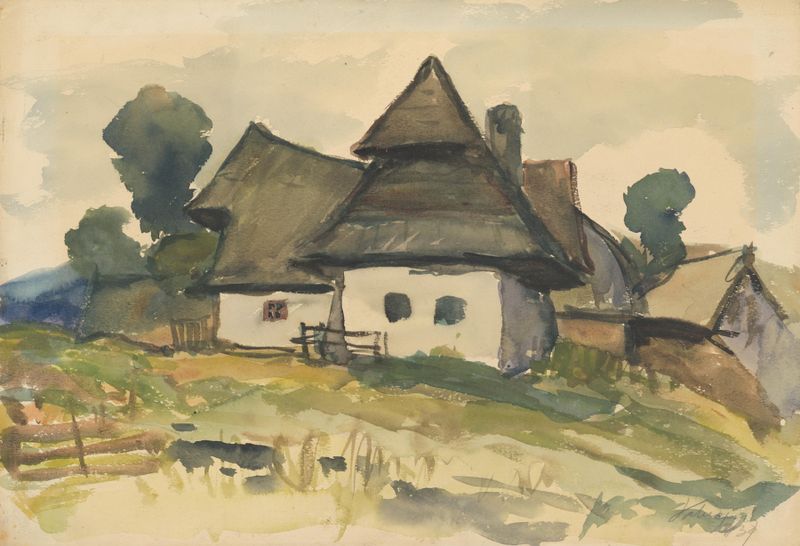
Dedinský motív
Zolo Palugyay
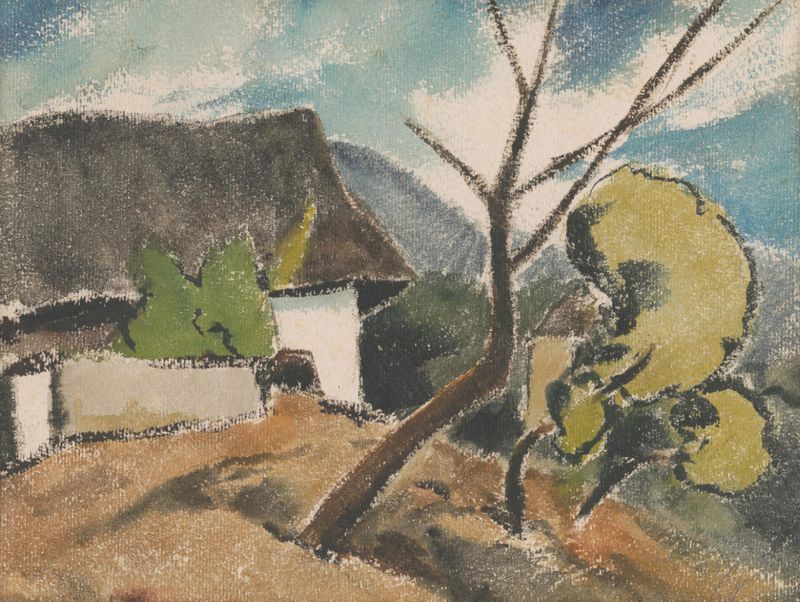
Oravská chalupa
Zolo Palugyay
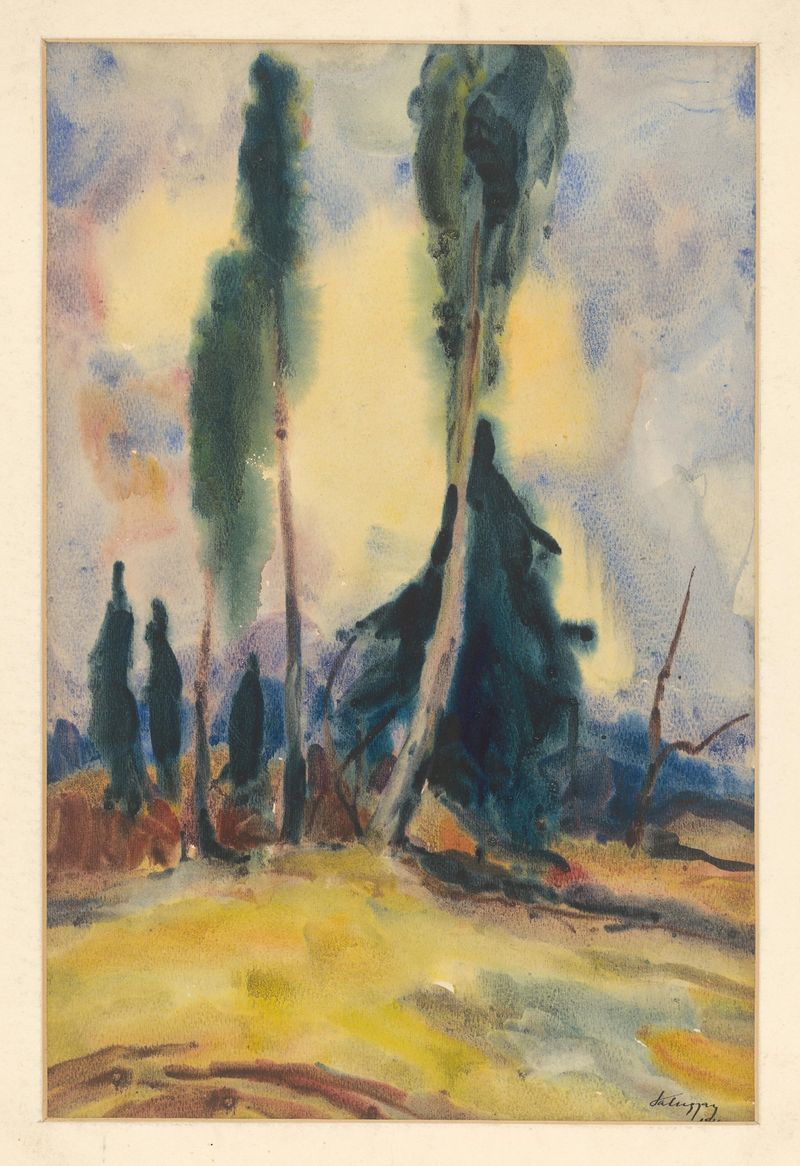
Three Trees on a Plain
Zolo Palugyay
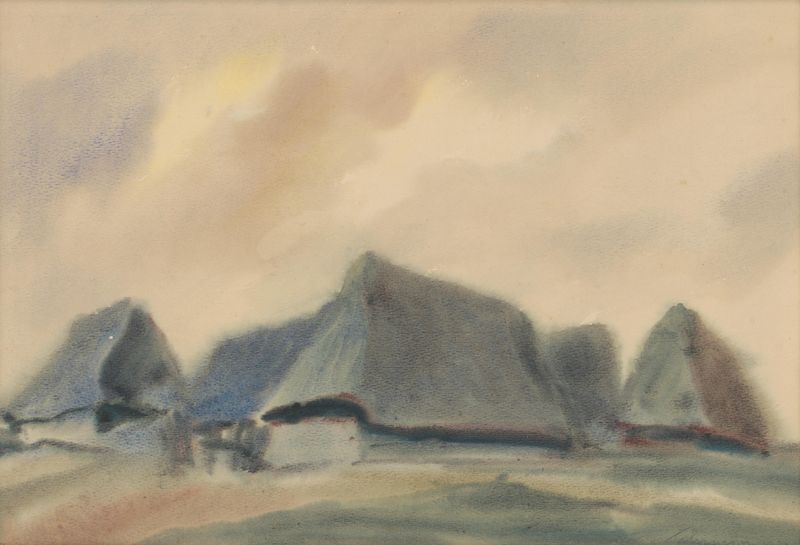
Modré chalupy
Zolo Palugyay
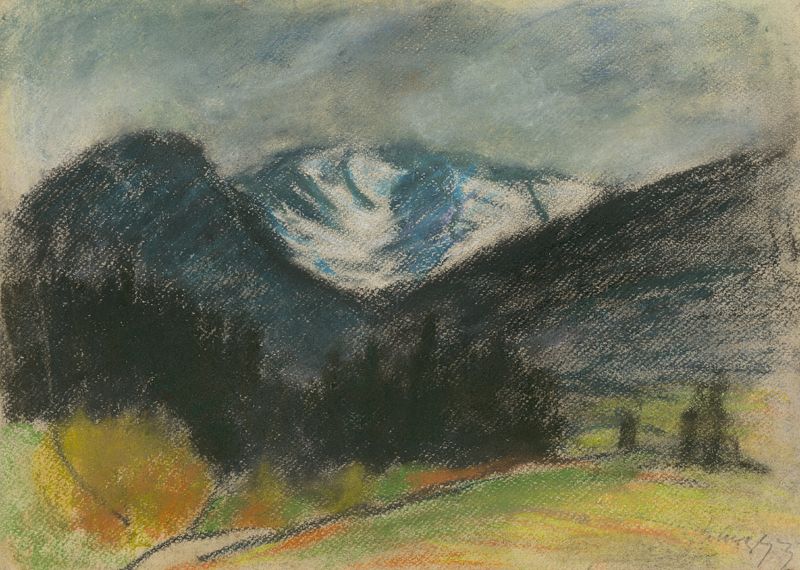
Mountain Landscape with Snowy Peaks
Zolo Palugyay
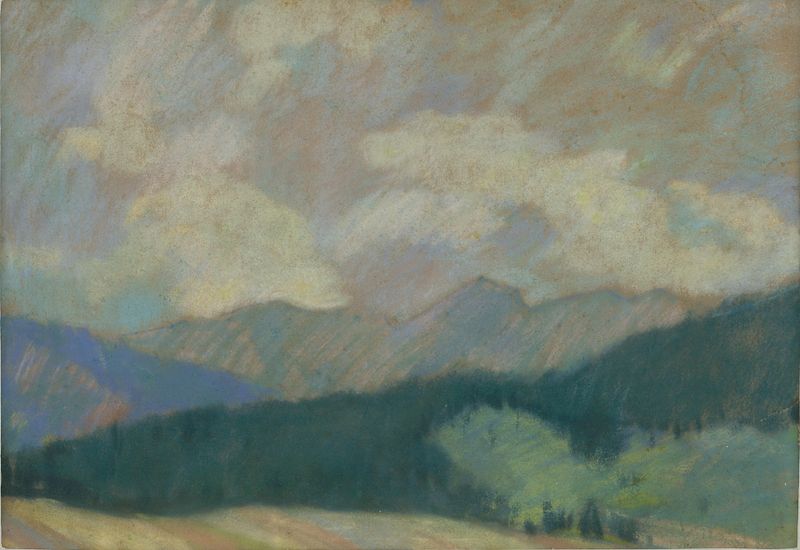
Horská krajina
Zolo Palugyay
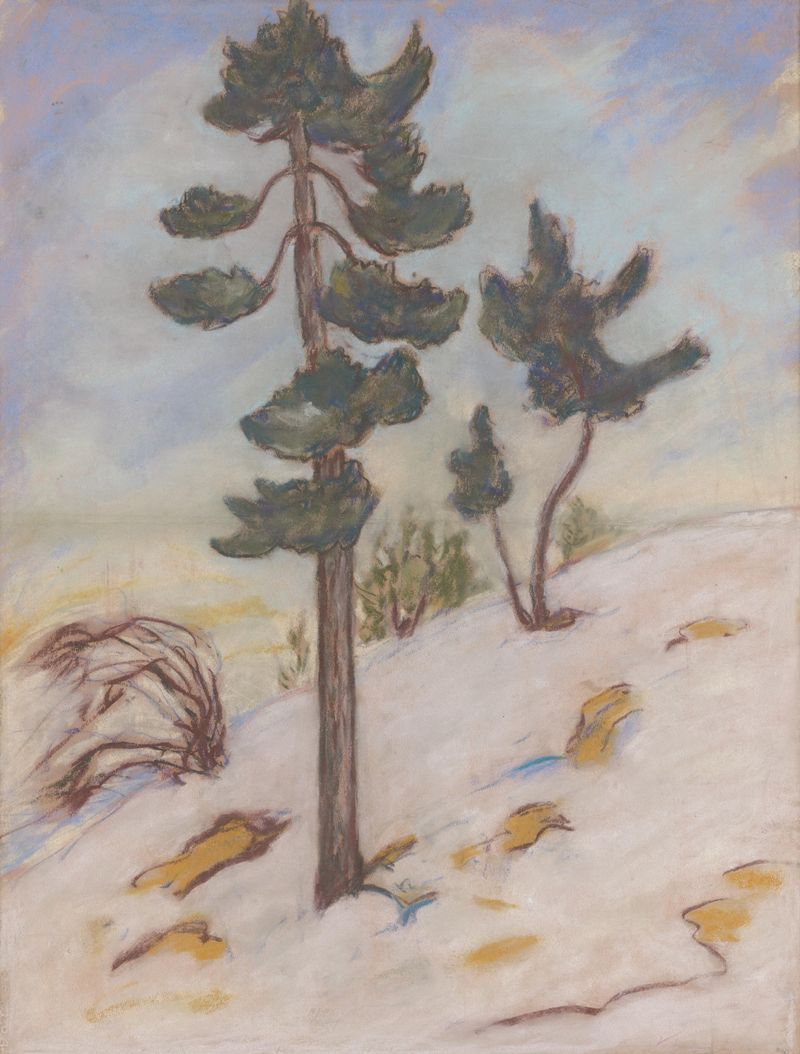
Late Autumn in the High Tatras
Zolo Palugyay
Veľká Vysoká
Zolo Palugyay
Trees in the Meadow
Zolo Palugyay





