
Three Trees on a Plain — History & Facts
In a world that rushes forward, art becomes a sanctuary of reflection, and Three Trees on a Plain embodies this timeless revelation. Look at the forefront where the three trees stand sentinel against a vast, windswept plain. Their gnarled branches twist like the fingers of the past, reaching upward as if to grasp what is lost. The stark contrast between the rich greens of the leaves and the muted browns of the earth draws the eye, while the soft, layered clouds create a backdrop that evokes a sense of longing.
The use of light is masterful, illuminating the trees from a hidden source, casting gentle shadows that deepen the emotional weight. The trees, so resolute in their solitude, symbolize endurance amidst the passage of time. Each knot and curve of their trunks tells a story of resilience, while the open plains evoke both freedom and isolation. The juxtaposition of their steadfastness against the vastness of the landscape speaks to the human condition—our desire to remain rooted, even as the world shifts around us.
Here, nature reveals its quiet truths, inviting contemplation of what we choose to remember and forget. In 1929, Zolo Palugyay created this work in a period marked by profound change and reflection in the art world. As modernism began to shake off the constraints of tradition, artists sought new ways to express the complexities of existence. Palugyay, navigating this shifting landscape, infused his painting with both personal introspection and cultural commentary, mirroring the tensions and hopes of his time.
More Artworks by Zolo Palugyay
Browse all →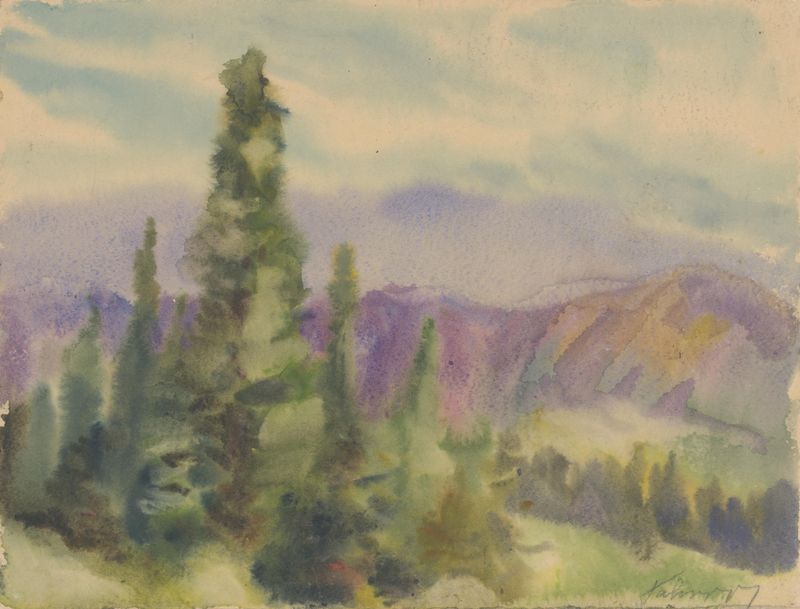
Motif from Liptov Mountains
Zolo Palugyay
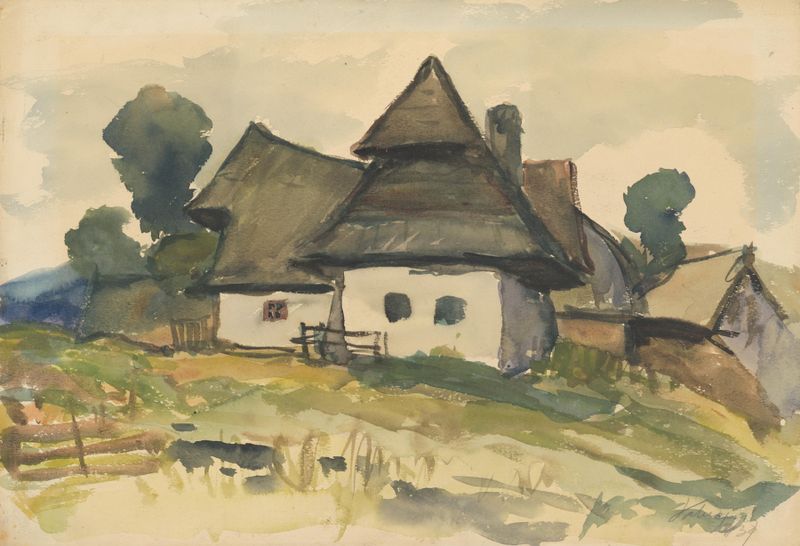
Dedinský motív
Zolo Palugyay
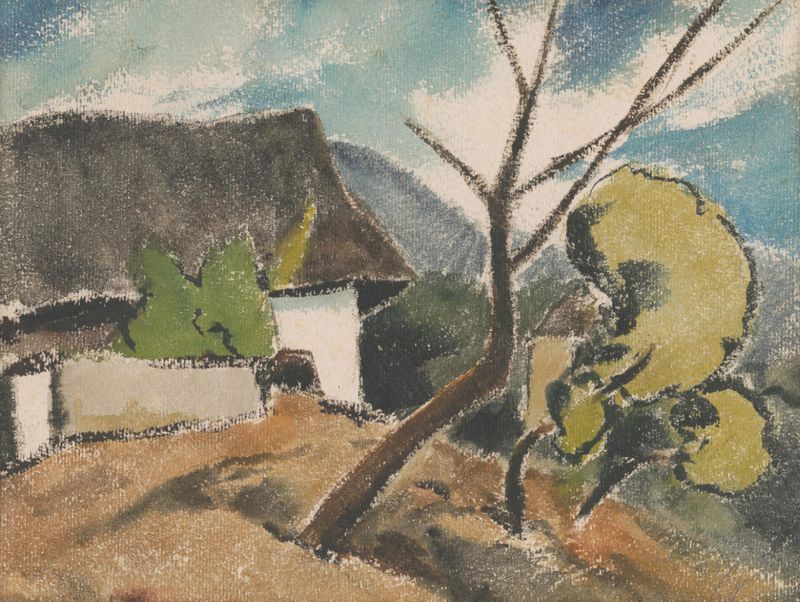
Oravská chalupa
Zolo Palugyay
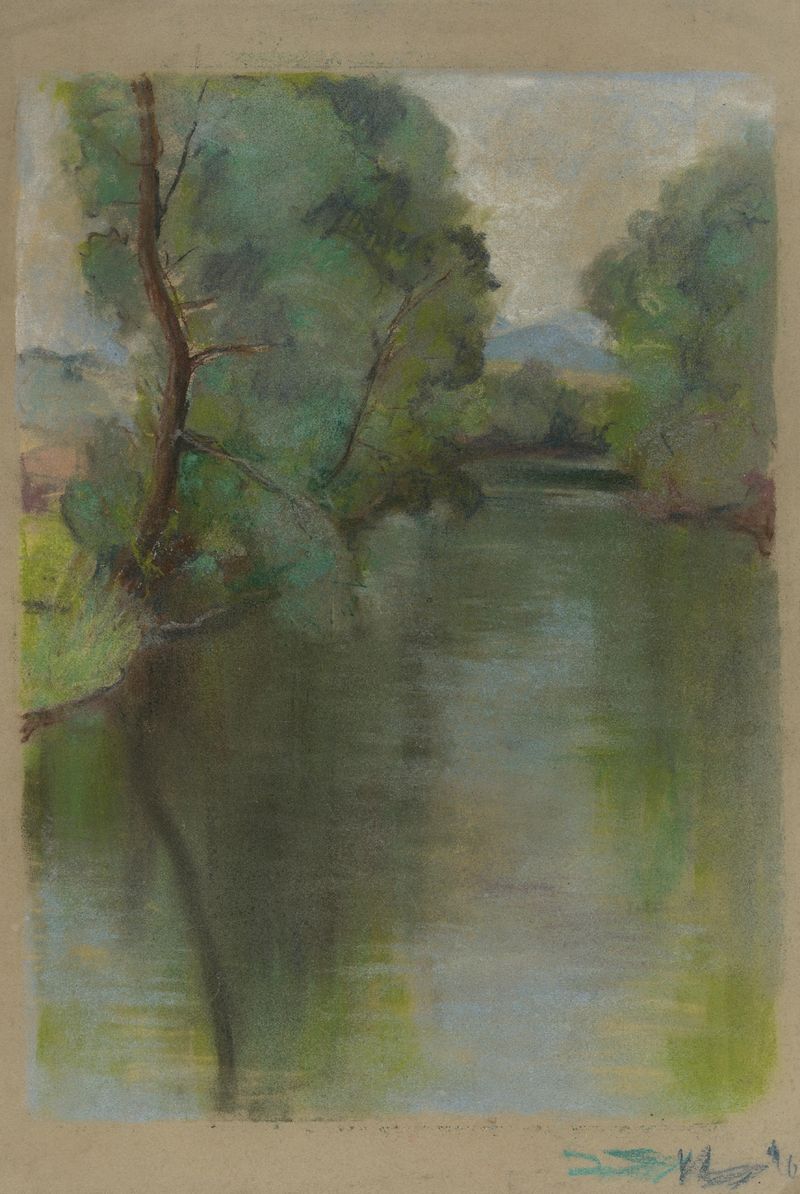
Silent River
Zolo Palugyay
Modré chalupy
Zolo Palugyay
Mountain Landscape with Snowy Peaks
Zolo Palugyay
Horská krajina
Zolo Palugyay
Late Autumn in the High Tatras
Zolo Palugyay
Veľká Vysoká
Zolo Palugyay
Trees in the Meadow
Zolo Palugyay





