
Horská krajina — History & Facts
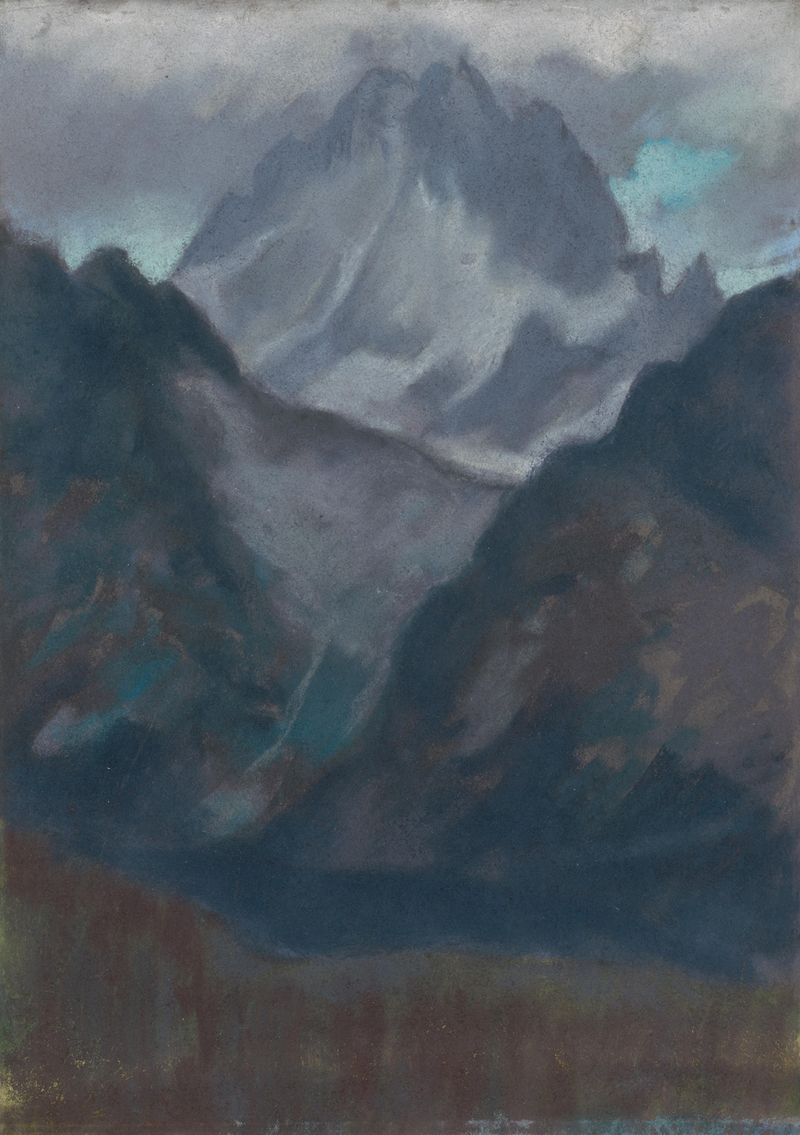
When did color learn to lie? In Horská krajina, vibrant hues beckon viewers to question the very essence of reality and emotion woven through the landscape. Focus first on the bold strokes of green and blue cascading across the canvas, drawing your gaze to the rolling hills that seem to pulse with life. Notice how the artist embraces a palette that is simultaneously uplifting and unnerving, where the azure sky dances with shades of lavender, suggesting a fleeting moment caught between day and dusk. Each stroke feels deliberate yet spontaneous, creating a tension that speaks to the ecstasy of nature's beauty and the chaos of human experience. As you delve deeper, observe the interplay of light and shadow; the sunlit peaks stand in stark contrast to the darker valleys below, reflecting the duality of joy and melancholy.
There is an intriguing ambiguity in the clouds, which seem to hover like whispers of untold stories, hinting at an undercurrent of longing. This duality mirrors the complexities of existence—where every breathtaking vista holds the potential for both solace and sorrow. During the late 1930s, Zolo Palugyay painted this work amidst a turbulent period in Europe, marked by the rise of political tensions and societal upheaval. Living in the shadow of global change, the artist sought solace in the natural world, channeling his emotions onto the canvas as both a personal refuge and a reflection of the collective human psyche.
This piece serves as a powerful testament to the resilience of beauty even in times of uncertainty.
More Artworks by Zolo Palugyay
Browse all →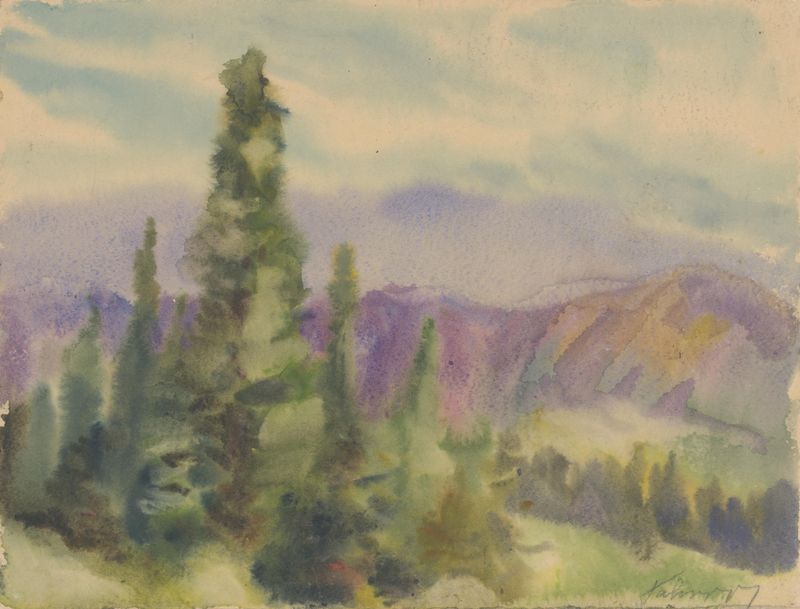
Motif from Liptov Mountains
Zolo Palugyay
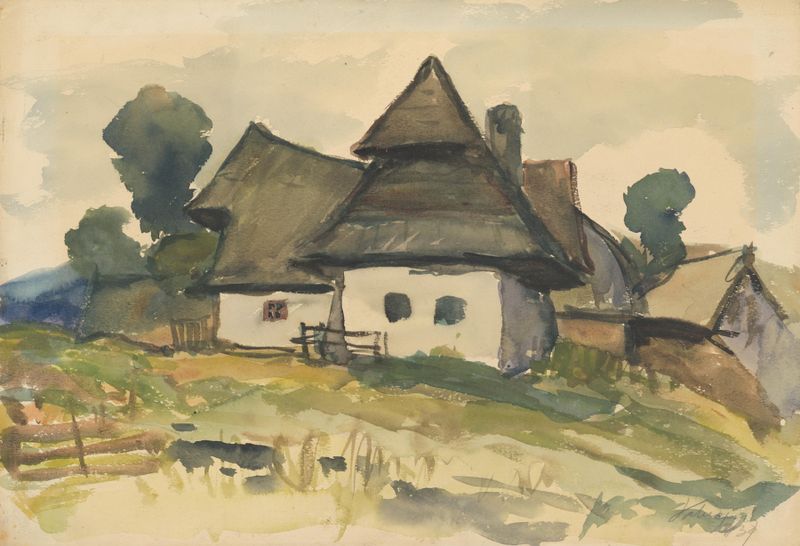
Dedinský motív
Zolo Palugyay
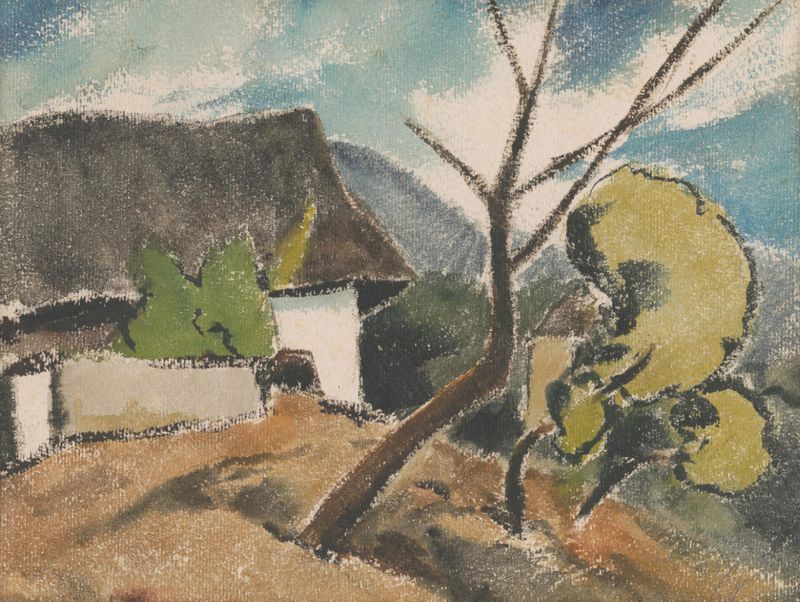
Oravská chalupa
Zolo Palugyay
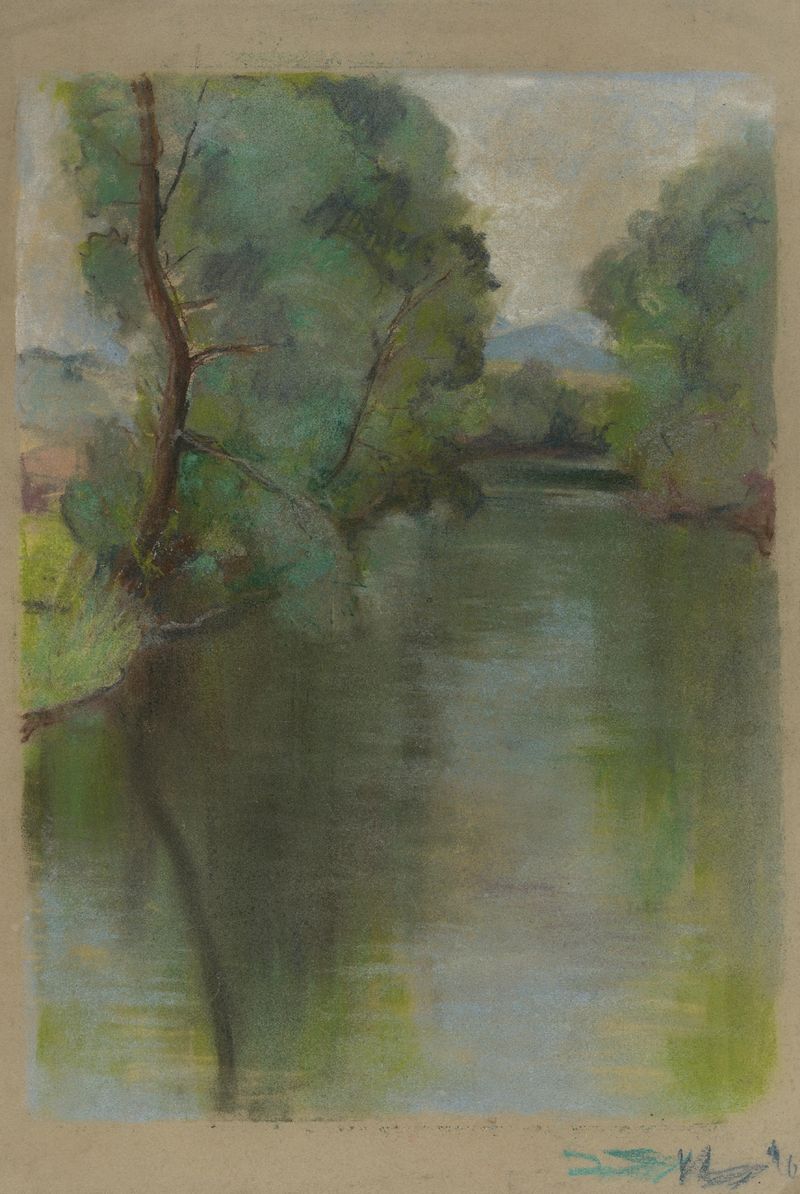
Silent River
Zolo Palugyay
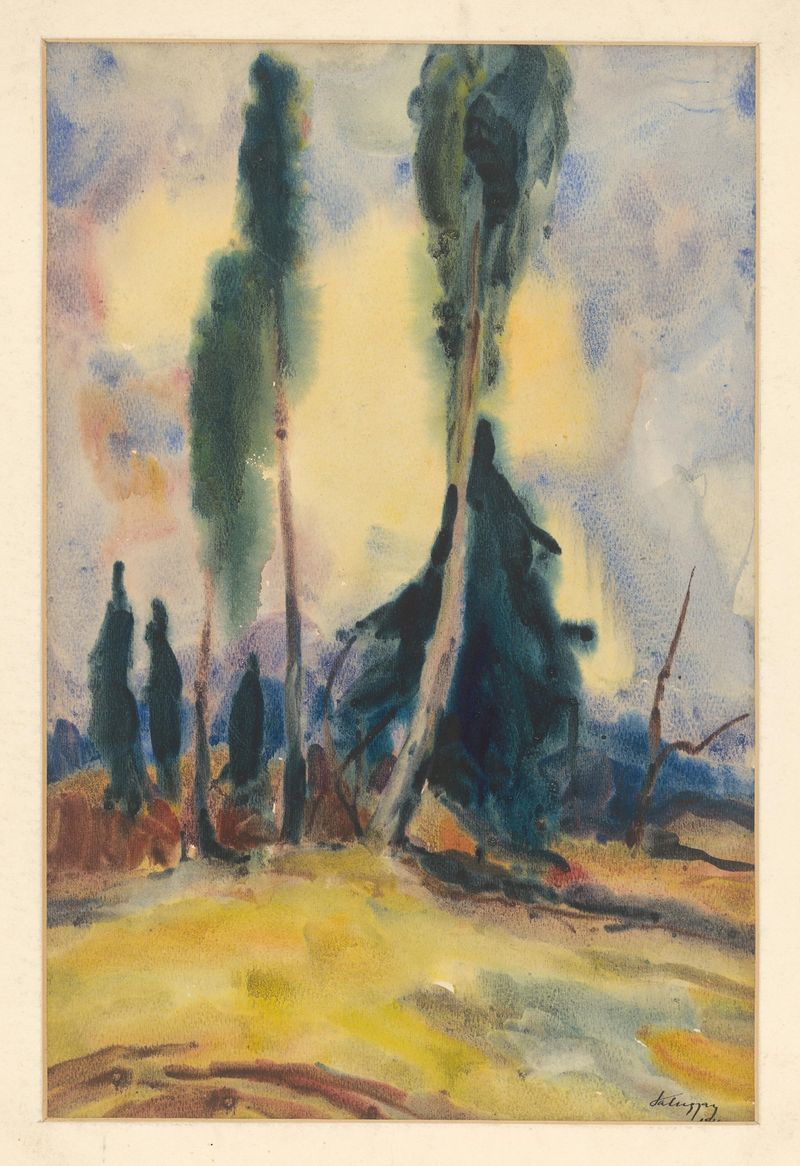
Three Trees on a Plain
Zolo Palugyay
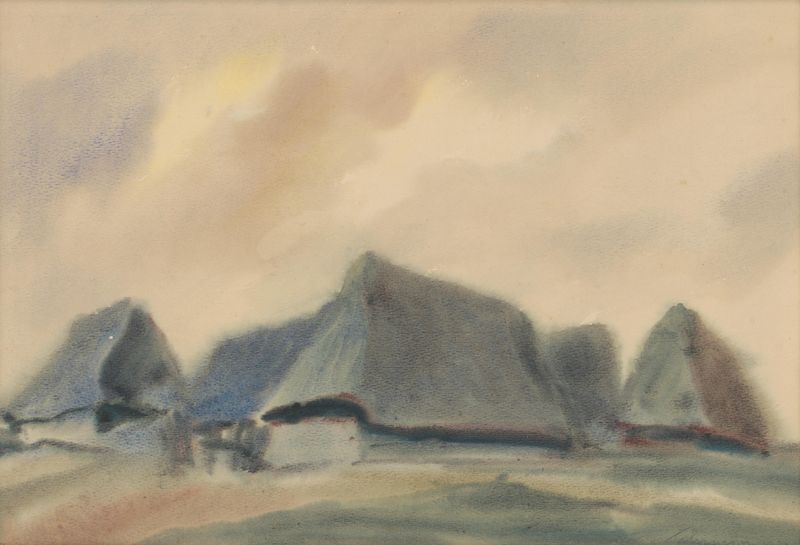
Modré chalupy
Zolo Palugyay
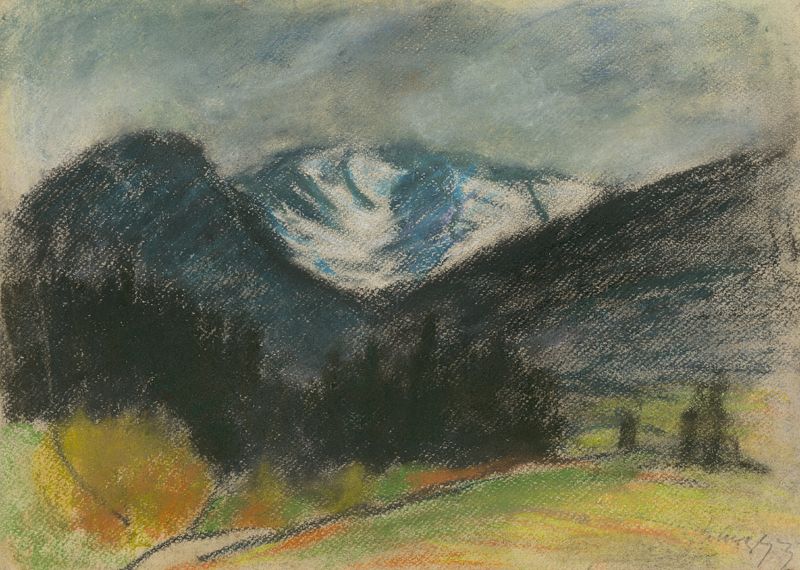
Mountain Landscape with Snowy Peaks
Zolo Palugyay
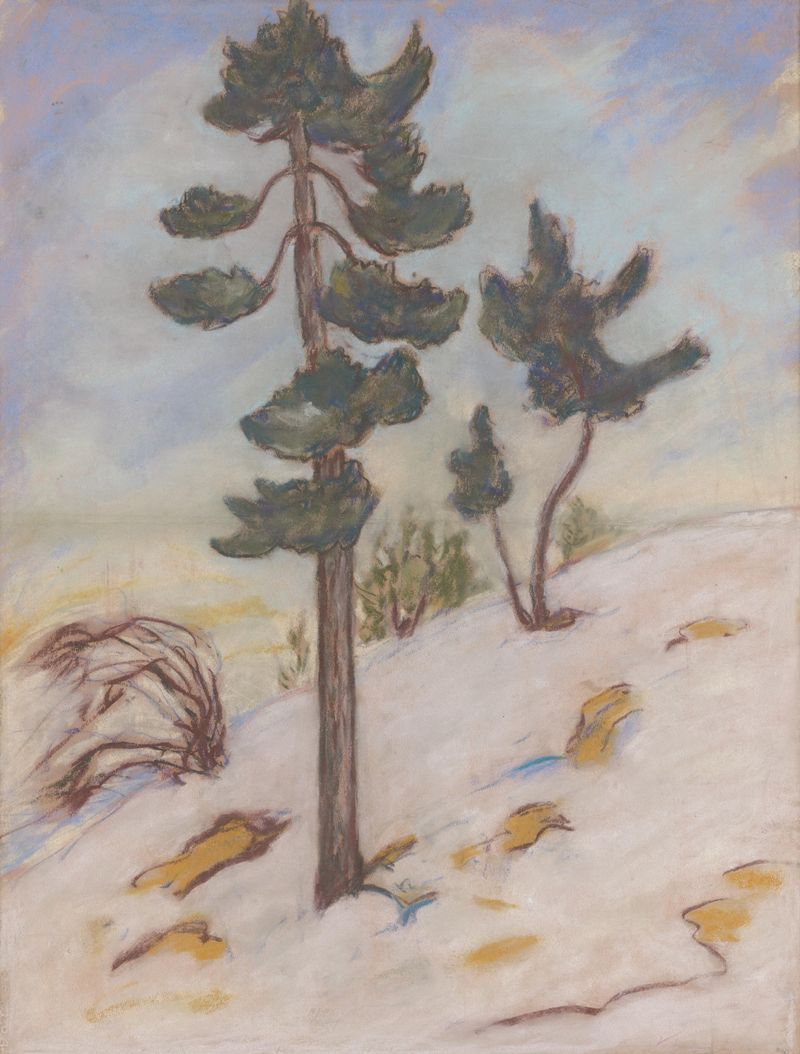
Late Autumn in the High Tatras
Zolo Palugyay
Veľká Vysoká
Zolo Palugyay
Trees in the Meadow
Zolo Palugyay





