
Modré chalupy — History & Facts
Could a single brushstroke hold eternity? In Modré chalupy, Zolo Palugyay invites us into a world suffused with calm yet punctuated by a profound void. Look to the left at the deep azure houses, their angled roofs sharply contrasting with the warmth of the ochre earth below. Notice how the light dances across the surfaces, reflecting the vitality of life and yet, hinting at an absence. The palette is dominated by cool blues, creating a serene atmosphere that envelops the scene, while touches of soft white clouds drift lazily, evoking a sense of longing. Within this tranquility lies an emotional tension; the houses stand silent, suggesting life in the past yet devoid of occupants.
The vivid colors and clean lines convey a sense of community, while the empty streets whisper of solitude. Each brushstroke seems deliberate, reflecting the artist’s contemplation on existence—the void that lingers between vibrant life and quiet stillness. In 1930, Palugyay painted this piece during a time when the world was grappling with the aftermath of war and social change. Settled in Europe, he was influenced by the burgeoning modernist movement, which sought to break free from traditional forms.
This painting represents a pivotal moment in his career, marking a transition towards exploring deeper themes of solitude and community within the landscape genre.
More Artworks by Zolo Palugyay
Browse all →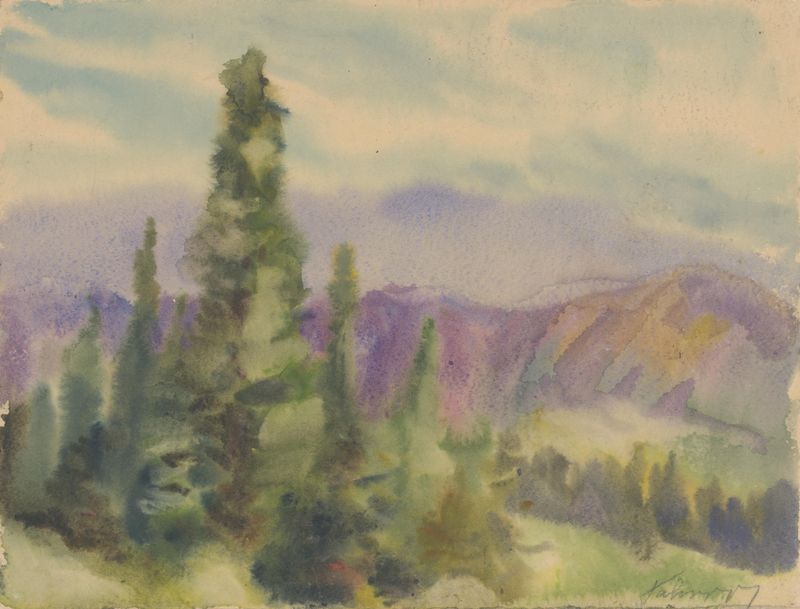
Motif from Liptov Mountains
Zolo Palugyay
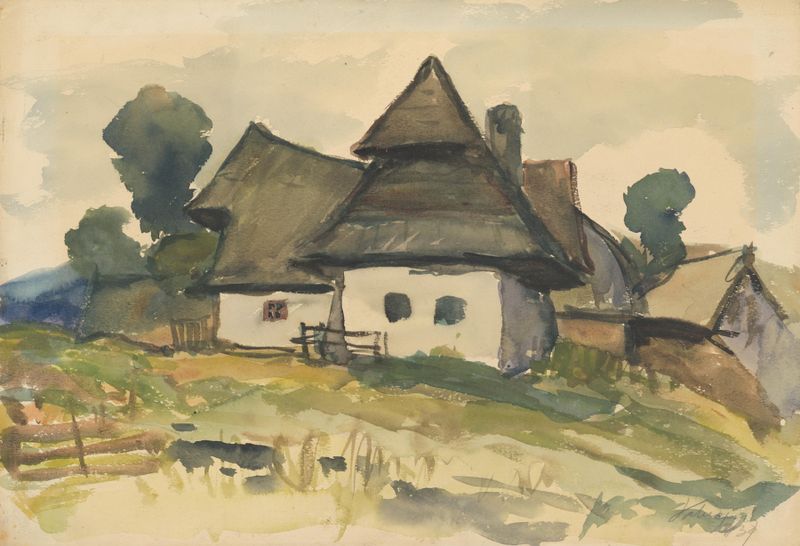
Dedinský motív
Zolo Palugyay
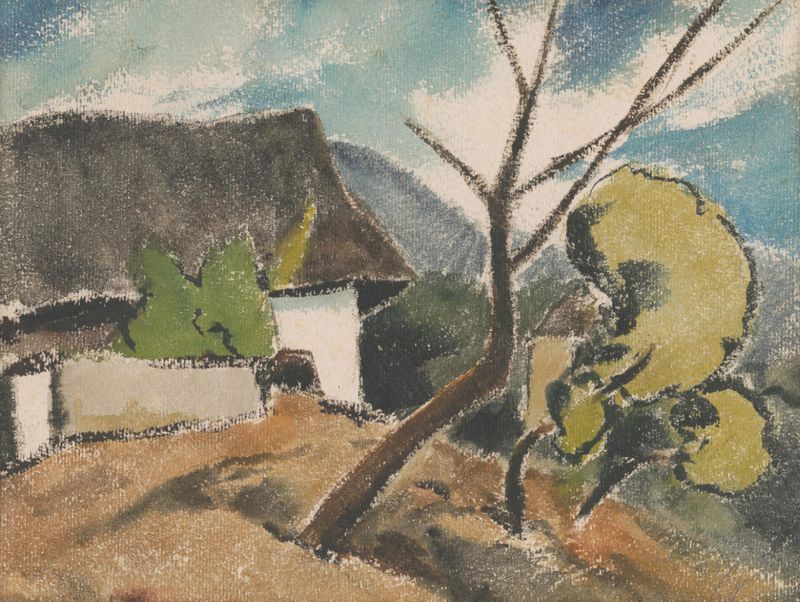
Oravská chalupa
Zolo Palugyay
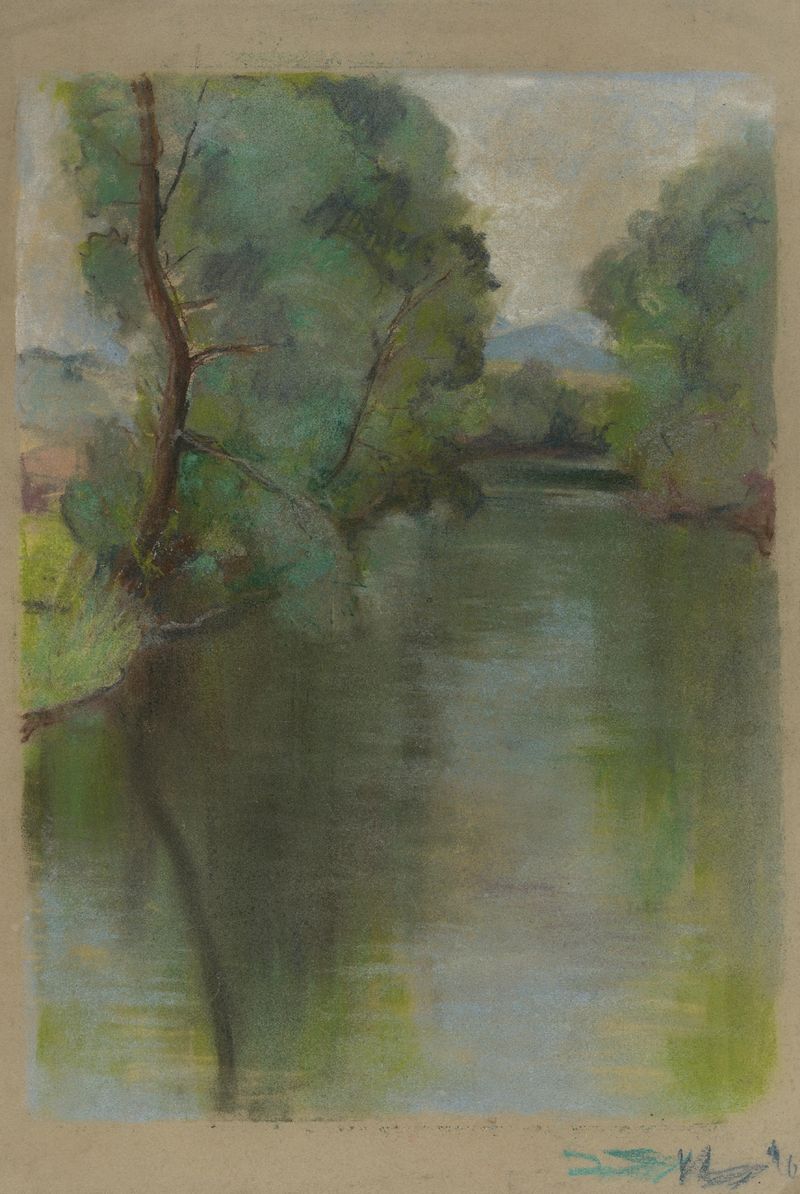
Silent River
Zolo Palugyay
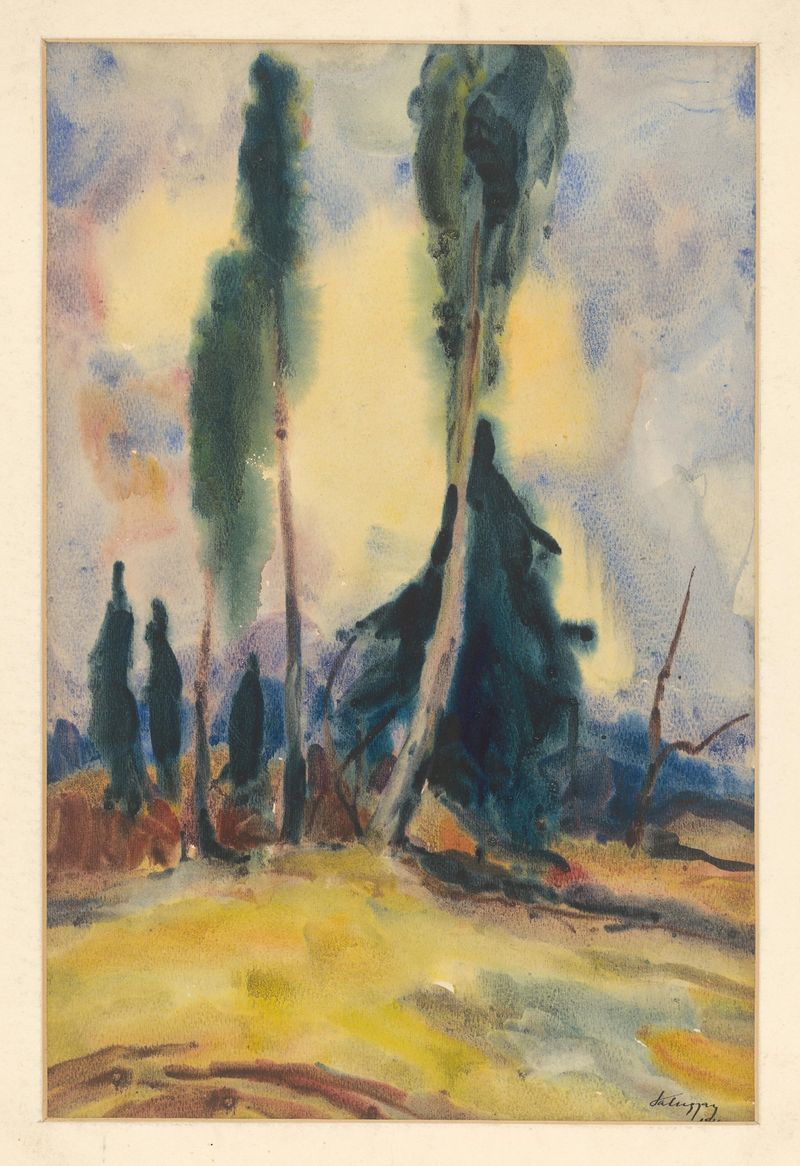
Three Trees on a Plain
Zolo Palugyay
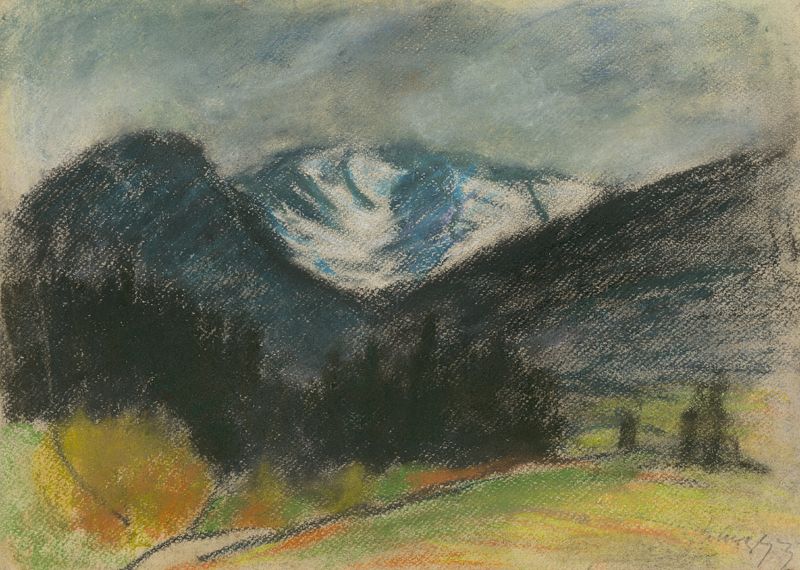
Mountain Landscape with Snowy Peaks
Zolo Palugyay
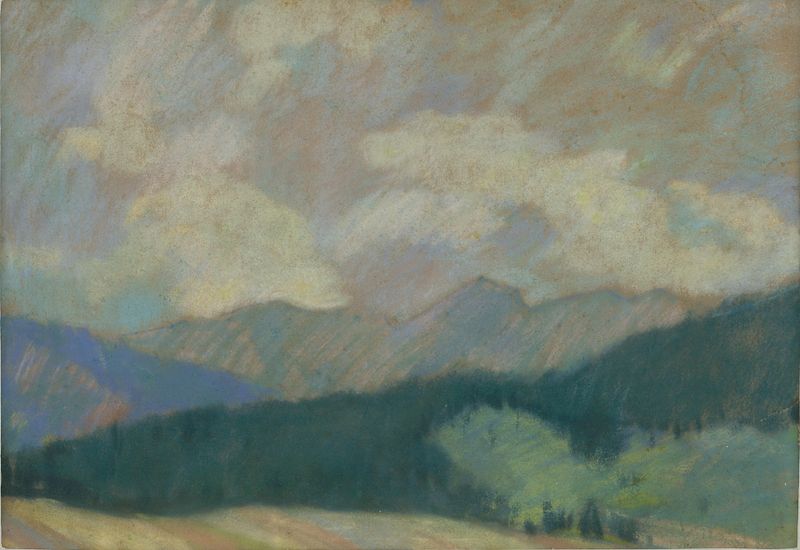
Horská krajina
Zolo Palugyay
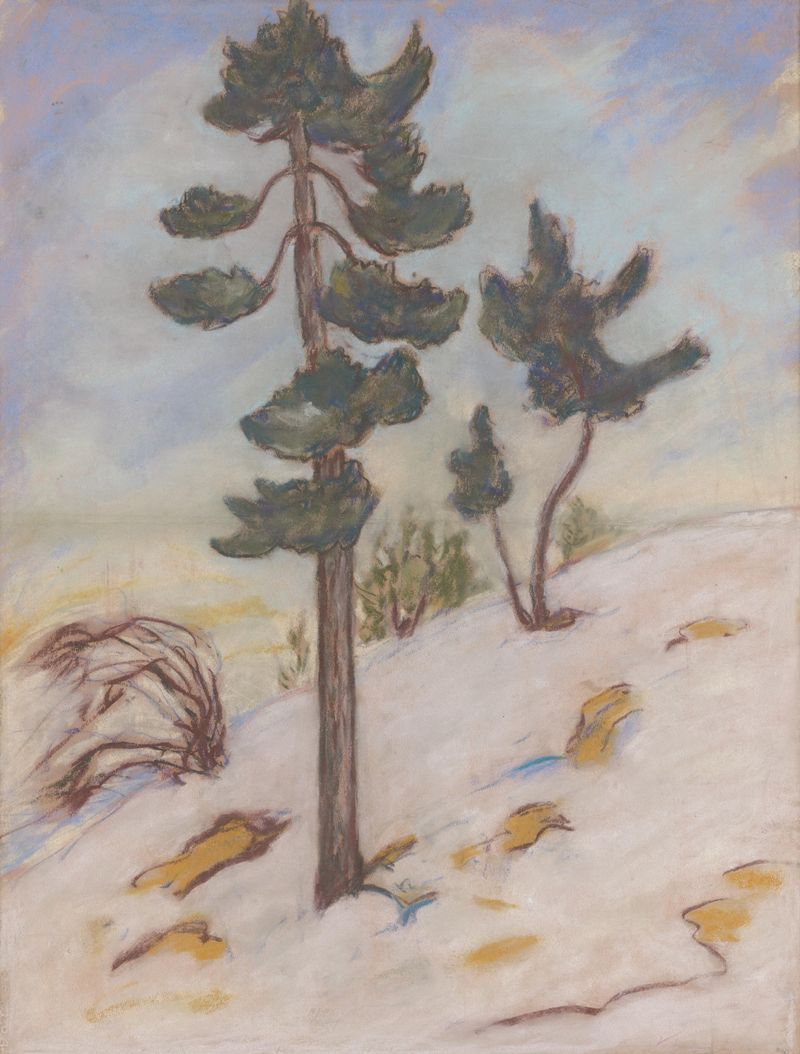
Late Autumn in the High Tatras
Zolo Palugyay
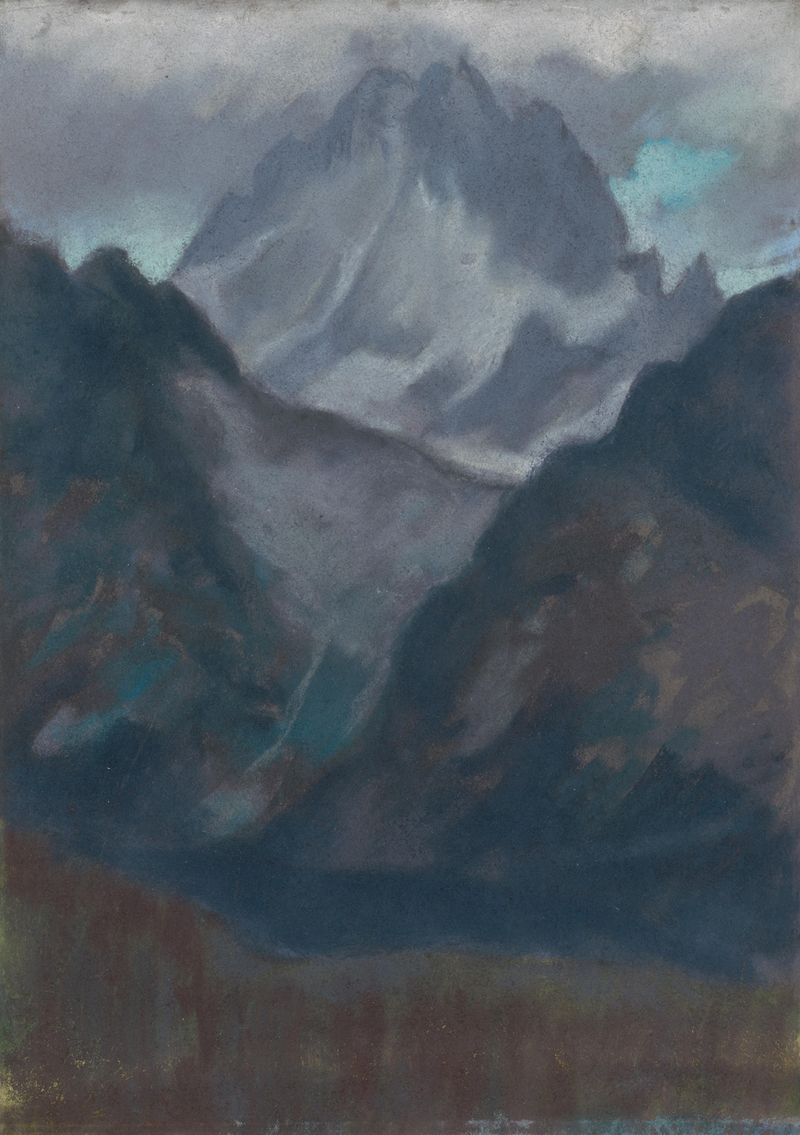
Veľká Vysoká
Zolo Palugyay
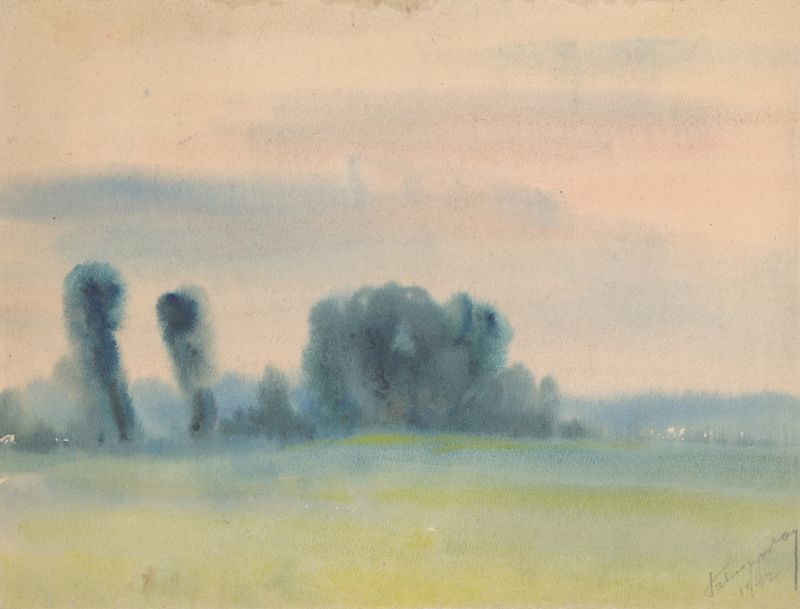
Trees in the Meadow
Zolo Palugyay





