
Denslow-Mother Goose-016&017-Mistress Mary quite contrary — History & Facts
What first catches the eye is the bold, playful contrast between the two joined pages: on the left, the nursery rhyme unfurls in looping, vine-like script, while on the right, Mistress Mary herself strides forward, her polka-dotted dress and oversized bonnet painted in the flat, decorative colors that mark the turn-of-the-century picture book. The artist, William Wallace Denslow, gives Mary an air of determination—her outstretched arm and pointed finger suggest a willful command over her garden, while the rake she wields becomes almost a scepter. The garden itself is a lively parade of faces and forms: "pretty maids" bloom as literal blossoms, their heads framed by petals, while cockle shells below grin up with human features, blurring the line between flora and fantasy.
Even the watering can, rendered in a muted green, waits in the wings, ready for Mary's next command. Created in 1901, this illustration belongs to a world where children's books were blossoming into art objects, their pages designed to delight both young readers and the adults who read to them. Denslow was a key figure in this movement, best known for his work on The Wonderful Wizard of Oz, and his style here—bold outlines, simplified forms, and a touch of humor—reflects the era's fascination with Art Nouveau and the decorative arts. The rhyme of "Mistress Mary, quite contrary" had already been beloved for generations, but in Denslow's hands, it becomes a miniature stage, each element carefully choreographed for visual wit.
Preserved today in the Library of Congress, this spread is a reminder of a moment when illustration was not just an accompaniment to text, but a world in itself—inviting us to linger, to laugh, and to look again.
More Artworks by William Wallace Denslow
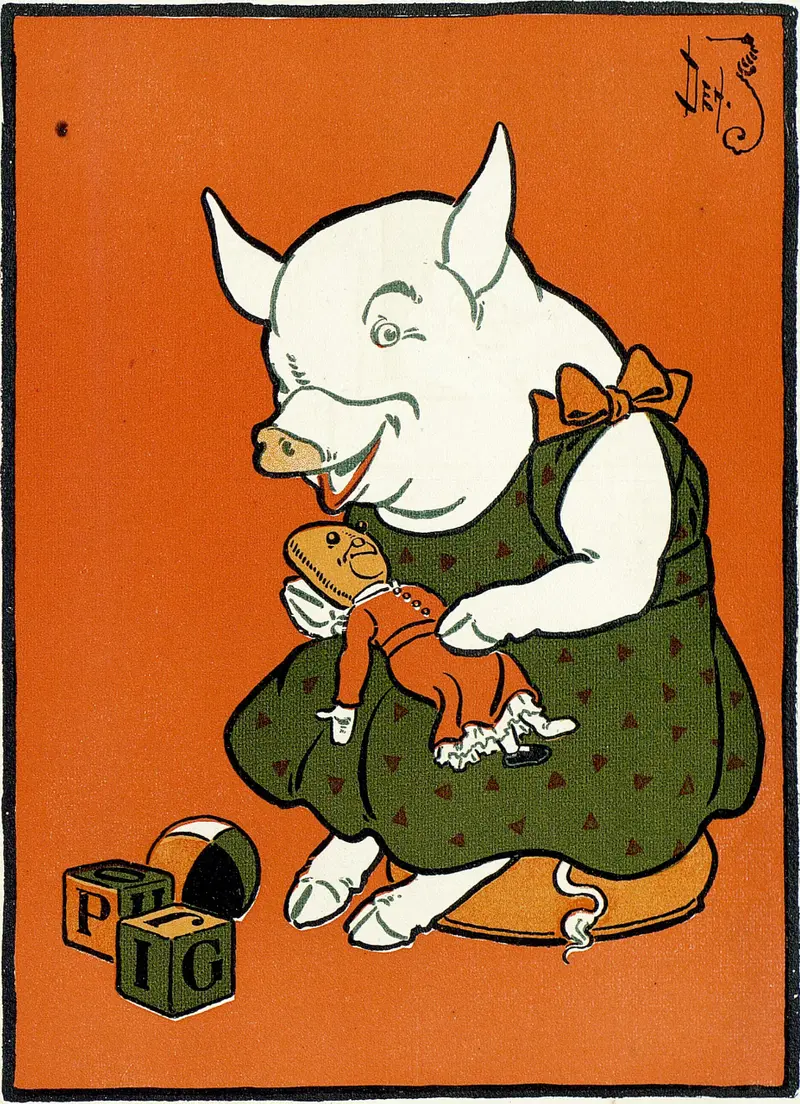
Denslow's 5 Little Pigs (page 7 crop)
William Wallace Denslow

Denslow's 5 Little Pigs
William Wallace Denslow
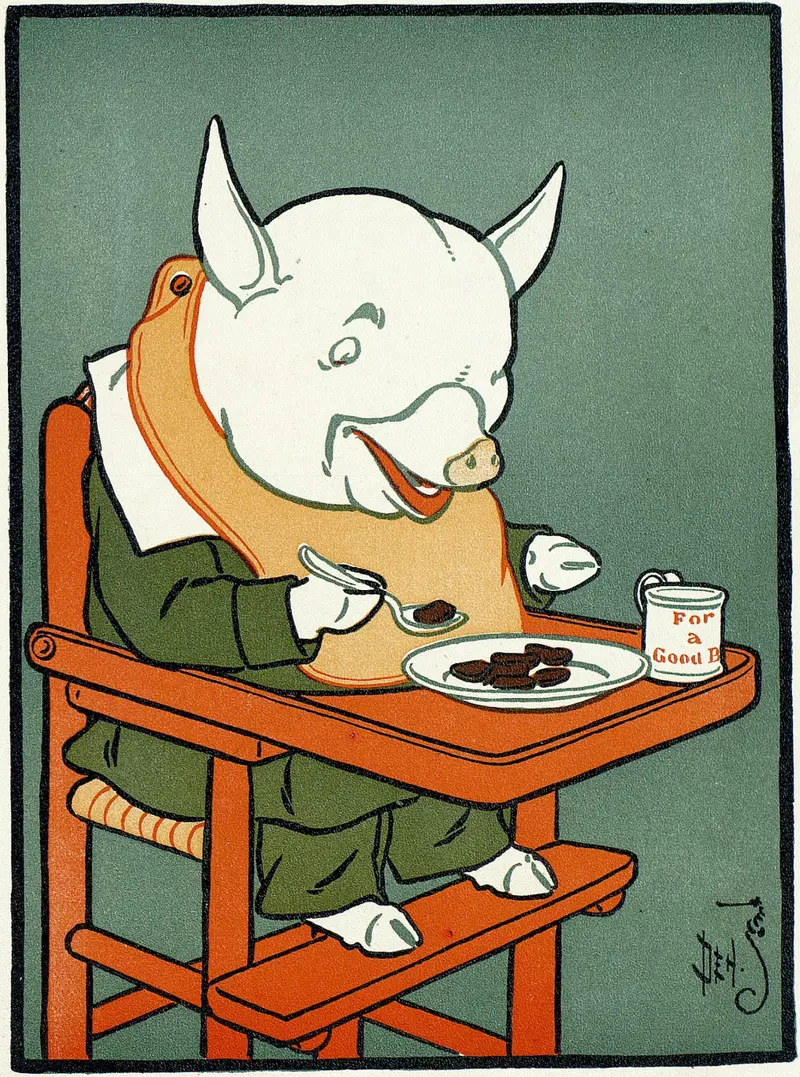
Denslow's 5 Little Pigs (page 9 crop)
William Wallace Denslow
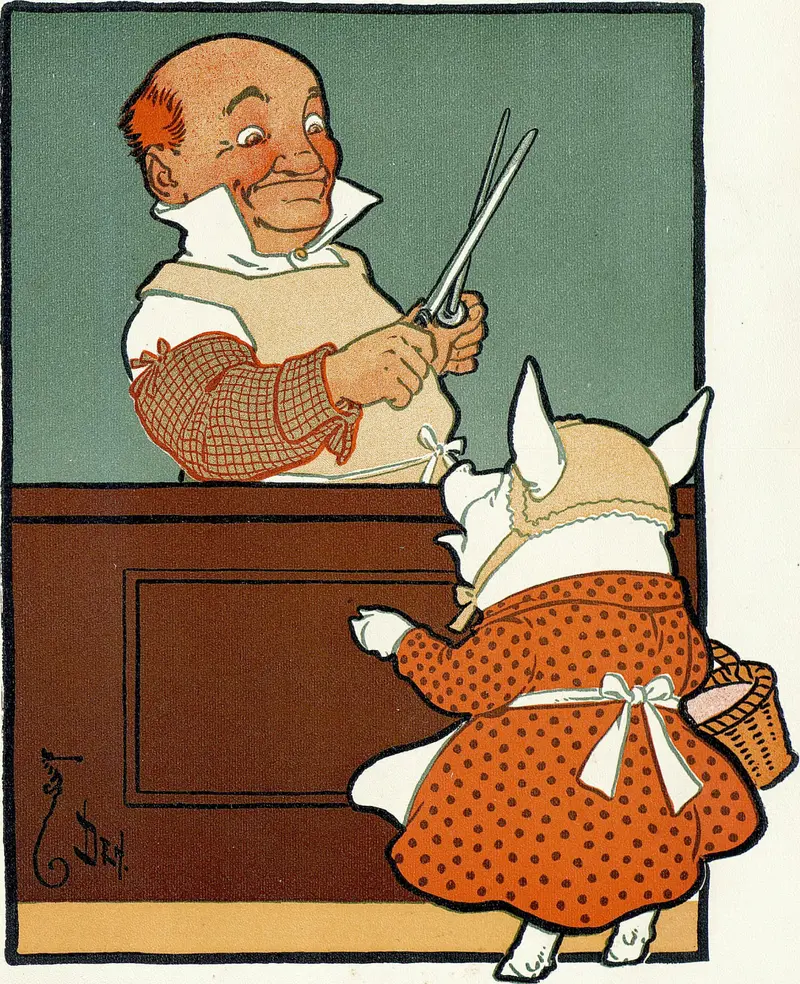
Denslow's 5 Little Pigs (page 5 crop)
William Wallace Denslow

Denslow's 5 Little Pigs (page 11 crop)
William Wallace Denslow

Denslow's 5 Little Pigs (page 15 crop)
William Wallace Denslow

Denslow's 5 Little Pigs (page 13 crop)
William Wallace Denslow

Pearl and Pumpkin-book pg-000 cover
William Wallace Denslow
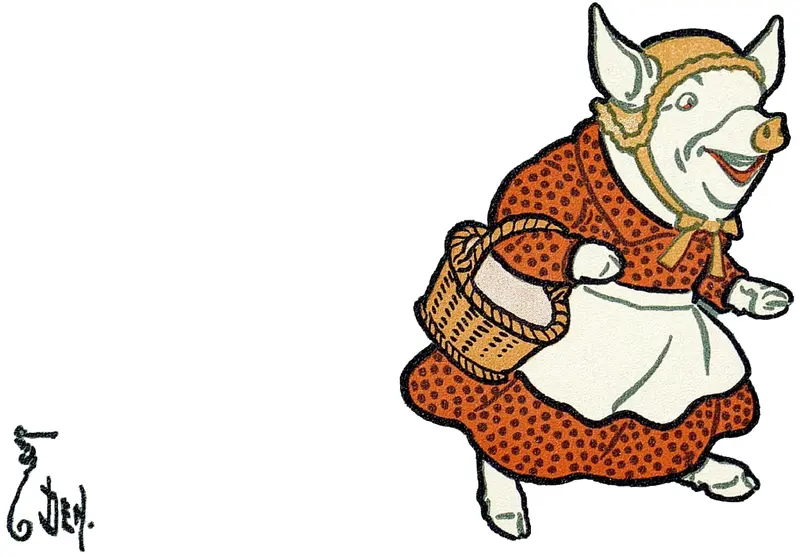
Denslow's 5 Little Pigs page p4b
William Wallace Denslow
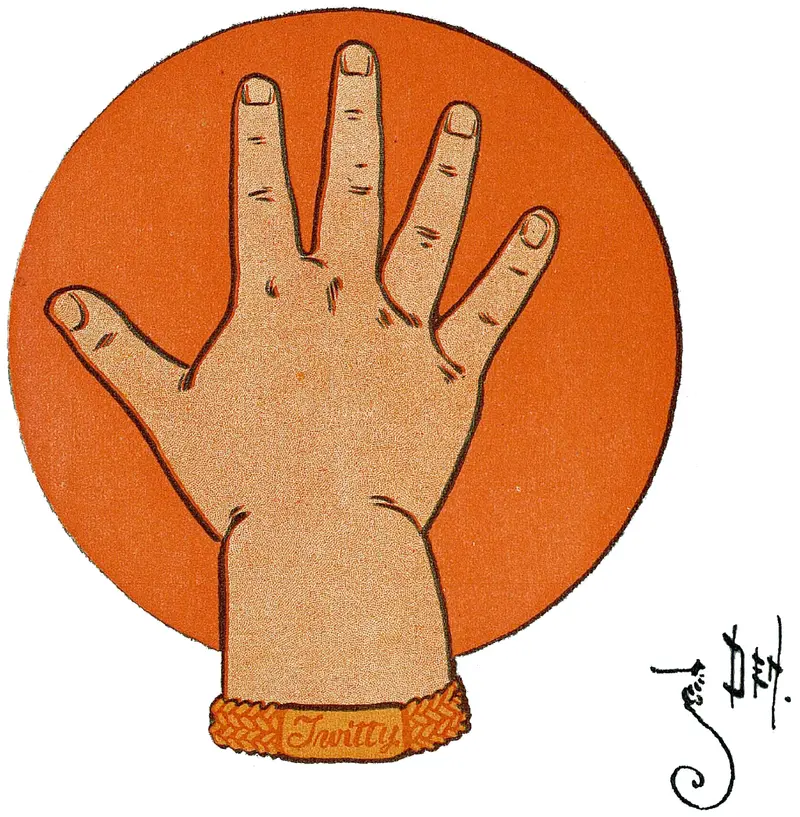
Denslow's 5 Little Pigs page 3
William Wallace Denslow





