
Dent de Lion, Margate — History & Facts
What if beauty was never meant to be finished? The essence of transformation breathes life into the fleeting moments captured in Dent de Lion, Margate. Look to the center, where vibrant dandelions burst forth, their golden heads heavy with potential. Surrounding them, soft washes of blue and green capture the dance of the coastal landscape, merging sea and sky into a harmonious whole. Notice how Turner employs a delicate interplay of light—each brushstroke reveals a subtle shimmer, evoking the warmth of the sun and the coolness of the ocean breeze, inviting you to breathe in the scene. Yet, beneath the surface of this tranquil tableau lies an intricate tension between permanence and transience.
The ephemeral beauty of the dandelions suggests a life cycle, where moments bloom and wither, echoing the inevitable passage of time. The horizon blurs, hinting at the mysterious interplay between land and water, which reflects the ever-changing nature of life. Every detail, from the gentle wavelets to the fluttering petals, speaks to the beauty of transformation—both seen and unseen. Joseph Mallord William Turner painted Dent de Lion, Margate in 1791 during a period of personal and artistic growth.
At this time, he was solidifying his reputation within London’s art scene, while grappling with the evolving Romantic movement that sought to capture emotion and nature's sublime power. This work reflects his early exploration of color, light, and the transient beauty of the natural world, elements that would later define his legacy as one of the most influential painters of his time.
More Artworks by Joseph Mallord William Turner
Browse all →
Dort or Dordrecht- The Dort Packet-Boat from Rotterdam Becalmed
Joseph Mallord William Turner
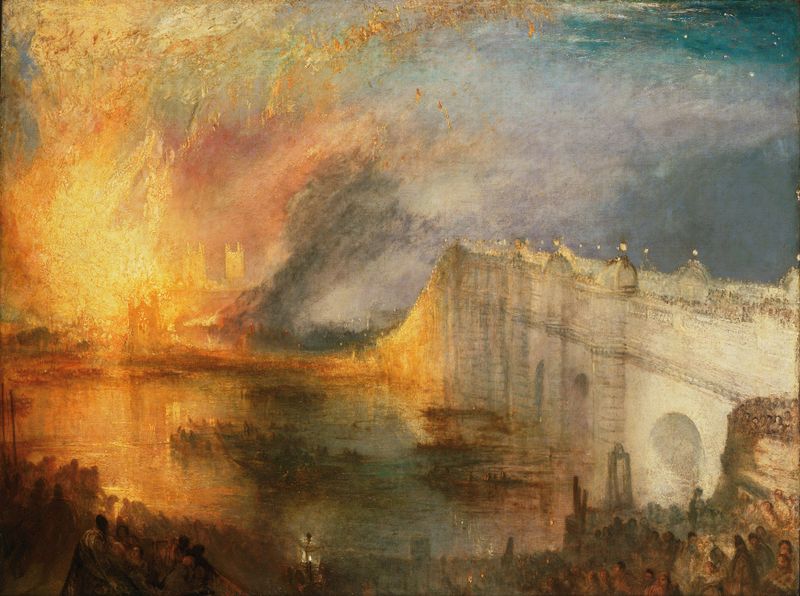
The Burning of the Houses of Lords and Commons, October 16, 1834
Joseph Mallord William Turner
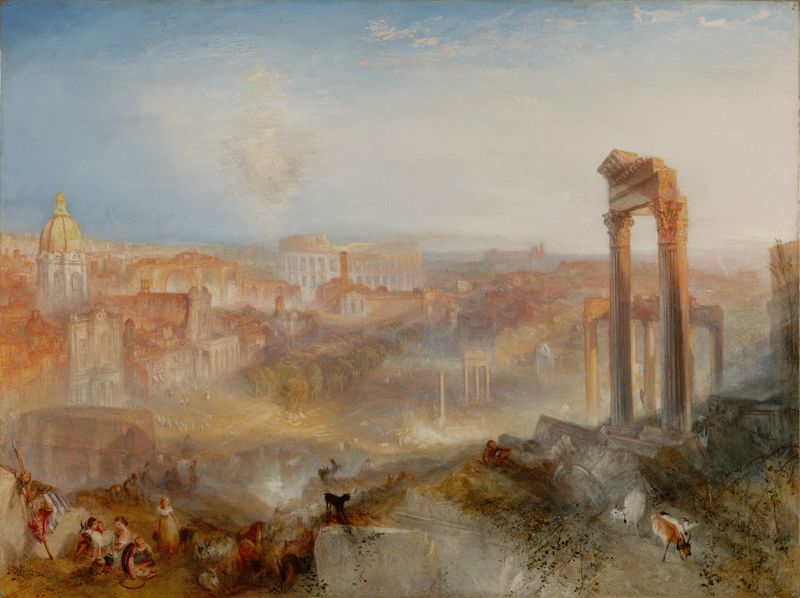
Modern Rome – Campo Vaccino
Joseph Mallord William Turner
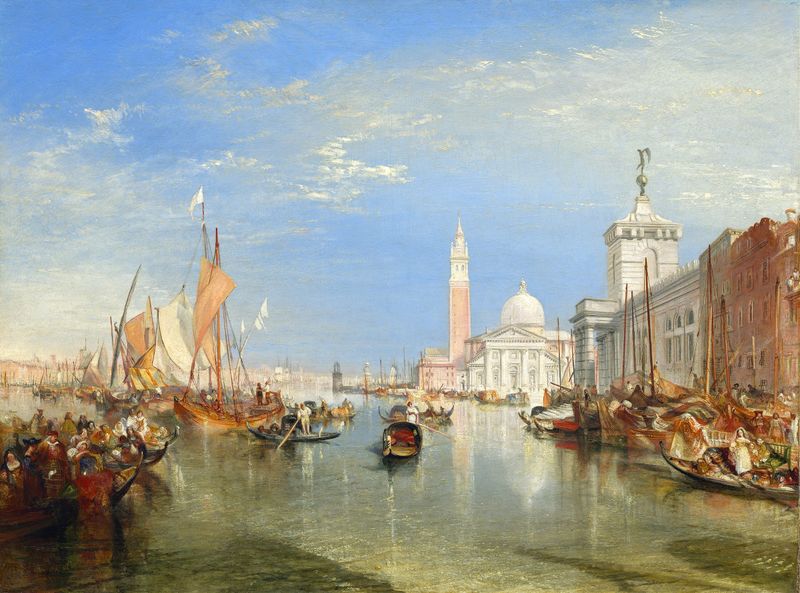
Venice – The Dogana and San Giorgio Maggiore
Joseph Mallord William Turner

The Burning of the Houses of Lords and Commons, 16 October 1834
Joseph Mallord William Turner
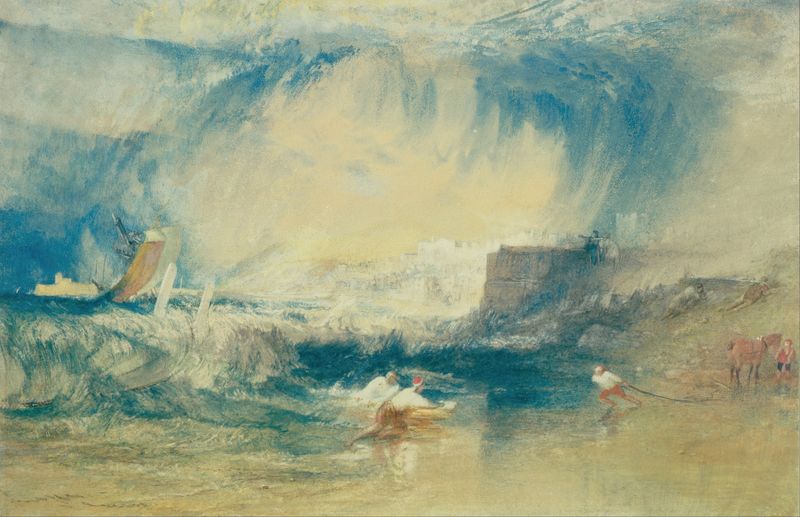
Lyme Regis, Dorsetshire, England
Joseph Mallord William Turner
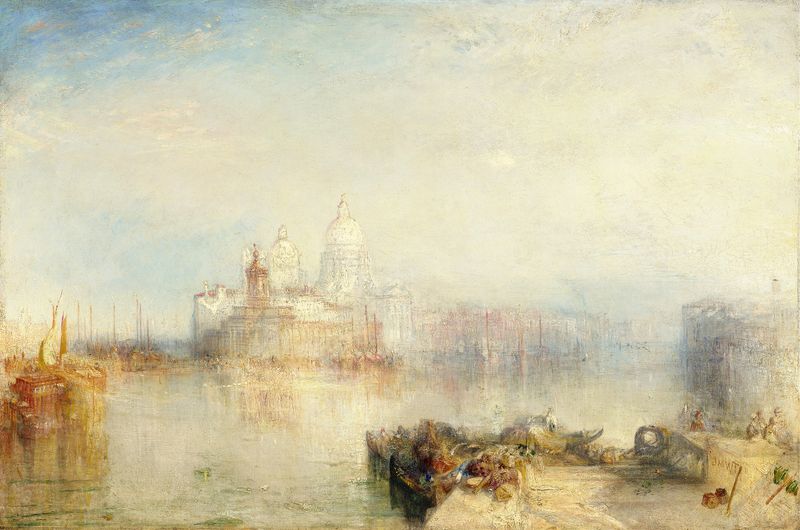
The Dogana and Santa Maria della Salute, Venice
Joseph Mallord William Turner
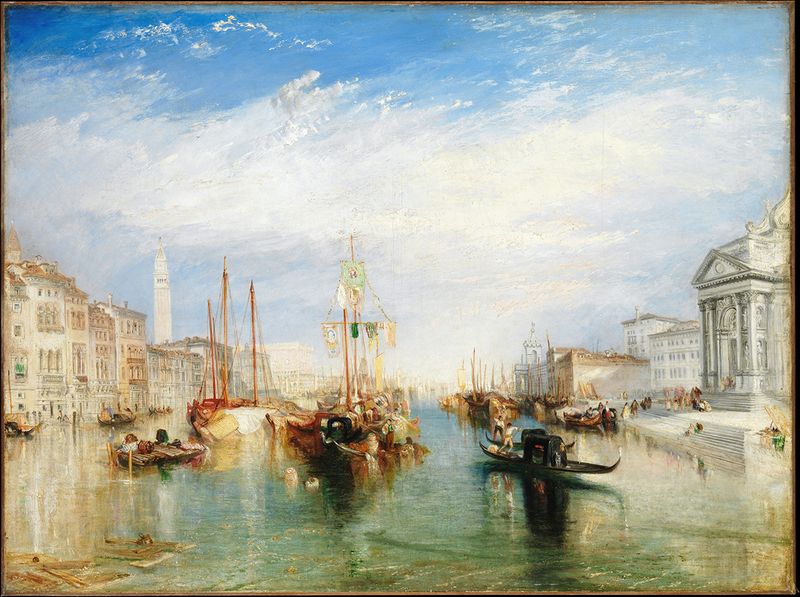
Venice, from the Porch of Madonna della Salute
Joseph Mallord William Turner
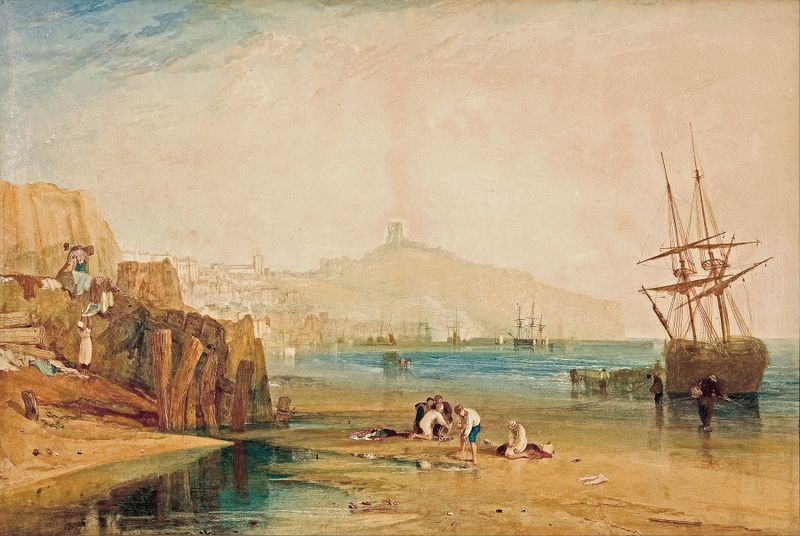
Scarborough town and castle; morning; boys catching crabs
Joseph Mallord William Turner
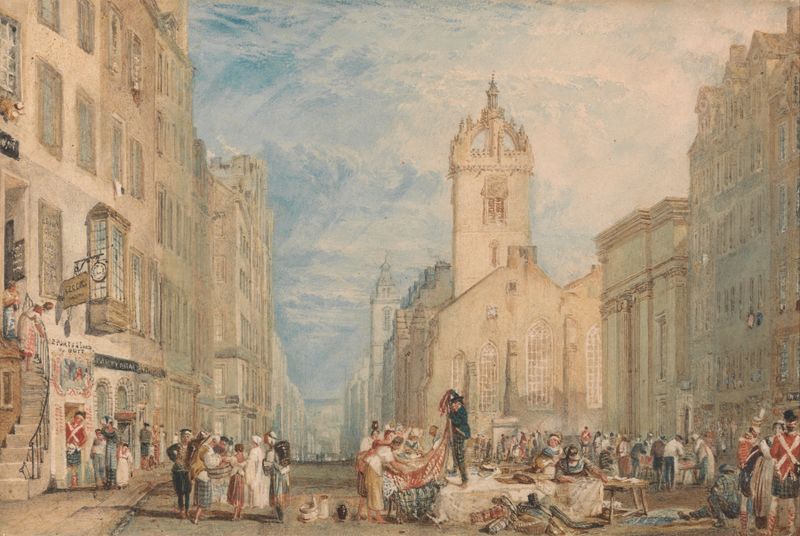
High Street, Edinburgh
Joseph Mallord William Turner





