
Der perfekte Schuh — History & Facts
In Der perfekte Schuh, Eugen von Blaas presents a lively scene filled with rich colors and intricate details. The painting features a young woman, elegantly dressed, examining a shoe, surrounded by a vibrant marketplace. The warm tones of her clothing contrast beautifully with the cooler shades of the background.
This creates a dynamic atmosphere that draws the viewer into the moment. The painting is executed in oil on canvas, showcasing Blaas's skill in capturing realistic textures and expressions. The figures are rendered with meticulous attention to detail, from the fabric of the woman's dress to the intricate design of the shoe. The composition is balanced, with the woman positioned centrally, emphasizing her importance in the scene.
The use of light and shadow adds depth, enhancing the three-dimensional quality of the figures. Eugen von Blaas was known for his depictions of women in everyday life, often set in vibrant, bustling environments. This work, created around c. 1900, reflects the artist's fascination with fashion and social interactions.
An interesting fact about Der perfekte Schuh is that it captures not just a moment, but also the cultural context of the time, highlighting the importance of footwear in society. Blaas's attention to detail and realism makes this piece a notable example of 19th-century genre painting.
More Artworks by Eugen von Blaas

Girl with a blue scarf
Eugen von Blaas
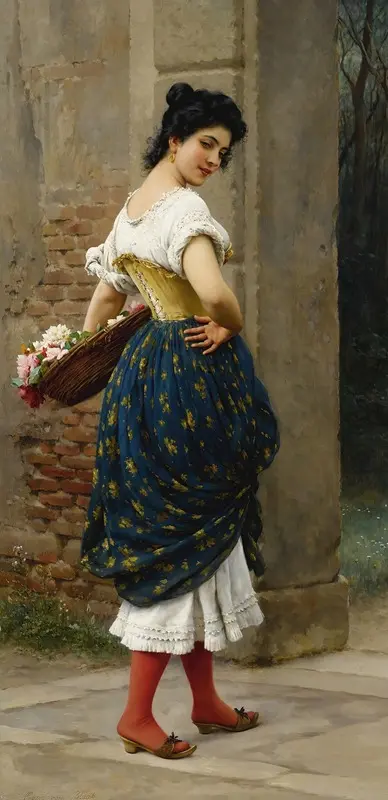
A Maiden With A Basket Of Roses
Eugen von Blaas
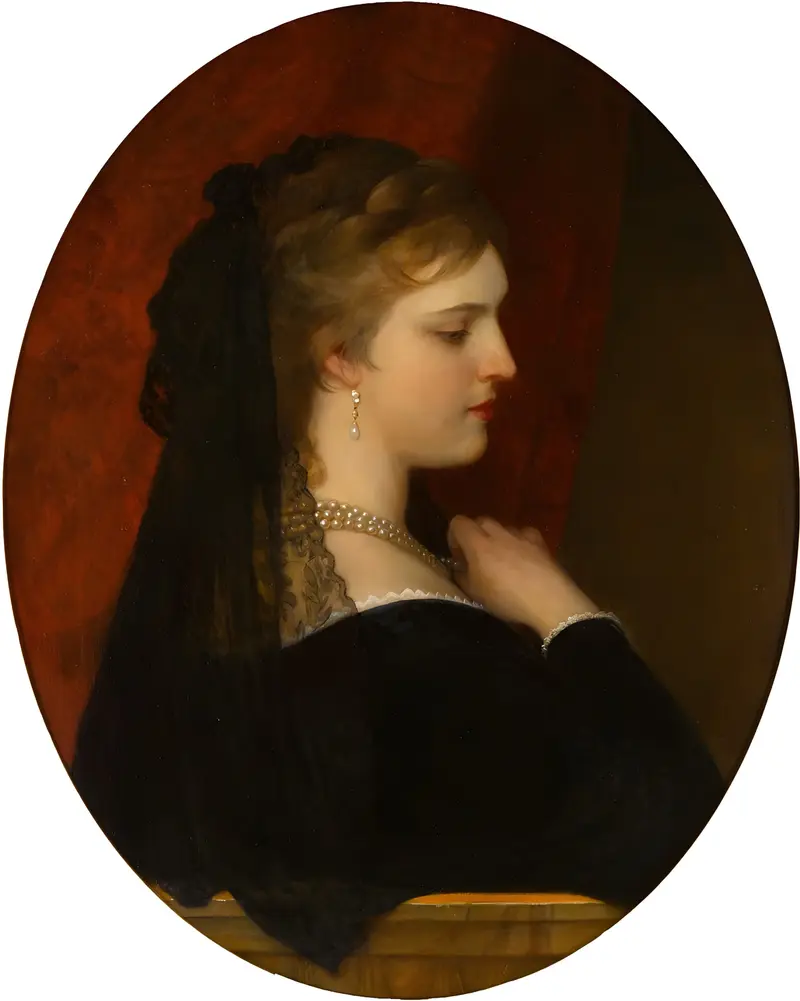
A Venetian lady
Eugen von Blaas
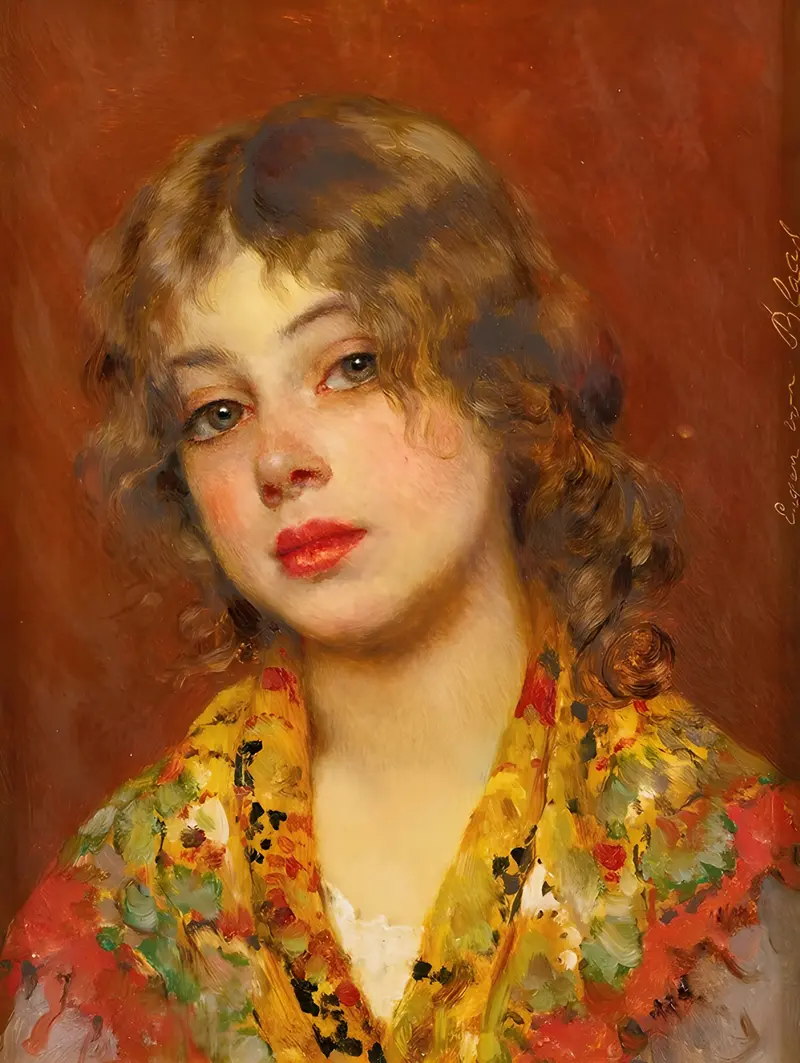
Gypsy Girl
Eugen von Blaas
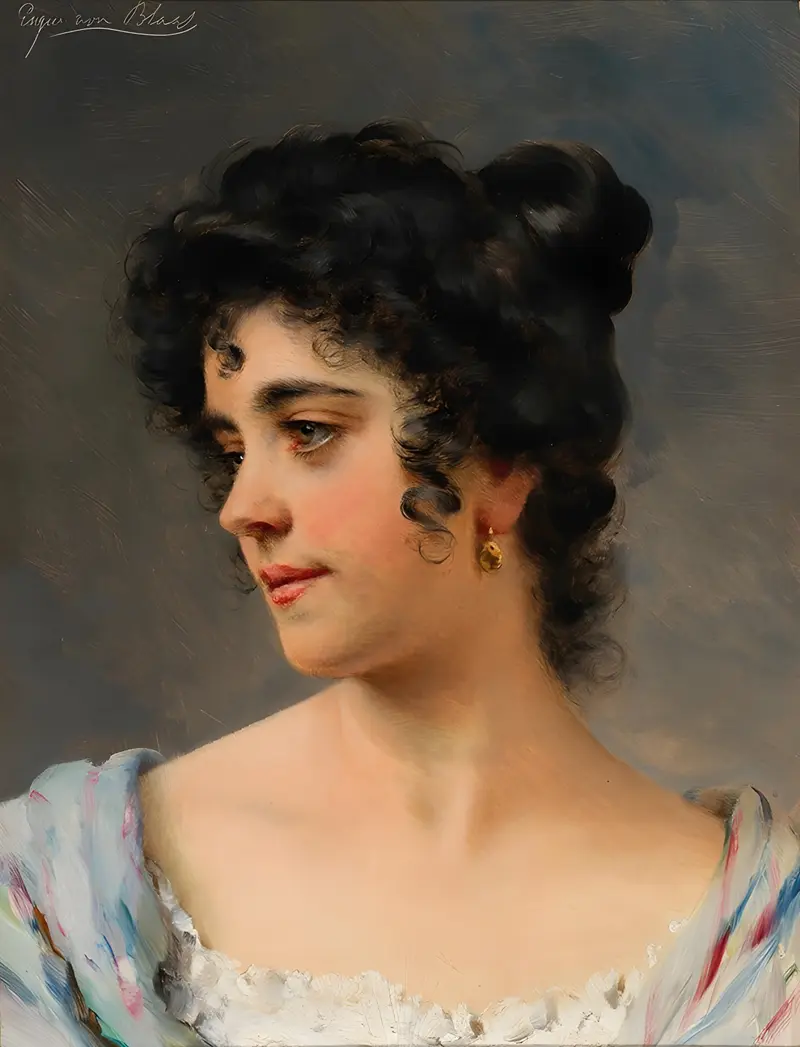
A beautiful Venitian woman
Eugen von Blaas
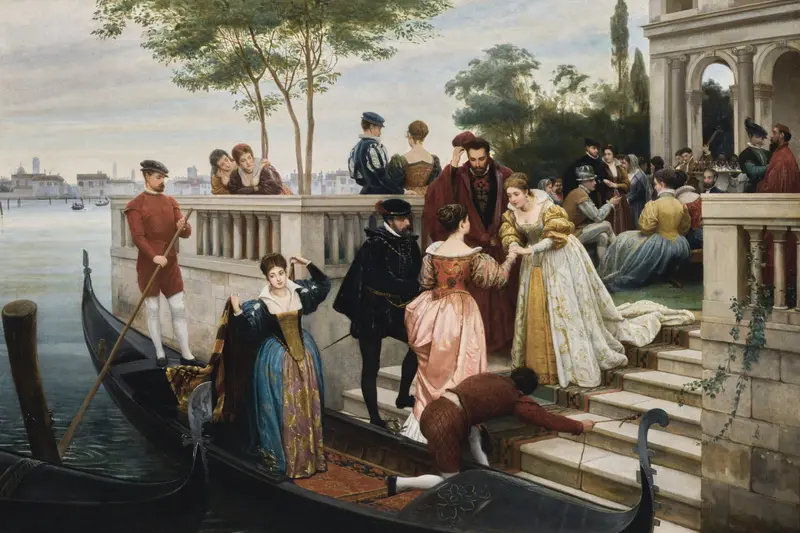
Arriving For The Ball, Murano
Eugen von Blaas
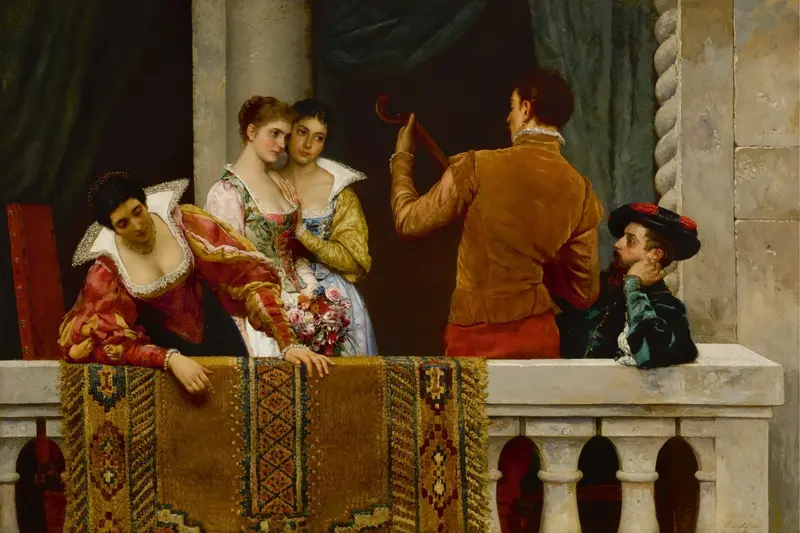
Festival day, venice
Eugen von Blaas
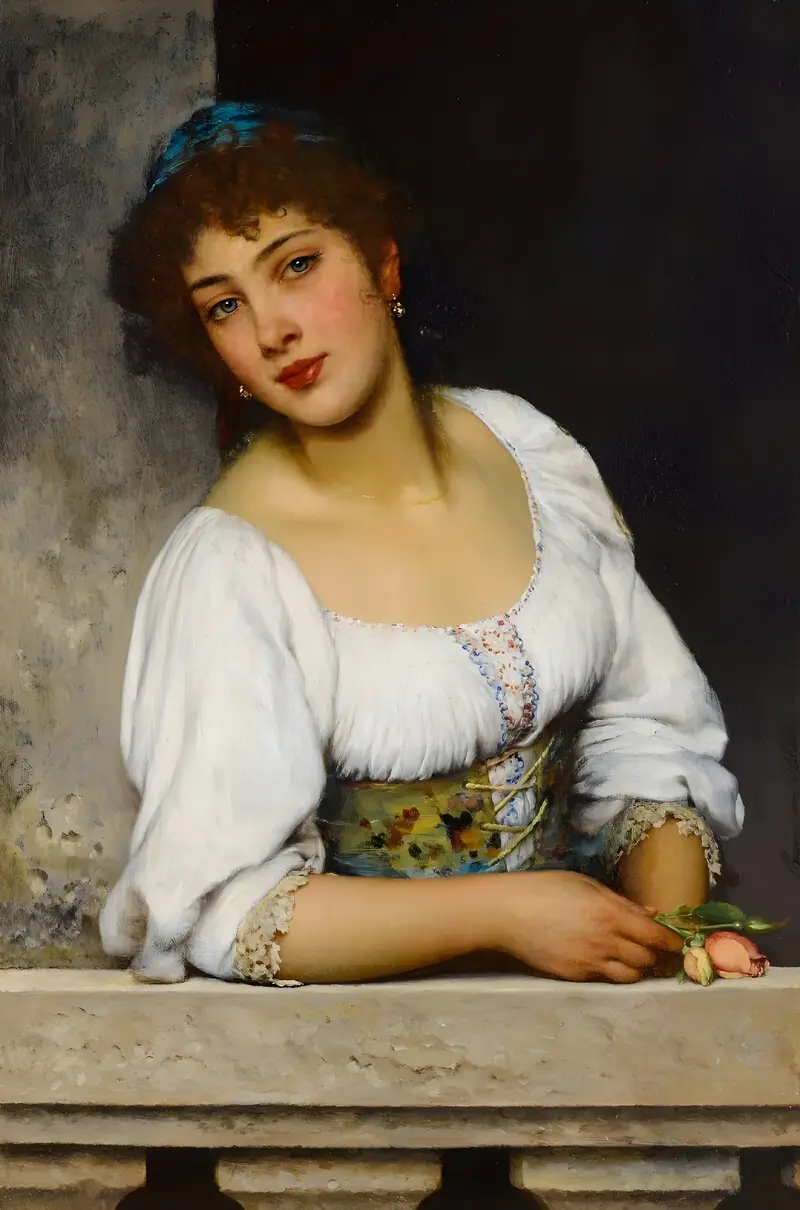
Girl at the Window
Eugen von Blaas
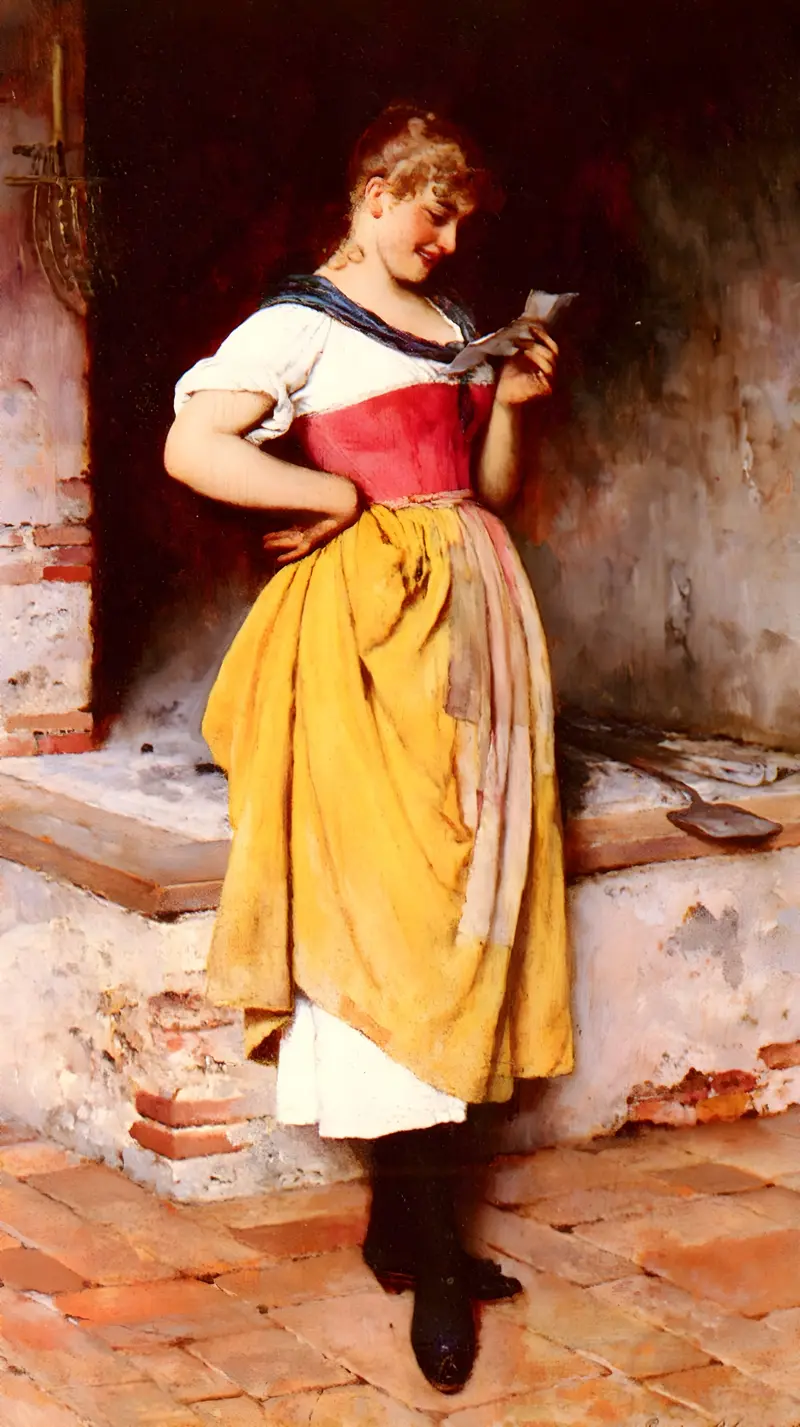
Good news
Eugen von Blaas
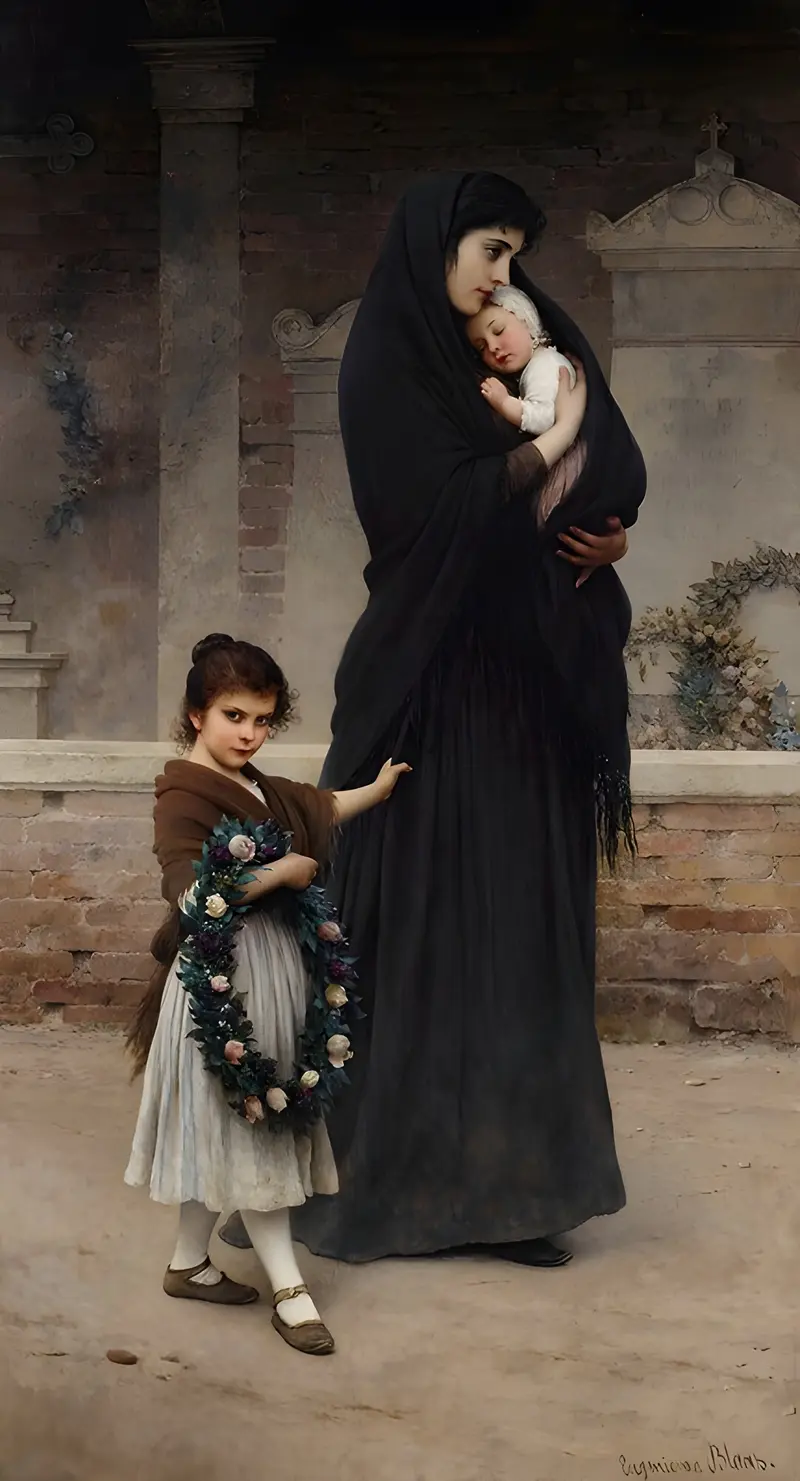
Semper Vivit Amor
Eugen von Blaas
More Genre Scene Art

Banquet of the Officers of the St George Civic Guard
Frans Hals

Rembrandt and Saskia in the Scene of the Prodigal Son
Rembrandt van Rijn

Bal du moulin de la Galette
Pierre-Auguste Renoir

Quadrille at the Moulin Rouge
Henri de Toulouse-Lautrec

A Burial at Ornans
Gustave Courbet

When Will You Marry?
Paul Gauguin