
Der sogenannte Poseidontempel in Paestum — History & Facts
In the stillness of time, decay reveals the beauty of what once was, inviting viewers to reflect on the passage of existence. Look to the center, where the remnants of ancient columns rise against a backdrop of muted earth tones. The play of light and shadow dances across the surface, enhancing the texture of crumbling stone. Notice how the artist captures subtle variations in color, with flecks of green moss creeping into the weathered gray, suggesting life reclaiming its hold on the remnants of human ambition. Delve deeper into the details, where cracks and imperfections tell stories of resilience and fragility.
The juxtaposition of the monumental structure against the encroaching landscape speaks to the inevitable march of time. This tension between permanence and decay evokes a sense of melancholy, reminding us that beauty often lies in the impermanent, and that history is not merely preserved but transformed by the elements. Carl Wuttke created this evocative piece during a period when many artists were drawn to the ruins of antiquity, reflecting a growing interest in nostalgia and the passage of time. Working in Germany, he was influenced by romanticism and the emerging fascination with the sublime aspects of nature.
The artwork stands as a testament to a world in which past glories coexist with the inevitabilities of decay, inviting contemplation on our own fleeting existence.
More Artworks by Carl Wuttke
Browse all →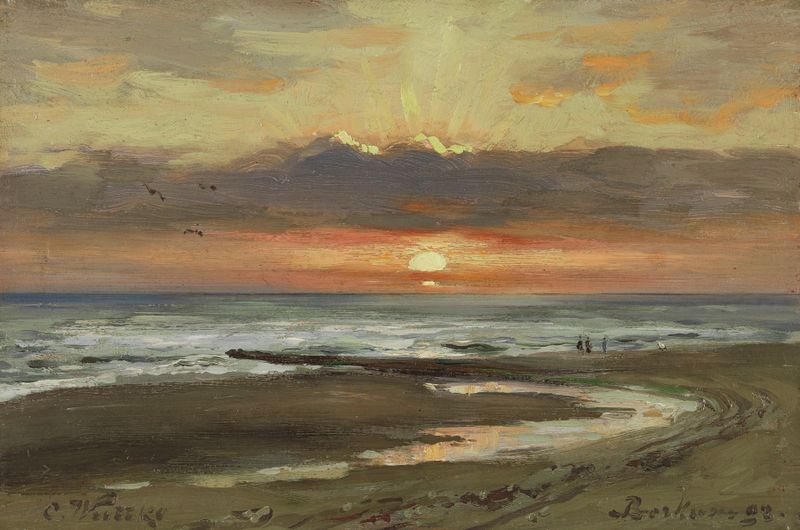
Sonnenuntergang auf Borkum
Carl Wuttke

Orientalischer Basar
Carl Wuttke

Blick vom antiken Theater in Taormina auf den Ätna
Carl Wuttke
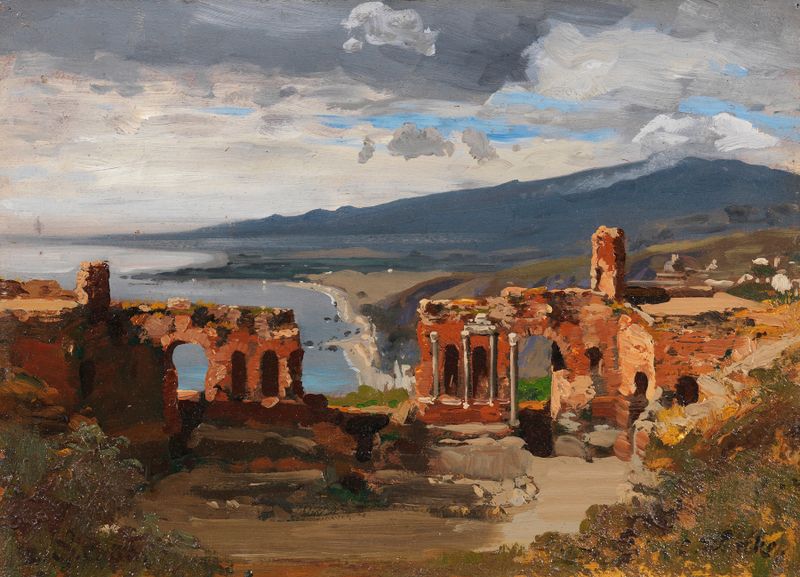
Blick vom antiken Theater in Taormina auf den Ätna
Carl Wuttke
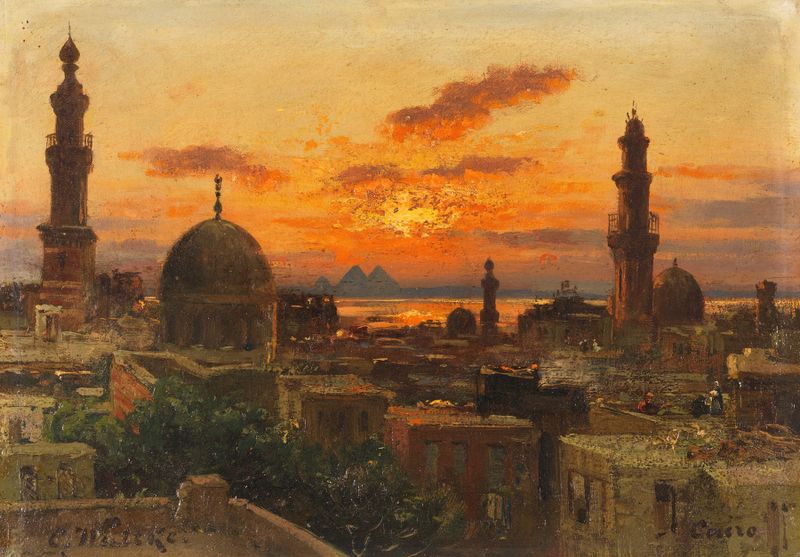
Kairo im Abendlicht
Carl Wuttke
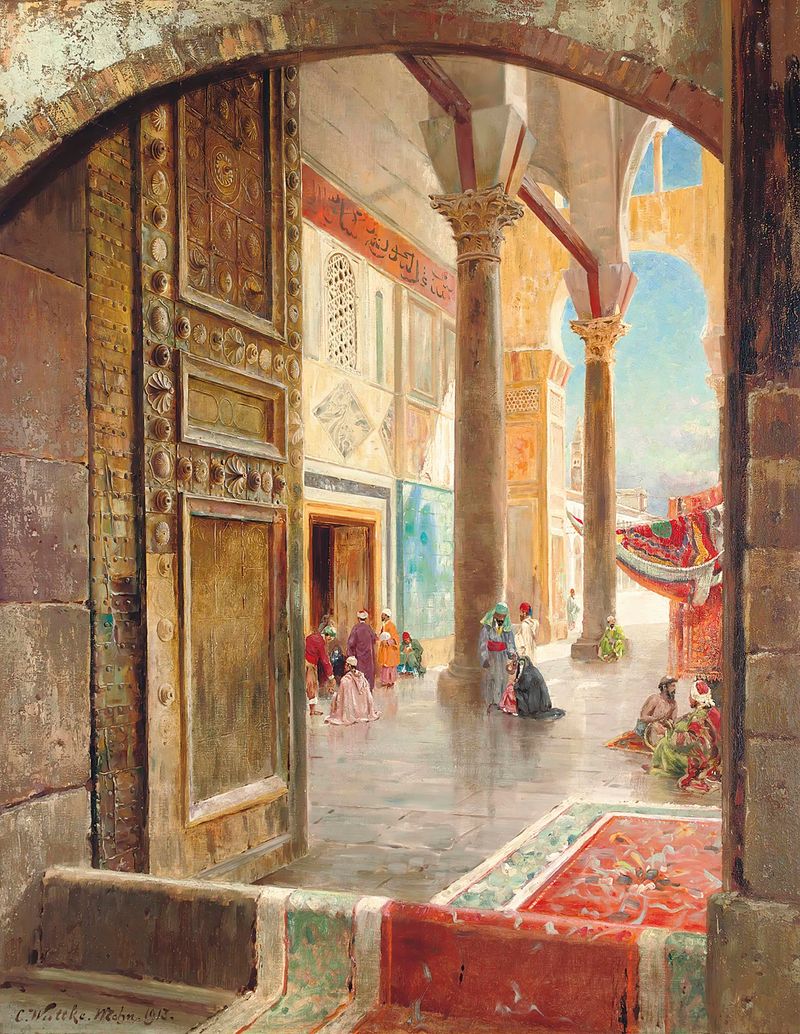
The Great Umayyad Mosque, Damascus
Carl Wuttke
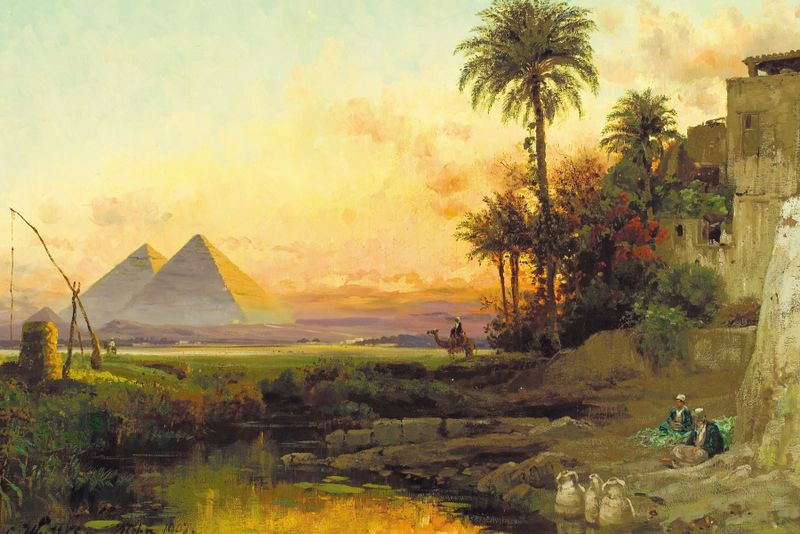
The Pyramids at Dusk
Carl Wuttke

Ansicht von Kairo mit dem Südtor der Stadtmauer
Carl Wuttke

Hügellandschaft in Westbengalen
Carl Wuttke
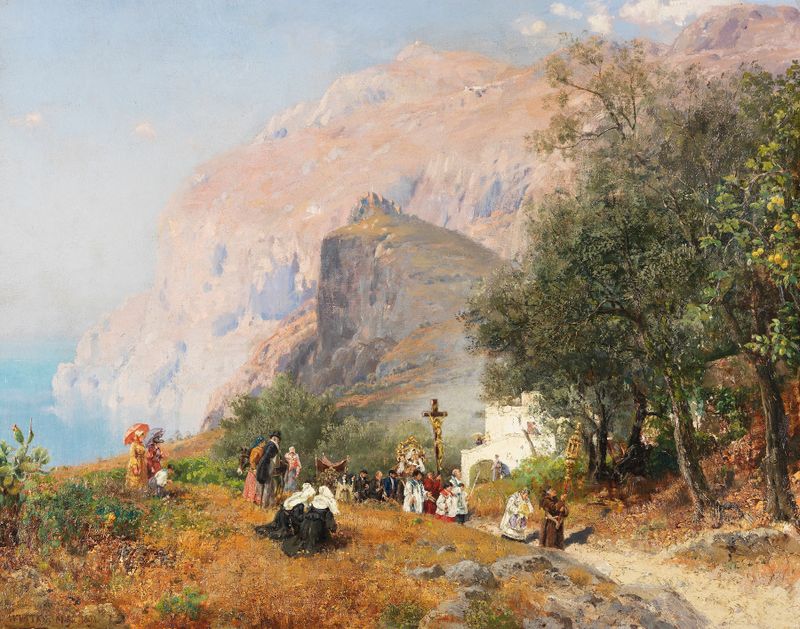
Prozession auf Capri
Carl Wuttke
More Architecture Art
Browse all →
The statue of Liberty
Frédéric Auguste Bartholdi

View of Houses in Delft, Known as ‘The Little Street’
Johannes Vermeer

View of Houses in Delft, Known as ‘The Little Street’
Johannes Vermeer

The Cathedral in Rouen. The portal, Grey Weather
Claude Monet

The yellow house
Vincent van Gogh

The Church in Auvers-sur-Oise, View from the Chevet
Vincent van Gogh