Discover insights about this artwork
Der verlorene Sohn — History & Facts
In Der verlorene Sohn, Max Slevogt presents a vivid scene from the biblical parable of the Prodigal Son. The painting features warm colors, with rich reds and golds dominating the composition. Central to the work are the figures of the father and son, their expressions conveying a mix of joy and sorrow.
The background is a soft, blurred landscape that enhances the emotional weight of the moment. The painting is executed in oil on canvas, a medium that allows for vibrant color and texture. Slevogt's brushwork is expressive, creating a sense of movement and life in the figures. The dimensions are approximately 100 x 120 cm, making it a sizable work that draws the viewer in.
The use of light and shadow adds depth, highlighting the emotional connection between the characters. Max Slevogt was a prominent figure in the German Impressionist movement, known for his ability to blend realism with emotional depth. Der verlorene Sohn was created during a period when Slevogt was exploring themes of family and redemption. An interesting fact about this work is that it reflects Slevogt's personal experiences with loss and reconciliation, making it a deeply personal piece.
Today, it resides in a private collection, showcasing its significance in the artist's oeuvre.
More Artworks by Max Slevogt
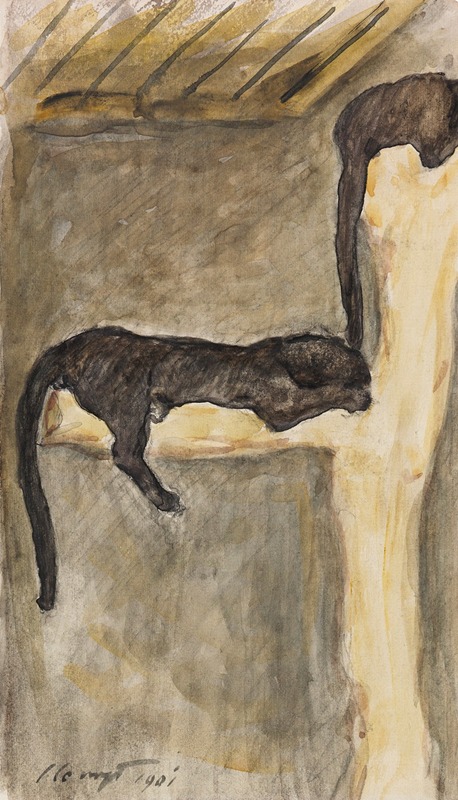
Pantherpaar im Frankfurter Zoo
Max Slevogt
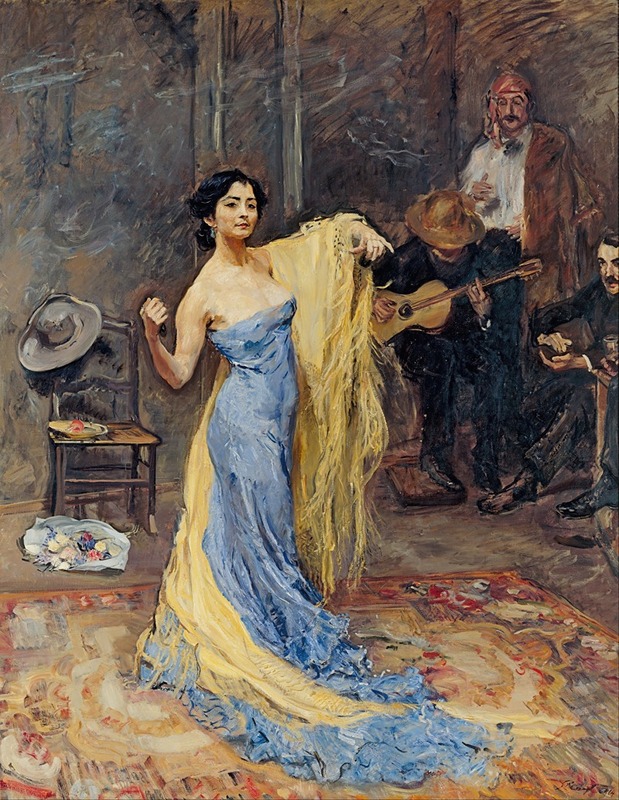
Portrait of the Dancer Marietta di Rigardo
Max Slevogt
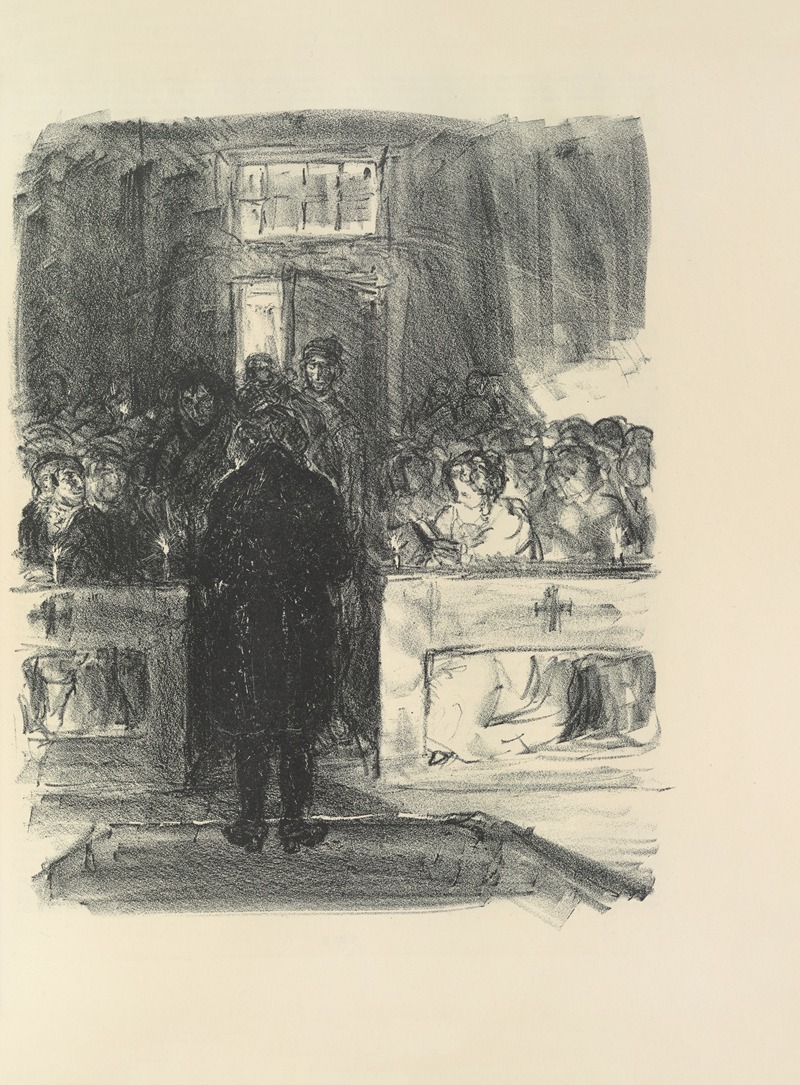
Lederstumpf-Erzählungen Pl.35
Max Slevogt

Bildnis Theodor Stoperan
Max Slevogt
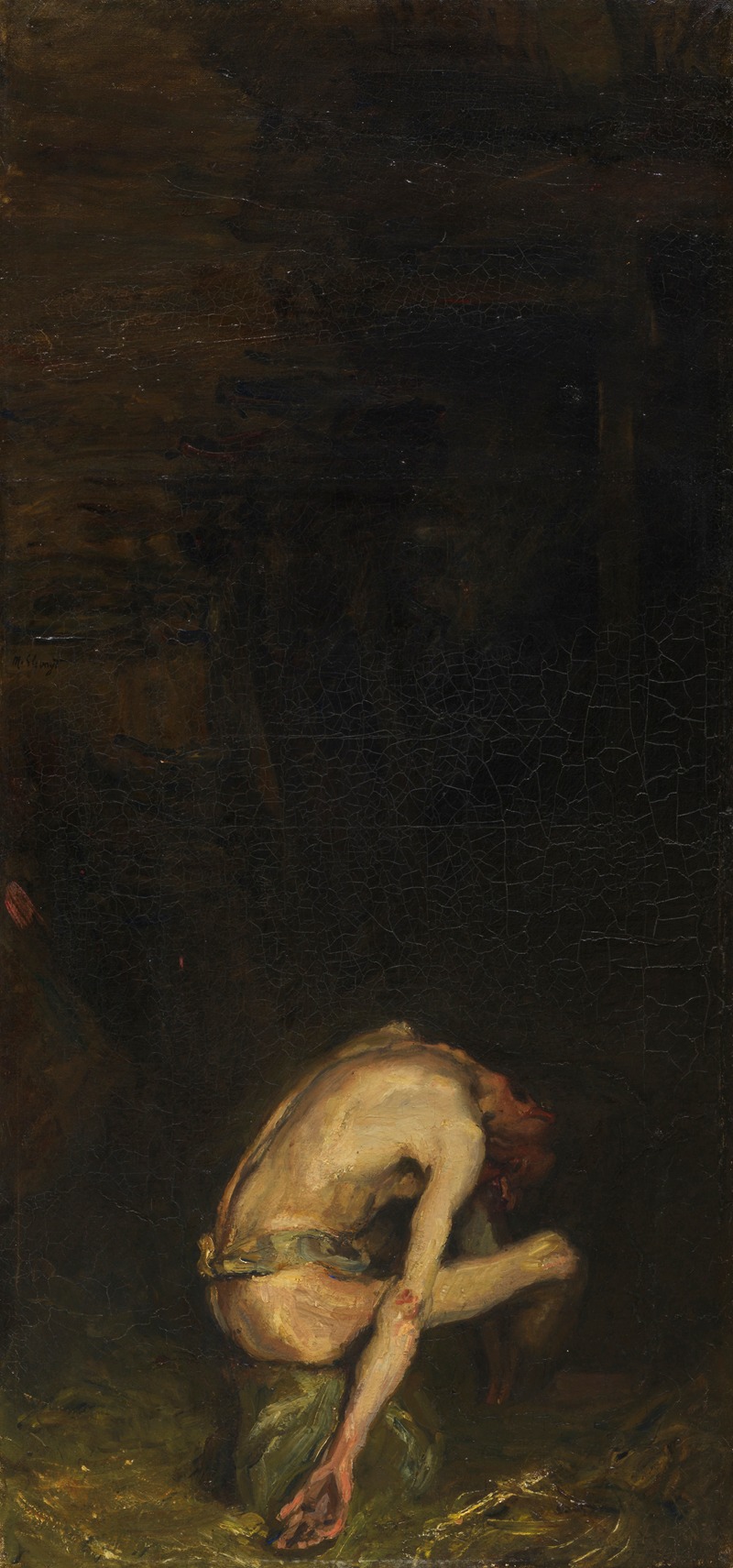
Der verlorene Sohn 3
Max Slevogt
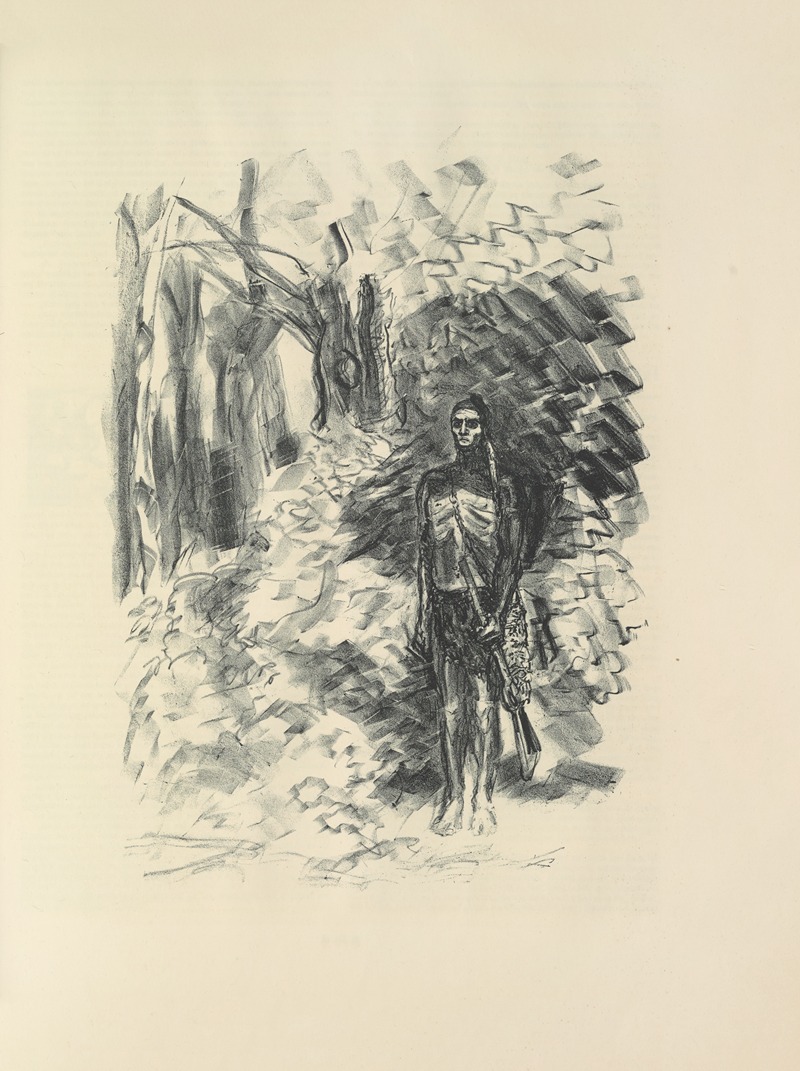
Lederstumpf-Erzählungen Pl.14
Max Slevogt
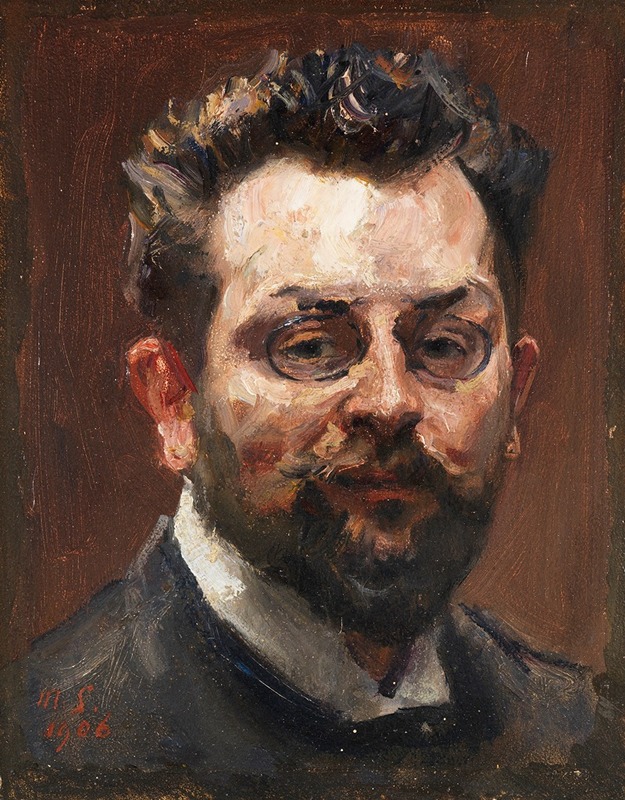
Selbstporträt
Max Slevogt
Schon deine Gnade macht mich reich
Max Slevogt
Fräulein Eva Steinbarth
Max Slevogt
Alles fühlt der Liebe Freuden
Max Slevogt