
Der Zaun Steig — History & Facts
Can paint confess what words never could? In Der Zaun Steig, the boundary between reality and illusion blurs, inviting the viewer into a quiet contemplation of nature's majesty and the human experience intertwined within it. Look to the foreground, where a delicate fence stretches across the canvas, its weathered wood and subtle shadows drawing you in. The vibrant greens and deep blues of the surrounding foliage create a striking contrast, illuminated by dappled light filtering through the leaves. Notice how the brushwork varies — soft and fluid in the grass, more structured along the fence, suggesting a juxtaposition between the wildness of nature and the constraints of human effort. Within this serene setting lies a deeper tension.
The fence, a symbol of boundaries, hints at the barriers we erect in both nature and society; yet, it is also an invitation to wander, as nature encroaches on manmade constructs. The ethereal quality of the light suggests a fleeting moment, perhaps a reminder of life's transience and the illusion of control we seek over our environment. Each element, from the textures to the light, creates a conversation about presence, absence, and the unseen forces that shape our world. During the years 1915 to 1945, Caspar Wolf painted Der Zaun Steig in Switzerland, a time marked by global upheaval and personal introspection.
Art movements were shifting dramatically, and the artist sought solace in the Swiss landscape, capturing its beauty while reflecting on his experiences and the tumult around him. As the world grappled with conflict, Wolf found refuge in nature, translating his insights into this serene yet thought-provoking piece.
More Artworks by Caspar Wolf
Browse all →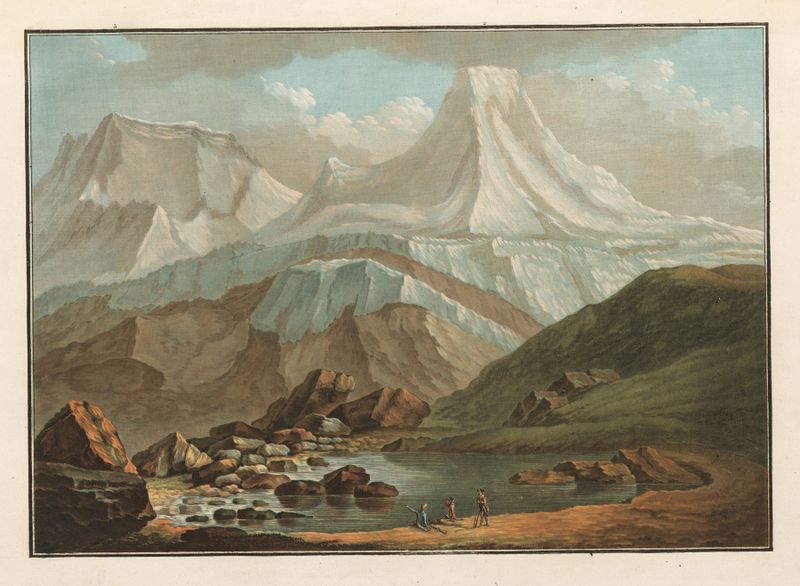
Vue du Gross-Horn et du Breit-Horn avec le petit lac d’Oberhorn
Caspar Wolf
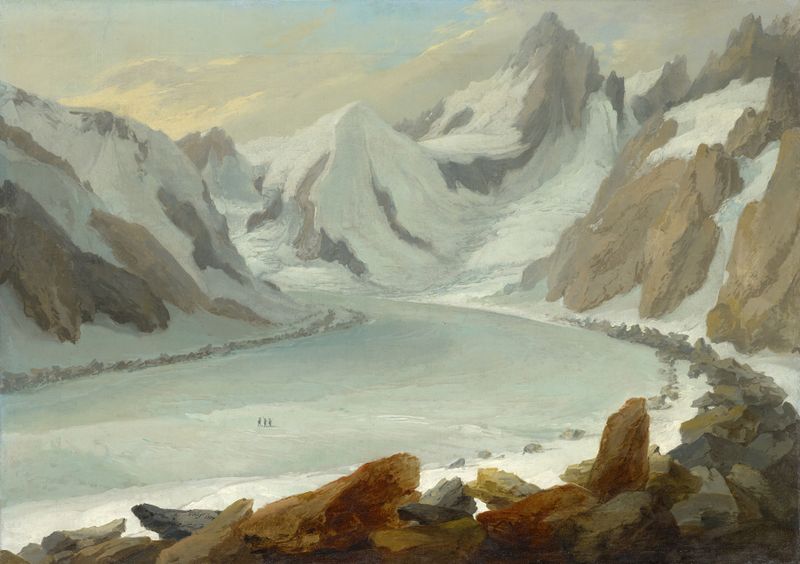
Finsteraargletscher mit Blick auf das Finsteraarhorn
Caspar Wolf
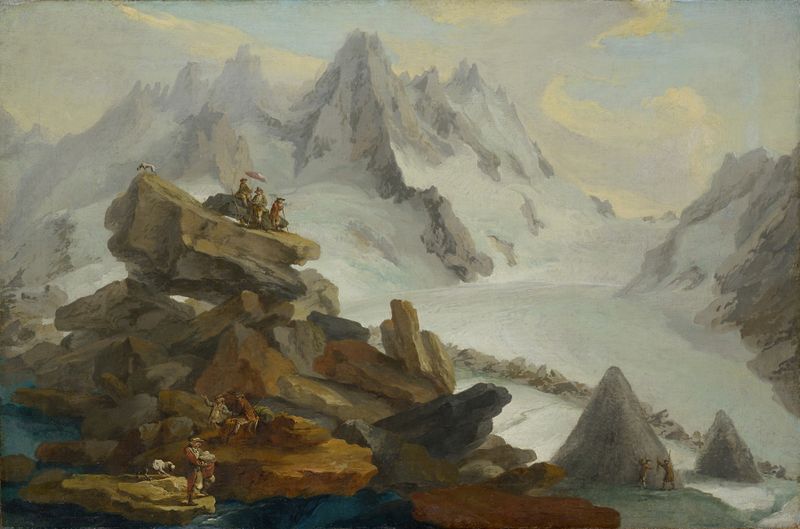
Glacier Lauteraar
Caspar Wolf

Glacier de Lauteraar Canton de Berne Province d’Oberhasli
Caspar Wolf
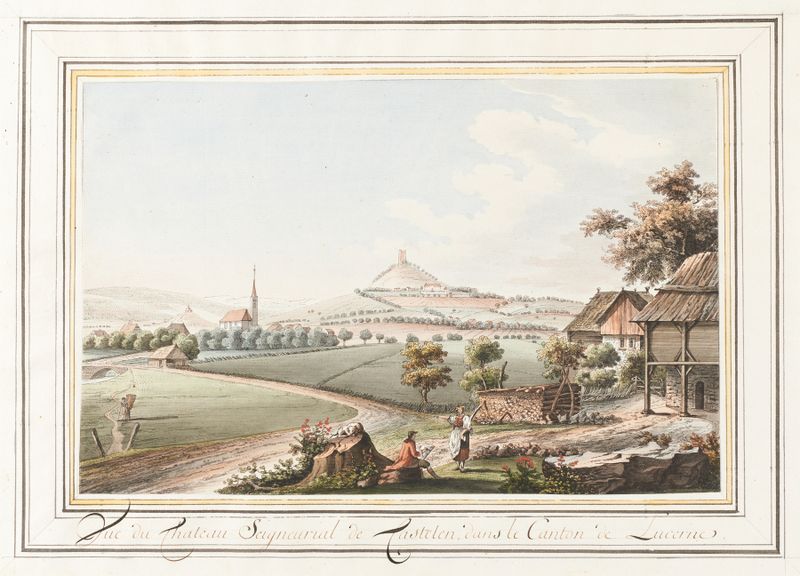
Vue du Chateau Seigneurial de Castelen dans le Canton de Lucerne
Caspar Wolf

Wasserfall im Tobel bei Muri
Caspar Wolf
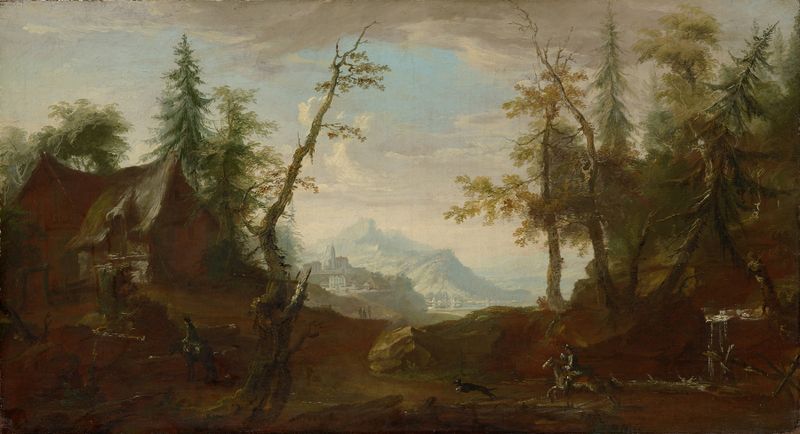
Farmhouse in a Forest Glade with Riders
Caspar Wolf
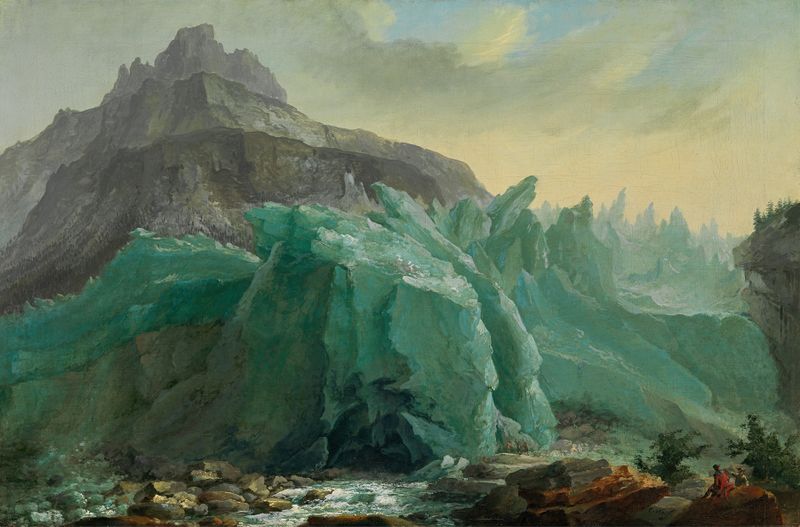
The Lower Grindelwald Glacier with Lütschine and the Mettenberg
Caspar Wolf
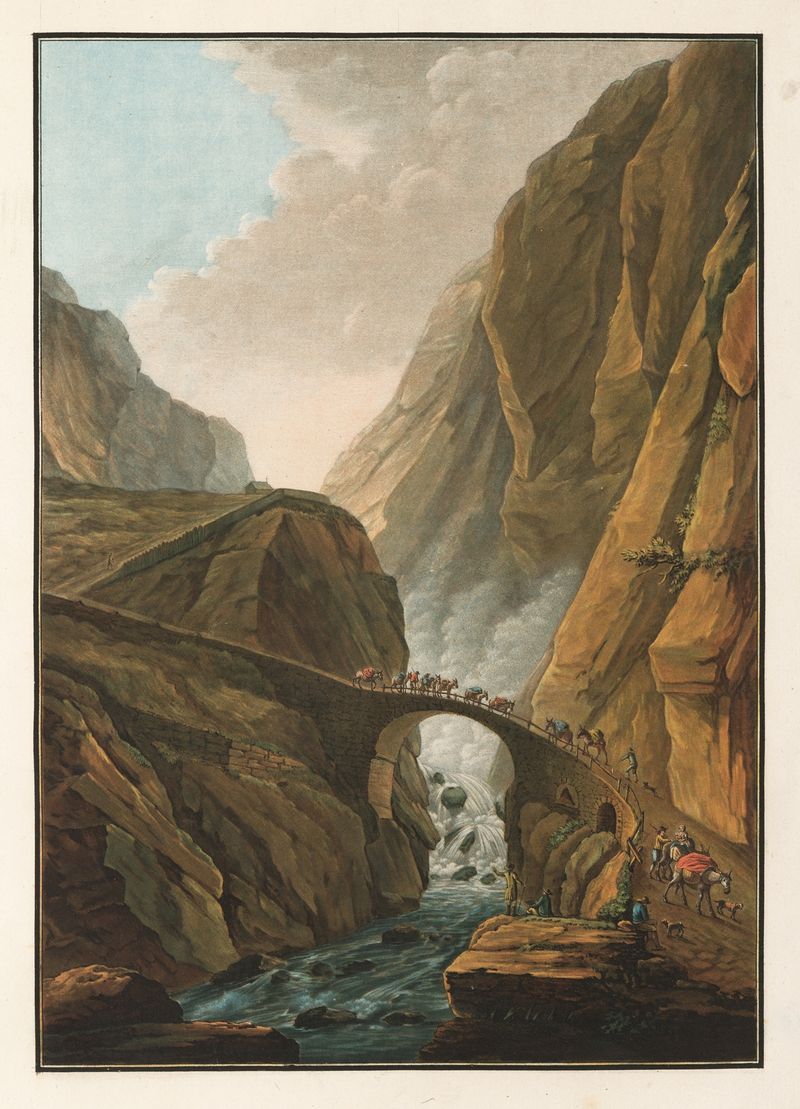
Teufelsbrücke
Caspar Wolf
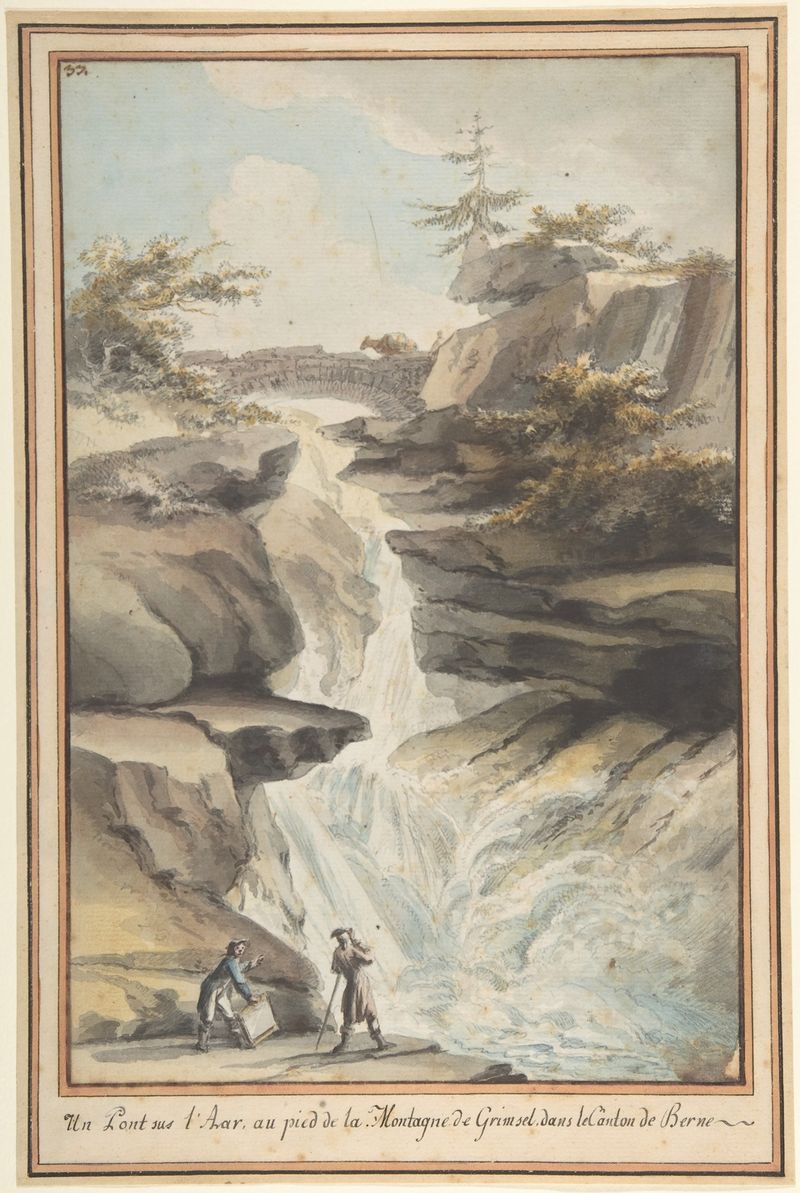
A Bridge on the Aar, at the Foot of the Grimsel, in the Canton of Berne
Caspar Wolf





