
Deserted Bed Of A Glacier — History & Facts
This sentiment resonates deeply in the ethereal landscape captured in Deserted Bed Of A Glacier. The painting unveils a world where nature’s majesty intertwines with the haunting remnants of a once-dominant force, inviting viewers to contemplate the impermanence of beauty. Look to the foreground, where the delicate hues of blue and white converge in a masterful depiction of a glacier’s bed, revealing textures that suggest both fragility and grandeur. Notice how the soft light bathes the icy expanse, illuminating its intricate patterns and casting shadows that hint at the depth of the ice.
The contrast of cool colors against the warmer undertones creates a visual tension, suggesting an underlying warmth beneath the cold surface. As you explore the frozen landscape, subtle elements emerge — the cracks in the ice speak of decay, while the golden tones suggest a fleeting warmth, a memory of the sun’s radiant touch. This interplay of light and shadow evokes a sense of loss, inviting reflection on the environmental changes that alter these once-imposing glaciers. The melding of awe and sorrow in this serene abyss reminds us of nature’s relentless march and our relationship with it. Created during a time when the natural world was increasingly bending to the pressures of industrialization, Holmes rendered this piece with a keen awareness of both scientific exploration and aesthetic beauty.
While the exact date of its creation remains unknown, his work represents a pivotal moment in American art, bridging the interests of nature and the burgeoning appreciation for environmental awareness in the late 19th and early 20th centuries.
More Artworks by William Henry Holmes
Browse all →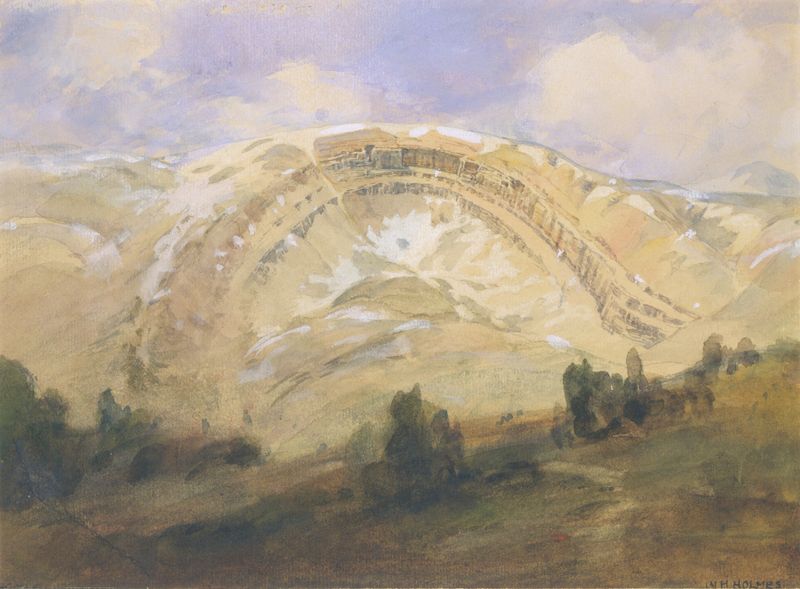
Folded Strata, A Great Geological Arch, Colorado
William Henry Holmes
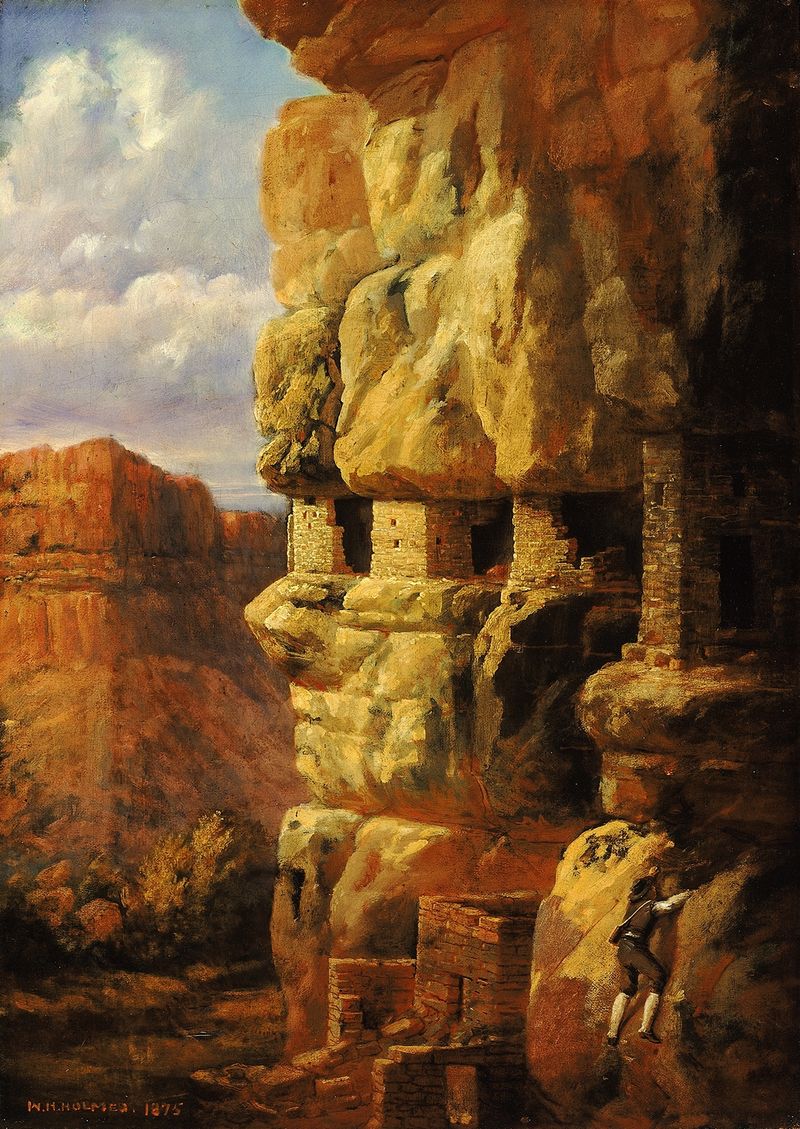
Cliff Houses On The Rio Mancos, Colorado
William Henry Holmes
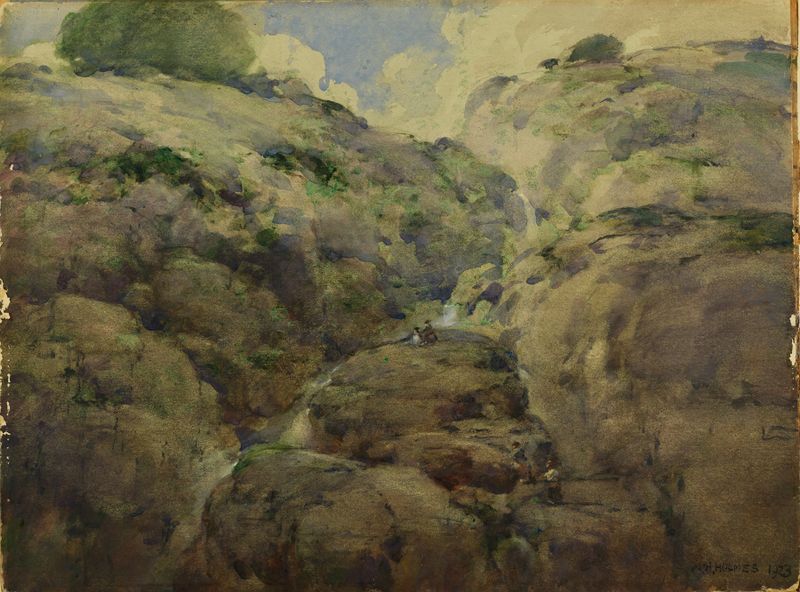
Mountain Gorge, Colorado
William Henry Holmes
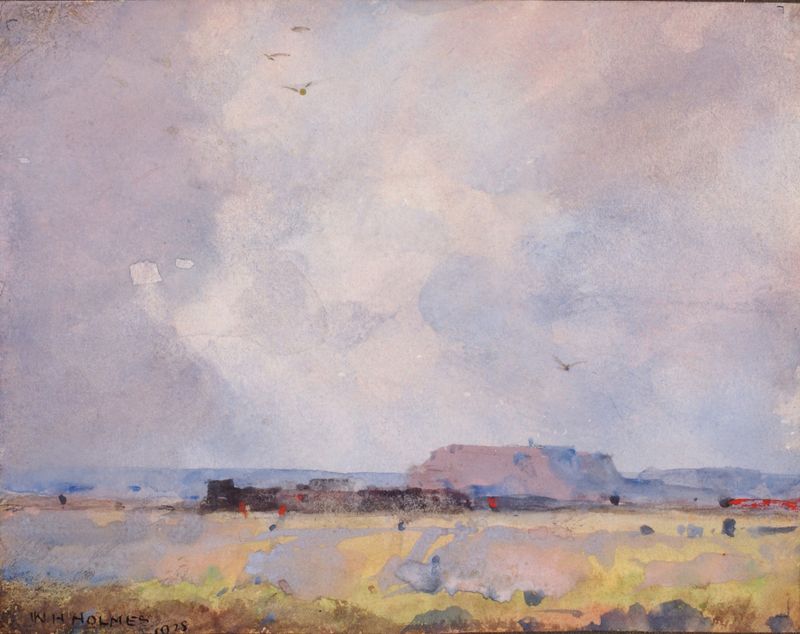
In The Plateau Country, With An Inhabited Pueblo
William Henry Holmes
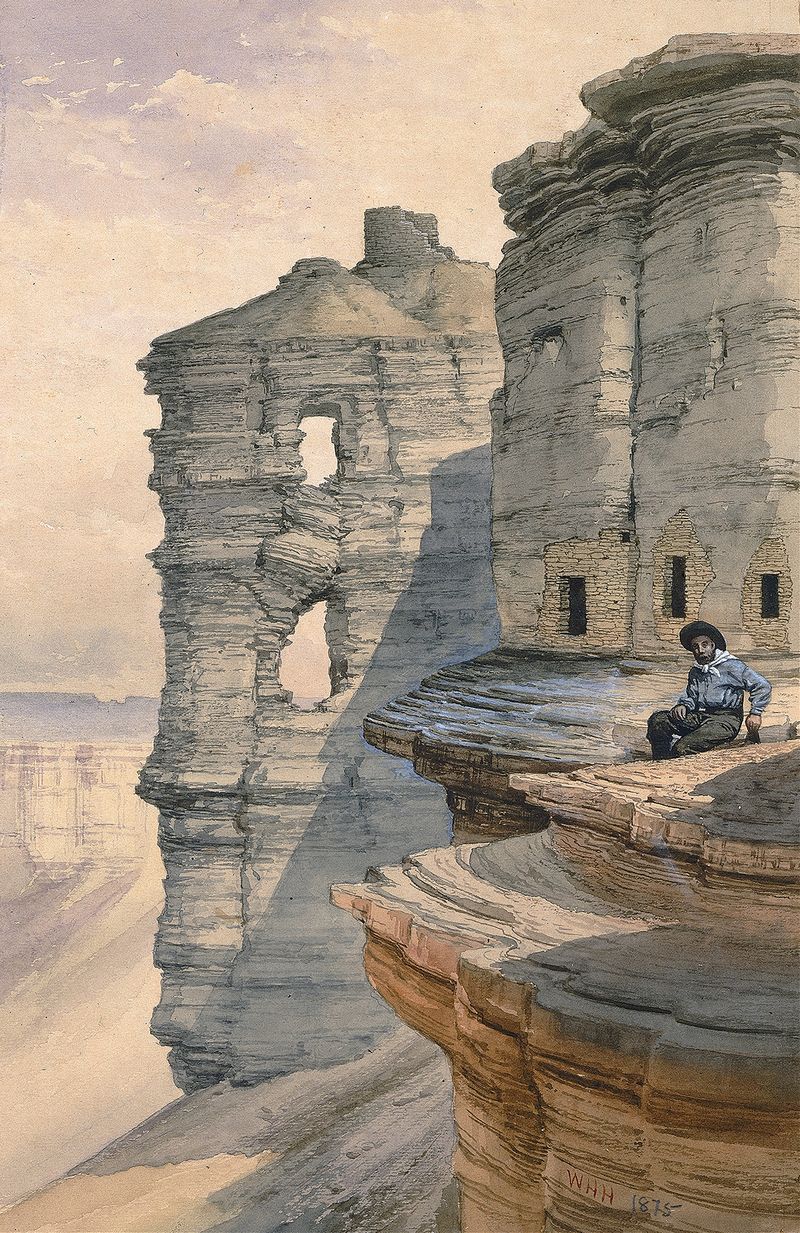
Cliff Houses on the Rio Mancos, Colorado
William Henry Holmes
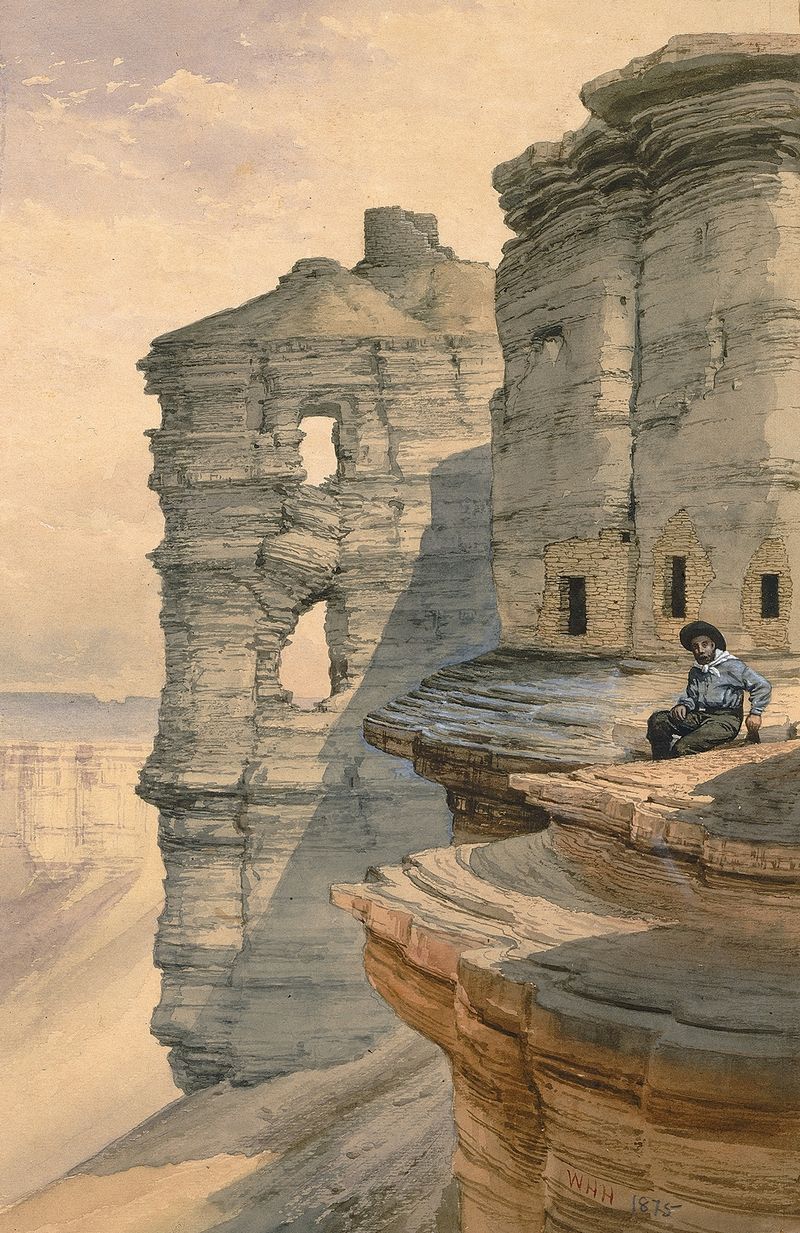
Cliff Houses On The Rio Mancos, Colorado
William Henry Holmes
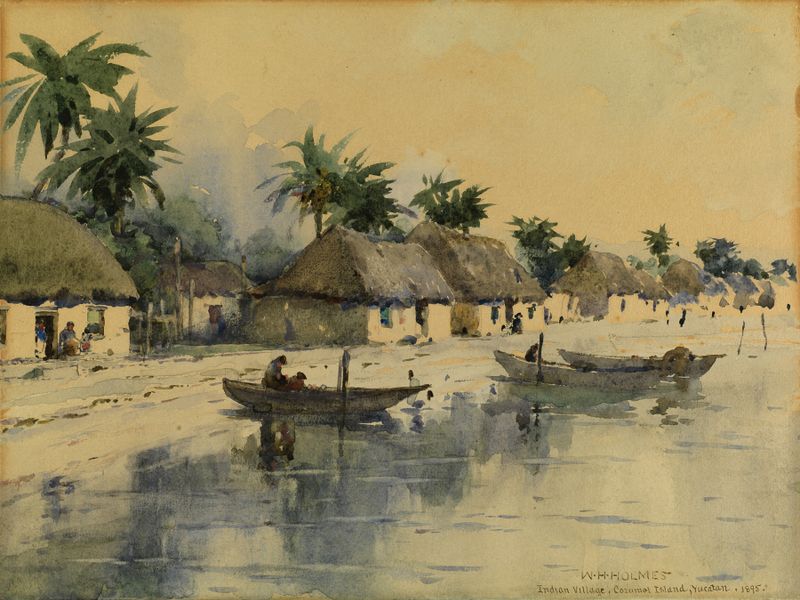
Indian Village, Cozumel Island, Yucatan
William Henry Holmes
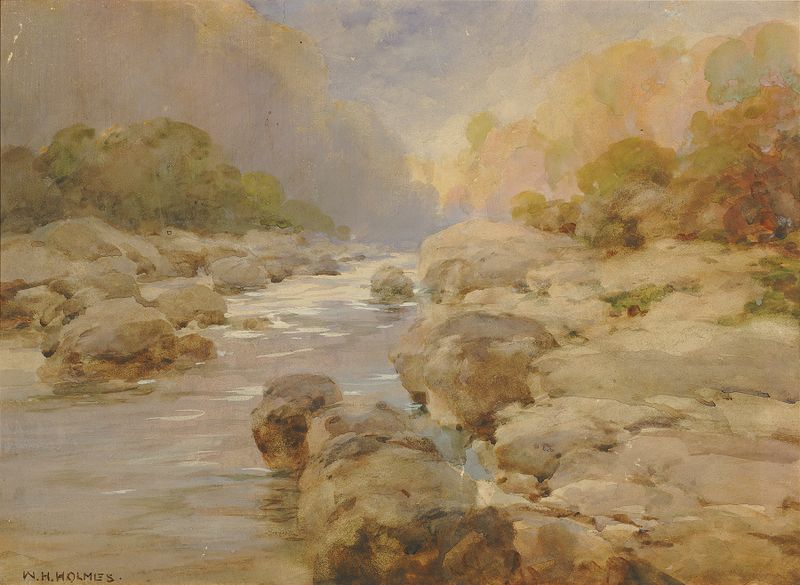
Unmodified Rock Creek, About 1910
William Henry Holmes
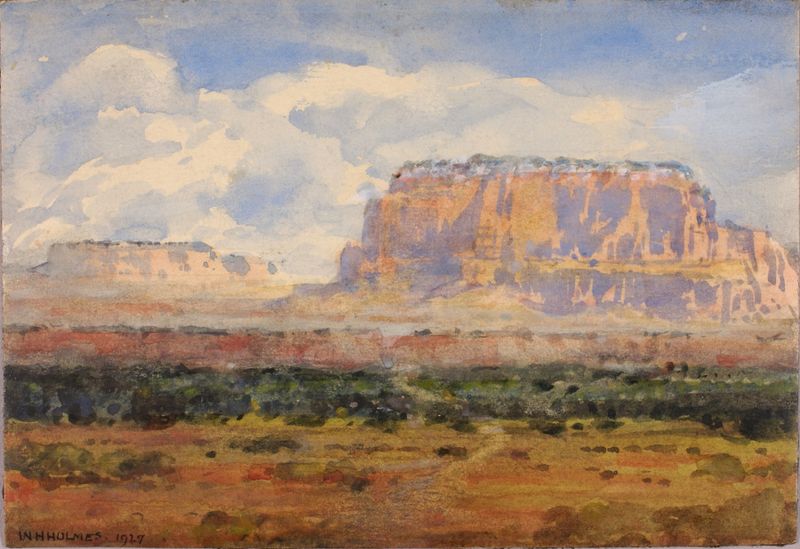
The Enchanted Mesa
William Henry Holmes
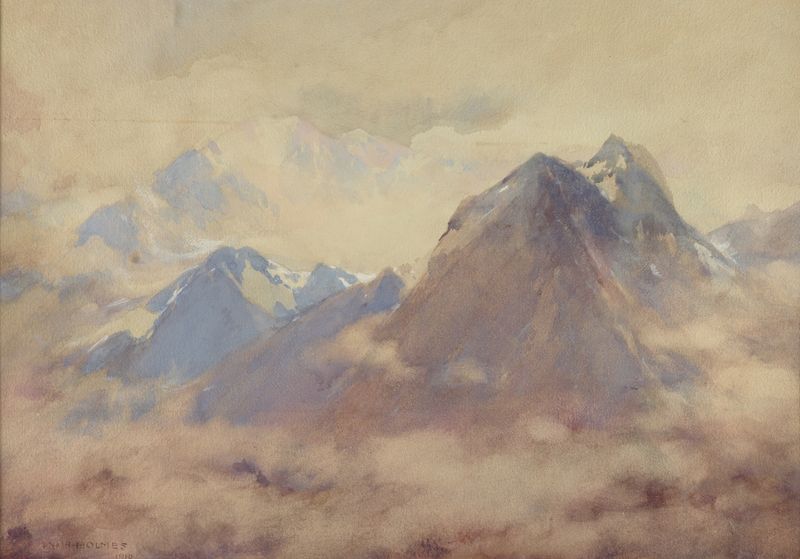
The Almighty’s Own, An Impression Of The High Andes
William Henry Holmes





