Design for Midsummer Night’s Dream — History & Facts
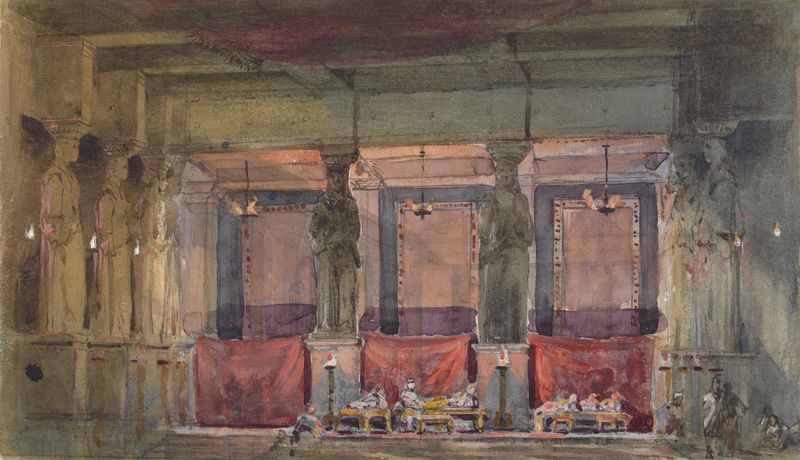
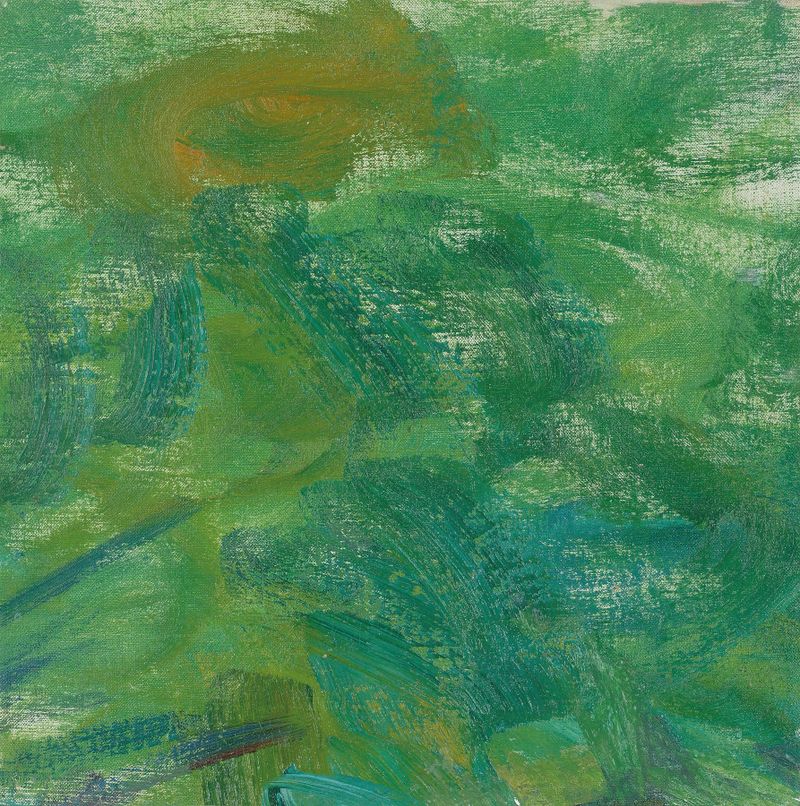
Who listens when art speaks of silence? In the hushed whispers of a dream, Design for Midsummer Night’s Dream reveals an obsession with both light and shadow, inviting us to explore an ethereal world where time slips away. Focus first on the delicate interplay of colors and textures, where gentle greens and soft blues invite the eye to wander. Notice the intricate details woven into the foliage, harmonizing with the figures that seem to emerge from the depths of nature itself. The artist’s careful brushwork creates a sense of movement, as if the characters are caught in a fleeting moment, their forms both solid and ephemeral against the backdrop of a magical forest. Beneath its enchanting surface lies a rich tapestry of emotions.
The tension between the joy and melancholy of the scene suggests an obsession with love, identity, and the blurred boundaries of reality and dream. Each figure embodies a different facet of these themes, their postures and expressions revealing a complex emotional landscape. Shadows loom as reminders of what is hidden, while the vibrant colors speak to the vibrancy of desire and longing. Thomas Grieve crafted this design during a time of personal exploration, likely influenced by the artistic currents surrounding him.
The late 19th and early 20th centuries were rife with experimentation in visual storytelling, as artists sought to convey deeper emotional truths. This piece stands as a testament to that era, reflecting both the personal obsessions of the artist and the transformative power of imagination in art.