
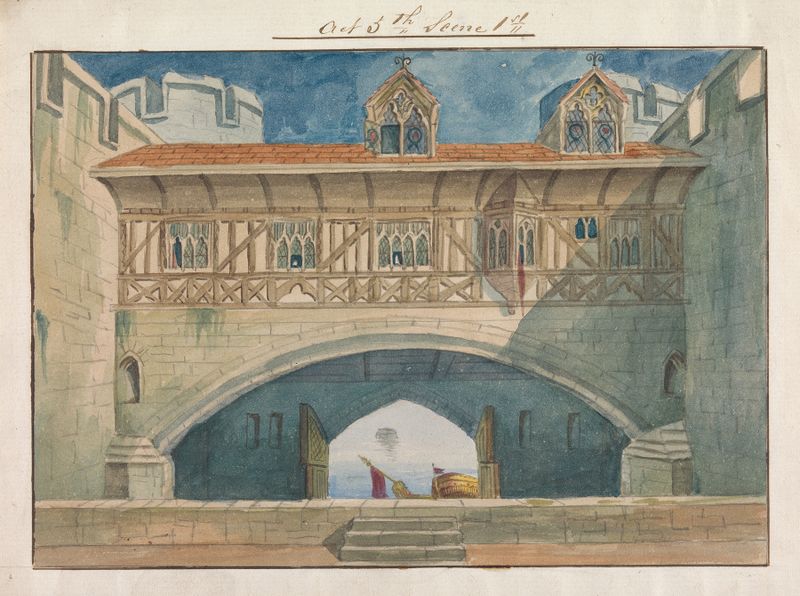
Design for Setting of Charles Kean’s Richard II at the Princess’s Theatre on March 12, 1857 – Act 4, Scene 2 — History & Facts
In a world steeped in decay, the remnants of elegance whisper tales of grandeur lost. The canvas before you invites contemplation of a moment suspended in time, where beauty and disarray intertwine. Look closely at the intricate details in the foreground, where crumbling stonework juxtaposes lush, overgrown vegetation. Notice the way light gently caresses the fragments of architecture, casting soft shadows that breathe life into the desolation.
The palette, infused with earthy tones and muted greens, evokes a sense of nostalgia, drawing the viewer into a realm where the past and present coexist in fragile harmony. Beyond its surface beauty, this piece encapsulates the tension between creation and destruction. The delicate interplay of the structured design with the encroaching nature suggests a dialogue about the impermanence of art and life itself. Each detail, from the peeling paint to the vibrant flora, serves as a reminder of the relentless passage of time, urging us to confront our own fleeting existence. George Cressal Ellis crafted this design in the context of the mid-19th century, a period marked by a fascination with the intersection of art and theatricality.
The theatrical community was abuzz with innovation, and this piece was conceived for Charles Kean's rich production of Richard II at the Princess’s Theatre in London. The era’s shifting artistic landscape reflects Ellis’s exploration of decay, encapsulating the moment when theatrical design began to embrace deeper thematic elements.
More Artworks by George Cressal Ellis
Browse all →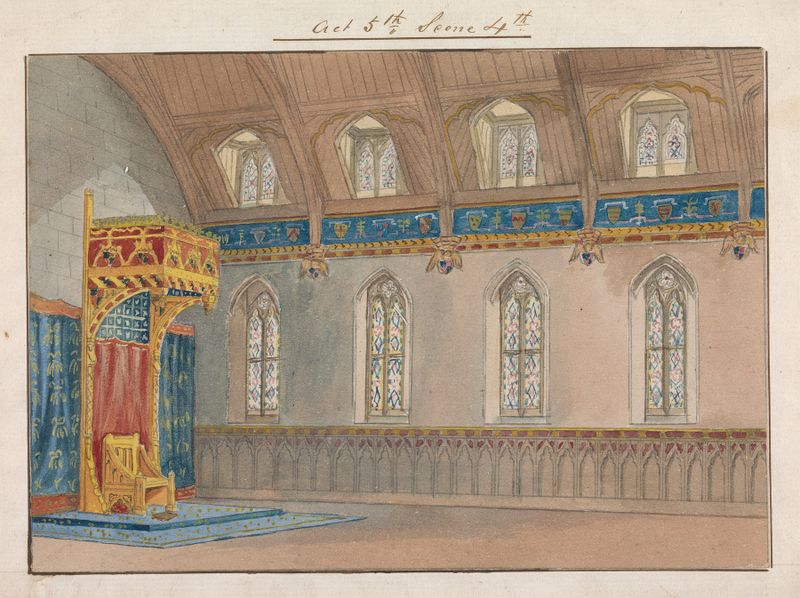
More Historical Art
Browse all →
The Night Watch Militia Company of District II under the Command of Captain Frans Banninck Cocq
Rembrandt van Rijn
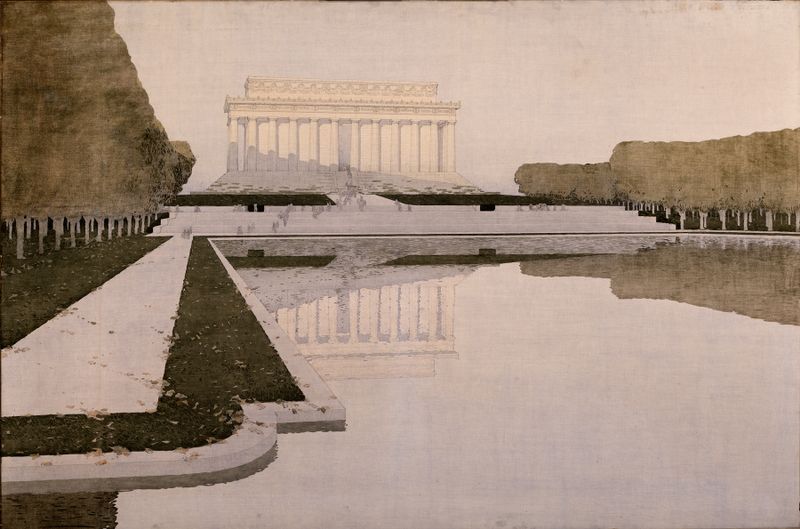
Lincoln Memorial
Henry Bacon
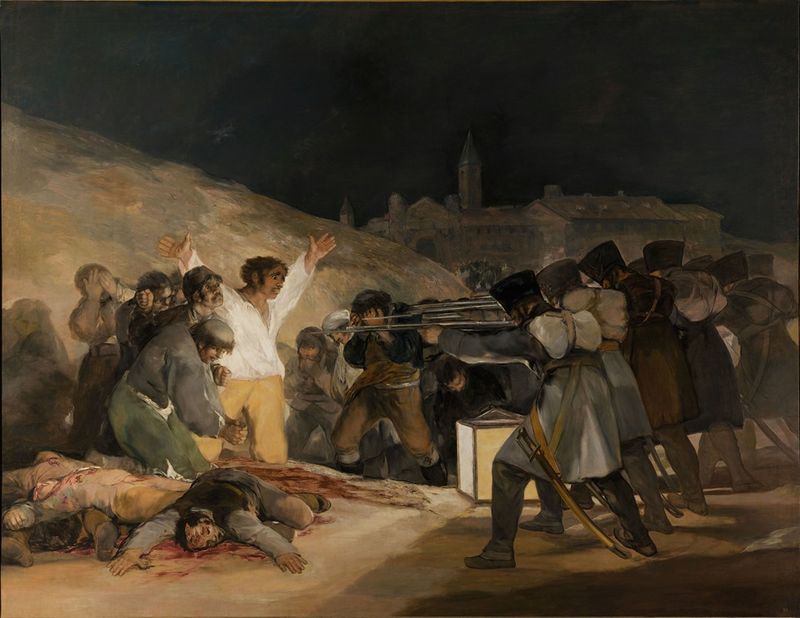
The Third of May 1808
Francisco de Goya

Isaac and Rebecca, Known as ‘The Jewish Bride’
Rembrandt van Rijn
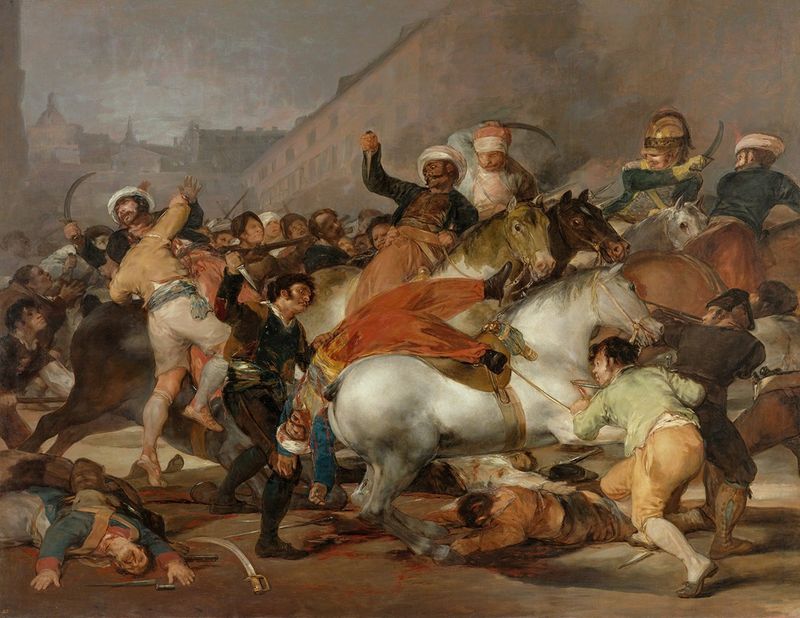
The Charge of the Mamelukes (1814)
Francisco de Goya
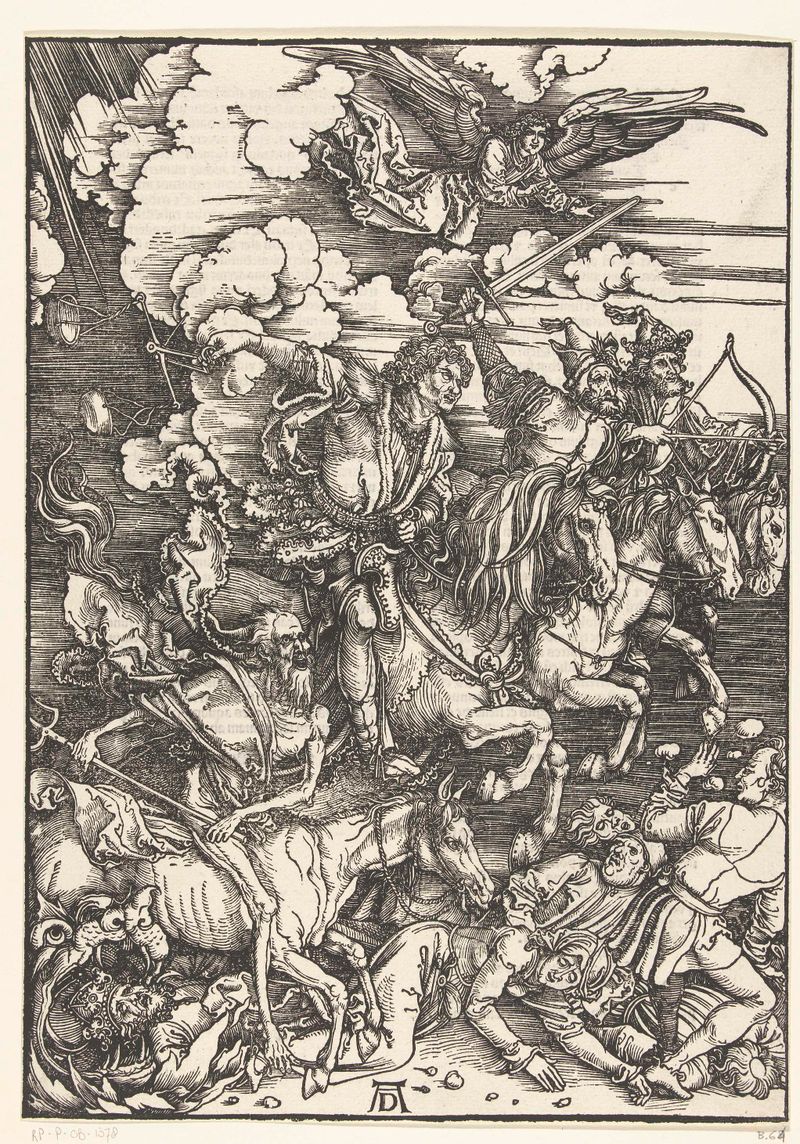
De vier ruiters van de apocalyps
Albrecht Dürer