
Deti na lúke — History & Facts
In the stillness of a warm summer afternoon, the essence of transformation emerges, inviting viewers to pause and reflect on life’s fleeting moments. Look to the center of Deti na lúke, where children frolic amidst a lush, expansive meadow bathed in the golden hues of late sunlight. The artist’s deft brushstrokes create an impression of movement—tousled hair and flowing garments suggest laughter and spontaneity. Notice how the gentle contrast between the vivid greens of the grass and the soft pastels of their clothing captures the innocence of youth, while the dappled light filtering through the trees adds layers of warmth and nostalgia. Subtle emotional tensions pulse through the scene.
The carefree joy of the children is juxtaposed against the quiet, almost watchful nature surrounding them; it embodies a fleeting moment untouched by the weight of time. This dichotomy evokes a sense of both freedom and impermanence, inviting the viewer to consider the inevitable passage of childhood. Mednyánszky’s choice of color palette enhances this theme; the soft, embracing tones create an atmosphere of serenity, yet they hint at the deeper currents of change that lie beneath the surface. Painted between 1875 and 1885, this work emerged during a transformative period in Central European art, as artists sought to capture authentic life experiences.
Mednyánszky, a key figure of the Hungarian artistic movement, was deeply engaged with the rural landscape and the everyday lives of its people during this time. His focus on the simplicity and beauty of nature reflected a broader shift towards realism, resonating with the changing mood of society as it grappled with modernization and the loss of pastoral traditions.
More Artworks by Ladislav Mednyánszky
Browse all →
Winter Landscape
Ladislav Mednyánszky
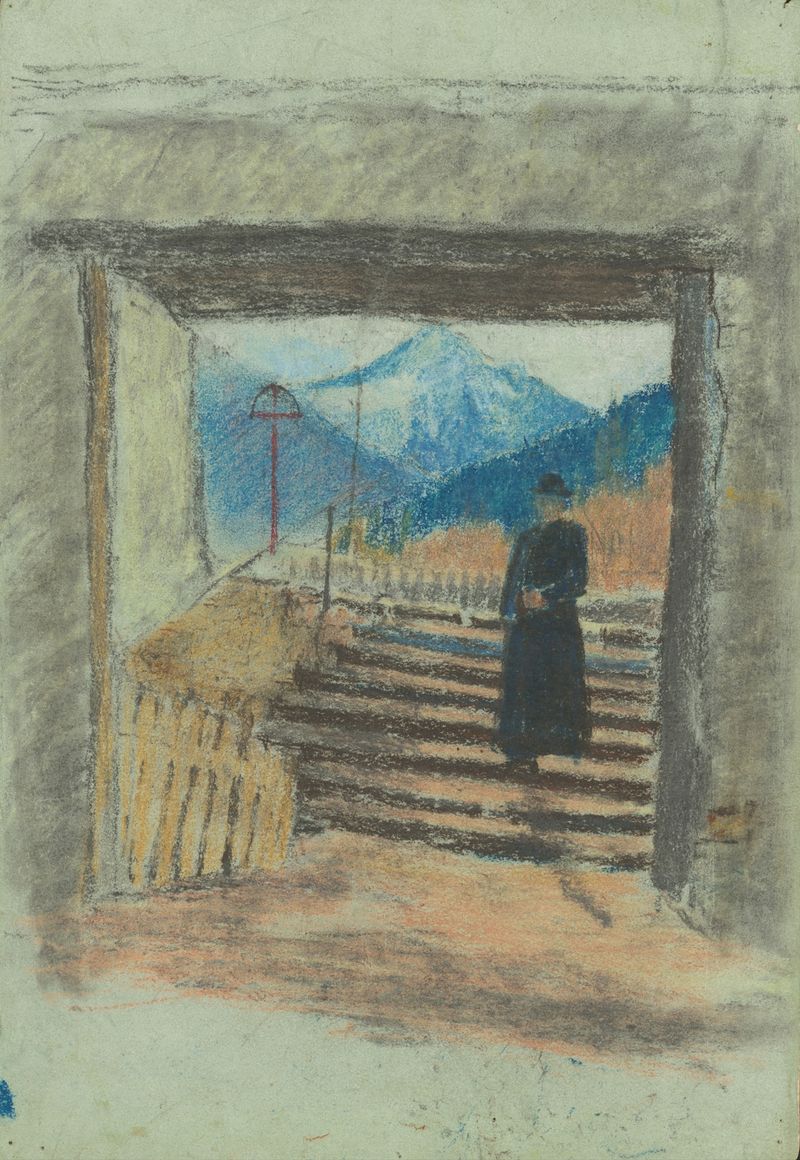
Out of Cemetery
Ladislav Mednyánszky

Lomnický Peak
Ladislav Mednyánszky

Nad riekou
Ladislav Mednyánszky
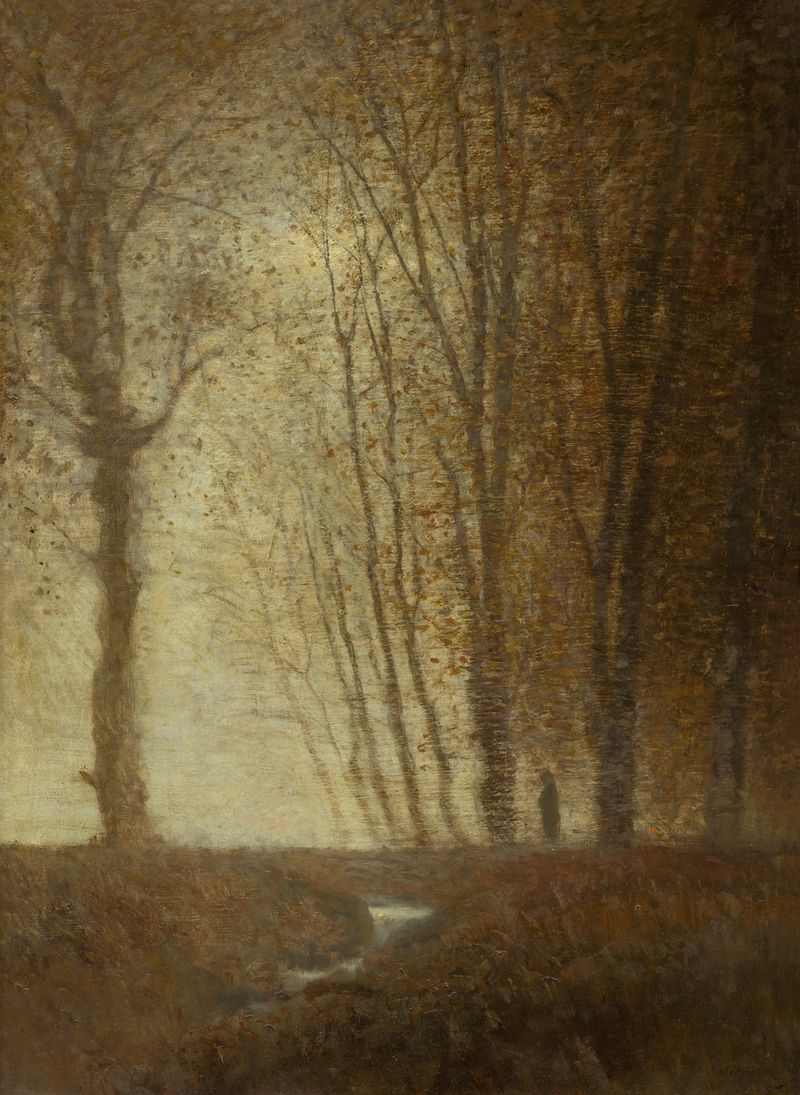
Edge of the Forest in the Moonlight
Ladislav Mednyánszky

View of the Ruins of Súľov
Ladislav Mednyánszky

Landscape with a Lake
Ladislav Mednyánszky
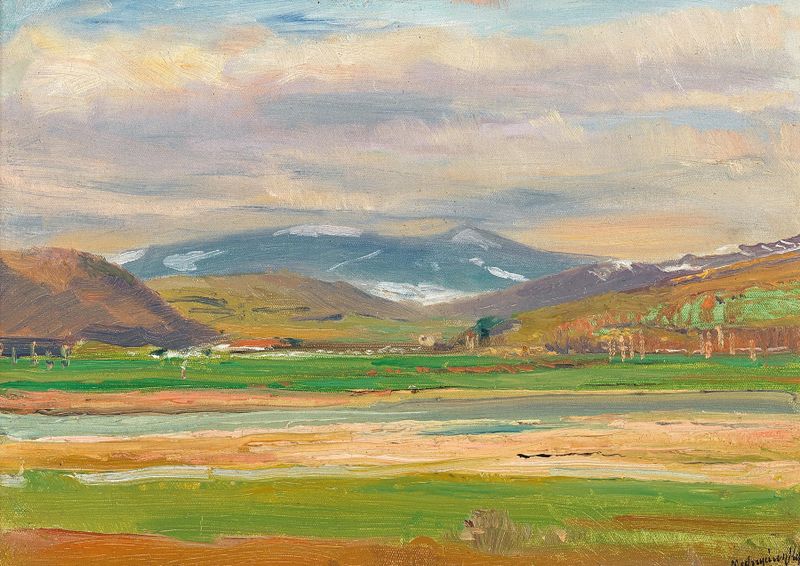
A Spring Landscape at the Foot of the Tatras
Ladislav Mednyánszky

A Wintry Forest
Ladislav Mednyánszky
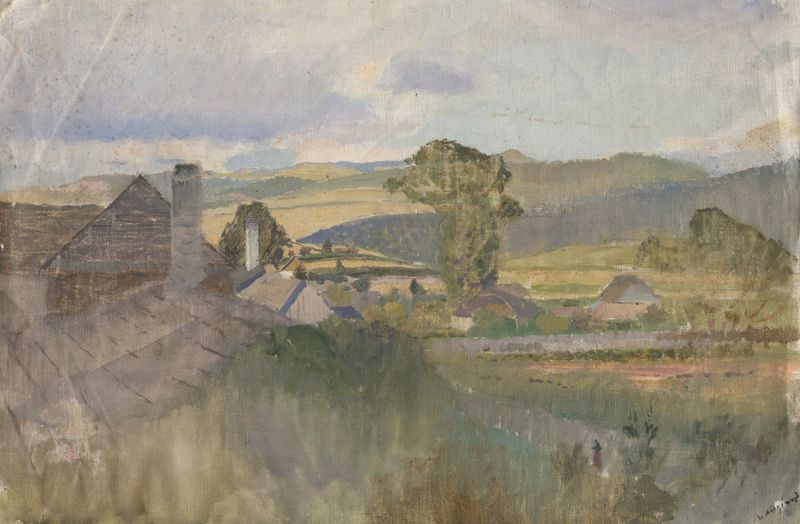
Village below the Tatras
Ladislav Mednyánszky





