
Devil’s Bridge, Saint Gotthard’s Pass — History & Facts
In Devil’s Bridge, Saint Gotthard’s Pass, desire is etched into the very landscape, revealing the longing for connection and exploration that resides in the human spirit. Look to the center of the canvas where the bridge arches gracefully over tumultuous waters, drawing your gaze. The play of light across the rippling river evokes a sense of movement, while the swirling clouds above hint at an impending storm. Notice how Turner employs a vibrant palette of yellows and blues, creating a dramatic contrast that heightens the urgency of the scene and invites contemplation of nature's raw power. Delve deeper into the painting, and you'll find layers of meaning intertwined with emotional tension.
The bridge symbolizes not just a passage, but an embodiment of aspiration and risk, representing the thin line between civilization and the untamed wilderness. The dark, looming cliffs contain a sense of foreboding, contrasting with the fleeting beauty of the water, which seems to beckon travelers to brave their fears. This harmony of chaos and contemplation echoes the eternal human desire to conquer the wild unknown. In 1804, the artist painted this work during a time of personal reflection and artistic evolution.
Turner was transitioning from the more traditional landscapes of his earlier career to a style embracing atmospheric effects and emotional depth. The Enlightenment era, with its fascination for nature and the sublime, served as a backdrop, influencing his exploration of light and form. This piece marks a pivotal moment in his journey to redefine landscape painting.
More Artworks by Joseph Mallord William Turner
Browse all →
Dort or Dordrecht- The Dort Packet-Boat from Rotterdam Becalmed
Joseph Mallord William Turner
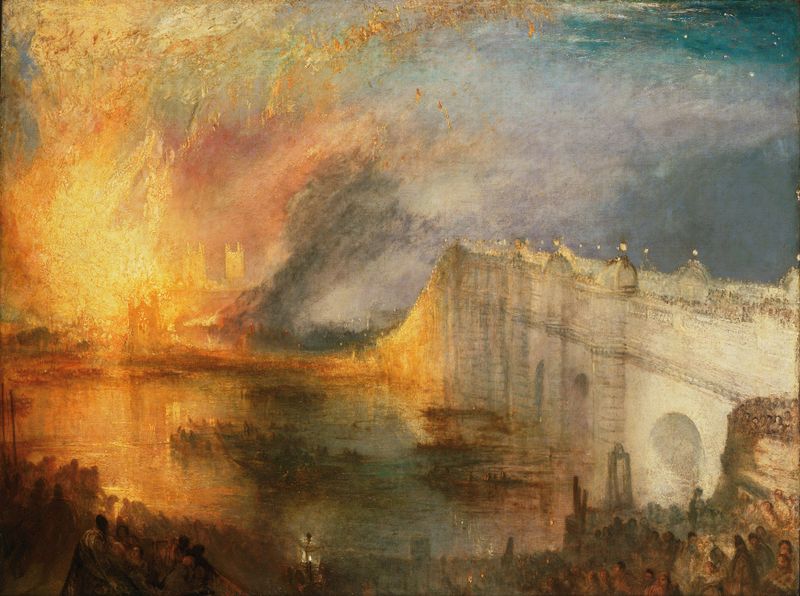
The Burning of the Houses of Lords and Commons, October 16, 1834
Joseph Mallord William Turner
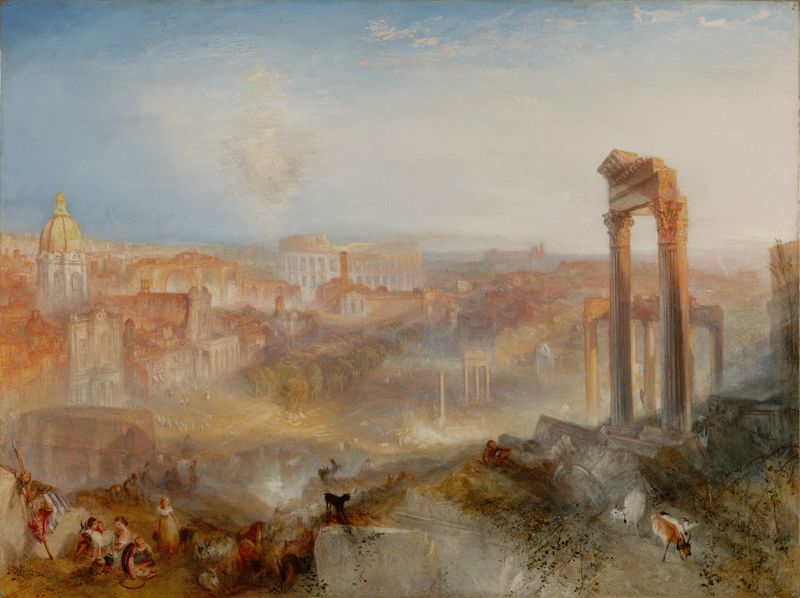
Modern Rome – Campo Vaccino
Joseph Mallord William Turner
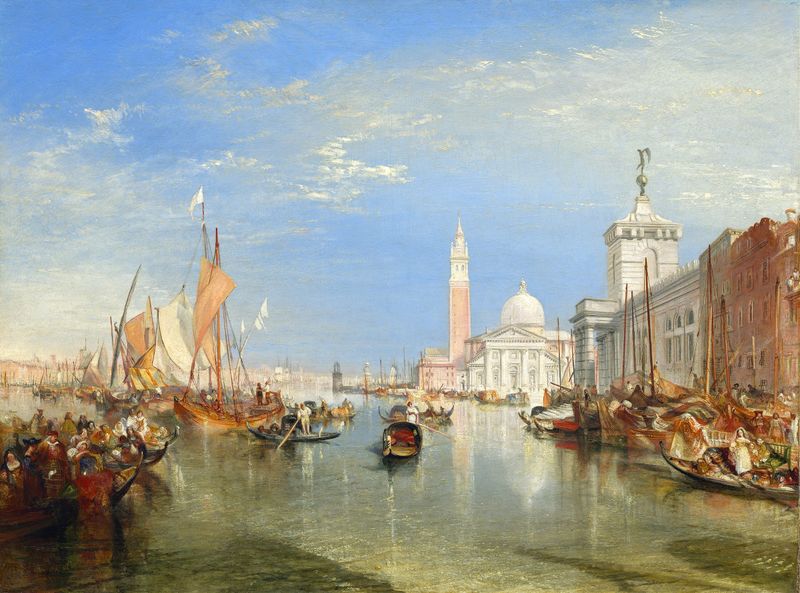
Venice – The Dogana and San Giorgio Maggiore
Joseph Mallord William Turner

The Burning of the Houses of Lords and Commons, 16 October 1834
Joseph Mallord William Turner
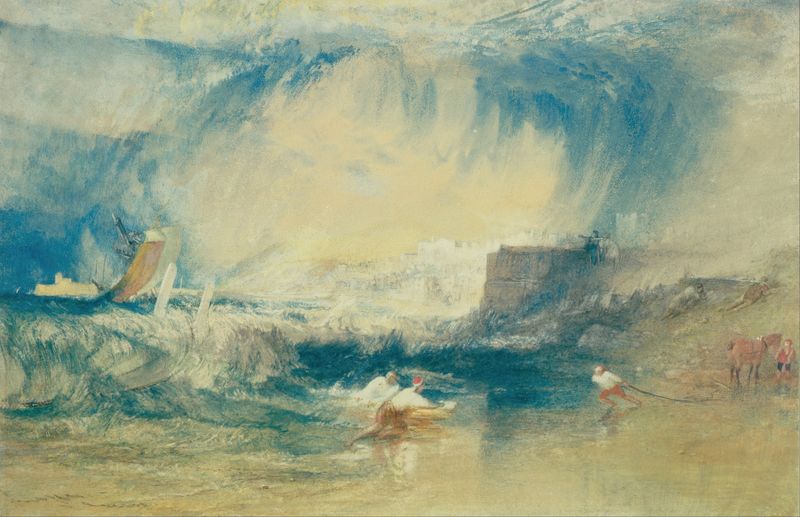
Lyme Regis, Dorsetshire, England
Joseph Mallord William Turner
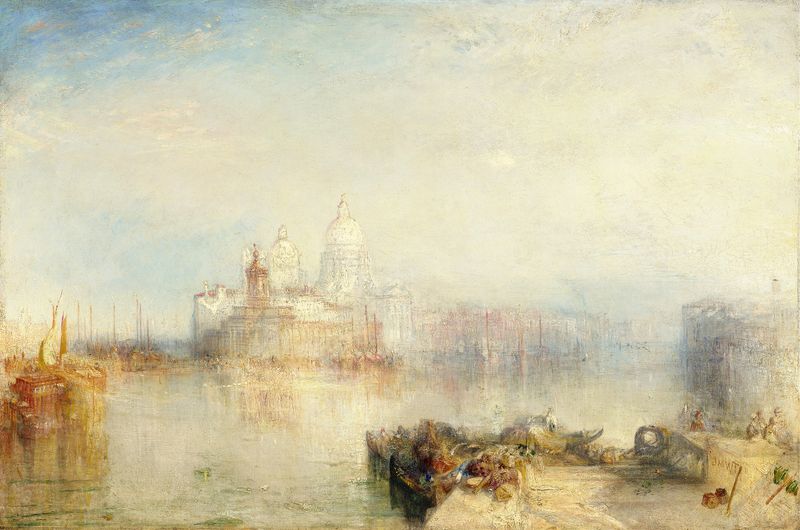
The Dogana and Santa Maria della Salute, Venice
Joseph Mallord William Turner
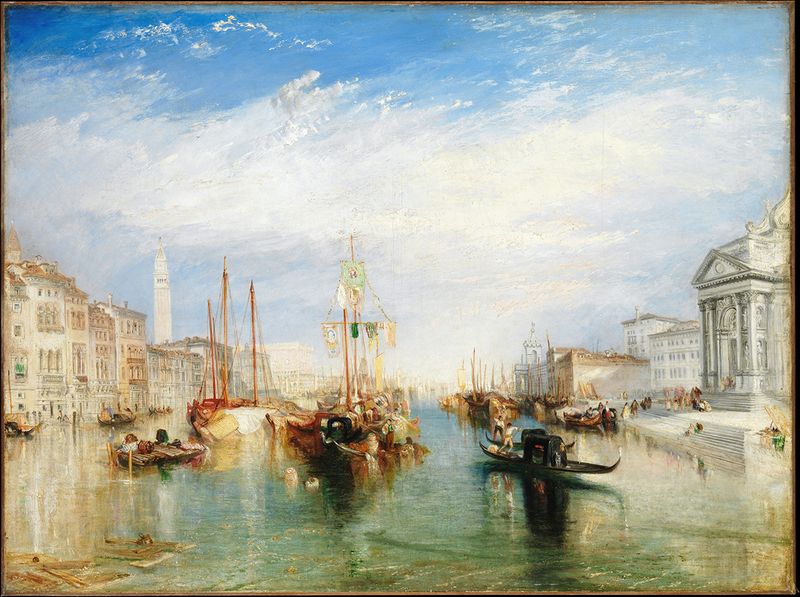
Venice, from the Porch of Madonna della Salute
Joseph Mallord William Turner
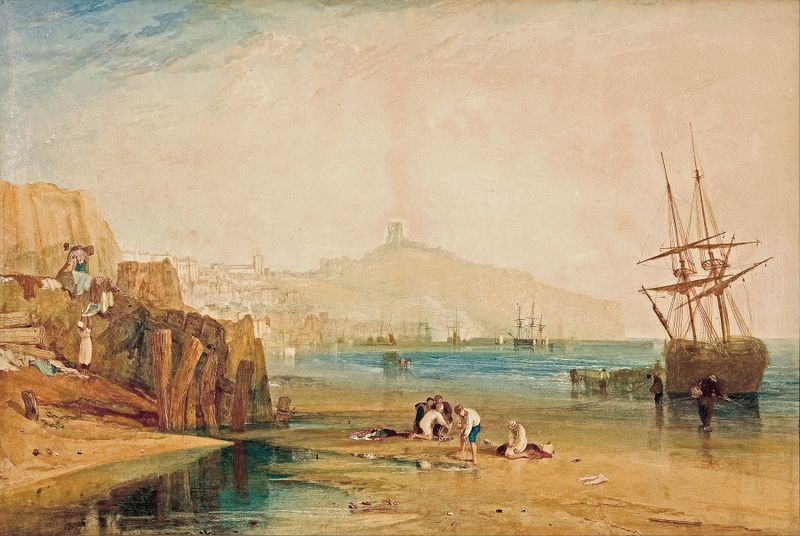
Scarborough town and castle; morning; boys catching crabs
Joseph Mallord William Turner
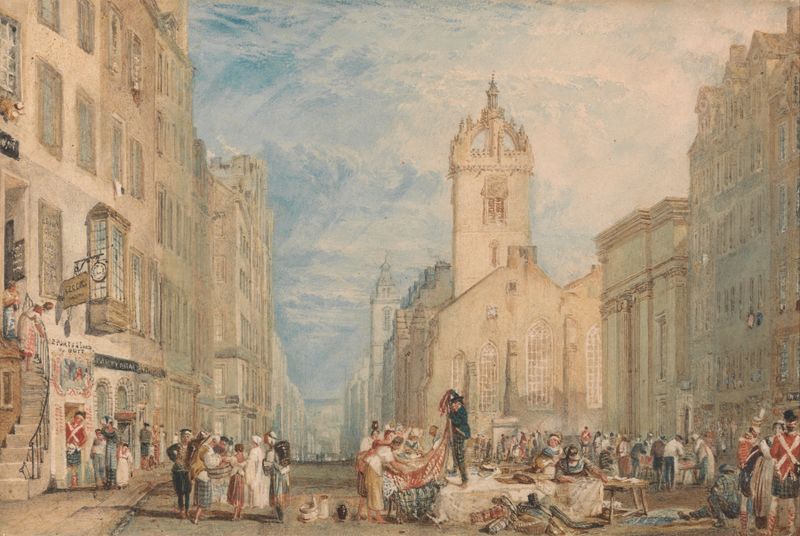
High Street, Edinburgh
Joseph Mallord William Turner





