
Devonshire Square — History & Facts
When did color learn to lie? In Sutton Nicholls' Devonshire Square, the hues of urban life weave an intricate tapestry of obsession, drawing us into a world both vibrant and deceptive. The painting reveals layers of emotional tension, inviting us to explore the stories hidden within its palette. Look to the center of the canvas at the bustling square, where the figures emerge, seemingly frozen in their individual lives yet bound together by the motion of the city. The sunlight bathes the scene in golden warmth, creating sharp contrasts with the shadows that lurk in the corners.
Notice how the artist meticulously captures the brickwork of the buildings, each stroke conveying the weight of history, while the people, with their elongated forms, reflect the pulse of an era defined by ambition and longing. In the interplay of light and shadow, obsessive details emerge—an ornate lamppost, a woman’s fluttering shawl, the careful arrangement of market goods—all characters in this vibrant narrative. Nicholls’ technique betrays a tension between the joy of life and the inevitable solitude that follows in crowded spaces. The juxtaposition of crowded figures against the open sky serves as a metaphor for the isolation often found amidst modernity. Painted at an unspecified time, Sutton Nicholls crafted this piece during a period of great transition in England, where the Industrial Revolution reshaped the landscape of society.
As urban life surged, artists began to explore themes of modernity, community, and the complexities of human interaction. This work encapsulates a moment in art history where the focus shifted to capturing the nuances of everyday life, reflecting both the vibrancy and turmoil of contemporary existence.
More Artworks by Sutton Nicholls
Browse all →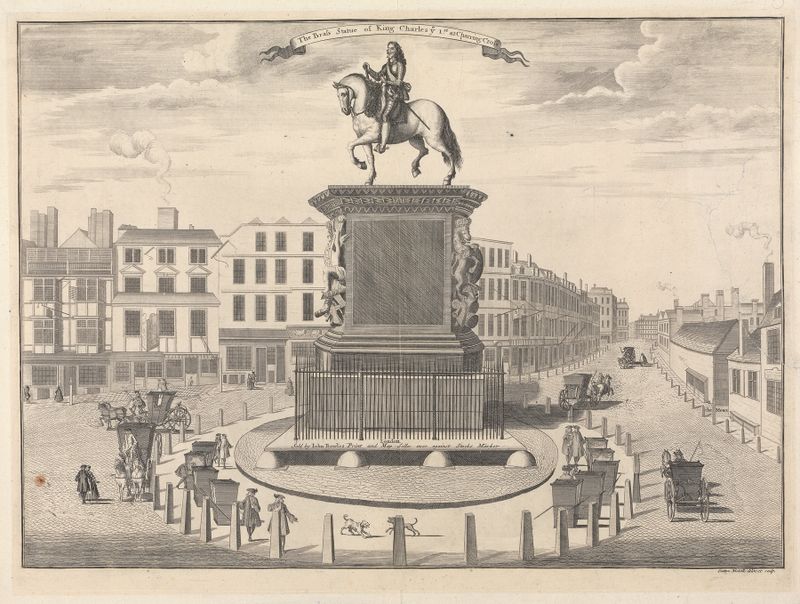
The Brass Statue of King Charles I at Charing Cross
Sutton Nicholls
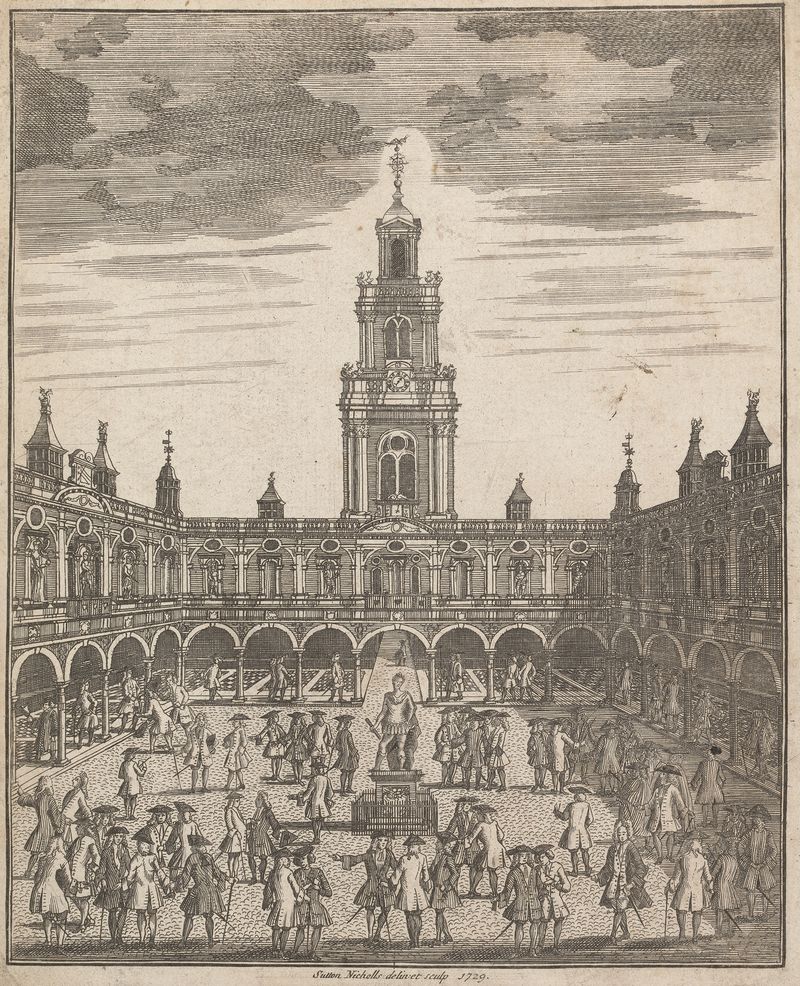
A View of the Royal Exchange Interior Court
Sutton Nicholls
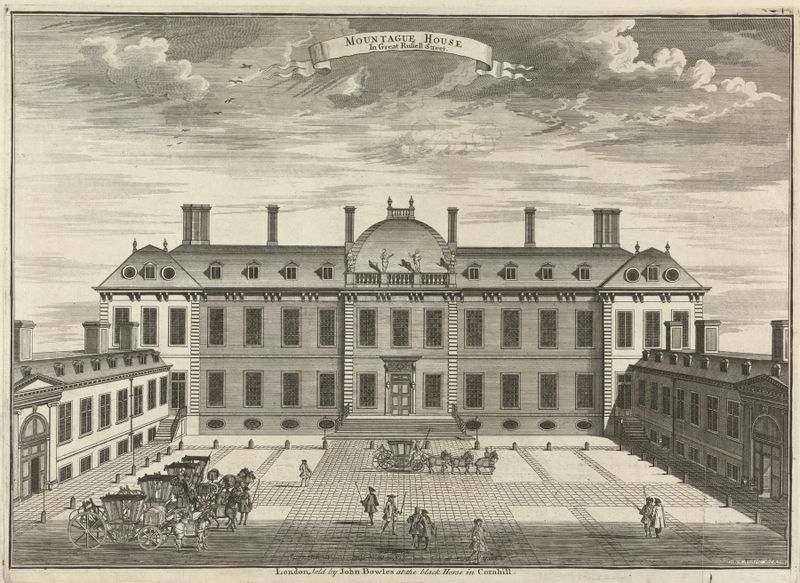
Montague House
Sutton Nicholls
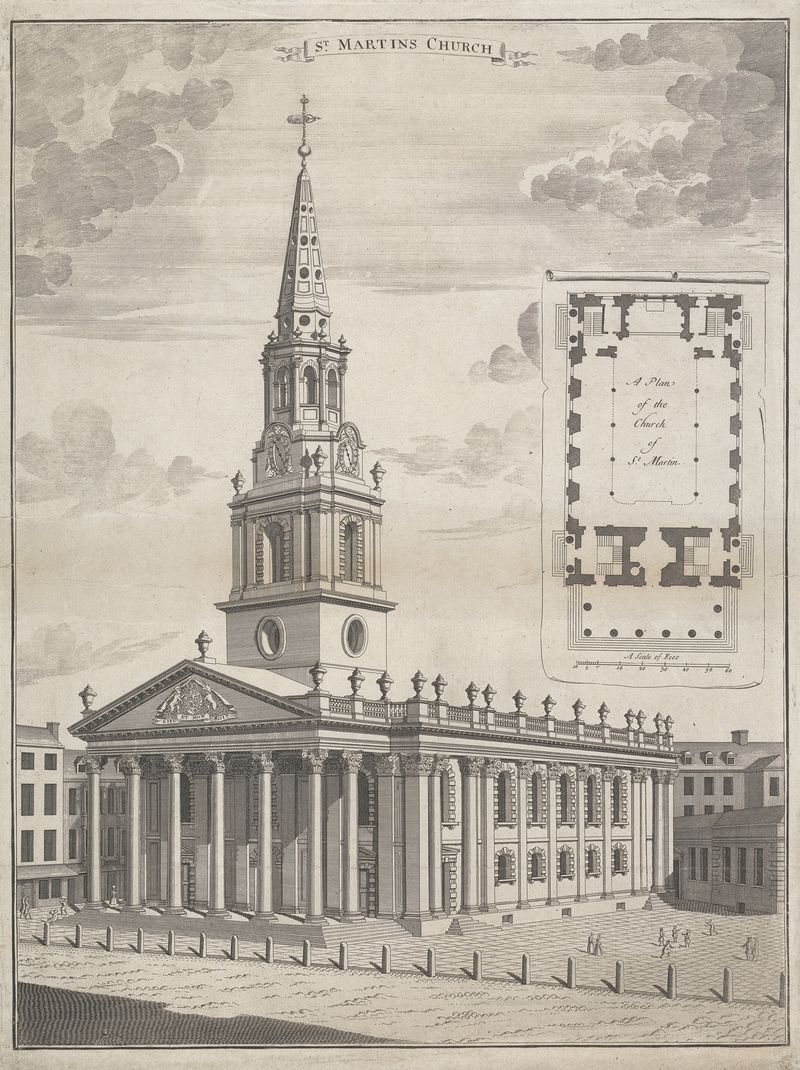
St. Martin’s Church
Sutton Nicholls
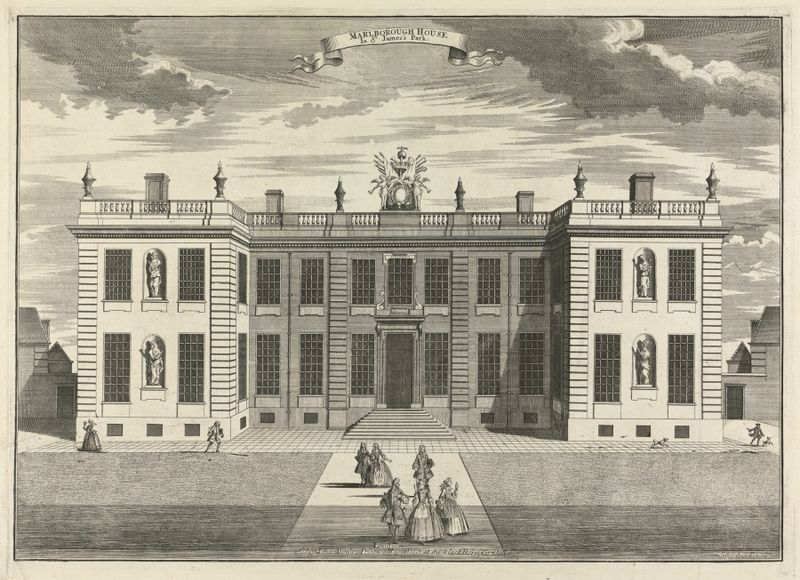
Marlborough House
Sutton Nicholls
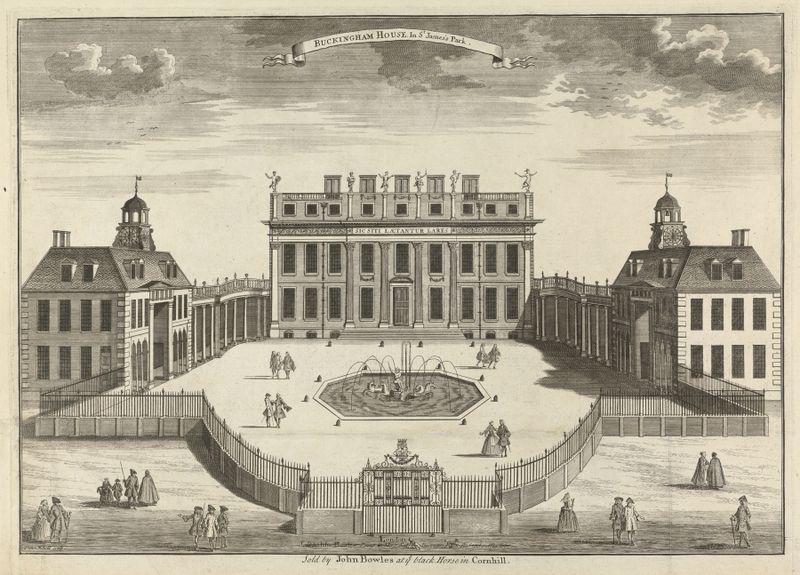
Buckingham House
Sutton Nicholls
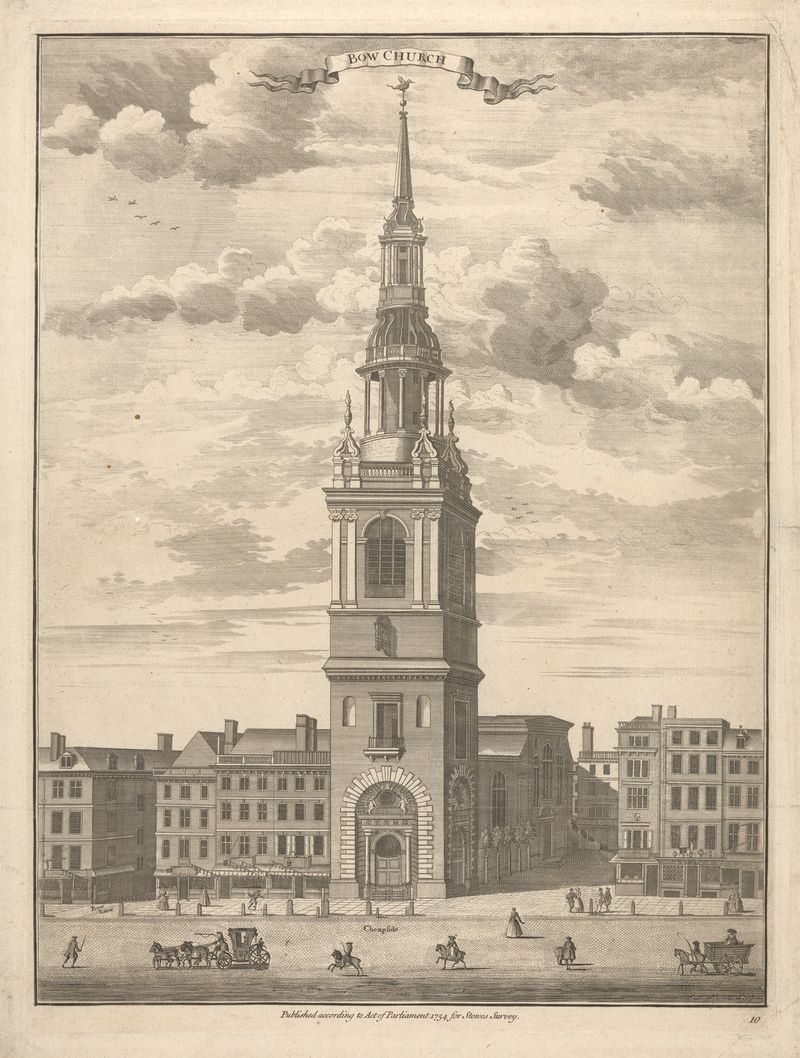
Bow Church
Sutton Nicholls
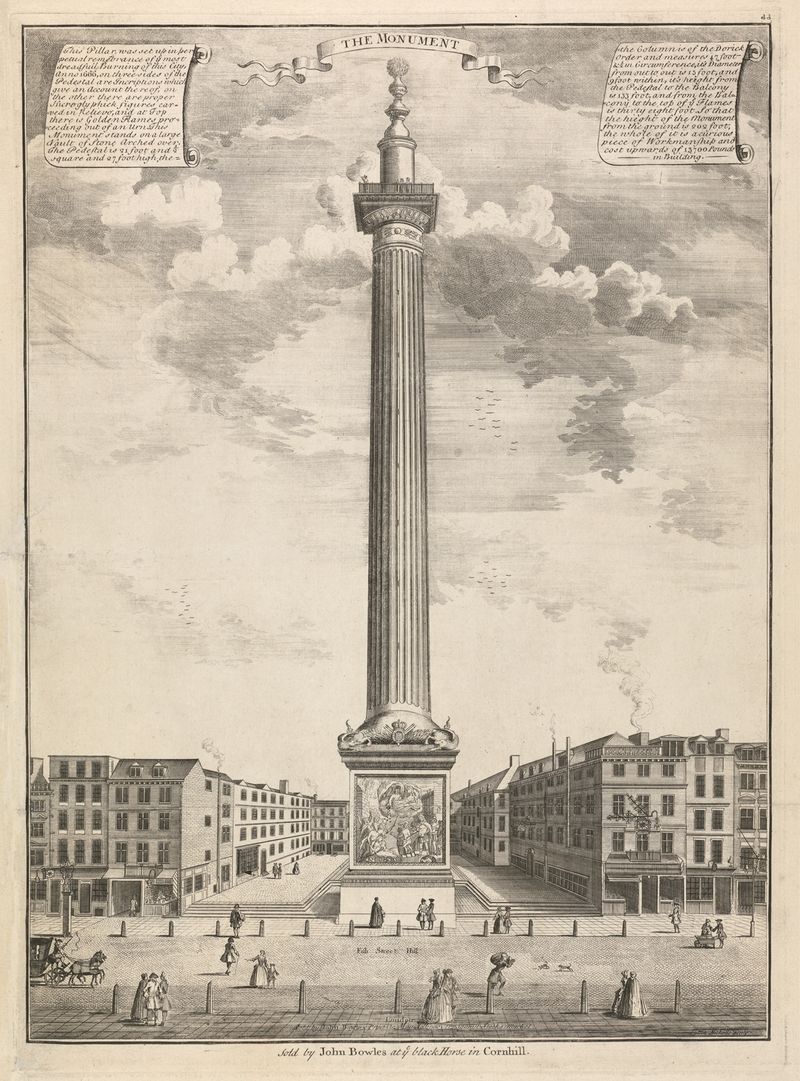
The Monument
Sutton Nicholls
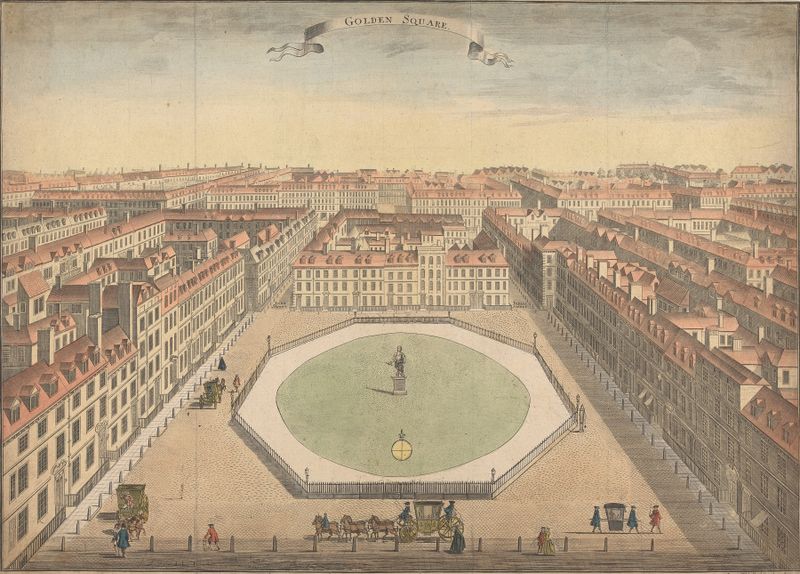
Golden Square
Sutton Nicholls
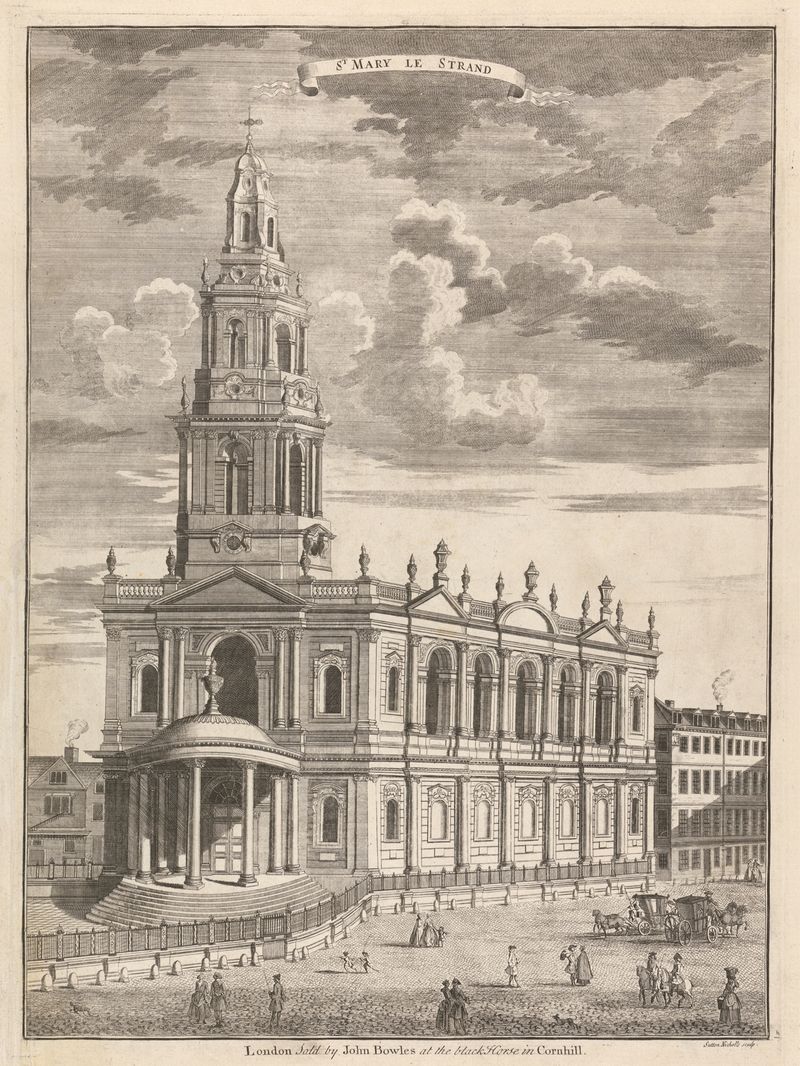
St. Mary le Strand
Sutton Nicholls





