Die befestigte Stadt Verona — History & Facts
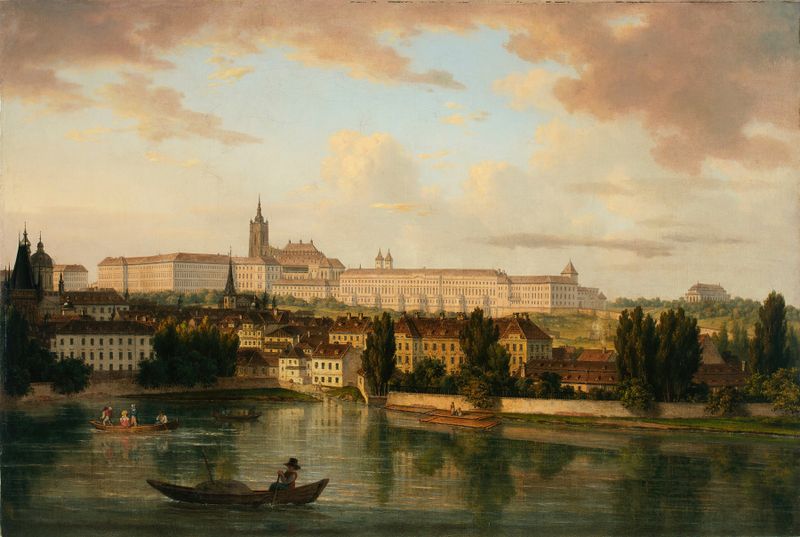
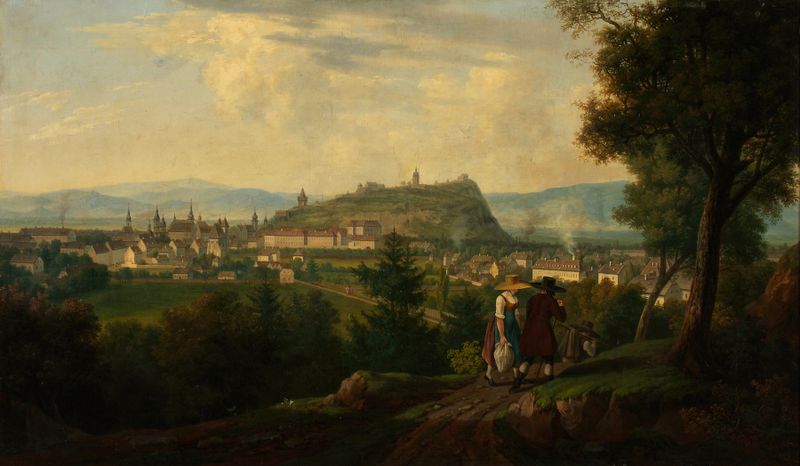
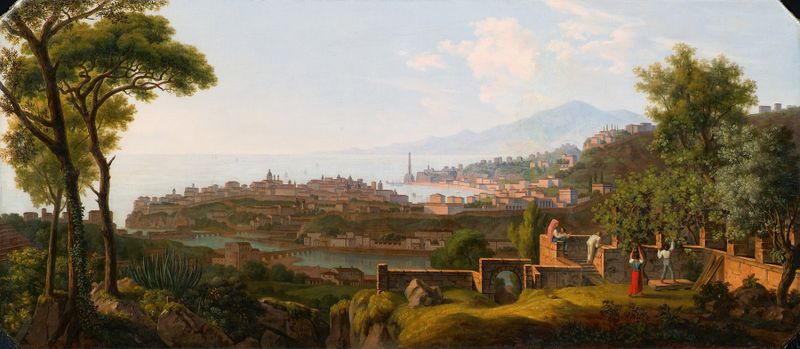
Art reveals the soul when the world turns away. Within the confines of a fortified city, layers of history intertwine with the weight of betrayal, evoking a deep sense of vulnerability. Look closely at the intricate walls of Verona, where a rich palette of muted earth tones establishes both strength and isolation. Notice how the delicate brushwork highlights the weathered stone, while shadows dance gracefully along the edges, suggesting stories untold.
The composition draws your eye towards the horizon, where the city meets the sky, offering a glimpse of hope amidst the looming fortifications. Amidst the architectural grandeur lies an emotional tension—an interplay between protection and entrapment. The fortress, while a symbol of safety, also conveys a sense of confinement, as if the city's inhabitants are caught between ambition and despair. Small details, such as the solitary figure standing at the city's edge, hint at the internal conflict of loyalty and treachery, capturing the fragile equilibrium that defines human relationships. Alois von Saar created this work in 1831, during a period marked by political upheaval in Europe.
Living in Munich at the time, he was influenced by the Romantic movement's fascination with history and the sublime. This painting reflects not only the architectural marvels of Verona but also a contemplation on the cost of security, resonating with the zeitgeist of a world grappling with change and uncertainty.