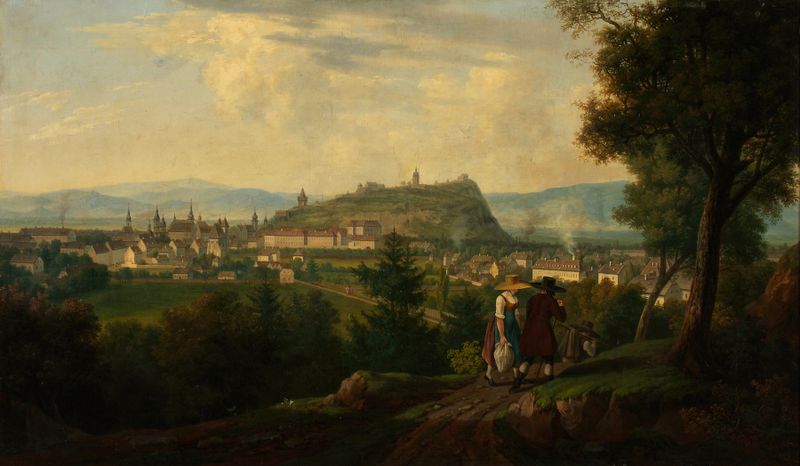
Ofen mit Blocksberg — History & Facts
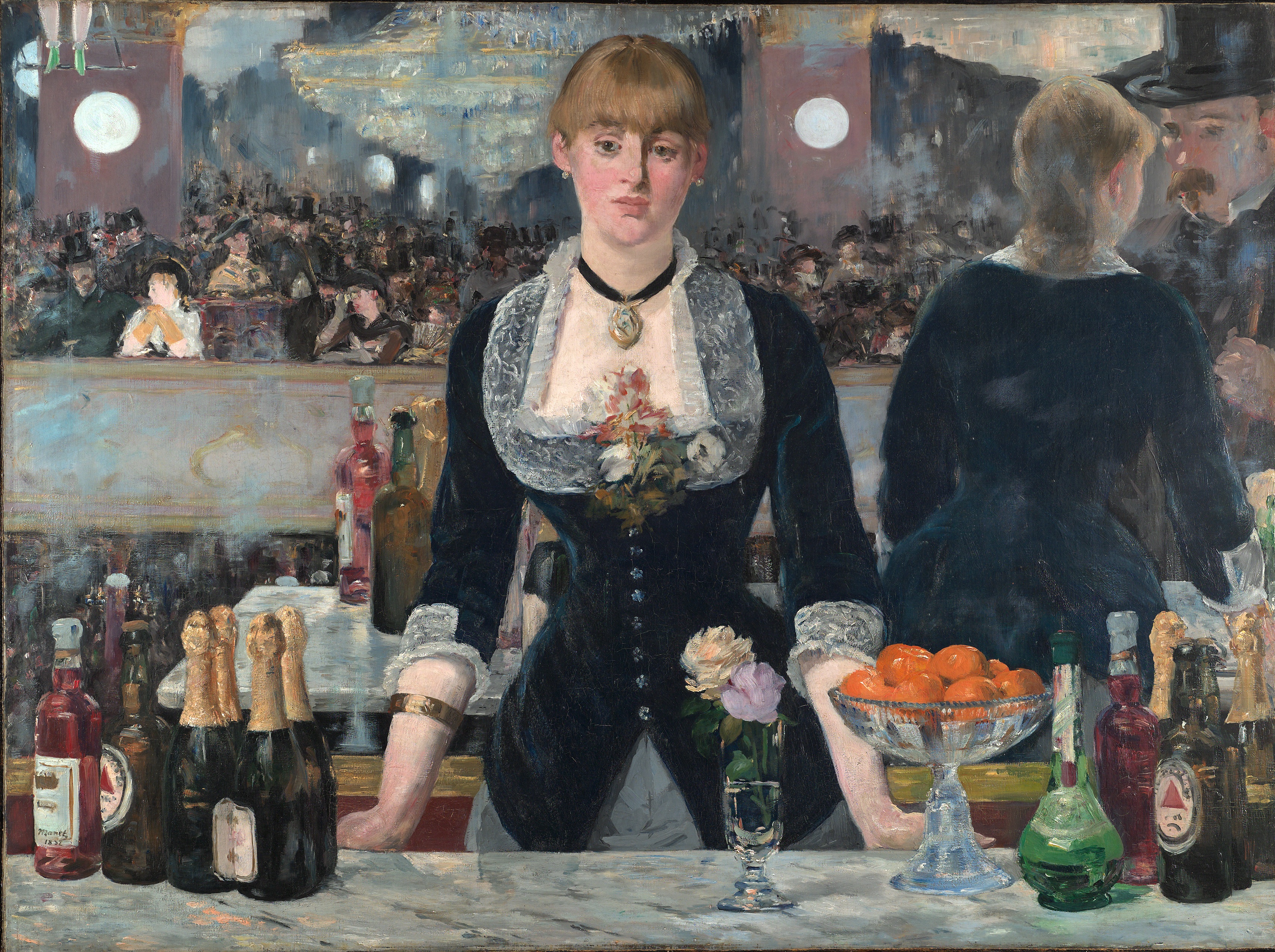
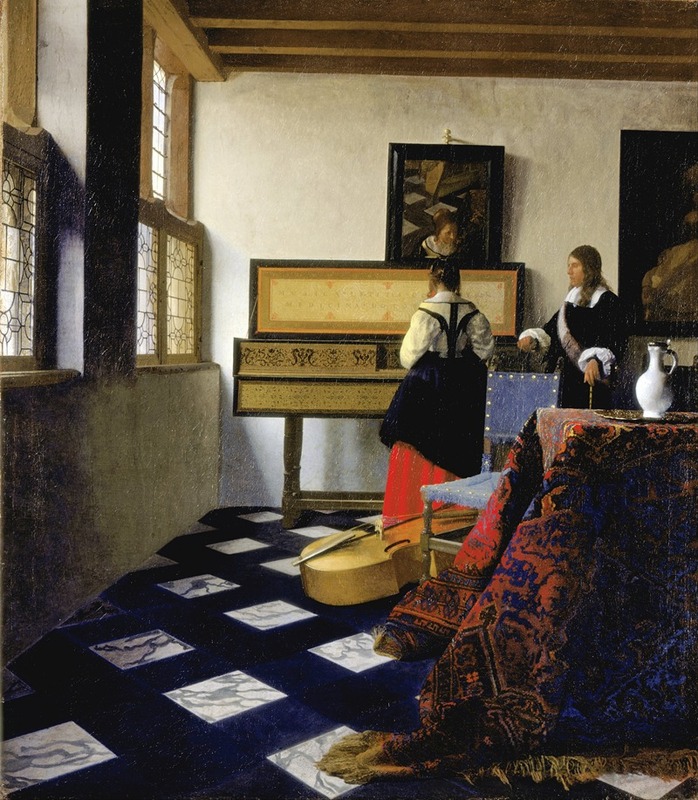
What if beauty was never meant to be finished? The yearning for completion lingers in the heart like a melody that fades just before the climax, leaving us in a delicate state of longing. First, look to the left, where the glowing embers of the forge blaze brightly, casting an ethereal light that dances upon the stone walls. Notice how the warm tones of the fire contrast with the cooler hues of the surrounding workspace, emphasizing both the chaos and the artistry of creation. The meticulous detail in the tools and the rugged textures of the blocks evoke a sense of raw labor, yet there's an underlying elegance in their arrangement that draws the eye through the composition, inviting exploration. Deeper insights reveal a profound tension between aspiration and reality.
The forge represents the relentless pursuit of craftsmanship, while the unfinished metalwork reflects the imperfections of human endeavor. Here, the viewer senses the artist's struggle—not merely to create but to define beauty itself. Each tool and shadow speaks to the transient nature of art, echoing the universal experience of striving for an ideal that can never truly be grasped. Alois von Saar created Ofen mit Blocksberg in 1828, a period marked by a transition in the art world towards Romanticism.
At this time, he was grappling with the evolving ideals of beauty and craftsmanship amidst the backdrop of industrial change in Europe. This tension influenced his work, as he sought to explore the intersection of traditional techniques and the burgeoning mechanization of art production, ultimately crafting a piece that captures both the beauty of creation and the nuances of imperfection.