Südliche Hafenstadt — History & Facts
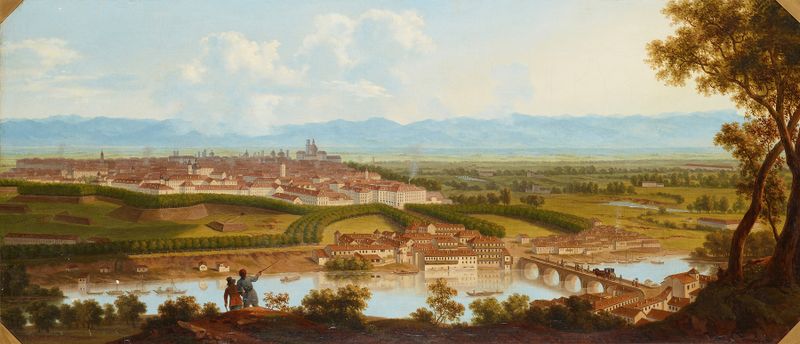
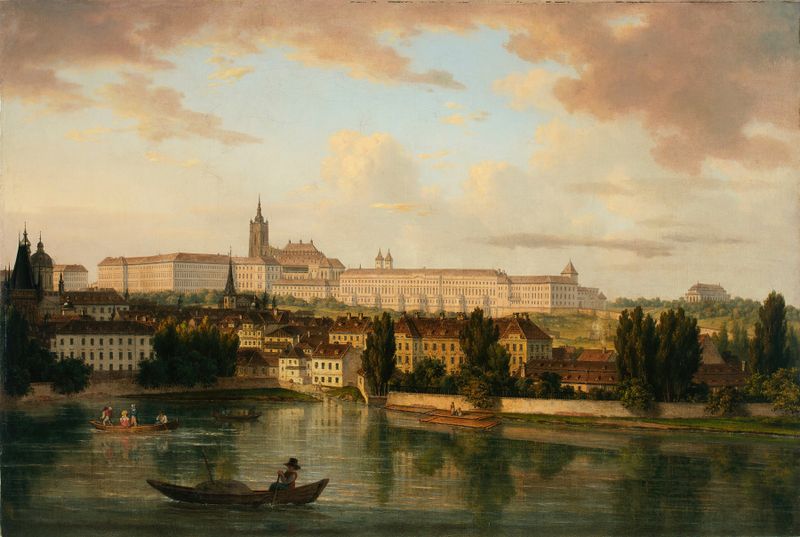
Can beauty exist without sorrow? In the delicate strokes of Südliche Hafenstadt, an intricate revelation unfolds, one that invites contemplation and introspection. Look to the left at the calm waters reflecting the pastel hues of the sky. The harbor, framed by gently swaying masts, creates a harmonious balance between nature and man-made structures. Notice how the soft light bathes the scene, giving life to the boats and illuminating the bustling port, with figures moving purposefully along the docks.
The muted palette, primarily composed of earth tones, evokes a sense of nostalgia, capturing the essence of a bygone era while hinting at the transient nature of existence. In this harbor town, contrasts emerge—the serenity of the water juxtaposed against the activity of the dockworkers, each moment steeped in quiet urgency. The tiny details, such as the gently rippling waves and the distant mountains, amplify the emotional weight of the scene. Each brushstroke suggests a deeper narrative, revealing how beauty is often interwoven with fleeting moments and hidden stories of labor.
This artwork encapsulates a poignant duality: the allure of tranquility and the inevitable passage of time. Alois von Saar painted Südliche Hafenstadt in 1831 while living in Germany, a period marked by significant political change and shifting artistic movements. The rise of Romanticism influenced his work, encouraging a focus on nature's beauty and human emotion. During this time, Saar sought to capture the spirit of the southern harbor town, reflecting both the vibrancy of life and the underlying currents of transience that define the human experience.