
Die Casa di Sallustio und umliegende Ruinen in Pompeji — History & Facts
Within the ruins of Pompeii, the remnants of a once-vibrant life now whisper of revolution and change, imbued with a haunting stillness that speaks volumes about the passage of time. Look to the center of the canvas, where the crumbling walls of the Casa di Sallustio emerge from the surrounding debris like ghosts of a forgotten era. The artist employs soft, muted earth tones to evoke the weight of history, while delicate brushstrokes capture the textures of the aged stone, allowing us to feel the fragility of these ancient structures. Notice how the light filters through the gaps, casting a gentle glow that illuminates the dust motes, suggesting both hope and decay intertwined in this silent landscape. As you explore further, observe the juxtaposition of life and death—a lush vine daring to grow amidst the ruins, a testament to resilience despite the omnipresent signs of destruction.
This interplay symbolizes not only the resilience of nature but also the human spirit's enduring quest for rebirth, even in the face of overwhelming change. The stillness of the scene is pregnant with untold stories, inviting reflection on the impacts of time and revolution, both personal and collective. The artist created this piece in the 19th century, a period marked by a growing fascination with antiquity and the ruins of classical civilization. Living in Germany, Werner was part of a broader movement that sought to reconnect with the past, often idealizing historical contexts.
The rise of Romanticism during this time fueled interest in dramatic landscapes and historical subjects, shaping his approach to this evocative portrayal of Pompeii’s ruins.
More Artworks by Carl Friedrich Heinrich Werner
Browse all →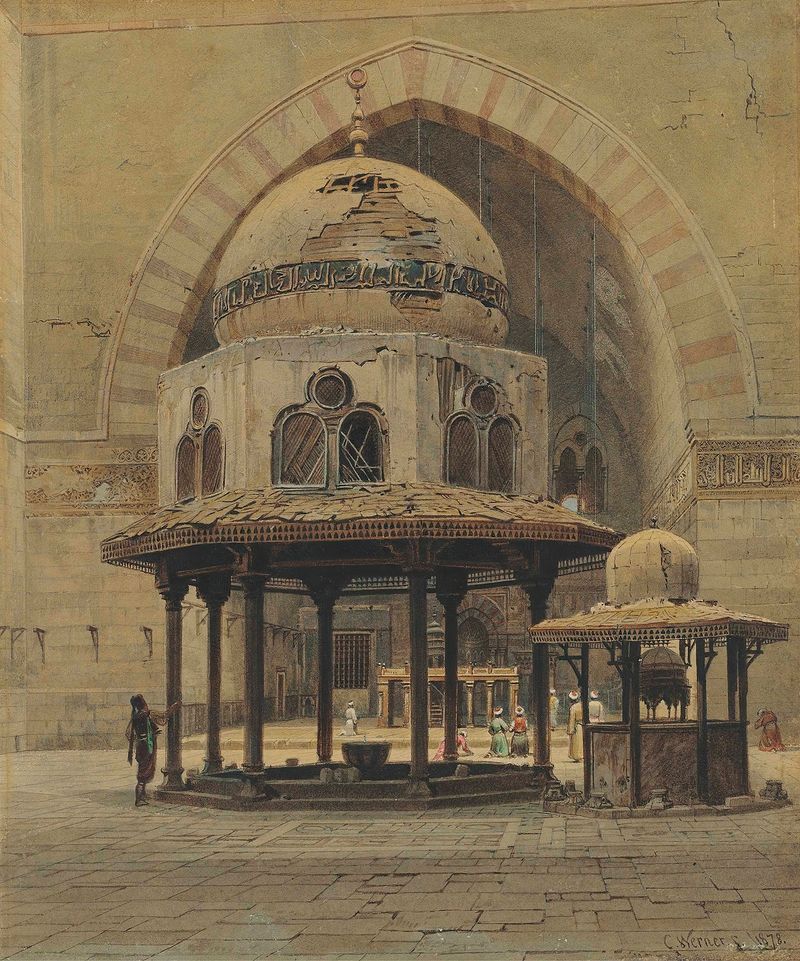
Mosque of Sultan Hassan, Cairo
Carl Friedrich Heinrich Werner
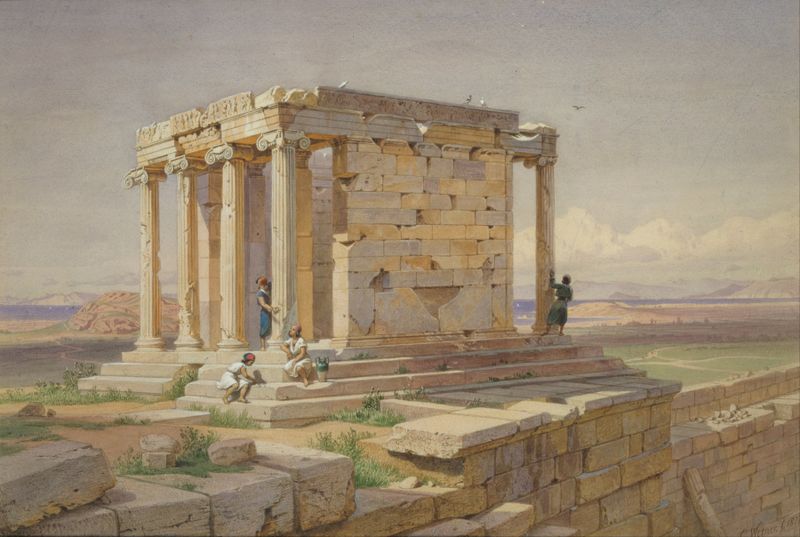
The Temple of Athena Nike. View from the North-East
Carl Friedrich Heinrich Werner
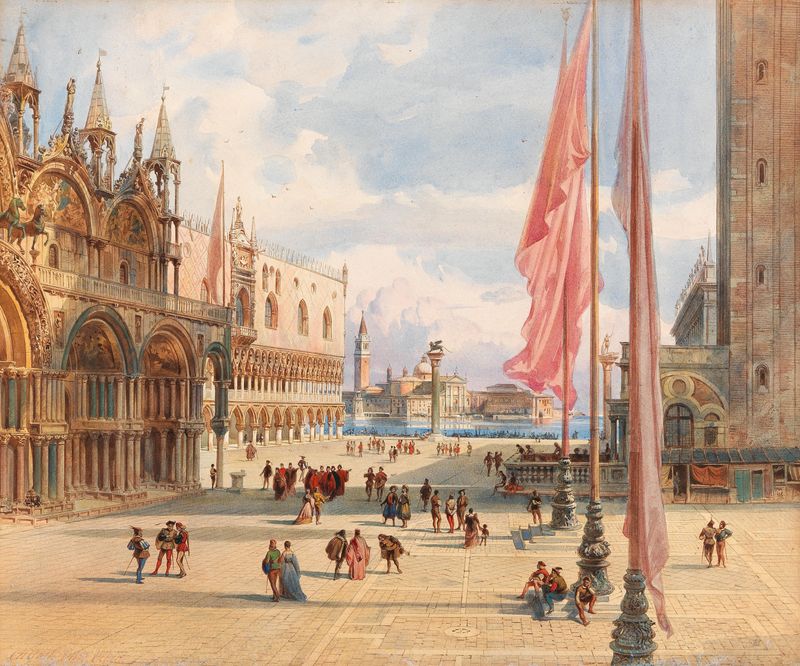
Marcus Square In Venice
Carl Friedrich Heinrich Werner

Canal Grande and Rialto Bridge
Carl Friedrich Heinrich Werner
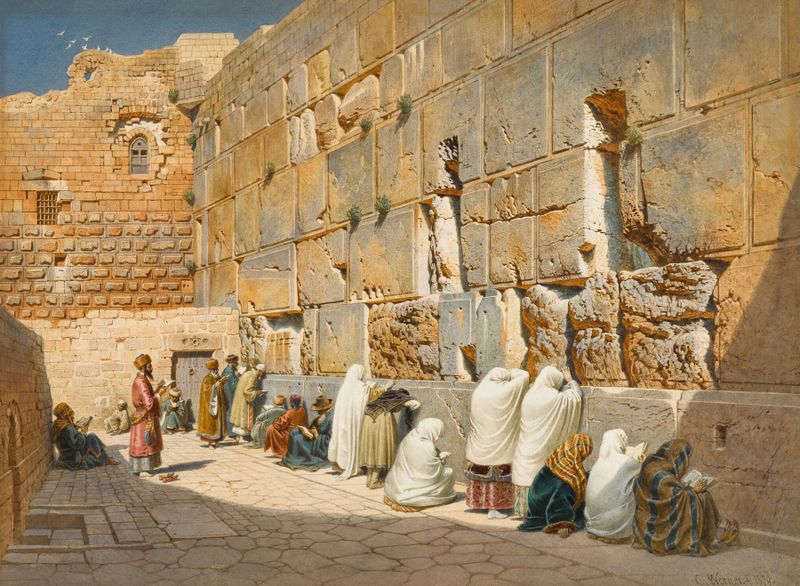
The Wailing Wall, Jerusalem
Carl Friedrich Heinrich Werner
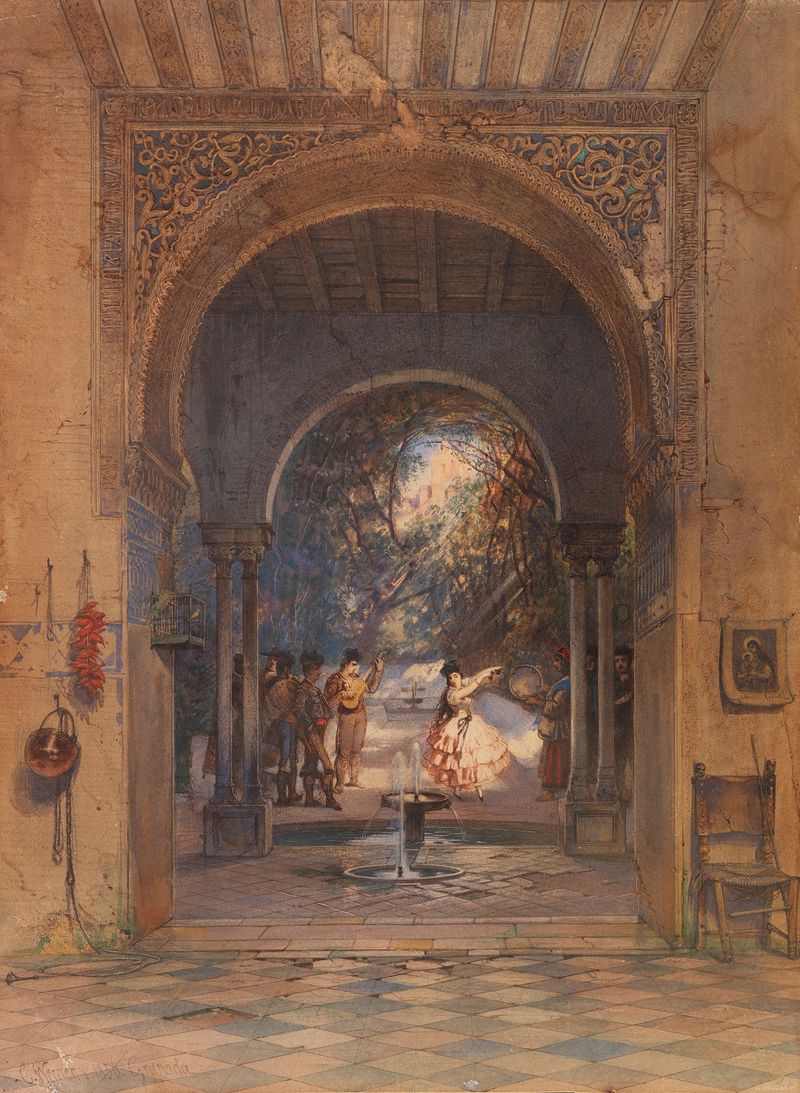
Kastagnettentänzerin in der Alhambra in Granada
Carl Friedrich Heinrich Werner
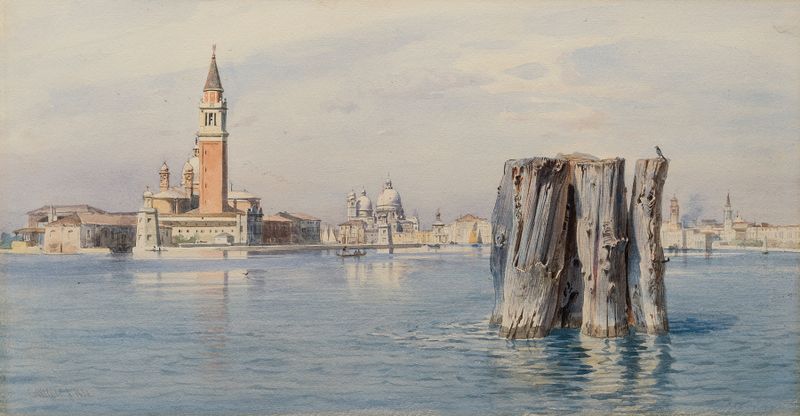
Ansicht von San Giorgio Maggiore und Santa Maria della Salute in Venedig
Carl Friedrich Heinrich Werner
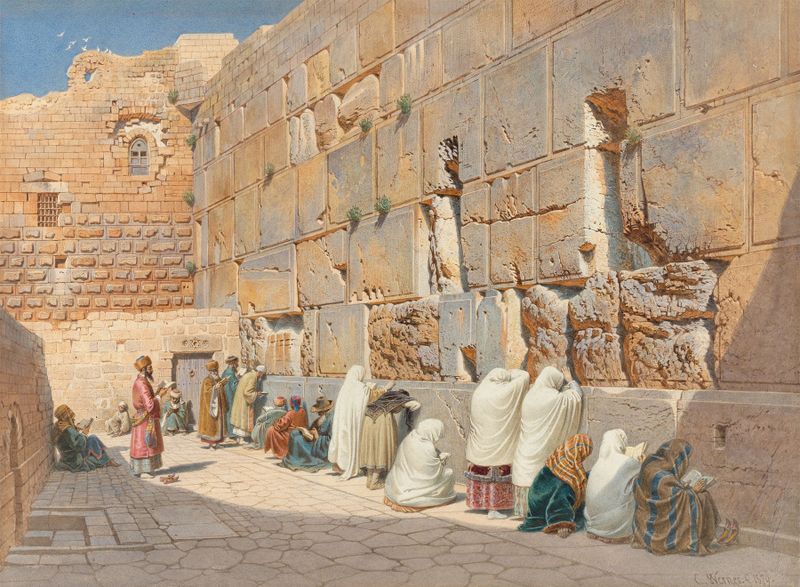
The Wailing Wall in Jerusalem
Carl Friedrich Heinrich Werner
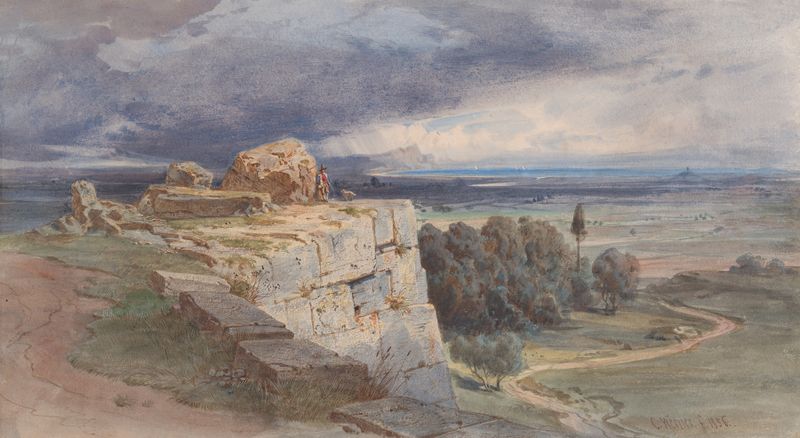
View of Norba from the North, towards San Felice Circeo
Carl Friedrich Heinrich Werner
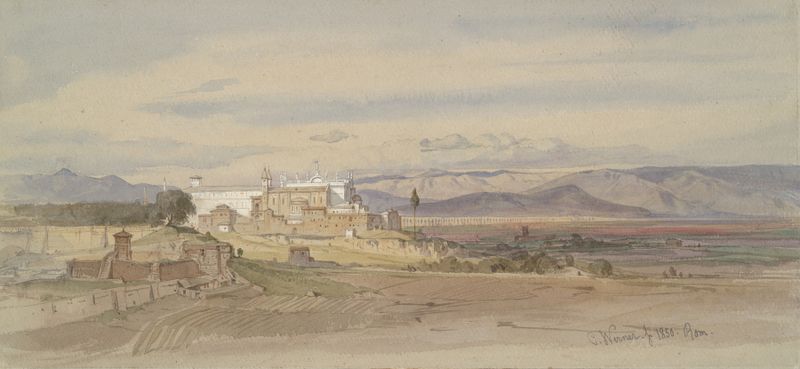
Roman Landscape with San Giovanni in Laterano
Carl Friedrich Heinrich Werner
More Architecture Art
Browse all →
The statue of Liberty
Frédéric Auguste Bartholdi

View of Houses in Delft, Known as ‘The Little Street’
Johannes Vermeer

View of Houses in Delft, Known as ‘The Little Street’
Johannes Vermeer

The Cathedral in Rouen. The portal, Grey Weather
Claude Monet

The yellow house
Vincent van Gogh

The Church in Auvers-sur-Oise, View from the Chevet
Vincent van Gogh