
Die Insel Ägina mit den Ruinen des Hekatetempels — History & Facts
Could a single brushstroke hold eternity? In Die Insel Ägina mit den Ruinen des Hekatetempels, the weight of destiny hangs in the air, captured within the delicate strokes of the artist’s brush. Look to the left at the majestic ruins of the Hekate Temple, their once-mighty columns standing defiantly against the azure sky. Notice how the warm sunlight bathes the ancient stones, creating a contrast between the earthy browns and the radiant blues that swirl in the horizon. The meticulous detail evokes a sense of reverence, inviting you to explore the interplay of light and shadow that breathes life into the scene. Yet, beneath the serene surface lies the tension of history and time.
The dilapidated ruins whisper stories of past civilizations, their triumphs and tragedies forever intertwined. The vibrant landscape surrounding them serves as a reminder of nature's persistence, blending beauty with decay—a poignant reflection on the fleeting moments of human achievement. Here, destiny intertwines with decay, encapsulating the duality of existence. In 1845, Carl Rottmann painted this landscape while grappling with the Romantic ideals that defined his era.
Living in Munich amidst the burgeoning interest in classical antiquity, he sought to express the sublime beauty of Greece, both as a geographical location and an emblem of a lost golden age. This work, created during a pivotal time of artistic exploration and historical nostalgia, serves as a testament to his vision of intertwining nature, culture, and the inexorable passage of time.
More Artworks by Carl Rottmann
Browse all →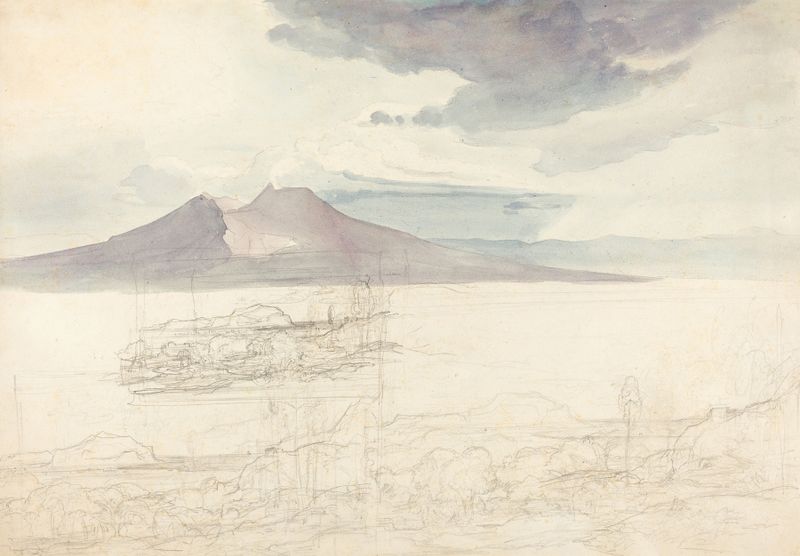
Panoramic Views of Vesuvius and Monte Pellegrino
Carl Rottmann
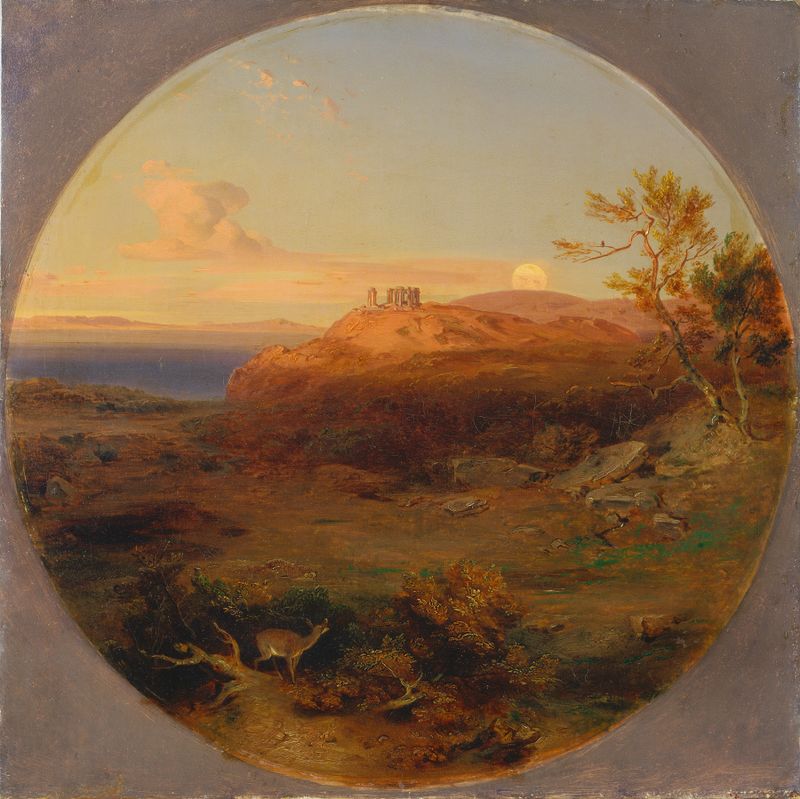
Greek Landscape on the Island of Aegina
Carl Rottmann
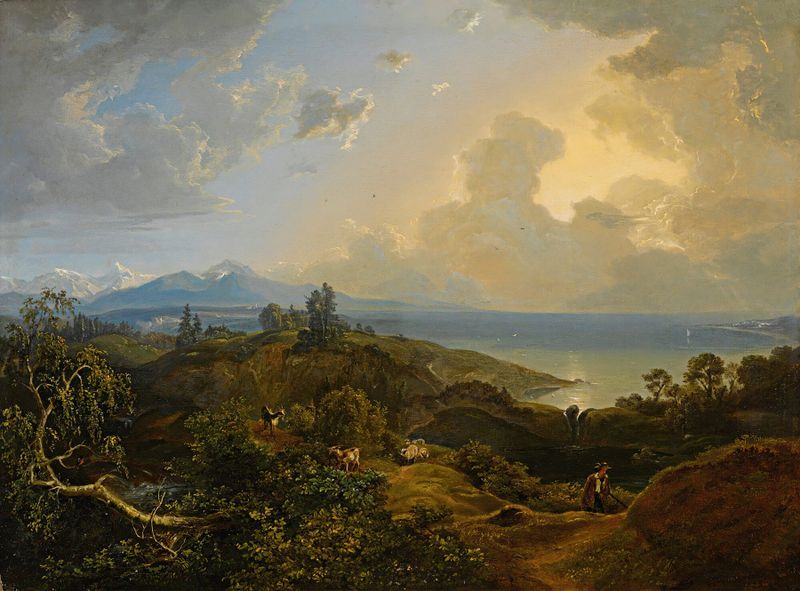
An extensive landscape in Bavaria or the Salzkammergut
Carl Rottmann
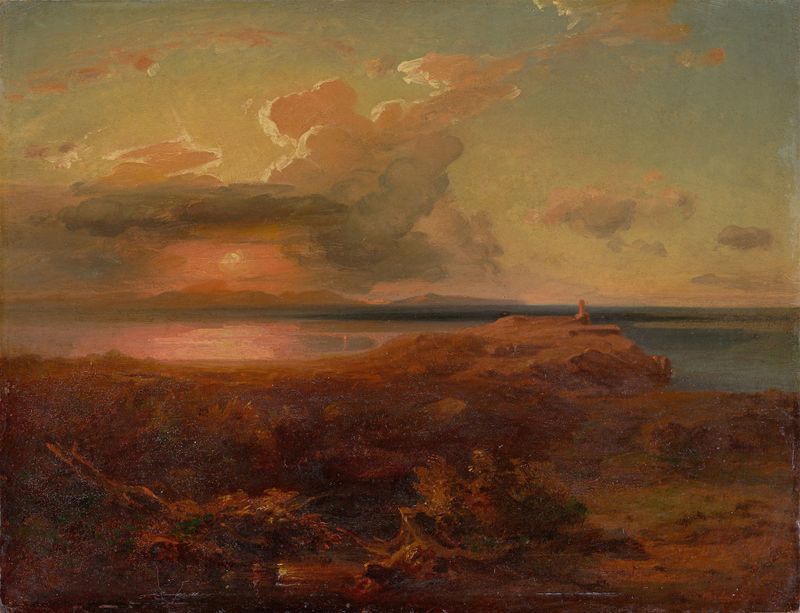
Ägina mit dem Apollotempel
Carl Rottmann

Landscape
Carl Rottmann
Santorini (Thira)
Carl Rottmann

Athens, seen from the well
Carl Rottmann
Die Insel Delos
Carl Rottmann

Olympia
Carl Rottmann

Athens, seen from the well
Carl Rottmann





