
Die Laterne — History & Facts
In Die Laterne, Gustave Loiseau depicts a tranquil landscape bathed in soft light. The colors are predominantly greens and blues, with hints of warm yellows and oranges emanating from the lantern. The scene is serene, featuring gentle hills and a peaceful atmosphere.
The lantern serves as a focal point, drawing the viewer's eye and creating a sense of warmth amidst the cool surroundings. The painting is executed in oil on canvas, a common medium for Impressionist artists. Loiseau's brushwork is loose and fluid, allowing for a sense of movement and spontaneity in the landscape. The use of light is particularly noteworthy, as it creates depth and dimension within the composition.
The dimensions of the artwork are approximately 60 x 80 cm, making it a medium-sized piece that invites closer inspection. Gustave Loiseau was part of the French Impressionist movement, known for his landscapes that capture the beauty of nature. Die Laterne reflects his interest in light and color, showcasing how they interact in a natural setting. An interesting fact about this work is that it exemplifies Loiseau's ability to blend realism with impressionistic techniques, creating a unique visual experience.
His works are celebrated for their ability to evoke a sense of place and atmosphere.
More Artworks by Gustave Loiseau

Rue de village en Normandie
Gustave Loiseau
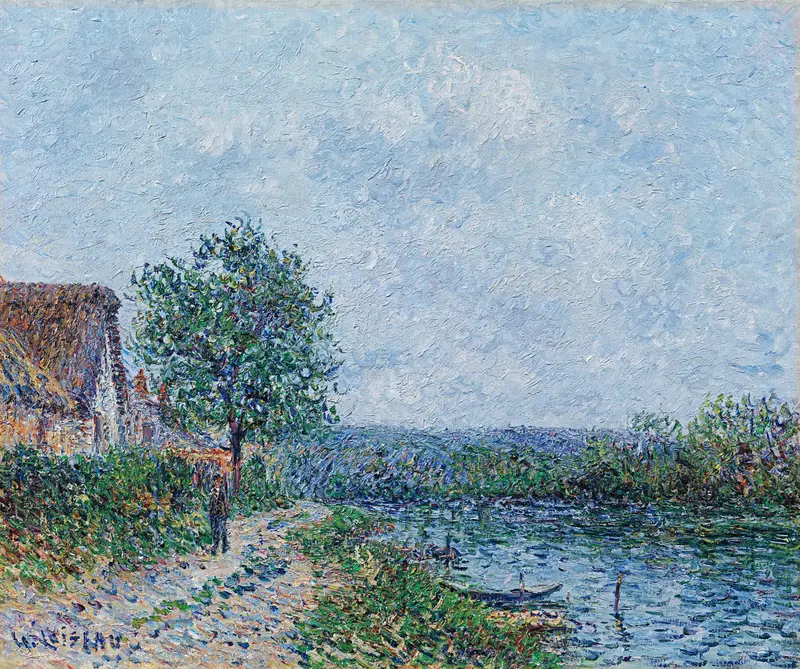
Bord de rivière, la Seine à Porte-Joie
Gustave Loiseau

La Cathédrale de Rouen
Gustave Loiseau
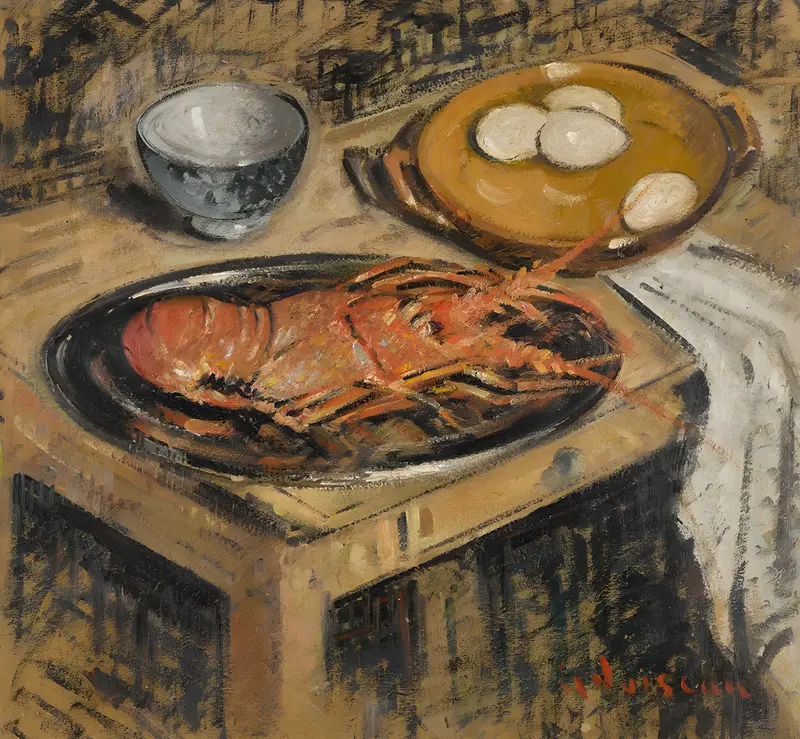
Langouste du Portugal
Gustave Loiseau
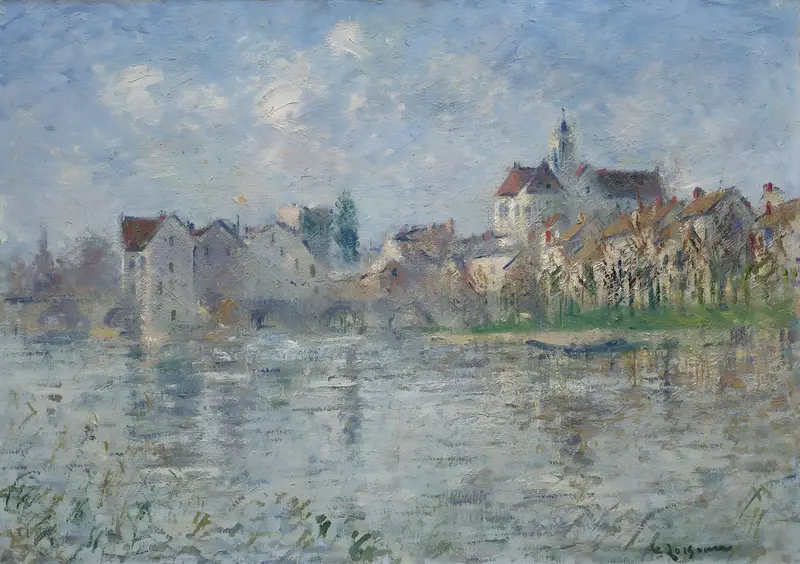
Moret-sur-Loing
Gustave Loiseau
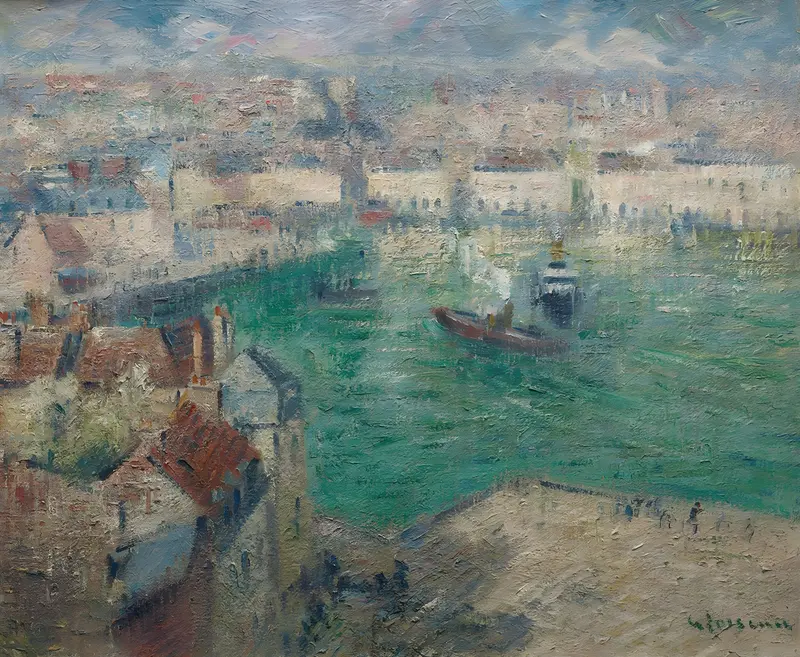
Dieppe
Gustave Loiseau
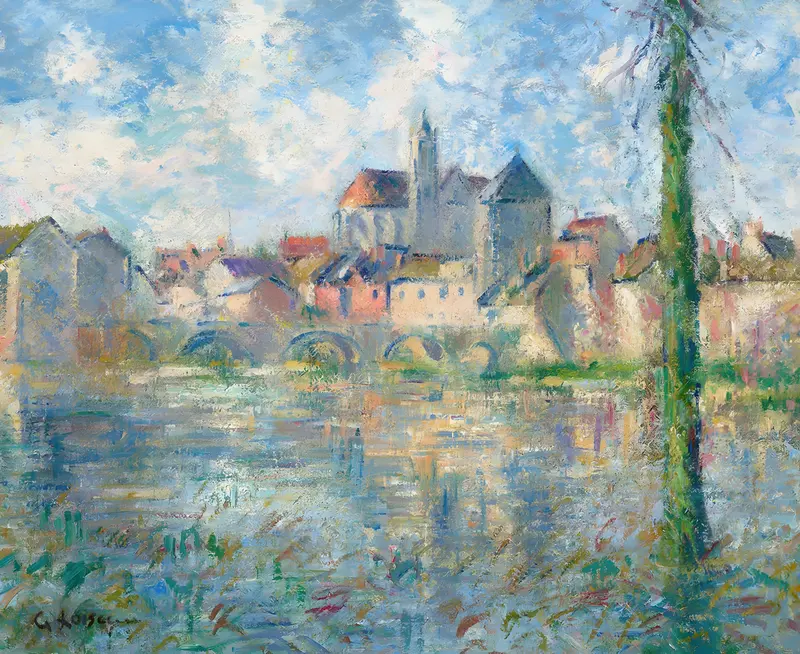
Moret-sur-Loing
Gustave Loiseau
Moret-sur-Loing
Gustave Loiseau
Moret-sur-Loing
Gustave Loiseau
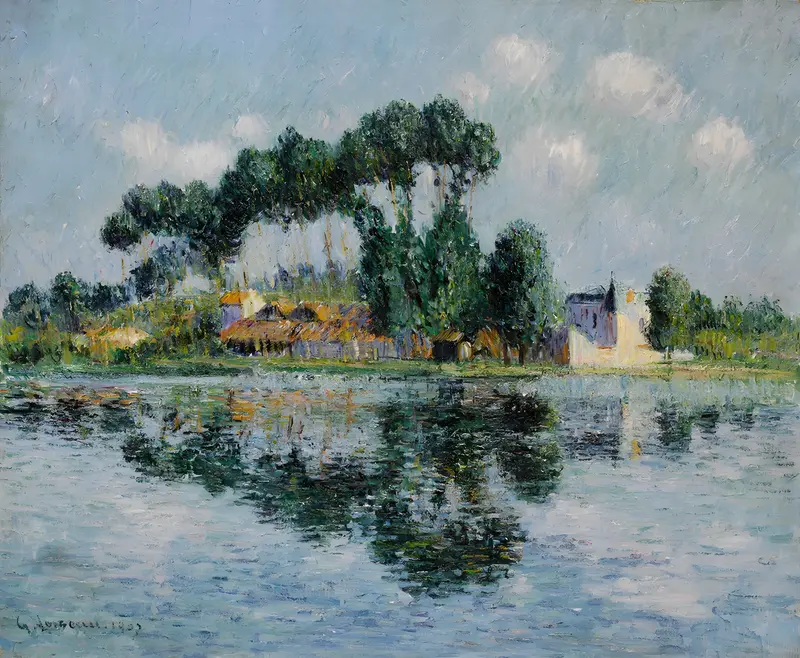
Peupliers sur les bords de l’Yonne
Gustave Loiseau
More Landscape Art

The Starry Night
Vincent van Gogh

View of Delft
Johannes Vermeer

Water Lilies
Claude Monet

The Grand Canal, Venice, looking north-west from the Ca' Corner to the Ca' Contarini degli Scrigni, with the campanile of Santa Maria della Carità
Canaletto

Windsor Castle
Canaletto

The Grand Canal looking North-East from the Palazzo Dolfin-Manin to the Rialto Bridge
Canaletto