
Die Themse — History & Facts
Can beauty exist without sorrow? Die Themse invites us to explore this profound question, casting a spell of wonder intertwined with a hint of melancholy. Look to the left, where the gentle curve of the Thames unfurls like a silken ribbon, reflecting the soft hues of a fading day. The artist’s brushstrokes meld warm peach and cool cerulean, creating a harmonious blend that draws the eye effortlessly across the water’s surface. Notice how the light dances on the ripples, capturing fleeting moments of serenity amidst the stillness, while distant figures blend into the landscape, casting a shadow of human experience against nature’s grandeur. Dive deeper into the painting, and you’ll uncover layers of emotion.
The boats, small against the vastness of the river, evoke a sense of isolation; they are both part of the scenery and separate from it, embodying the struggle of existence. The muted clouds overhead suggest a gathering storm, hinting at nature's unpredictable temperament and the inherent contrast between tranquility and turmoil. In this way, Bossoli captures the duality of beauty—its capacity to soothe yet simultaneously evoke longing. Created in 1877, this work emerges from a period when Carlo Bossoli was deeply engaged with the landscapes of Britain, a place that fascinated him with its historical and natural beauty.
At this time, the art world was shifting towards more impressionistic interpretations of light and color, reflecting the broader movements of Romanticism. The artist, having settled in London, absorbed the essence of his surroundings, combining meticulous detail with an evocative atmosphere that would define his legacy.
More Artworks by Carlo Bossoli
Browse all →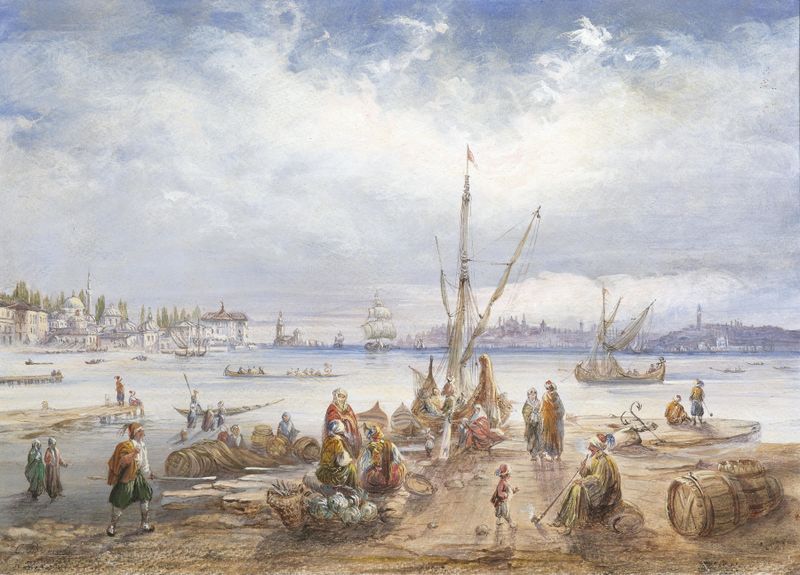
Blick auf Istanbul
Carlo Bossoli
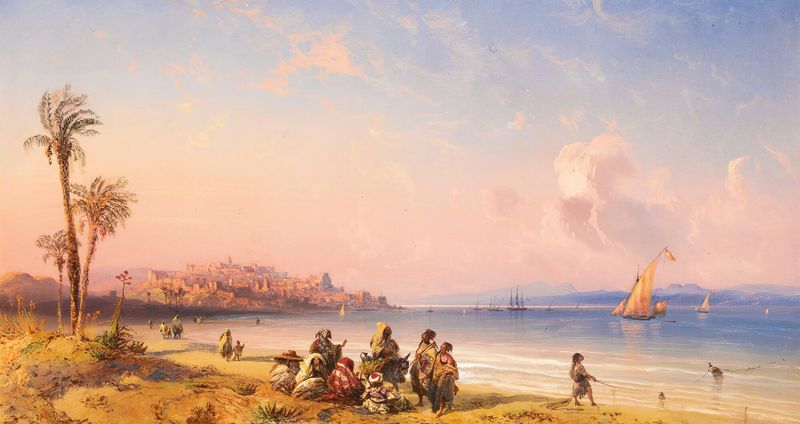
Ceuta
Carlo Bossoli
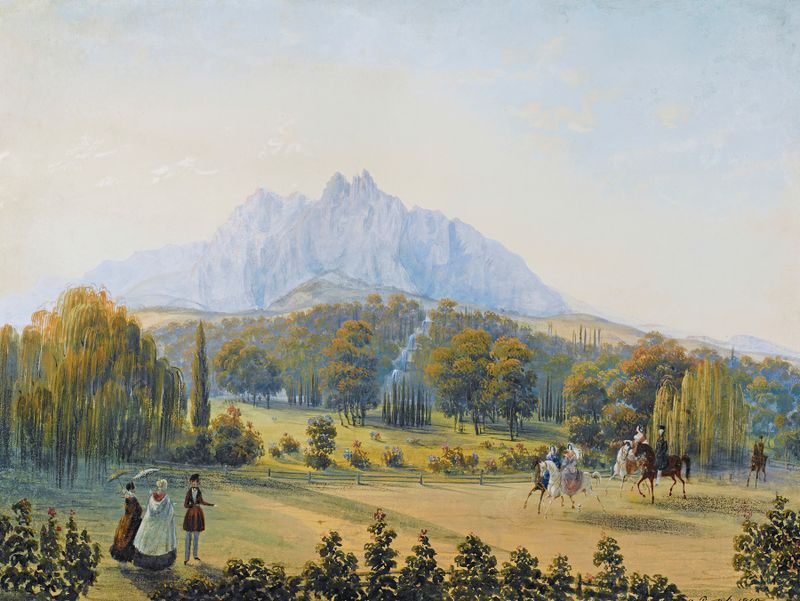
Seven Views Of Miskhor In The Crimea Vi
Carlo Bossoli
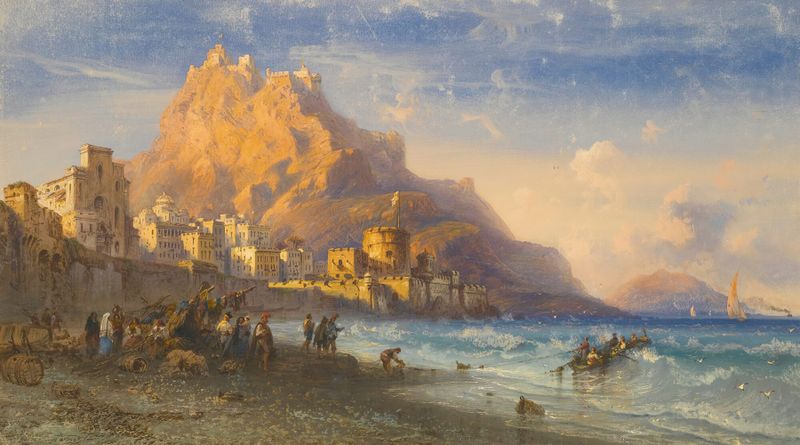
Coastal Landscape, Southern Italy
Carlo Bossoli
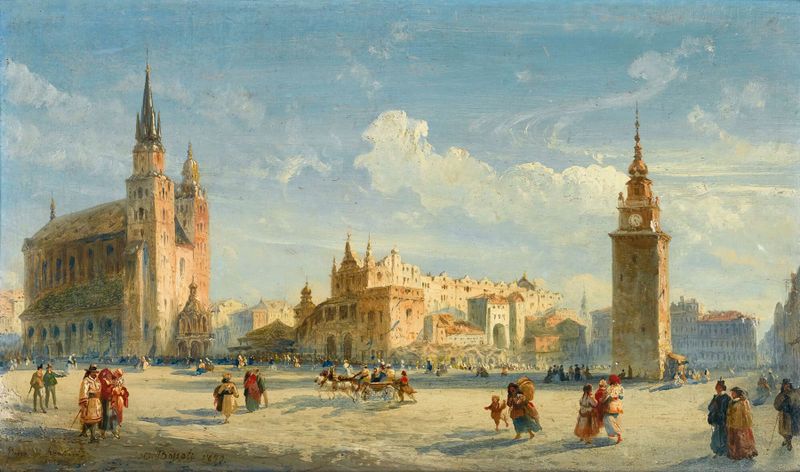
Mariacki square with the cloth hall, Cracow
Carlo Bossoli
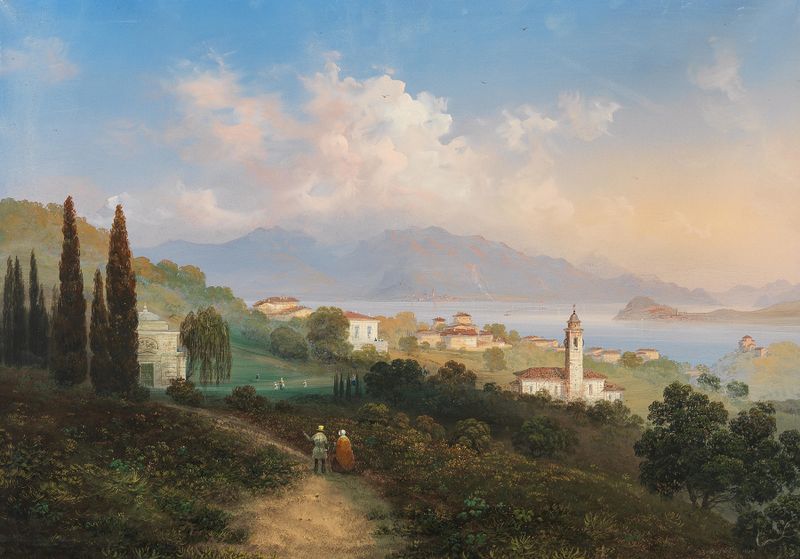
A View of Lake Como and Menaggio, with Punta di Bellagio on the Right
Carlo Bossoli
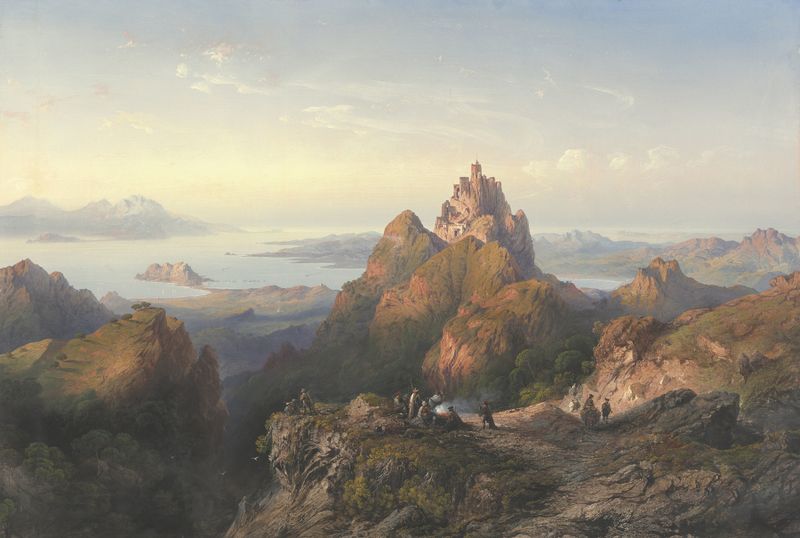
Balaklava
Carlo Bossoli
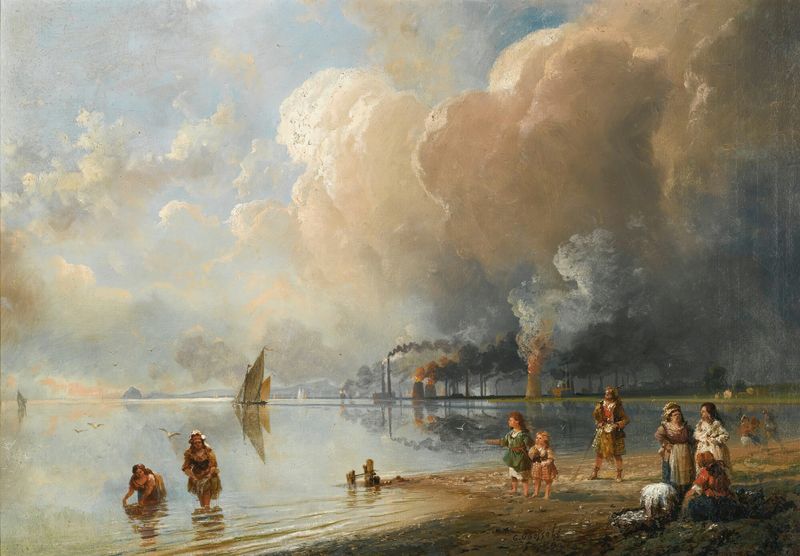
On the banks of the forth, Edinburgh
Carlo Bossoli
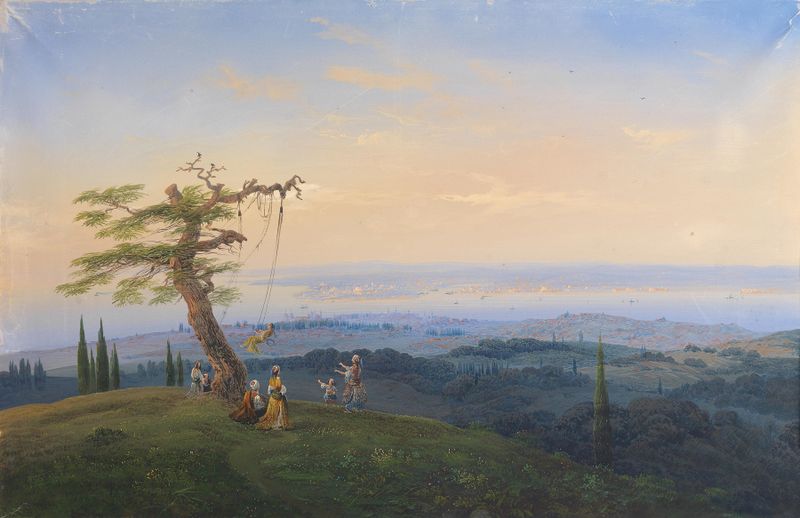
Abendliches Vergnügen vor den Toren Konstantinopels
Carlo Bossoli
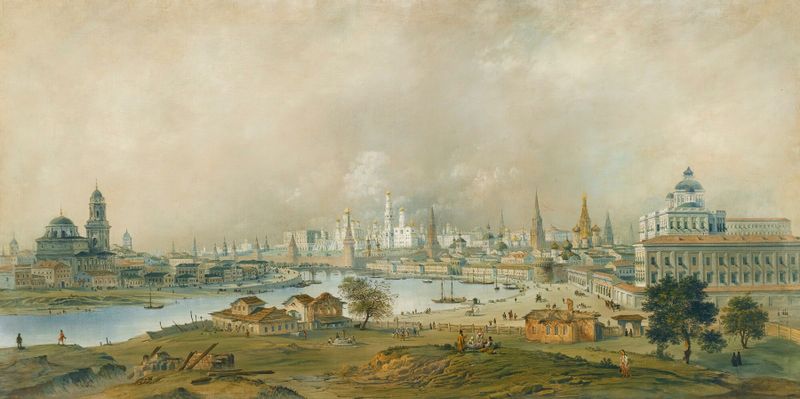
View Of The Moscow Kremlin From Ustinsky Bridge
Carlo Bossoli
More Landscape Art
Browse all →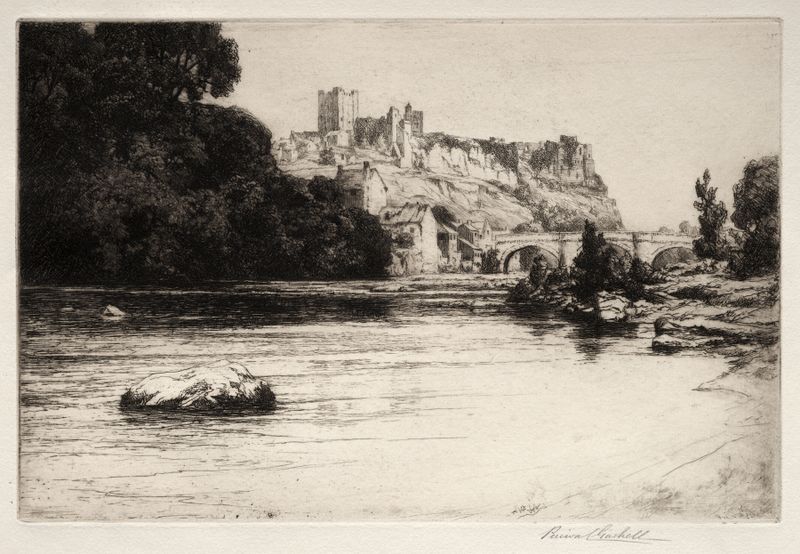
Richmond Castle
George Percival Gaskell
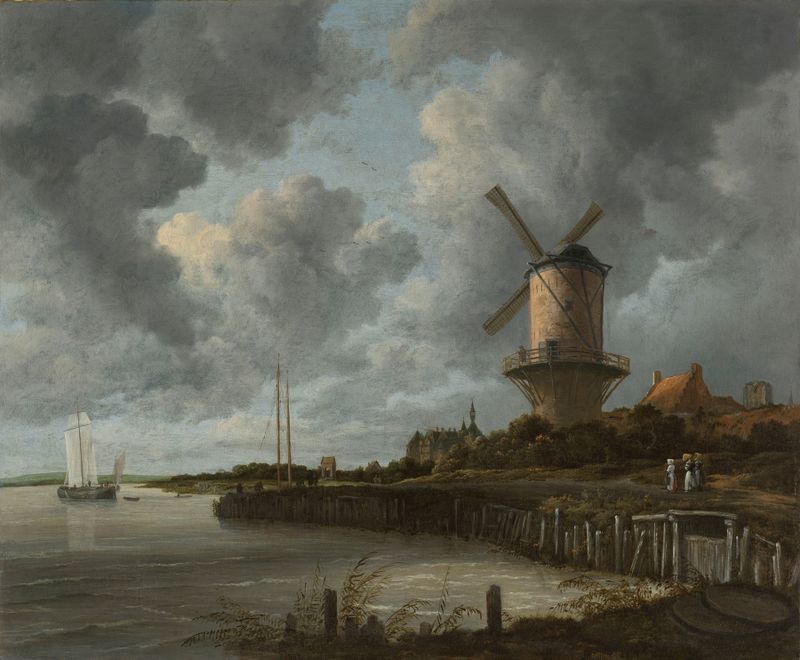
The Windmill at Wijk bij Duurstede
Jacob van Ruisdael
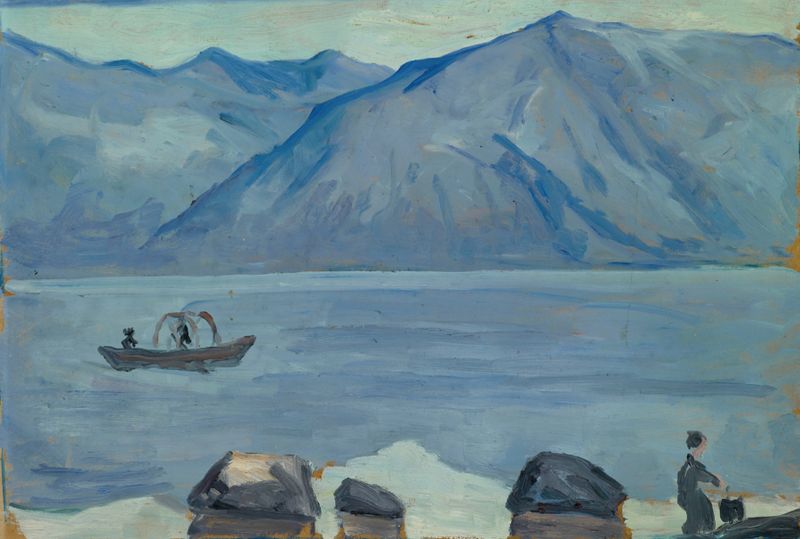
At the Beach of the Lake of Lugano
Ernst Schiess
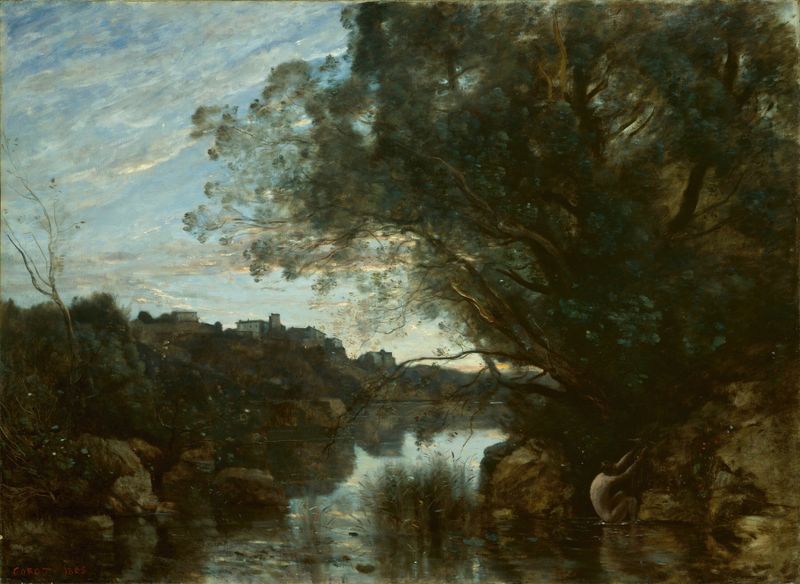
Souvenir of the Environs of Lake Nemi
Jean-Baptiste-Camille Corot
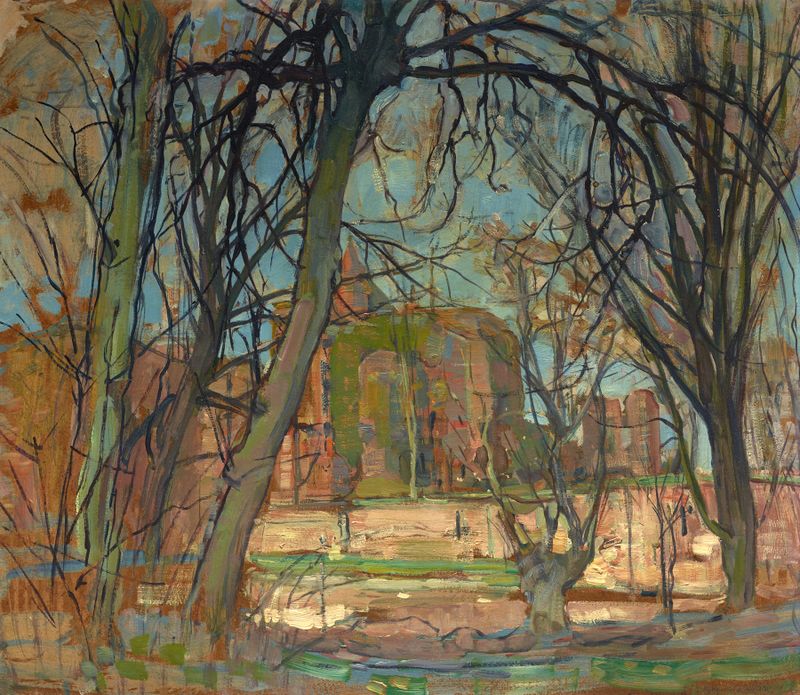
Spring Sun (Lentezon); Castle Ruin; Brederode
Piet Mondrian
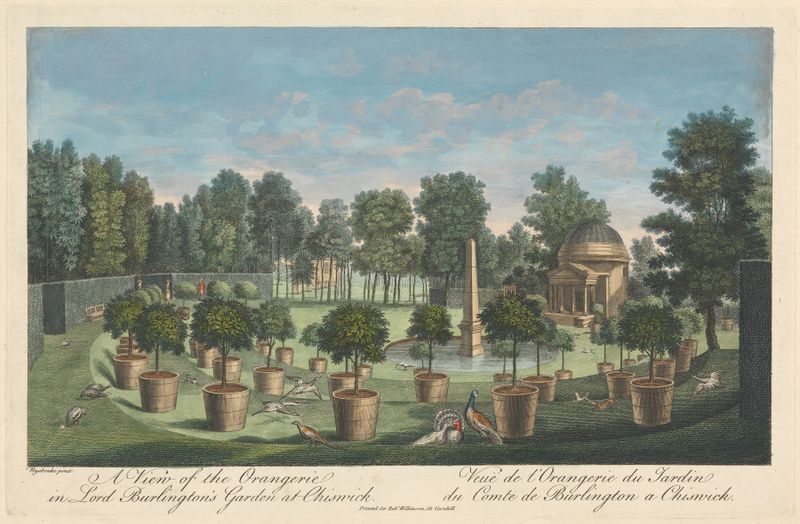
A View of the Orangerie in Lord Burlington’s Garden at Chiswick
Pieter Andreas Rysbrack