
Die Thermen des Titus in Rom — History & Facts
The grandeur of the ancient world often masks the fragility of human faith and endeavor, a theme that echoes deeply within the painted ruins of history. Focus on the imposing structure of the Baths of Titus, where the arches rise like prayers toward the heavens. The artist employs a soft, golden light that dances across the surface of the stone, illuminating cracks and shadows that speak of time's relentless passage. To the left, the vibrant greens of the surrounding foliage contrast with the cool, muted tones of the crumbling walls, drawing the eye into a juxtaposition of vitality and decay.
Each brushstroke carries a whisper of reverence for the monument’s past glory, yet hints at its inevitable decline. Notice the delicate interplay between light and shadow, which speaks to the transient nature of beauty. In the warm glow that bathes the ruins, one can sense both the reverence for the divine and an underlying melancholy for what has been lost. The presence of small figures adds scale, illustrating the insignificance of human life against the vastness of history—faith and dreams interwoven with the reality of abandonment.
What remains is not just an architectural wonder, but a poignant reminder of humanity's relentless quest for meaning within the ruins we leave behind. Ducros created this work during a time of great change in the art world, as Neoclassicism was giving way to Romanticism. Active in the late 18th century, he was deeply influenced by his travels through Italy, capturing the beauty of ruins in a way that both celebrated and mourned their storied past. Amidst the rise of new artistic movements, he sought to immortalize moments where the grandeur of nature and human achievement intersect, echoing the faith that sustains us through the ages.
More Artworks by Abraham-Louis-Rodolphe Ducros
Browse all →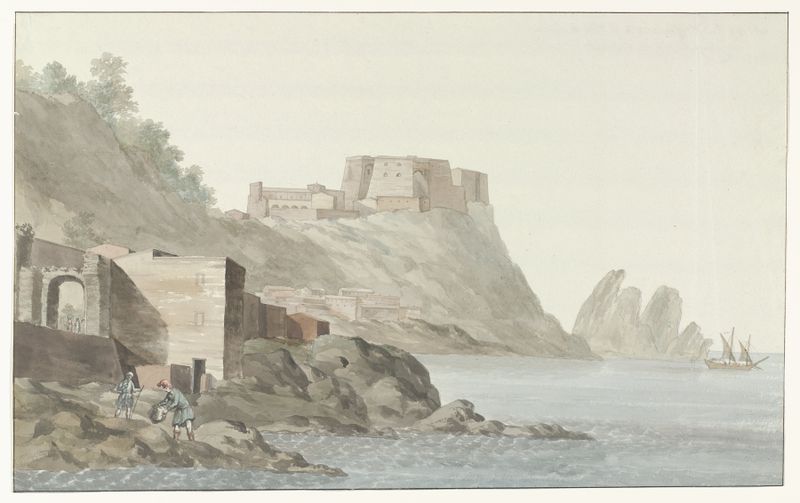
Rots en stad Scilla in de regio Calabrië aan de oostkust
Abraham-Louis-Rodolphe Ducros
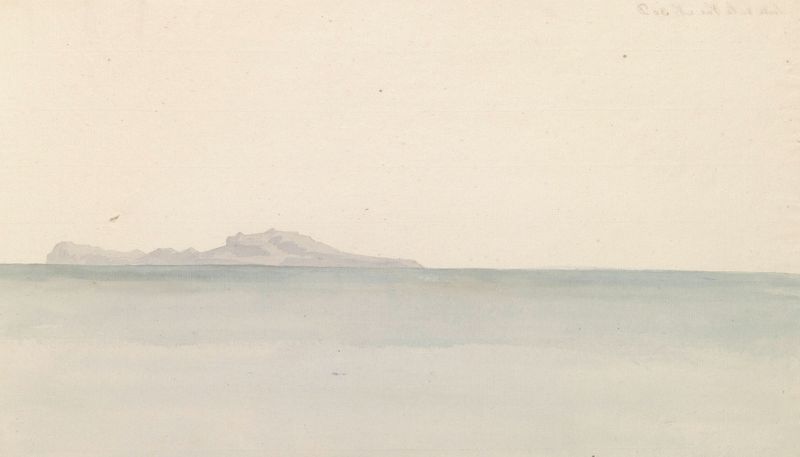
Gezicht op Golf van Napels vanaf kade bij kerk Santa Maria del Carmine
Abraham-Louis-Rodolphe Ducros
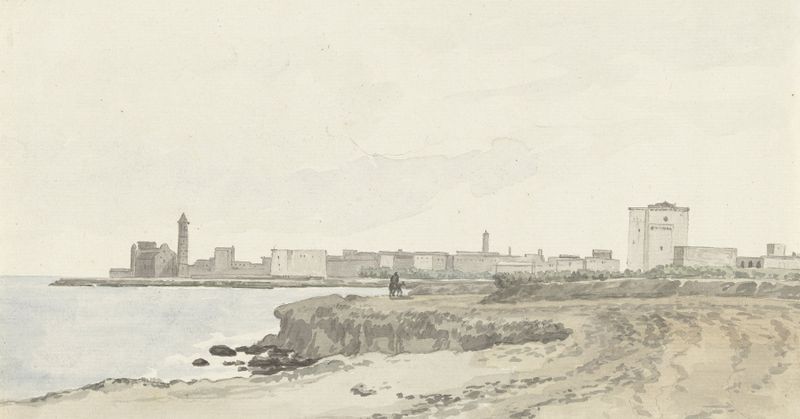
Gezicht op Trani gelegen aan de kust
Abraham-Louis-Rodolphe Ducros
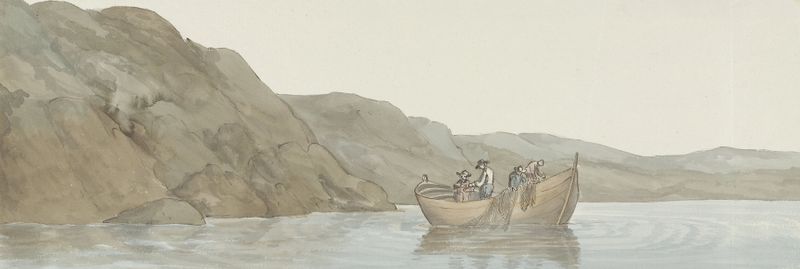
Gezicht op Kaap Paceco in Calabrië nabij de stad Scilla
Abraham-Louis-Rodolphe Ducros
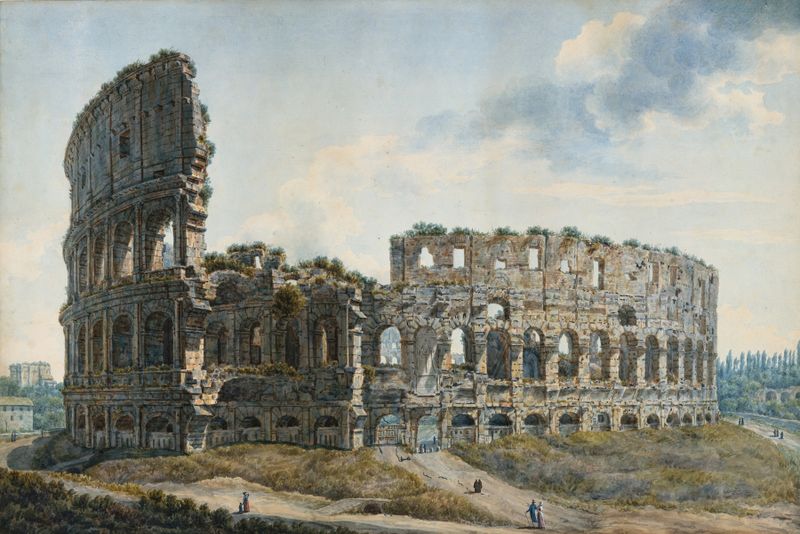
The Colosseum, Rome.
Abraham-Louis-Rodolphe Ducros
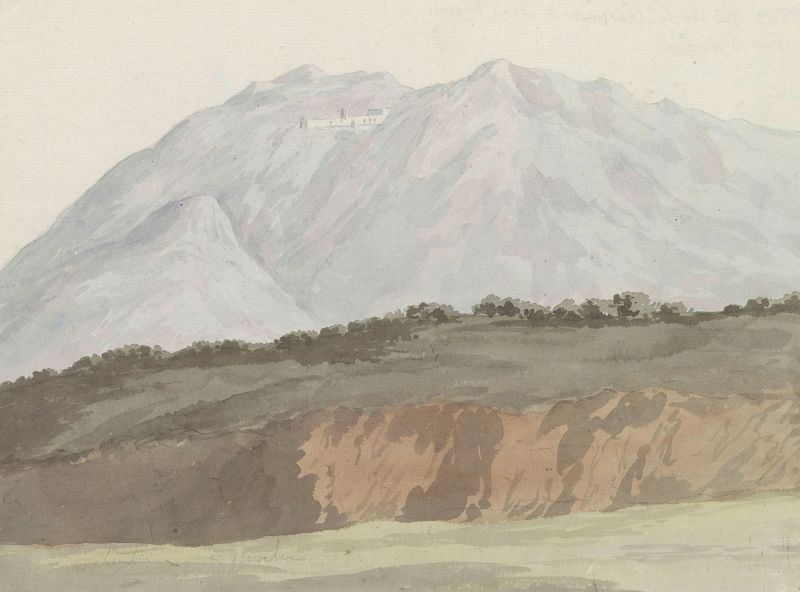
Gezicht op kartuizerklooster van Monte Vergine hoog gelegen boven Avellino
Abraham-Louis-Rodolphe Ducros
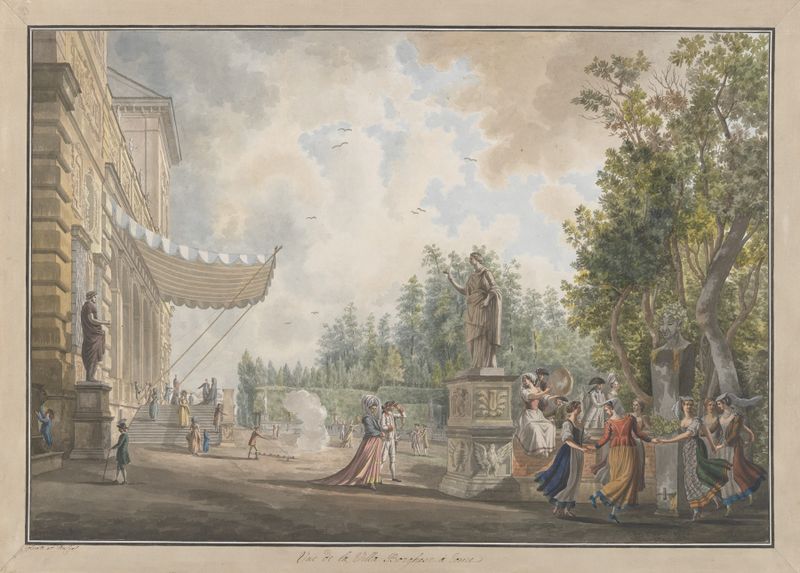
Villa Borghese
Abraham-Louis-Rodolphe Ducros
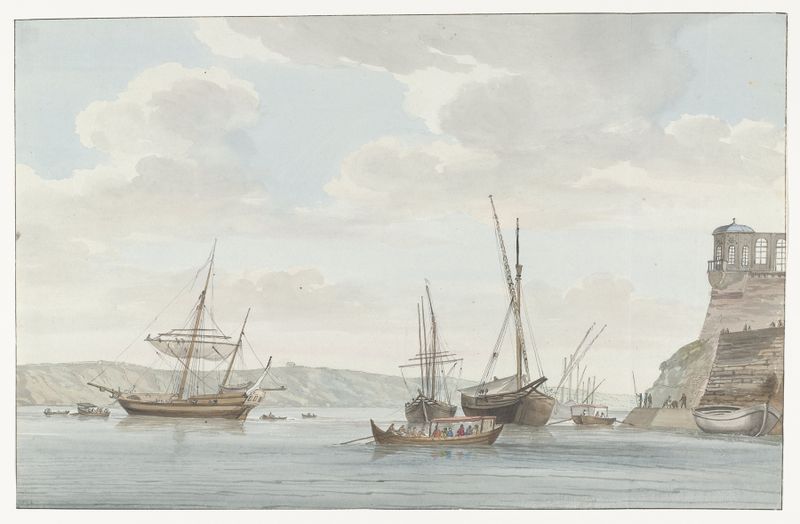
Tuinhuis van de Jardin du Grand Maître uittorend boven de haven met galei schepen op Malta
Abraham-Louis-Rodolphe Ducros
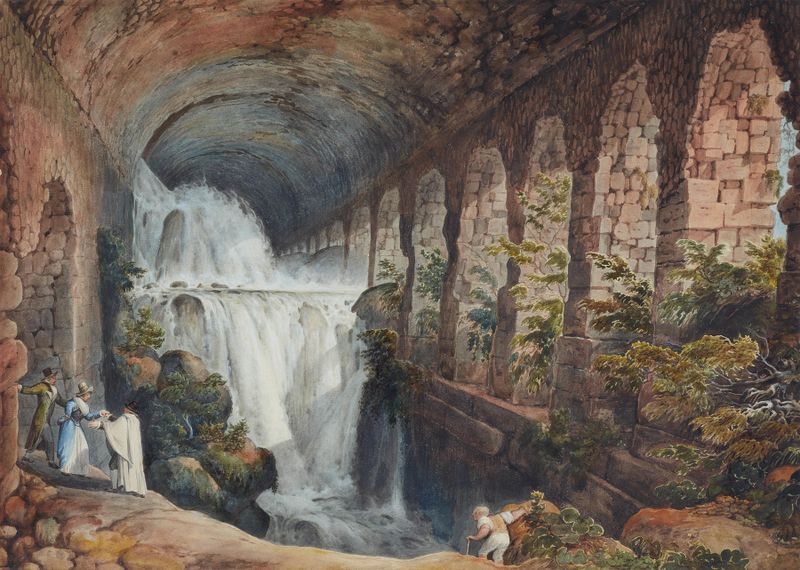
Aquädukt unter der Villa des Maecenas in Tivoli
Abraham-Louis-Rodolphe Ducros
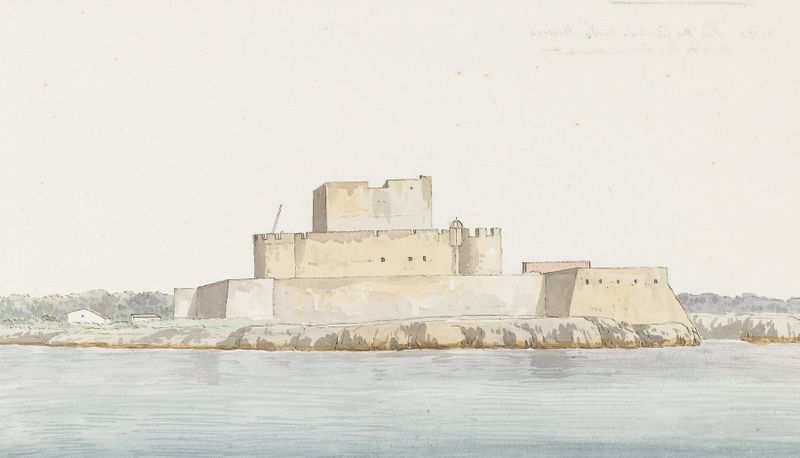
Gezicht op kasteel van San Mauro la Bruca vanaf zee bij aankomst
Abraham-Louis-Rodolphe Ducros
More Architecture Art
Browse all →
The statue of Liberty
Frédéric Auguste Bartholdi

View of Houses in Delft, Known as ‘The Little Street’
Johannes Vermeer

View of Houses in Delft, Known as ‘The Little Street’
Johannes Vermeer

The Cathedral in Rouen. The portal, Grey Weather
Claude Monet

The yellow house
Vincent van Gogh

The Church in Auvers-sur-Oise, View from the Chevet
Vincent van Gogh