Diep bord uit V.O.C.-schip de 'Witte Leeuw' — History & Facts
Could a single brushstroke hold eternity? In the simple elegance of a porcelain plate, we glimpse both the functional and the profound, where art intertwines with the everyday. This object, more than mere tableware, embodies the truth of an era and its complex narratives. Look closely at the intricate details painted on the surface of the plate. The delicate blue motifs swirl gracefully against the stark white background, drawing the eye to the center where a scene unfolds.
Notice the careful rendering of maritime life—a ship, its sails billowing in the wind, symbolizing the voyages of discovery and trade that defined the Golden Age. The artist’s choice of cobalt blue is not just color but a bridge to the waters that cradled these vessels, infusing the object with a sense of journey and wonder. Yet, beneath its beauty lies a deeper layer of meaning. The plate reflects the mingling of cultures—its design hints at the interactions between Europe and Asia during colonial expansion, a melding of artistry that carries histories of ambition and exploitation.
The very existence of such an artifact speaks to the paradox of luxury intertwined with the realities of global trade, inviting viewers to reflect on the cost of beauty and the tales that remain unspoken. Crafted before 1613, this piece hails from a time when European powers were fiercely competing for influence and wealth. At this moment, the Dutch East India Company was thriving, and artists of the period sought to capture not just the aesthetic of their world but also the complexities of its unfolding narrative. Though the artist remains unknown, their work contributes to a larger conversation about identity and representation within the realm of decorative arts.
More Artworks by Unknown Artist
Browse all →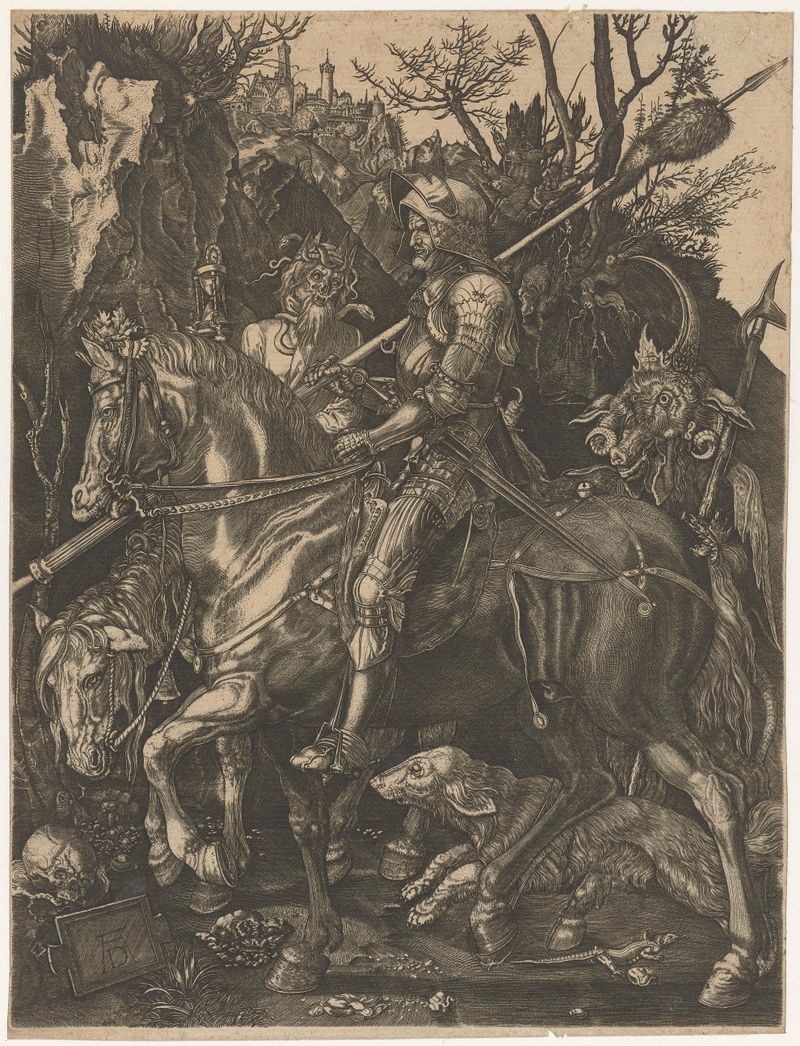
Ridder, Dood en Duivel
Unknown Artist
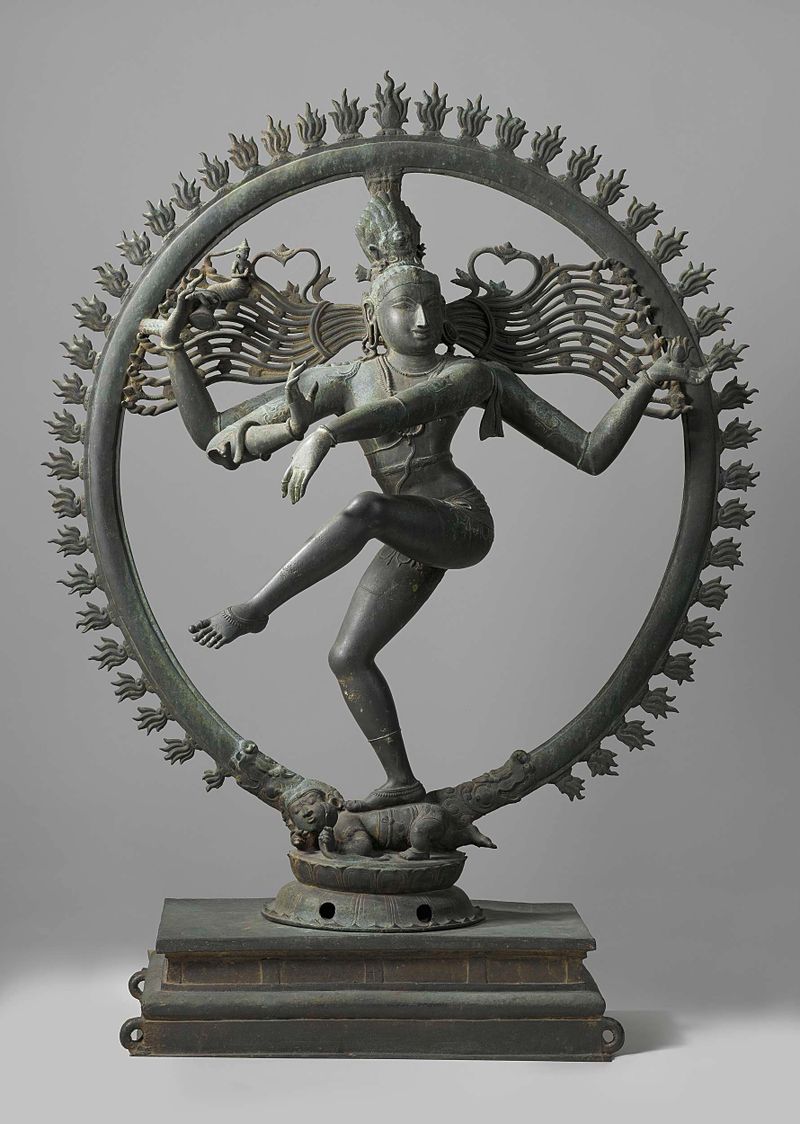
Shiva Nataraja
Unknown Artist
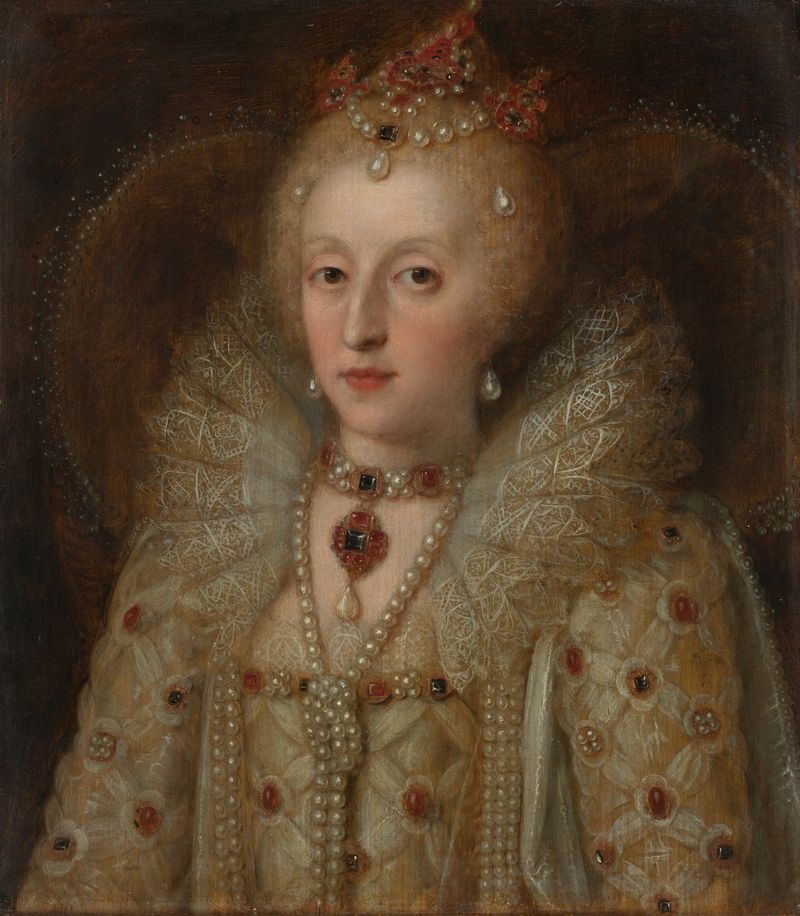
Portrait of Elizabeth I, Queen of England
Unknown Artist
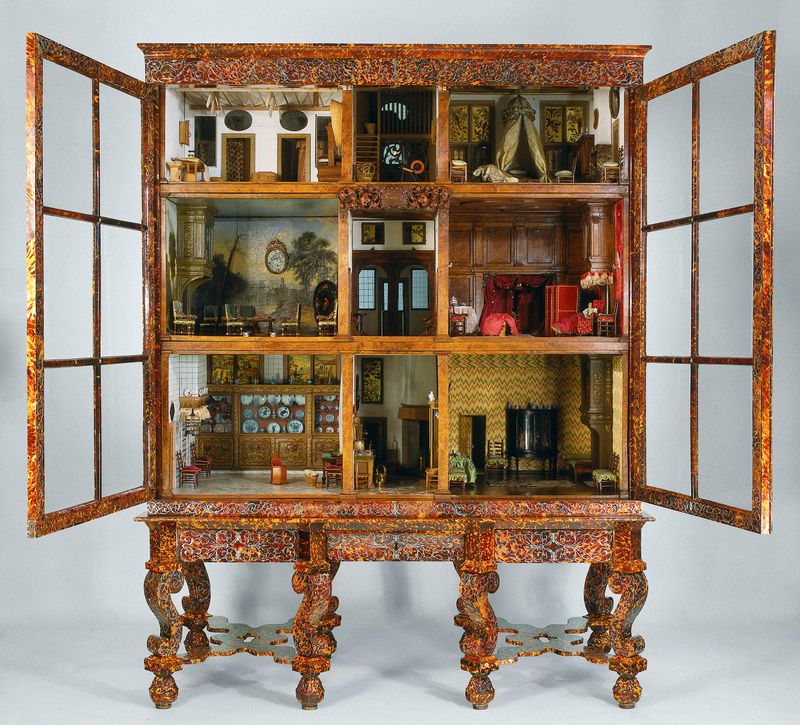
Dolls’ house of Petronella Oortman
Unknown Artist
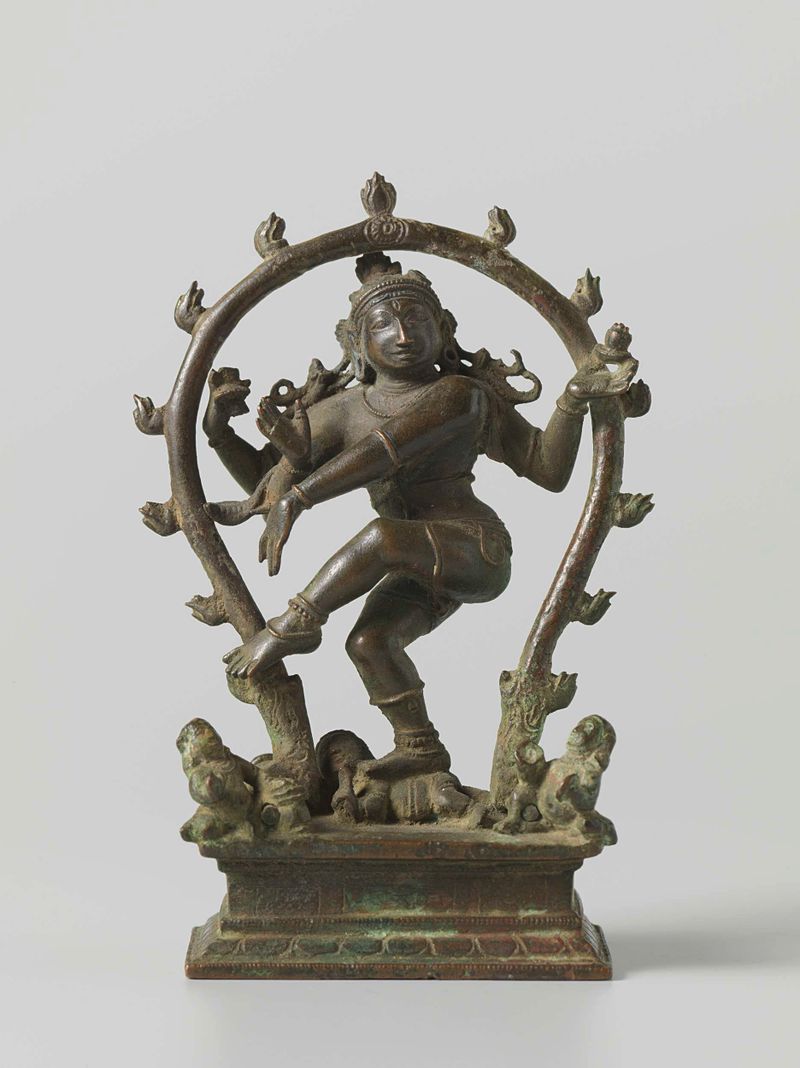
Shiva Nataraja
Unknown Artist

The Tale of Genji
Unknown Artist

The Tale of Genji
Unknown Artist

Cong
Unknown Artist
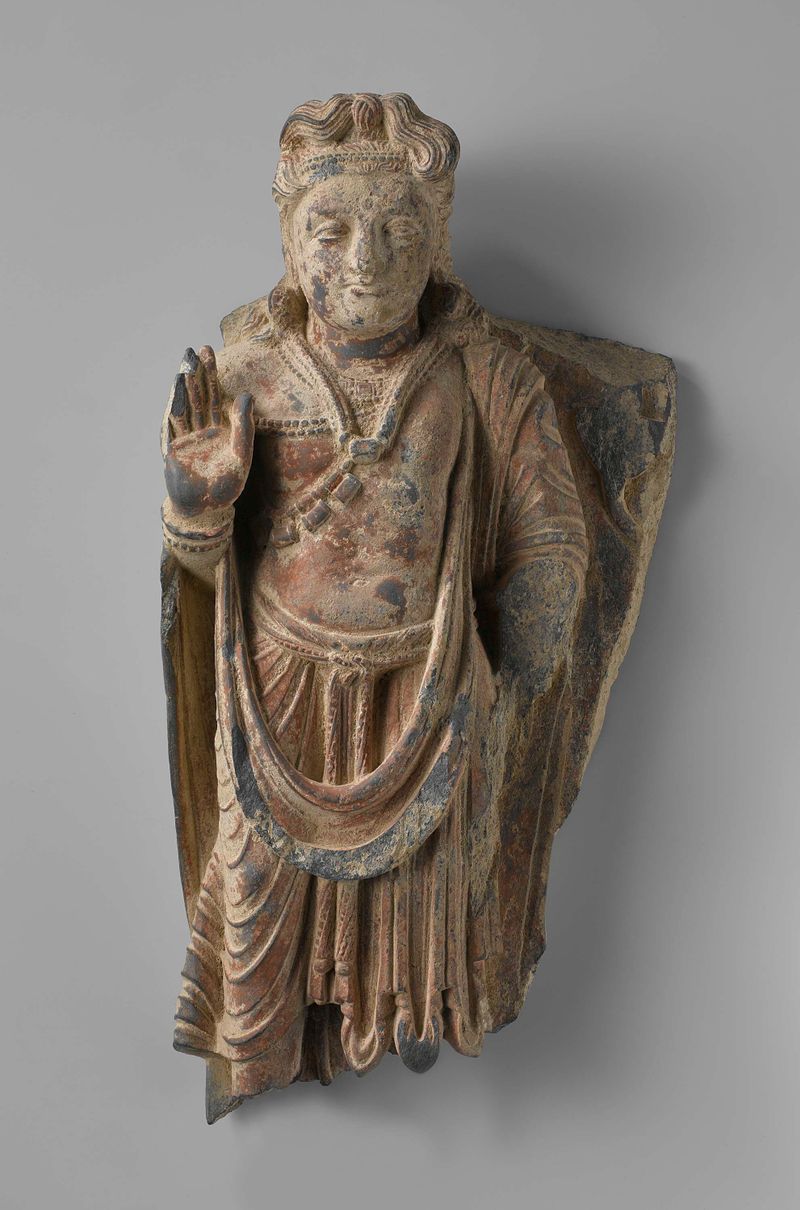
The bodhisattva Maitreya
Unknown Artist

Teabowl with a 'hare's fur' glaze
Unknown Artist