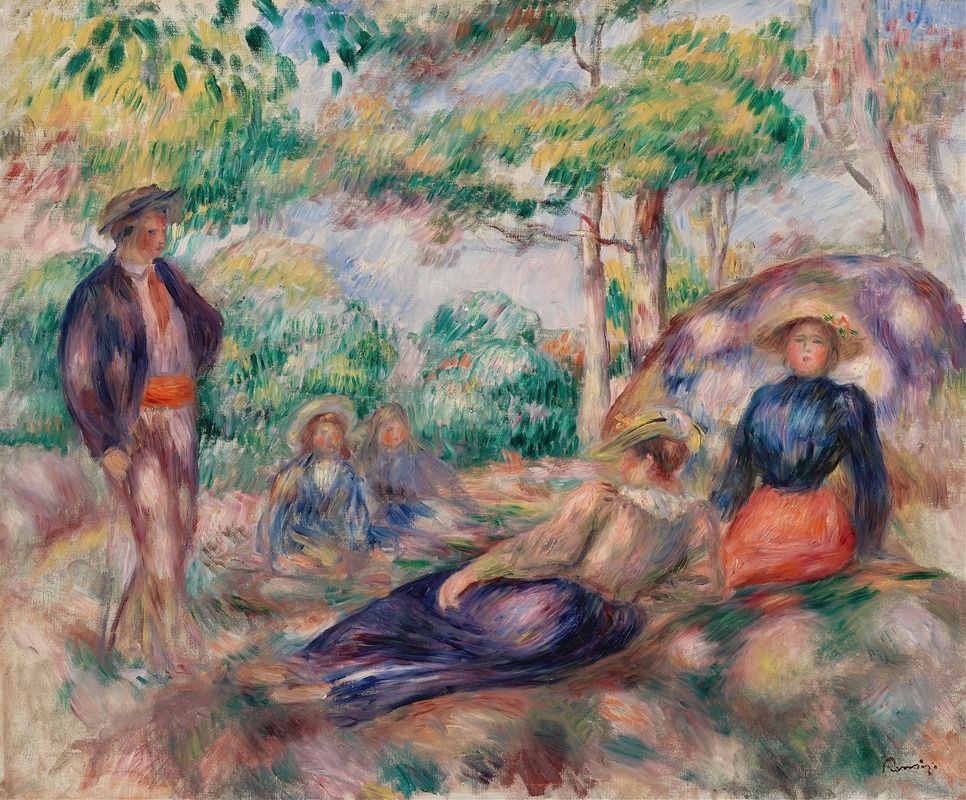
Discover insights about this artwork
Dios la perdone; Y era su madre. (For heaven’s sake; and it was her mother.) — History & Facts
In Dios la perdone; Y era su madre, Francisco de Goya presents a striking scene filled with emotion. The painting features a mother and child, with the mother appearing distressed. The colors are dark and muted, enhancing the somber mood of the work.
The figures are rendered with a sense of realism, drawing the viewer into their emotional turmoil. The painting is an oil on canvas, showcasing Goya's skill in manipulating light and shadow. The dimensions are approximately 100 x 150 cm, making it a sizable work that commands attention. Goya's brushwork is expressive, capturing the tension between the figures.
The composition leads the viewer's eye directly to the faces of the mother and child, emphasizing their emotional connection. Created in the late 18th century, Dios la perdone; Y era su madre reflects Goya's interest in human emotion and social commentary. This work is part of a series that explores themes of motherhood and sacrifice. An interesting fact about this painting is that it showcases Goya's transition from the Rococo style to a more Romantic approach.
Goya's ability to convey deep emotion in his works has made him a pivotal figure in art history.
More Artworks by Francisco de Goya
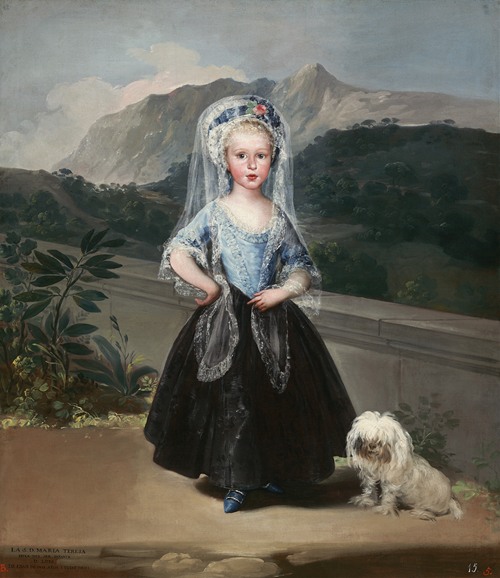
María Teresa de Borbón y Vallabriga,later Condesa de Chinchón
Francisco de Goya
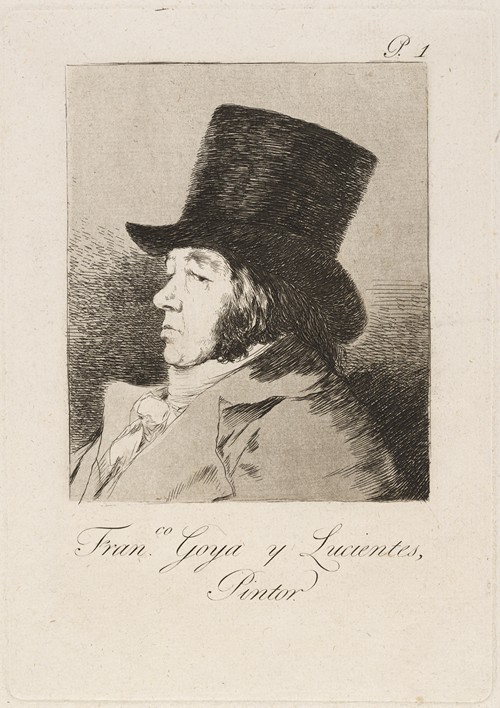
Francisco Goya y Lucientes, Pintor (Francisco Goya y Lucientes, painter)
Francisco de Goya
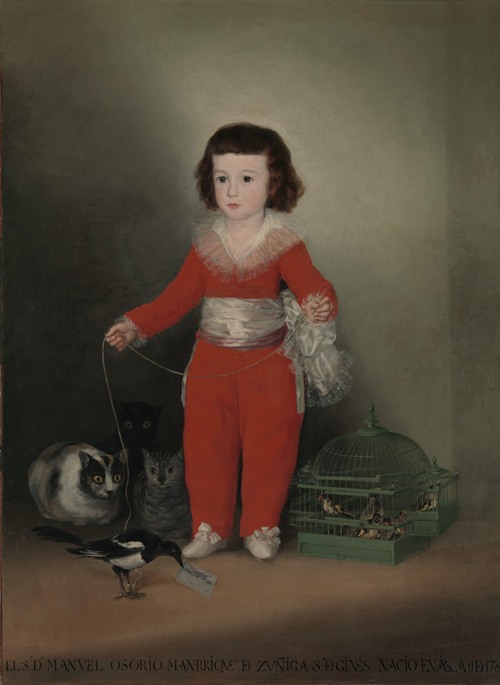
Manuel Osorio Manrique de Zuñiga (1784–1792)
Francisco de Goya
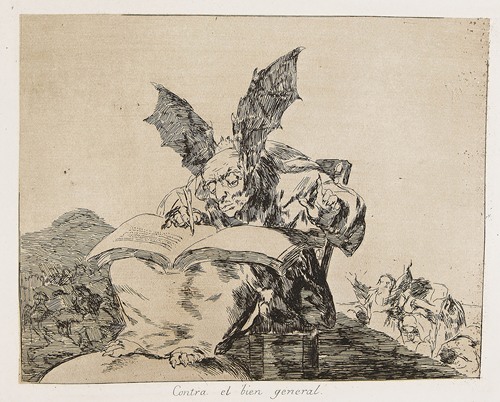
Los desastres de la guerra
Francisco de Goya
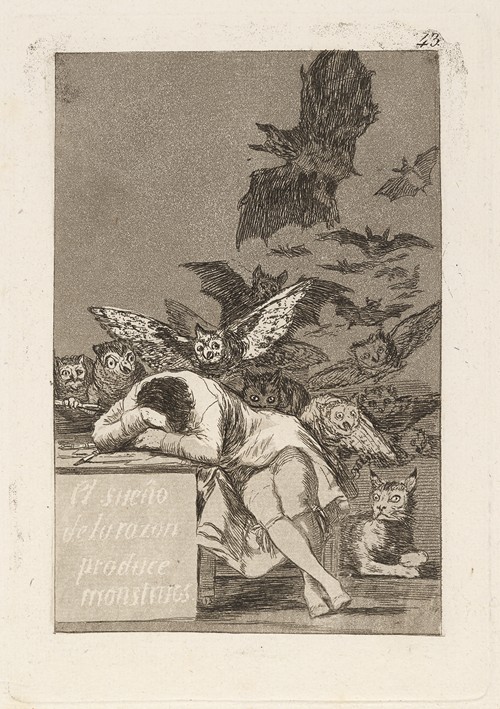
El sueño de la razon produce monstruos. (The sleep of reason produces monsters.)
Francisco de Goya
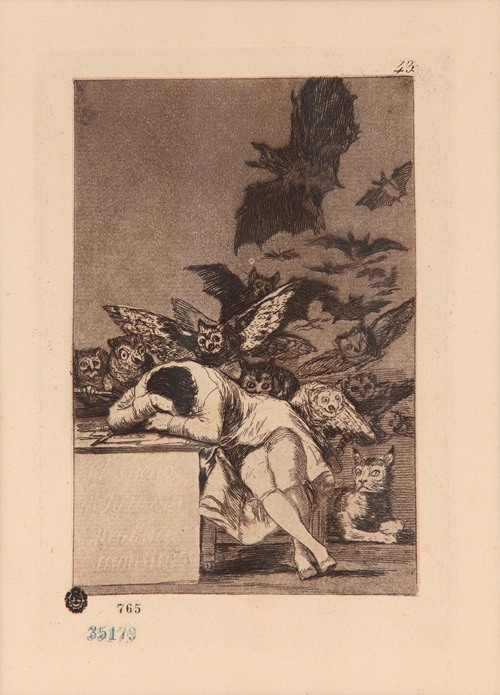
El sueño de la razon produce moustruos (Serie Caprichos)
Francisco de Goya
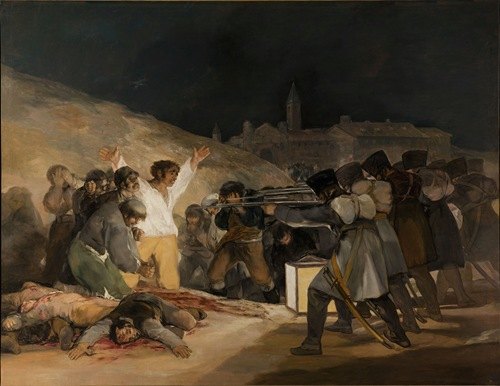
The Third of May
Francisco de Goya
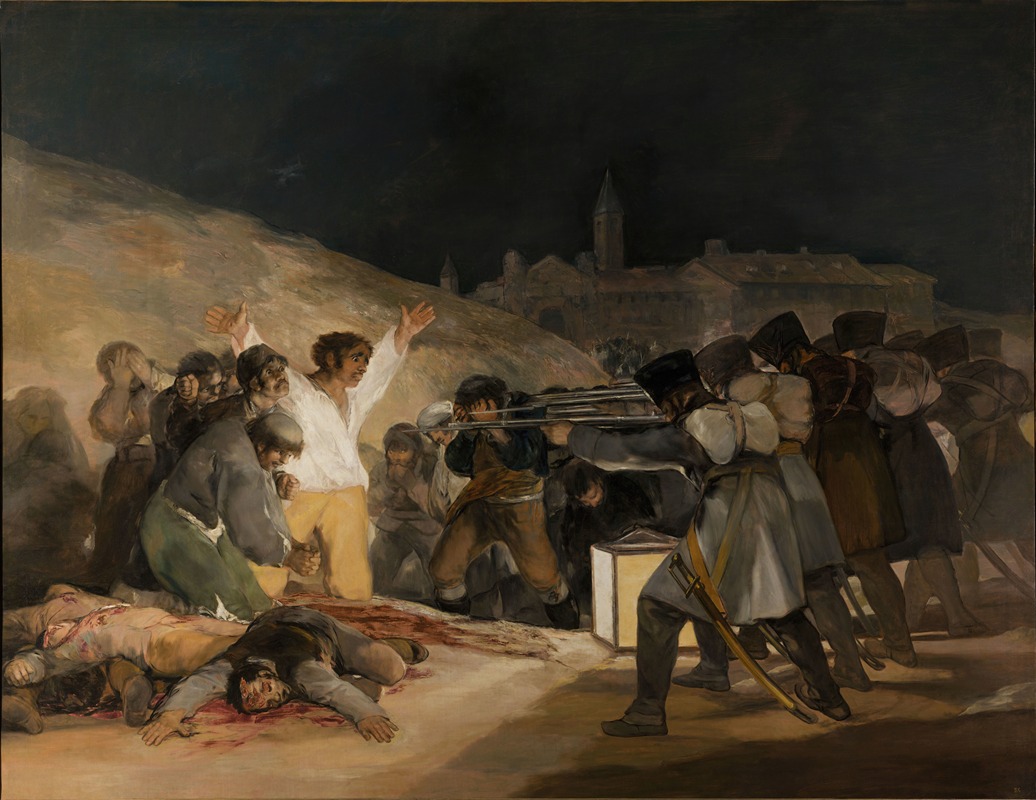
The Third of May 1808
Francisco de Goya
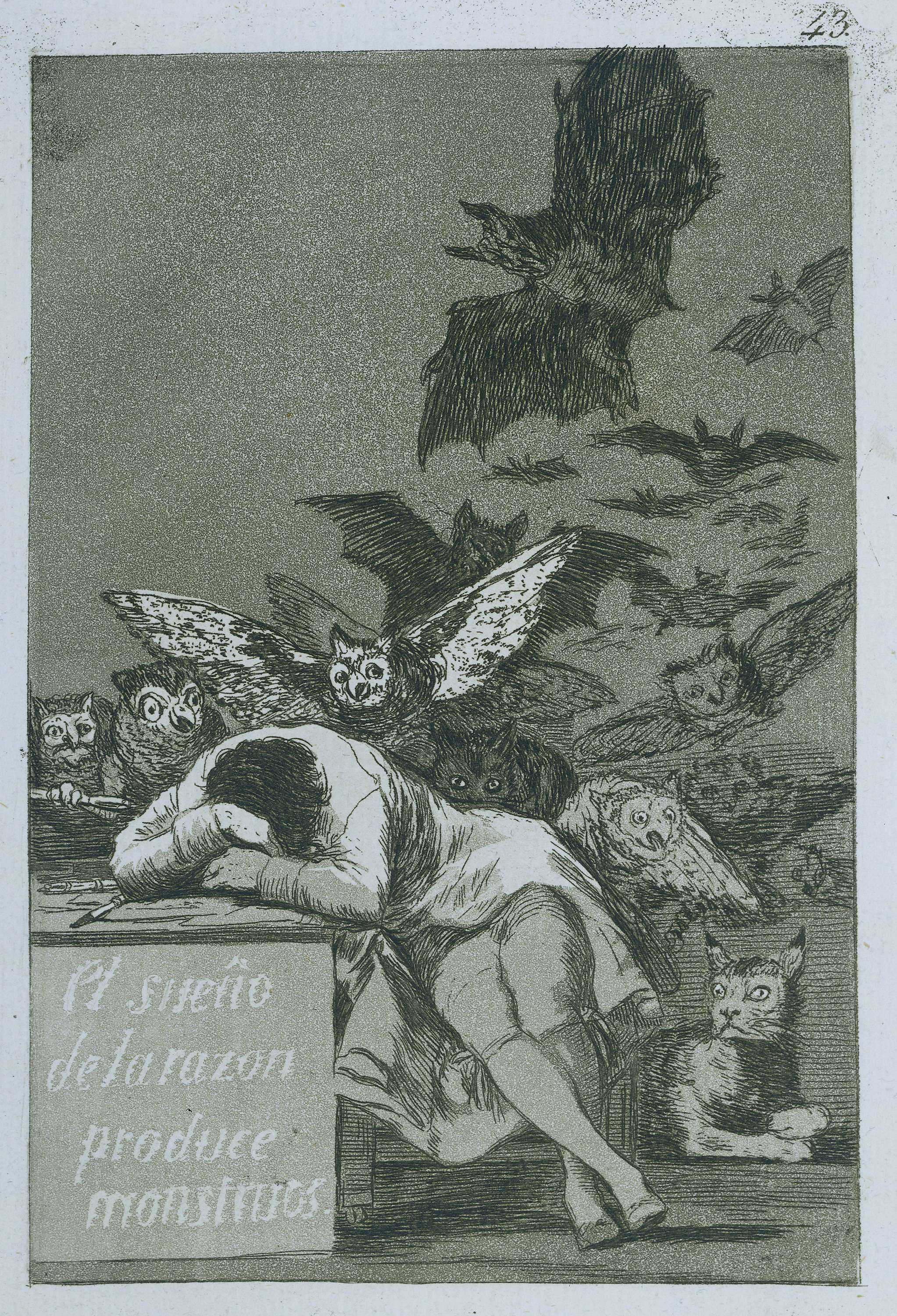
De slaap van de rede brengt monsters voort
Francisco de Goya
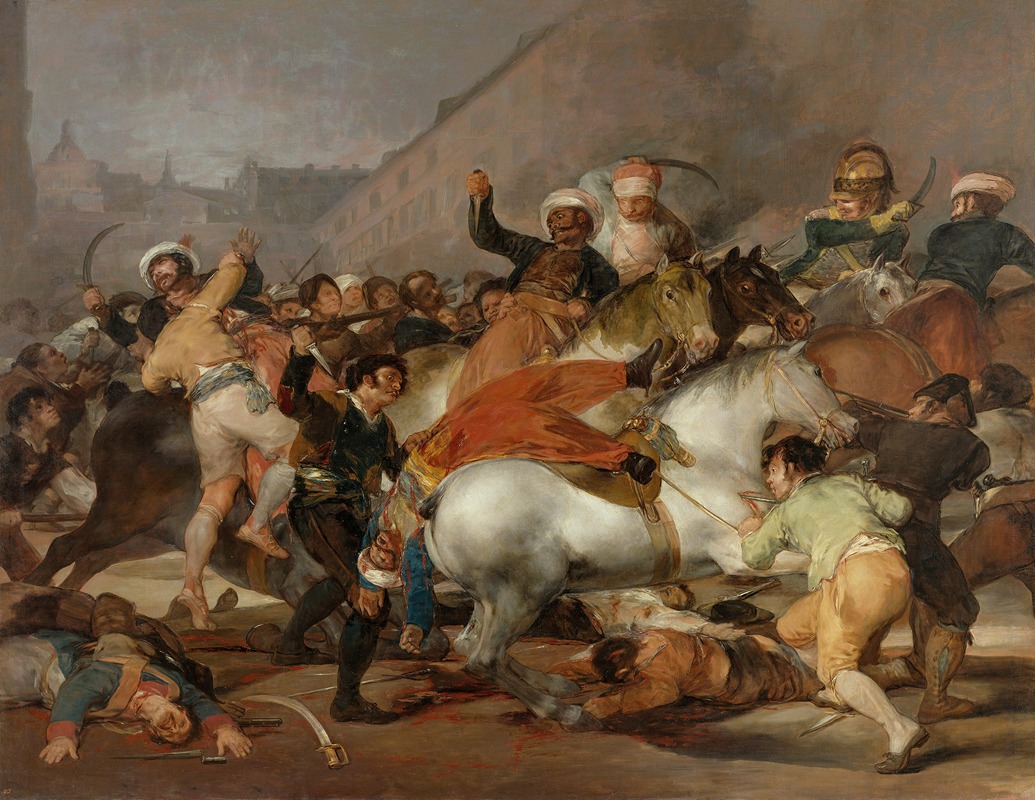
The Charge of the Mamelukes (1814)
Francisco de Goya