Distant view of city — History & Facts
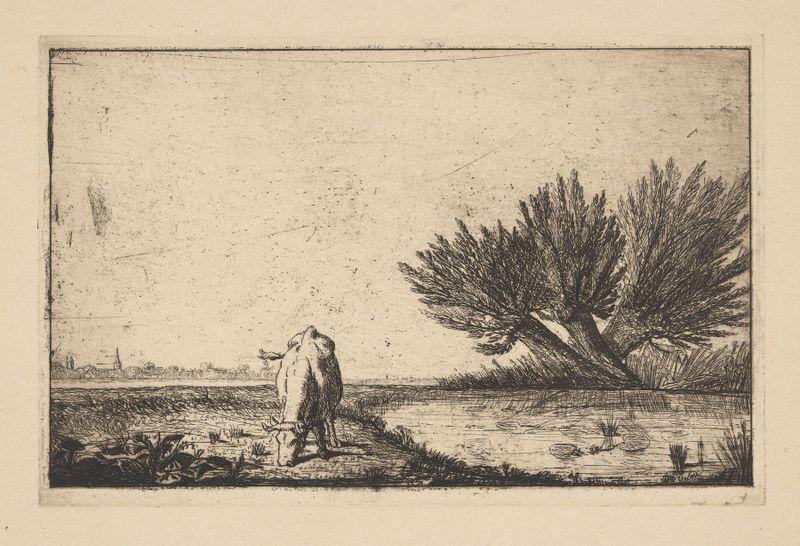
What if beauty was never meant to be finished? In the hushed expanse of a cityscape, this contemplation reverberates through the stillness of the scene, inviting a deep sense of introspection. Look to the center where a luminous horizon meets a gentle cloudscape, casting a tranquil glow over the buildings below. The delicate brushstrokes merge softly, creating an ethereal atmosphere that seems to breathe with life. The palette, awash with subtle blues and ochres, evokes a serene twilight, suggesting layers of time and distance.
Each structure stands in quiet communion, framed by soft edges that blur the line between reality and dream. Within this composition lies the tension of isolation and connection. The distant city, though alive, appears almost ghostly, as if suspended in a moment of reflection. Each building, carefully positioned, tells a story of solitude amidst the gathering twilight, where silence becomes a character unto itself.
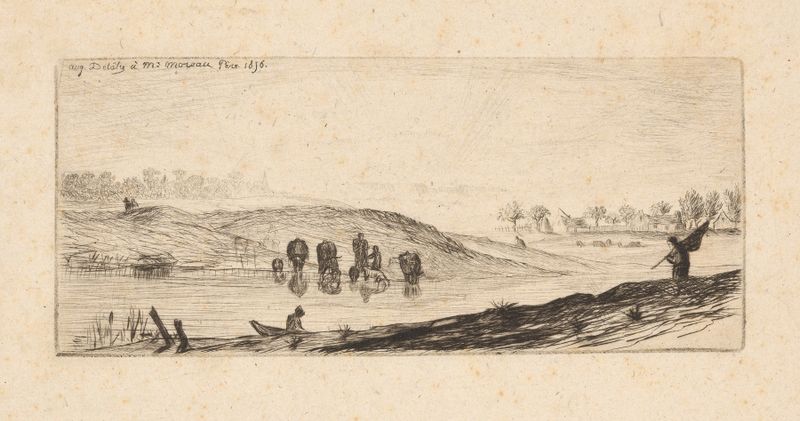
The absence of human figures amplifies the feeling of longing, allowing viewers to project their own narratives onto the canvas. In 1856, during a period of artistic transition in France, the artist captured this scene while navigating the complexities of his own career. At a time when realism was emerging in art, he sought to blend impressionistic techniques with traditional landscapes. This work reflects the artist's yearning for a deeper connection to both the urban environment and the fleeting beauty of nature, as the world around him began to shift and change rapidly.