Disteln — History & Facts
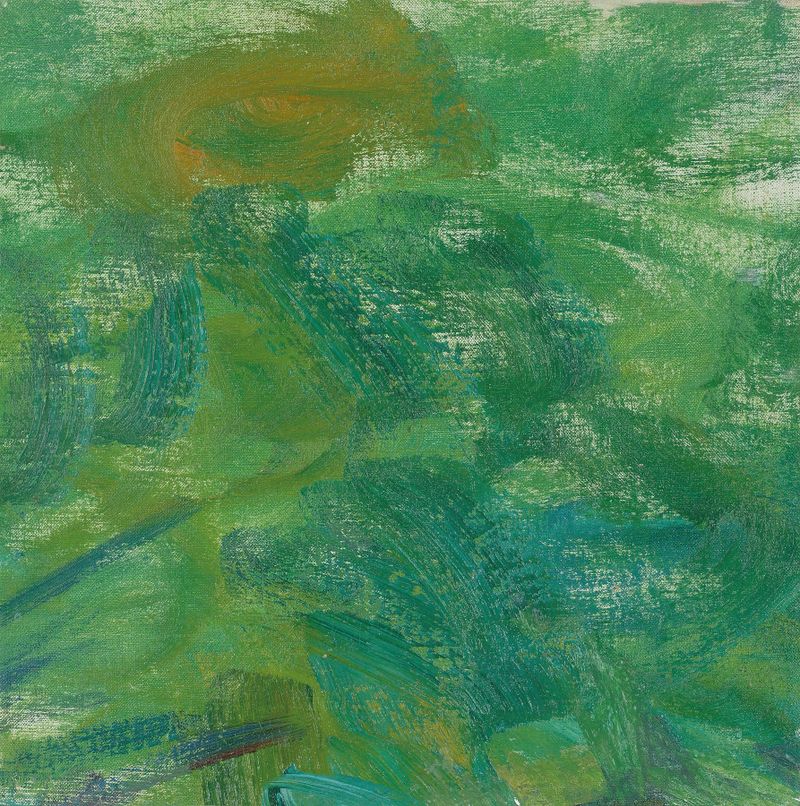
In a world where movement is both turbulent and serene, an artist dances with color and texture, weaving life into a still image. Each stroke captures the delicate balance of nature’s wildness, reminding us of the beauty found in chaos. Focus first on the vibrant greens and purples that dominate the canvas; the thistles emerge with a fervent energy, as if they are caught mid-sway in a gentle breeze. Notice how the painter’s technique brings a sense of movement, with swirling brushwork creating an almost palpable rhythm.
The juxtaposition of light and shadow brings depth, while the rich palette evokes a lush vibrancy, pulling the viewer into the heart of the scene. Within this composition lies an exploration of duality: the beauty of the thistle juxtaposed against its prickly nature speaks to the complexity of existence. The flowing lines suggest motion, inviting reflection on how life’s chaotic elements can also foster elegance. Hidden in the undercurrents of the piece is a commentary on resilience, as these wildflowers thrive in even the harshest conditions, embodying strength alongside grace. In 1889, Disteln was crafted during a transformative period for its creator, who was deeply entrenched in the late 19th-century German art movement that embraced nature and its untamed facets.
Bergmann, influenced by evolving artistic trends, sought to capture both the beauty and rawness of the natural world, reflecting a broader cultural shift towards Impressionism and a newfound reverence for the environment.