
Ditch of the Bastion du Mât — History & Facts
What if silence could speak through light? In Ditch of the Bastion du Mât, the weight of absence resonates, capturing the heavy heart of grief in a moment suspended in time. Look closely at the foreground where the muted, earthy tones of the ditch create a striking contrast against the vibrant greens of the distant landscape. The viewer's gaze is drawn to the play of light filtering through the overcast sky, casting an ethereal glow upon the scene. Simpson's use of watercolor offers a fluidity that breathes life into the somber surroundings, allowing the brushstrokes to convey an intangible feeling, as if each stroke is a whispered lament. Beneath the surface, layers of meaning emerge.
The ditch, maybe a symbol of loss, suggests a void left by absence, while the lush greenery beyond hints at the passage of time and the hope of renewal. Silently, the painting evokes the tension between what has been lost and what may still flourish, encouraging contemplation on the nature of memory and mourning. The quietness of the scene feels almost palpable, inviting the viewer to dwell on their own experiences of grief. In 1855, while creating this piece, Simpson was deeply engaged in his observations of the Crimean War.
He worked in various locations, including the front lines, capturing the realities of conflict and its aftermath. This period was marked by profound shifts in artistic representation, as artists began to grapple with the emotional weight of loss and the struggle of the human condition, making Simpson's work a poignant reflection of its time.
More Artworks by William Simpson
Browse all →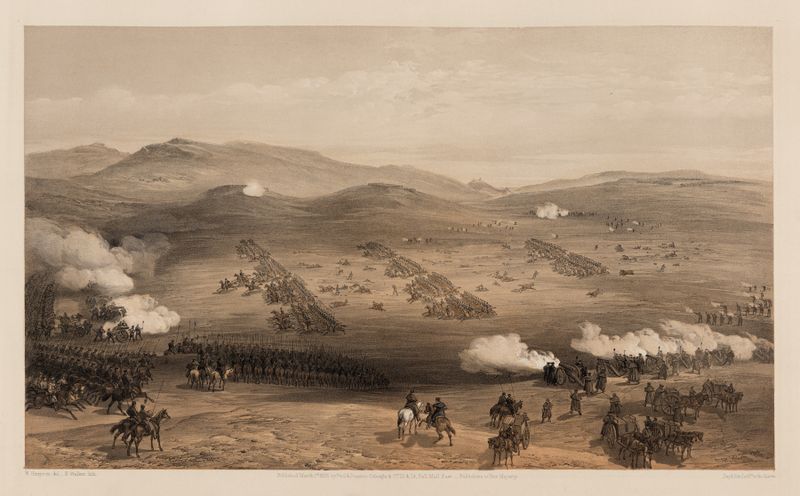
Charge of the light cavalry brigade, 25th Oct. 1854, under Major General the Earl of Cardigan
William Simpson

Charge of the heavy cavalry brigade, 25th Octr. 1854
William Simpson
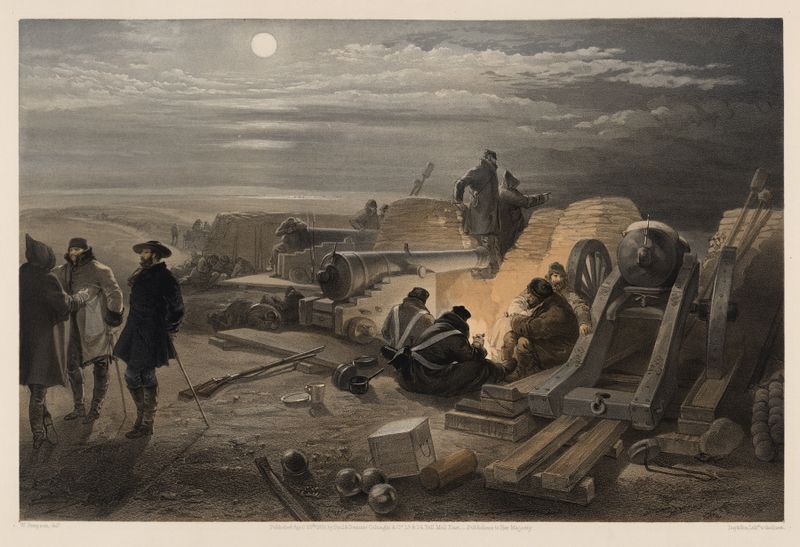
A quiet night in the batteries – a sketch in the Greenhill battery (Major Chapman’s), 29th Jany. 1855
William Simpson

The Great Wall of China
William Simpson
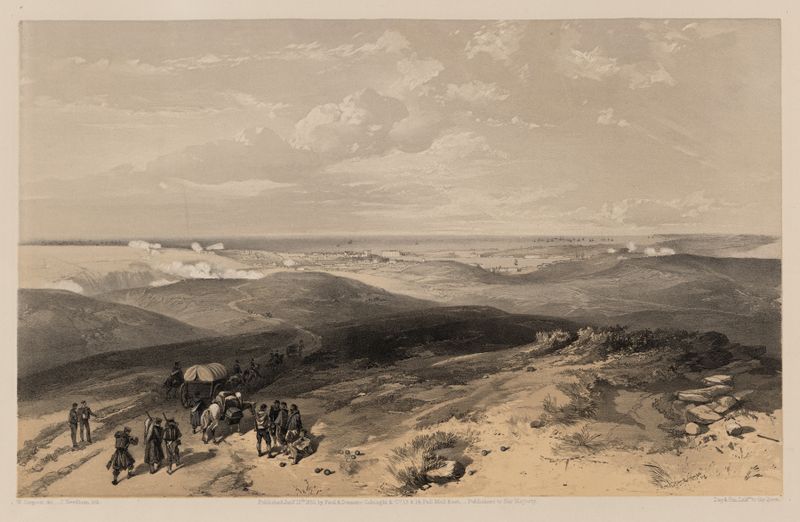
Sebastopol from the rear of the English batteries
William Simpson
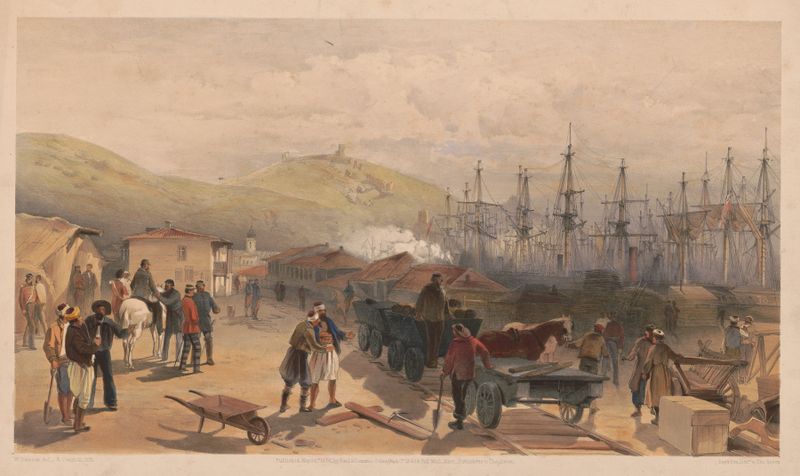
The railway at Balaklava, looking south
William Simpson

The Governor-General’s and Commander-in-Chief’s Camp at Jalandhar, 1 Febuary 1860
William Simpson
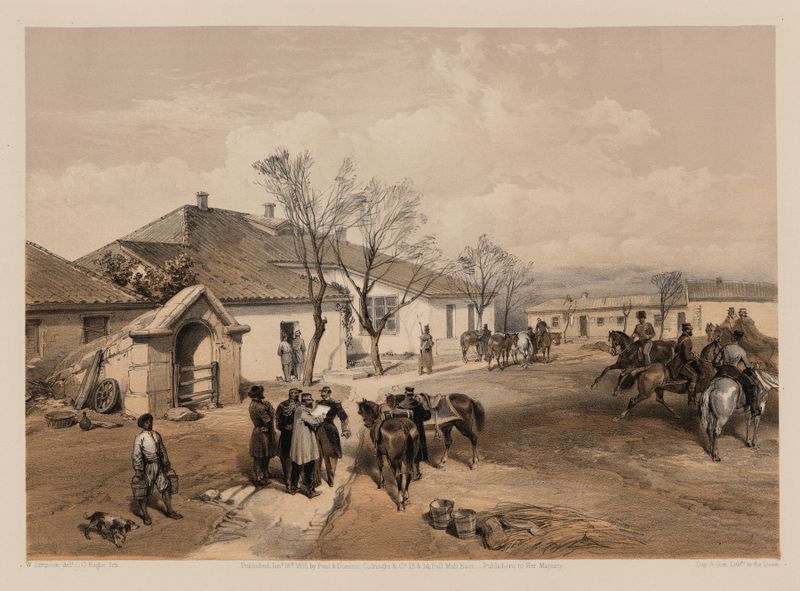
Lord Raglan’s head quarters at Khutor-Karagatch
William Simpson
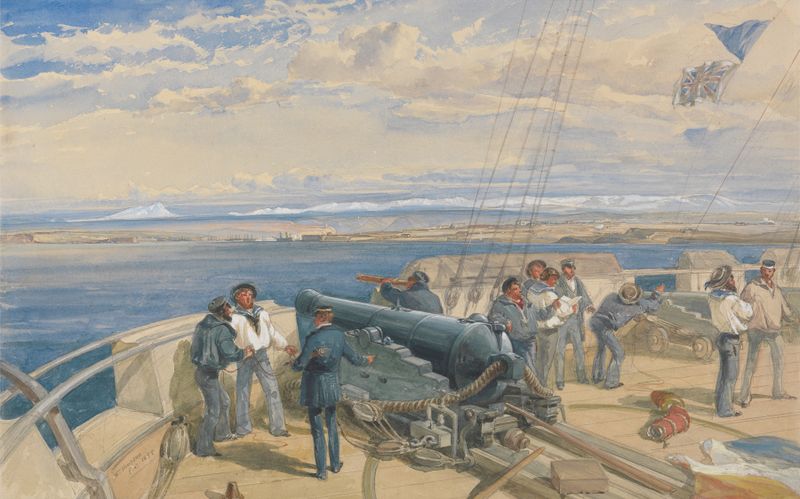
Sebastopol from the Sea, Sketched from the Deck of H. M. S. Sidon, Feb. 1855
William Simpson
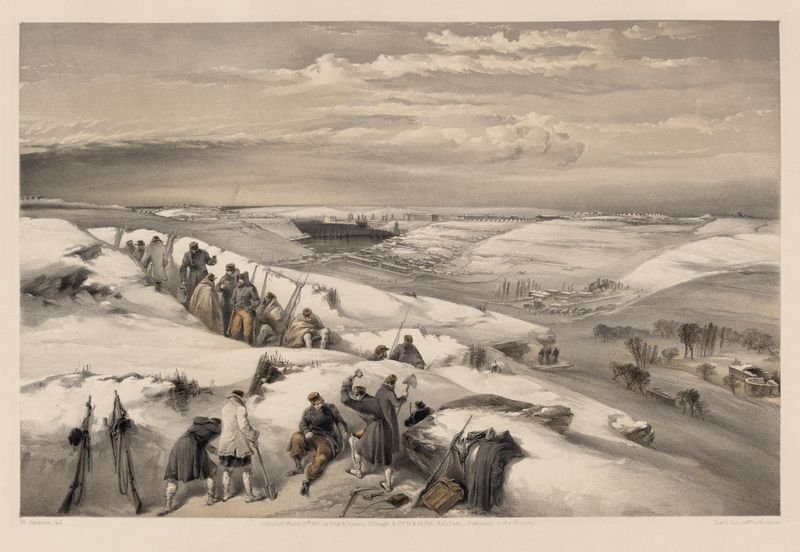
Sebastobol from the 26 gun battery on the extreme right of French attack
William Simpson





