Dóm — History & Facts
Could a single brushstroke hold eternity? In the delicate interplay of colors and forms, one can sense the fragility of human experience captured on canvas, inviting deep reflection. Look to the center of the piece, where soft hues converge, creating an ethereal dome that seems to cradle the viewer. Notice how the gentle gradients of light and shadow dance across the surface, revealing a textured complexity that hints at both chaos and calm. The subtle blue and gold tones evoke a sense of serenity, while the organic shapes suggest a transformative journey, leading the eye outward, endlessly. Beneath this tranquil façade lies an emotional tension.
The juxtaposition of vibrant and muted colors hints at the duality of existence, where moments of brilliance are often overshadowed by vulnerability. Each stroke, seemingly effortless, conveys a weight that resonates with the fragility of life itself. It speaks to the transient beauty of our experiences, encapsulating a universe where joy and sorrow exist simultaneously. In 1929, at a time of great social and artistic upheaval in Europe, the artist created this work while embracing the avant-garde movement, experimenting with abstraction and expressing deeper emotional truths.
It was a period marked by a search for new identities, as artists like Dobrovolský sought to redefine their relationship with tradition and contemporary society. Within this context, Dóm emerges as a poignant reflection on the delicate balance of existence, encapsulating both personal and collective sensibilities.
More Artworks by Jaroslav Dobrovolský
Browse all →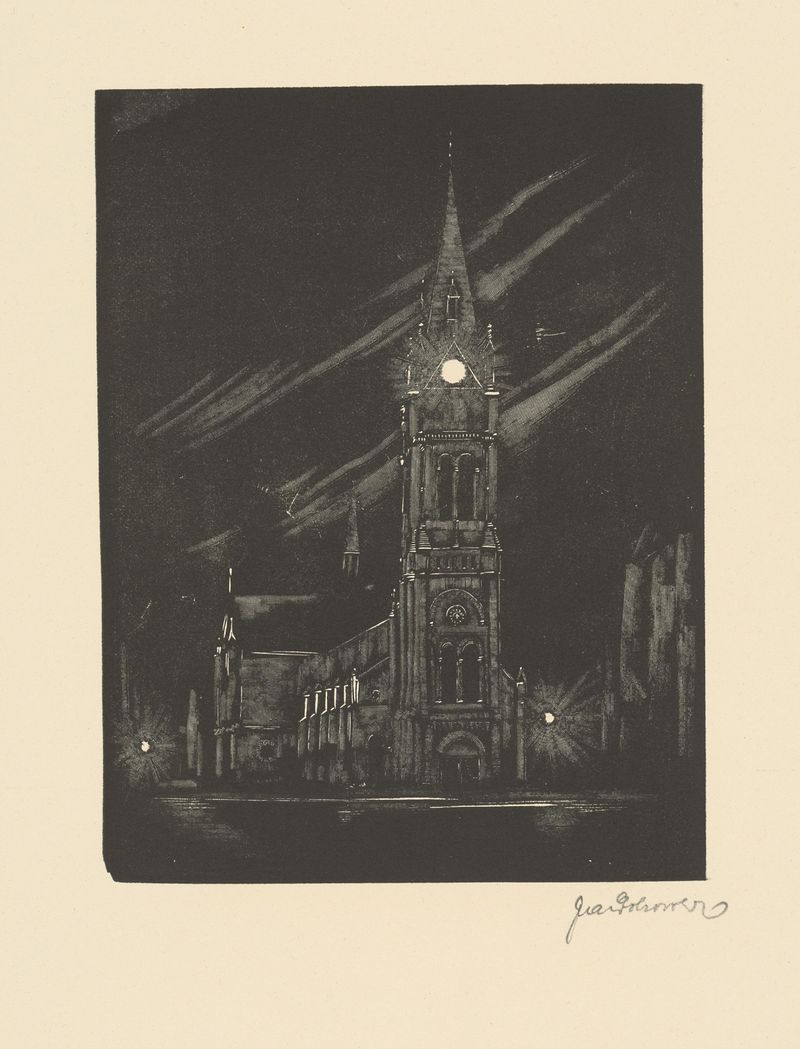
Blumentálsky kostol
Jaroslav Dobrovolský
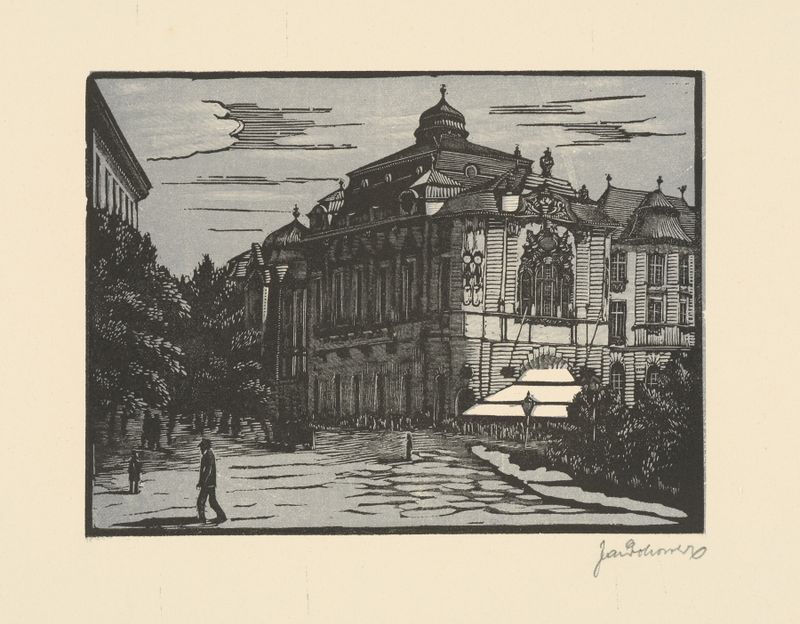
Reduta
Jaroslav Dobrovolský
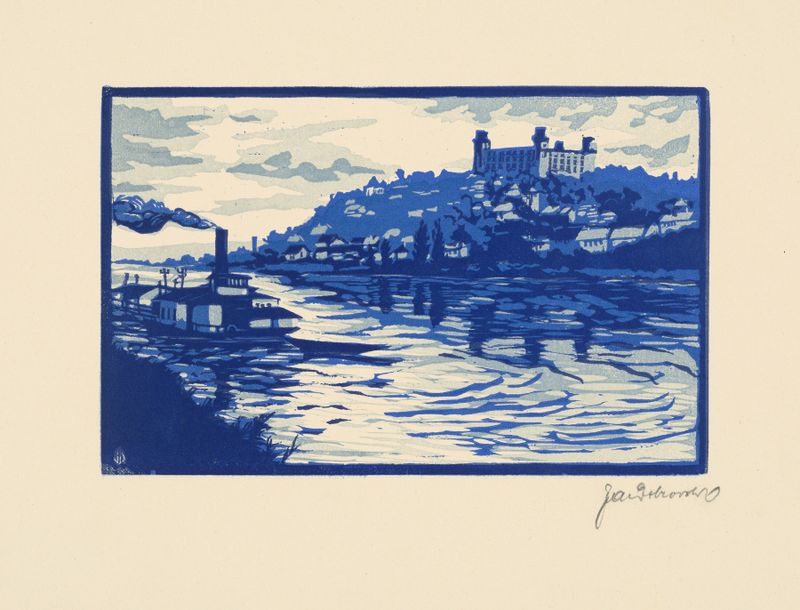
Pohľad z Petržalky
Jaroslav Dobrovolský
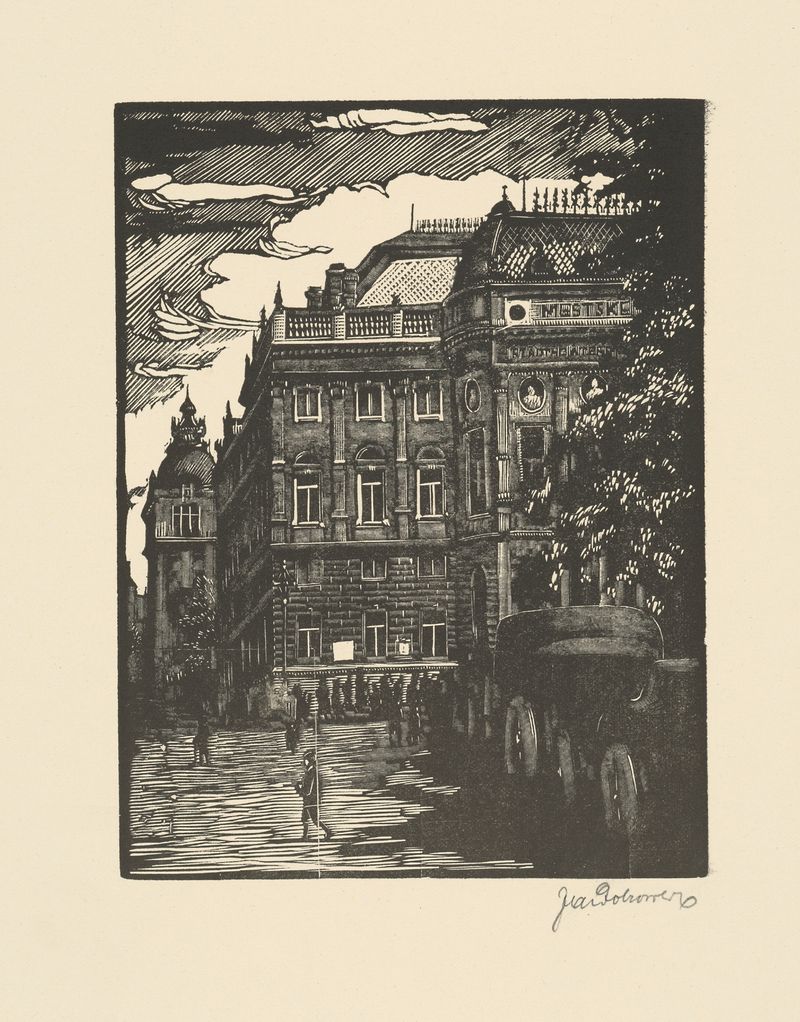
Mestské divadlo
Jaroslav Dobrovolský
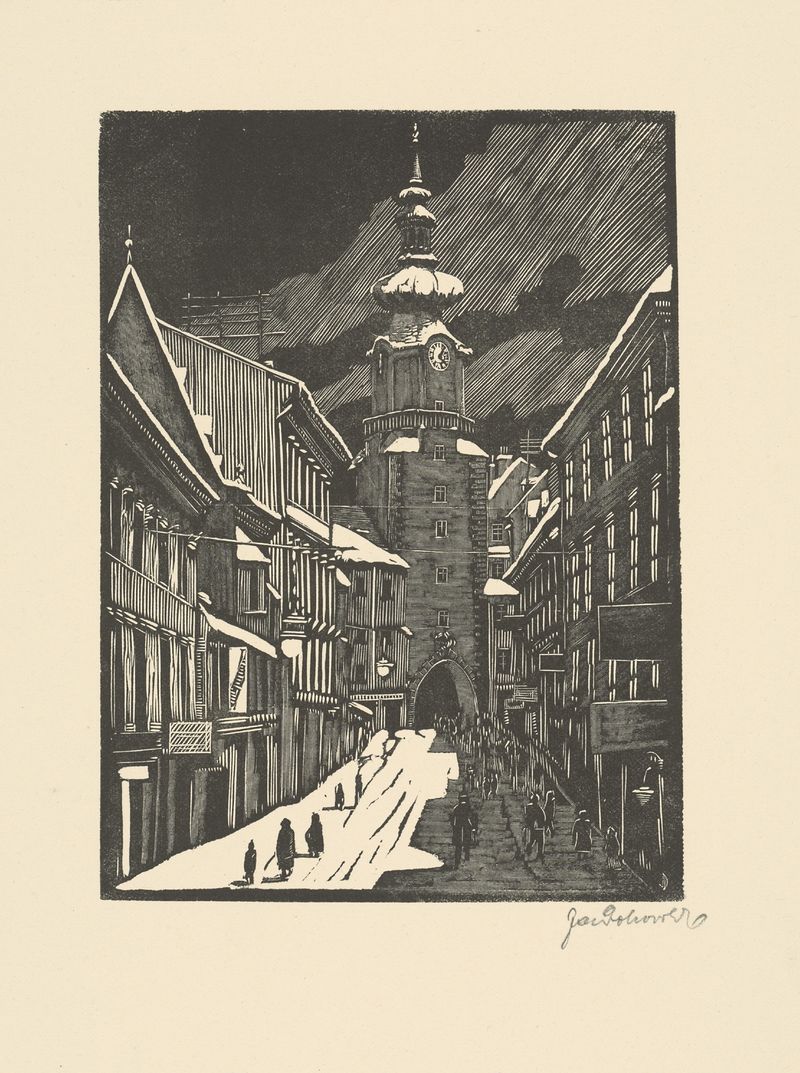
Michalská brána
Jaroslav Dobrovolský
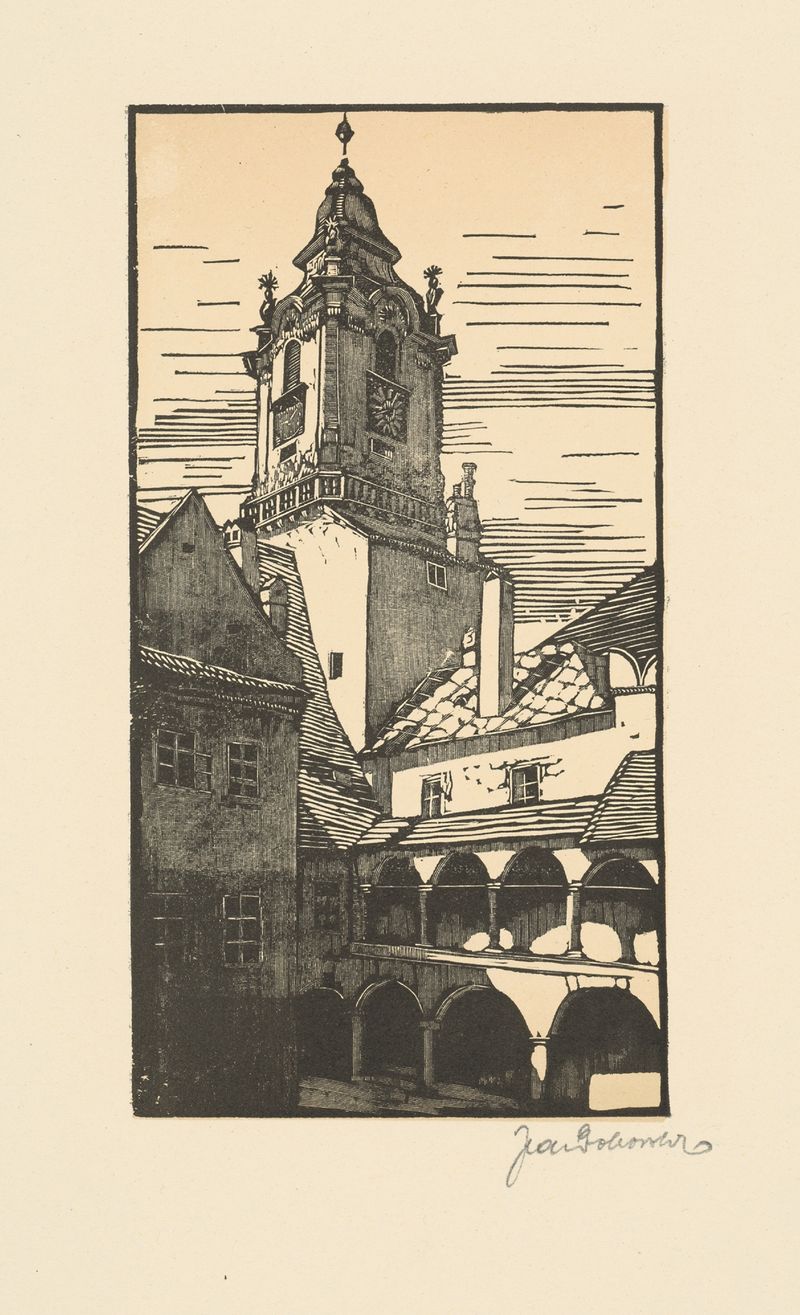
Dvor Starej radnice
Jaroslav Dobrovolský
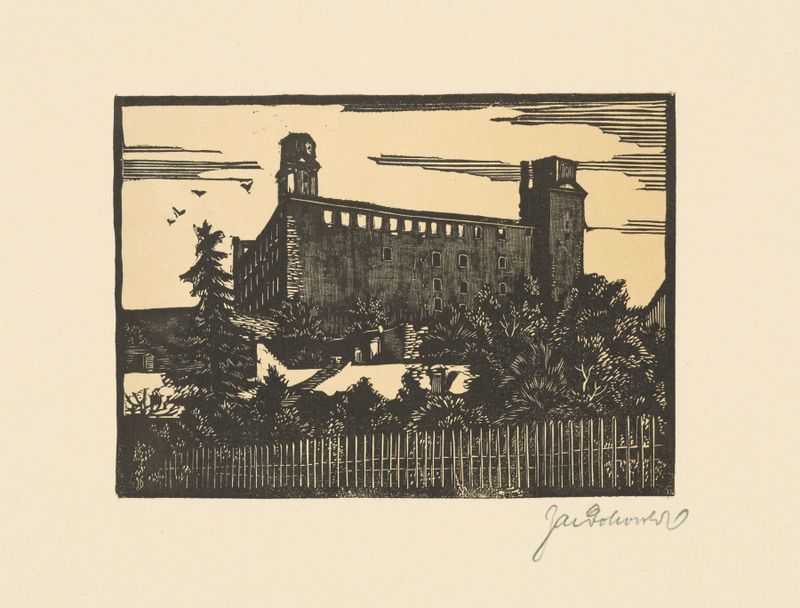
Hrad
Jaroslav Dobrovolský
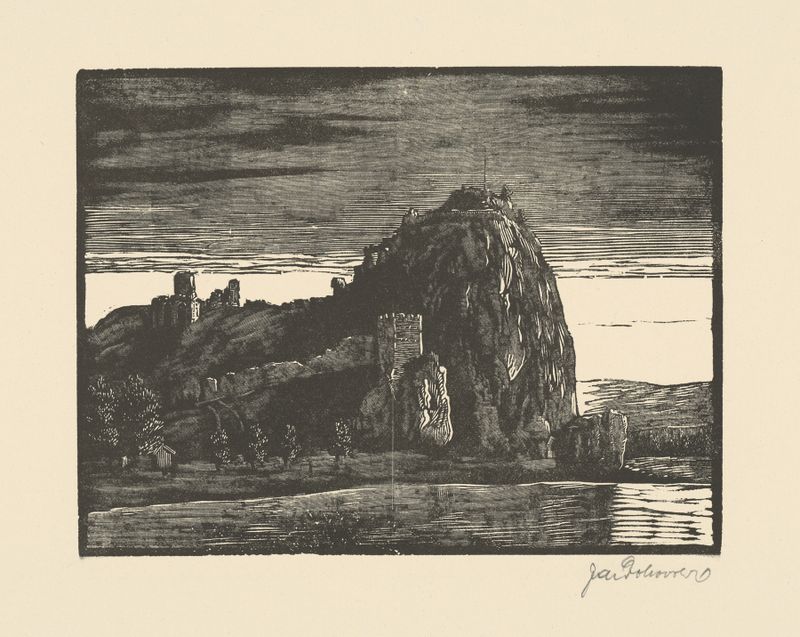
Devín
Jaroslav Dobrovolský
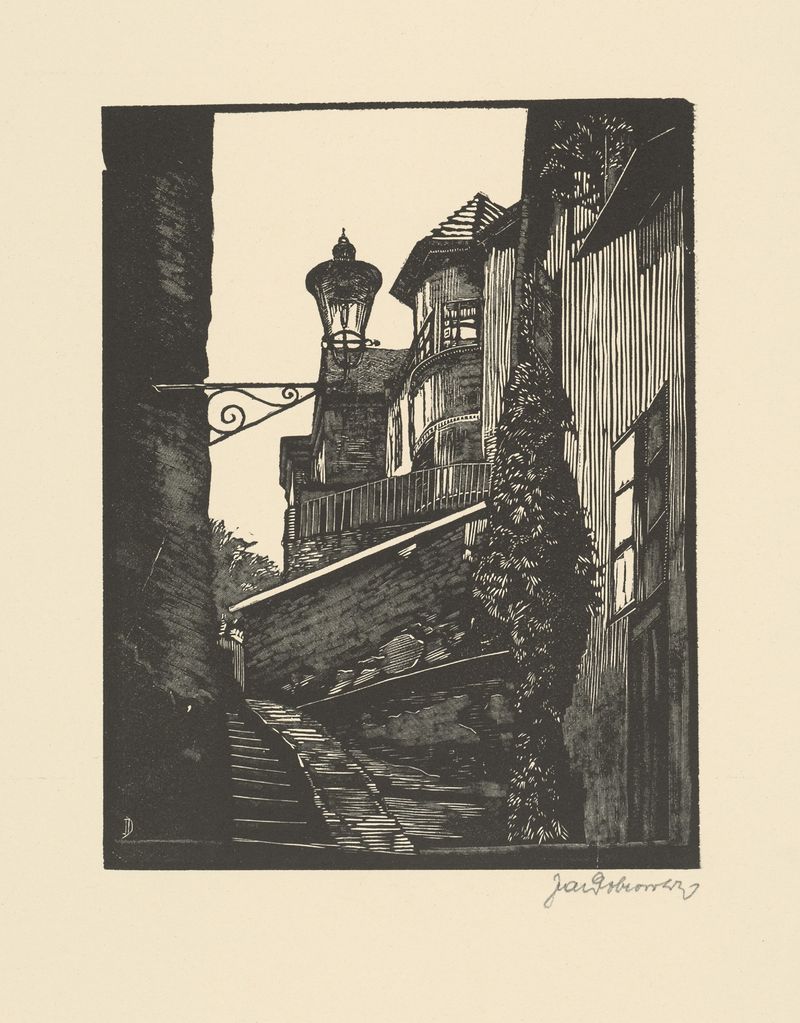
Zbytok mestského múru
Jaroslav Dobrovolský
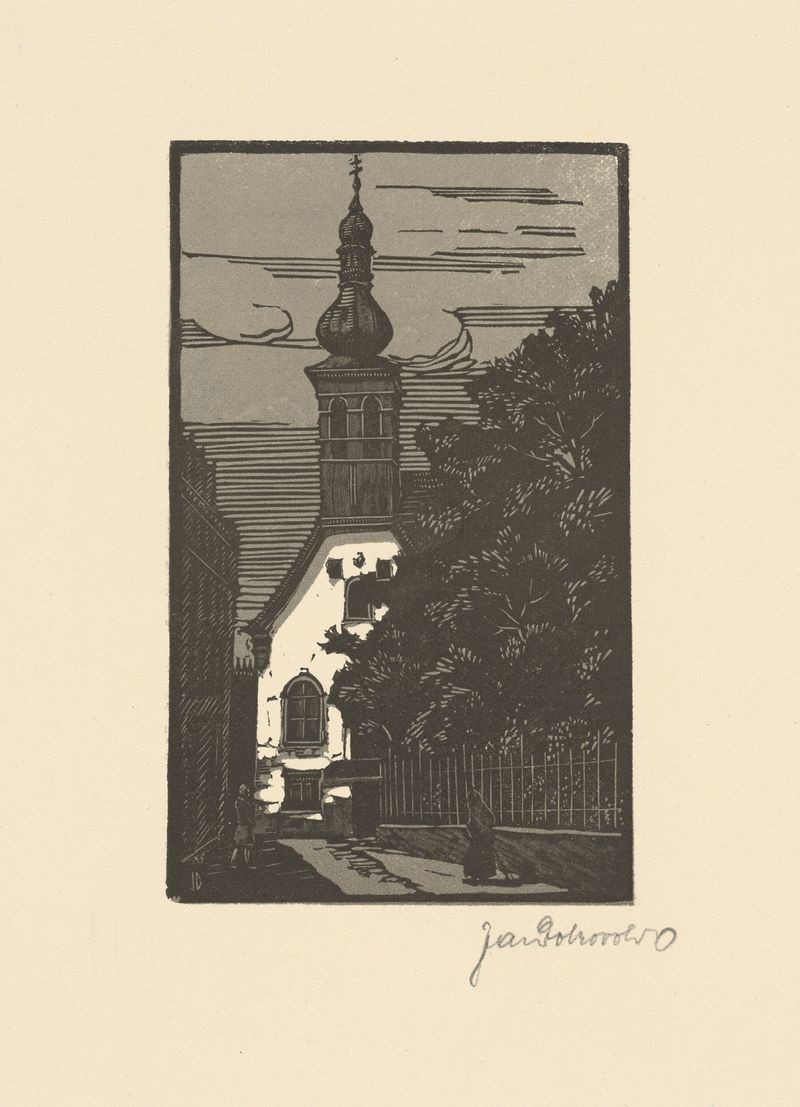
Kostolík Uršuliniek
Jaroslav Dobrovolský